Executive Overview
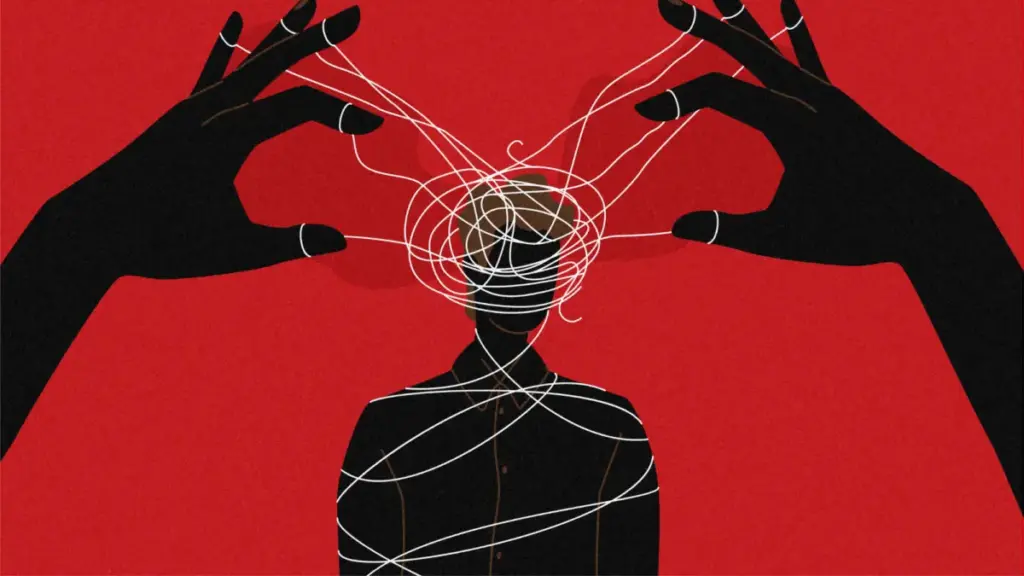
Modern relationship dynamics are increasingly influenced by toxic digital subcultures, and few strategies are as insidious—or as destructive—as the phenomenon known as the "dread game." At its core, the dread game is a calculated form of psychological manipulation designed to keep a romantic partner in a perpetual state of anxiety regarding the stability of the relationship. Instead of resolving conflicts through communication, empathy, or compromise, practitioners of this tactic intentionally induce fear of abandonment to exert control, deflect criticism, and win arguments.
While the phrase may sound like slang from a reality television show, it is deeply rooted in dark-triad behavioral strategies popularized within certain online echo chambers, such as the "manosphere" and radical Red Pill forums. Originally touted by internet strategists as a mechanism to maintain dominance over partners, the dread game manifests in everyday arguments through subtle threats, strategic comparisons to ex-partners, unprompted boasts about external romantic validation, and the weaponization of the ultimate relationship ultimatum: the sudden, unprovoked threat of a breakup.
Recent behavioral research, public health investigations, and psychological insights indicate that this tactic is not only emotionally abusive but fundamentally counterproductive. Psychological studies on interpersonal attraction consistently demonstrate that the intentional creation of profound romantic uncertainty does not increase desirability; rather, it degrades trust, breeds resentment, and drives partners away. This comprehensive investigative report examines the mechanics of the dread game, its digital origins, the scientific realities of romance under duress, and actionable strategies for identifying and dismantling this toxic behavioral pattern.
Detailed Chronology: From Fringe Forums to Mainstream Discourse
To understand how the dread game entered modern dating conversations, one must trace its evolution from the darkest corners of internet forums to broader psychological and cultural commentary.
Phase 1: The Dark Origin in the Manosphere
For well over a decade, specific subcultures within the digital landscape—collectively known as the "manosphere"—have dedicated themselves to developing hyper-cynical frameworks for dating and relationships. Within these spaces, concepts of mutual respect and vulnerability were discarded in favor of power dynamics and emotional leverage.
The term "dread" was weaponized to describe a tiered system of behaviors meant to make a partner "fear losing" the relationship. Theorists within these forums argued that comfort breeds complacency and that a partner—specifically targeted at women in heterosexual relationships—must be kept emotionally off-balance to ensure compliance and prevent them from leaving. What began as toxic advice shared in anonymous chat rooms gradually bled into broader pick-up artist (PUA) communities and toxic relationship coaching platforms.
Phase 2: Academic and Public Health Recognition
As these toxic strategies seeped into mainstream dating culture, researchers took notice. By the mid-2020s, public health researchers and behavioral scientists began analyzing the prevalence and psychological fallout of these tactics.
A landmark 2025 public-health study examining digital discourse on platforms like Reddit categorized the dread game explicitly as a form of psychological manipulation. The study highlighted how perpetrators use calculated distress to suppress a partner’s grievances. However, the researchers also documented widespread skepticism among everyday internet users regarding the efficacy of such tactics, alongside urgent warnings about the profound mental health damage inflicted upon victims.
Phase 3: Mainstream Psychological Critique
The discourse finally breached mainstream psychological media when publications like Psychology Today broke down the mechanics of the playbook. Relationship experts began publicly identifying the subtle ways the dread game infiltrates everyday arguments. What was once whispered in obscure digital forums was now being unmasked in professional psychological journals as a pervasive, highly destructive form of emotional sabotage.
The Anatomy of the Playbook: How the Dread Game Operates
The dread game relies on emotional hijackings. During a standard domestic disagreement—ranging from financial stress to the division of household labor—a healthy partnership relies on addressing the root issue. The dread game, however, deliberately derails this process.
The Hard Left Turn in Arguments
Imagine a routine argument about household chores or financial budgeting. In a functional relationship, both parties argue the merits of the specific issue. When the dread game is deployed, one partner suddenly executes a hard left turn, pivoting the conversation away from the actual problem and introducing an existential threat to the union.
Typical manifestations of this pivot include statements such as:
- "Maybe we’re just fundamentally incompatible."
- "I don’t know if I can see a long-term future with someone who acts like this."
- "My ex never made this much of a fuss over nothing."
- "People have been hitting on me a lot lately; maybe I should see what else is out there."
The Mechanics of Distraction
The primary function of these statements is emotional redirection. The moment a partner hears that the relationship is in jeopardy, their nervous system shifts into a fight-or-flight response. The initial grievance—whether it was about unpaid bills or neglected chores—is instantly forgotten.
The victim’s entire cognitive bandwidth is hijacked by a singular imperative: How do I save this relationship? They find themselves apologizing, comforting the very person who provoked the argument, and compromising on their own boundaries just to restore a false sense of security. Over time, this conditioning trains the victim to suppress legitimate complaints out of fear that speaking up will trigger another existential threat.
Supporting Context, Research, and Psychological Metrics
While practitioners of the dread game believe they are projecting high-value confidence or instilling a healthy fear of loss, empirical research paints a radically different picture of human psychology and romantic attraction.
The Fallacy of "Playing Hard to Get"
For generations, cultural tropes have suggested that keeping a partner guessing makes them want you more. However, modern psychological science refutes this notion when applied to long-term, committed relationships.
Seminal research published in relationship psychology journals (including extensive studies on romantic uncertainty from the Computers in Human Behavior and related relationship science repositories) has evaluated how mutual clarity affects desirability. Across multiple controlled studies examining interpersonal attraction, researchers found that:
- Reciprocity Drives Attraction: Individuals consistently find romantic prospects significantly more desirable when they are confident that mutual interest exists and is stable.
- Uncertainty Breeds Aversion: Chronic doubt regarding a partner’s commitment does not heighten perceived value; rather, it increases anxiety, diminishes trust, and systematically lowers overall relationship satisfaction.
- The Diminishing Returns of Manipulation: While mild ambiguity might play a minor role in the initial, fleeting stages of dating, weaponizing uncertainty in an established partnership actively repels healthy, emotionally regulated individuals.
The Public Health Impact
The 2025 public health study on digital manipulation tactics underscored that the dread game is not merely an eccentric dating quirk—it is a significant driver of psychological distress. Chronic exposure to manufactured insecurity leads to documented symptoms in victims, including:
- Hypervigilance: Constantly scanning the partner’s words, tone, and body language for signs of impending rejection.
- Chronic Anxiety: Persistent feelings of dread, stomach-churning stress, and emotional instability.
- Loss of Autonomy: Systematically silencing one’s own needs, opinions, and boundaries to appease an unpredictable partner.
Official Insights and Expert Perspectives
Mental health professionals and relationship therapists universally condemn the use of manipulation tactics like the dread game during interpersonal conflict.
Dr. Elena Vance, a clinical psychologist specializing in relational trauma, notes: "Healthy conflict resolution requires emotional safety. When one partner introduces the threat of abandonment as a tactical maneuver during a routine disagreement, they are destroying the psychological safety net required for intimacy to survive. It is a form of emotional coercion that trains the victim to walk on eggshells permanently."
Furthermore, sociologists studying the modern manosphere point out that these tactics stem from profound personal insecurity rather than genuine strength. "The irony of the dread game," explains cultural sociologist Marcus Thorne, "is that it is deployed by individuals who are fundamentally terrified of true vulnerability and genuine connection. By manufacturing artificial crises, they maintain control precisely because they lack the emotional maturity to handle authentic conflict resolution."
Future Outlook: Identifying, Addressing, and Surviving the Dread Game
Recognizing the dread game is the first step toward neutralizing its power. Because these tactics rely on subverting logic and triggering emotional panic, breaking the cycle requires absolute clarity, firm boundaries, and a willingness to walk away if toxic behaviors persist.
1. Recognizing the Pattern
The most vital tool in combating manipulation is pattern recognition. Anyone can say something regrettable during a heated argument; humans are flawed, and frayed tempers can lead to panicked statements. However, there is a vast gulf between an accidental, emotional slip-of-the-tongue and a calculated strategy.
- Is the threat of a breakup introduced during every single disagreement?
- Does every argument about mundane domestic issues suddenly pivot to the stability of the relationship?
- Do you constantly feel like your grievances are ignored because you are too busy trying to keep the partner from leaving?
If the answer to these questions is yes, you are likely dealing with the dread game.
2. Calling It Out Directly
When a manipulative partner deploys the dread game, the most effective counter-strategy is refusing to take the bait. Instead of panicking, crying, or scrambling to reassure them, respond with objective, dispassionate clarity.
As relationship experts recommend, a simple, declarative statement is often all it takes to expose the tactic:
"You keep bringing up a breakup every single time we have a disagreement. We are talking about [the actual issue], not whether our relationship is ending. Let’s stick to the topic."
By refusing to chase them down the rabbit hole of manufactured abandonment, you strip the tactic of its power.
3. Evaluating the Future of the Relationship
Observing your partner’s response to being called out will tell you everything you need to know about the viability of the relationship.
- A self-aware, remorseful partner will pause, recognize their toxic defense mechanism, apologize, and commit to healthier communication styles.
- A toxic practitioner of the dread game will often double down, gaslight you for calling them out, or accuse you of being overly sensitive, irrational, or uncooperative.
Ultimately, love should not feel like an ongoing psychological hostage negotiation. If a partner requires the constant threat of loss to keep you compliant, they are demonstrating a fundamental incapacity for mature, secure partnership. Recognizing this reality allows individuals to reclaim their emotional autonomy—whether that means demanding profound behavioral changes or walking away to find a partnership built on genuine trust, mutual respect, and emotional safety.