Executive Overview
In the hyper-connected ecosystem of contemporary internet culture, the boundary between real-world tragedy and surreal digital folklore has grown perilously thin. This phenomenon was starkly highlighted when "new" photographs of Patrick Crusius—the perpetrator of the devastating 2019 El Paso Walmart shooting—began circulating widely across social media platforms. Crusius, who is currently serving multiple consecutive life sentences for one of the deadliest mass casualty events in modern American history, is paradoxically better known to millions of online denizens not by his legal identity, but as "Chudjak," a crude, deeply cynical line drawing born out of the subterranean message boards of 4chan.
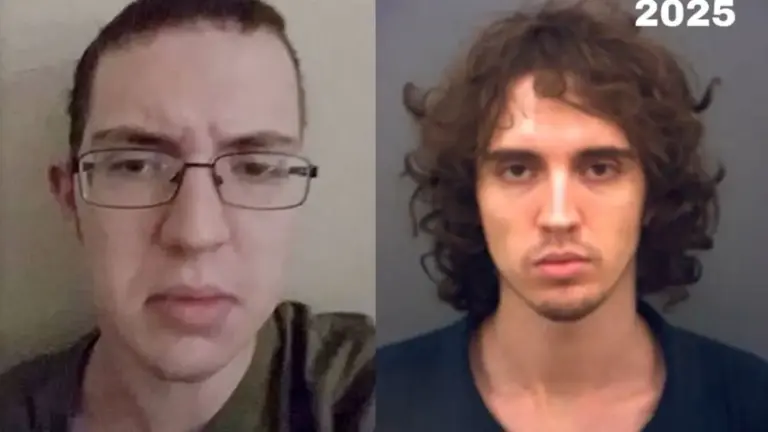
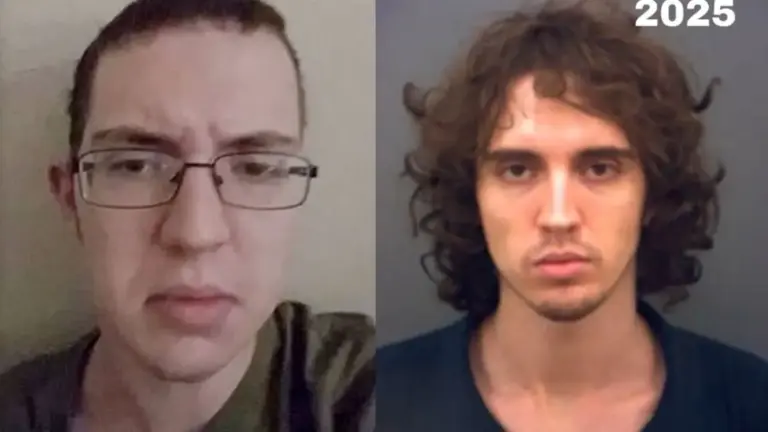
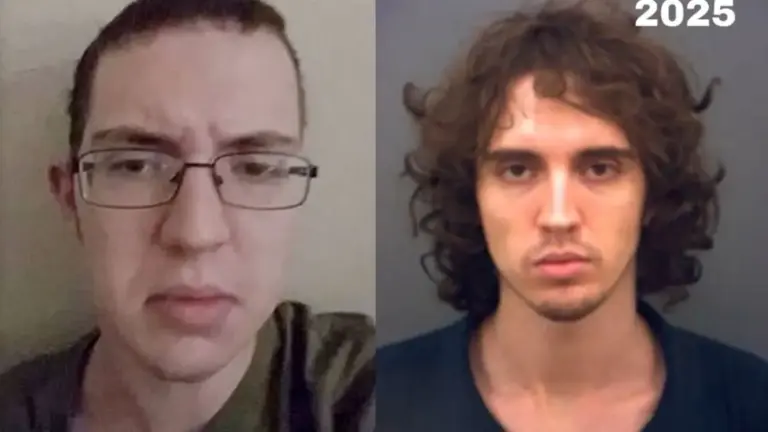
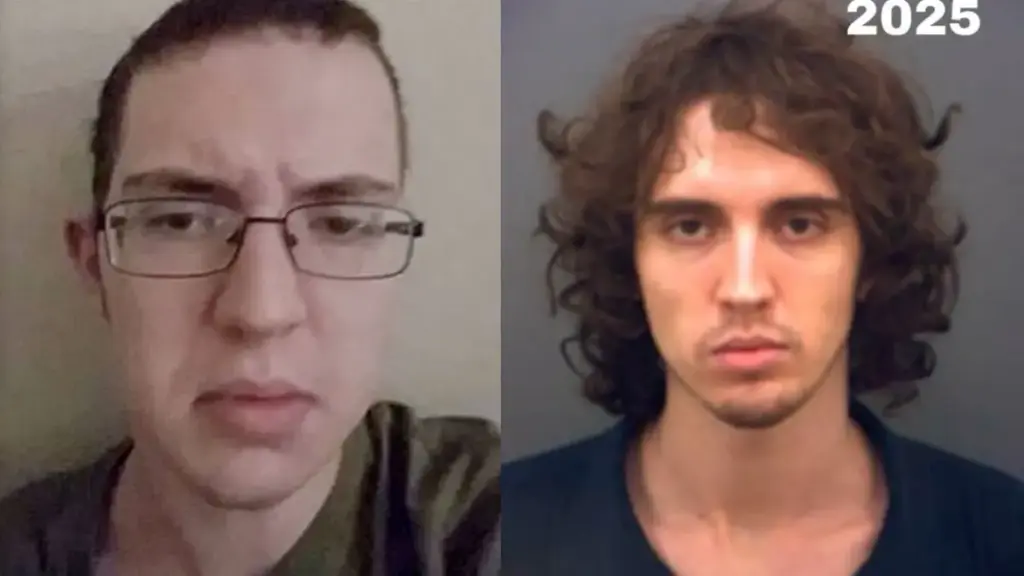
The emergence of a previously unseen photograph, purportedly obtained via a Freedom of Information Act (FOIA) request and shared via Reddit before rocketing to viral prominence on X (formerly Twitter), triggered a bizarre cultural wave. Users across various internet subcultures began reacting to Crusius’s altered physical appearance—devoid of his signature glasses, sporting longer curly hair and light facial scruff—with dark humor, absurdist memes, and satirical commentary suggesting the mass murderer had undergone an unexpected "glow-up."
This incident serves as a grim case study in the mechanics of modern internet memeification. It illustrates how real-world atrocities are algorithmically scrubbed of their visceral horror and repackaged into ironic shorthand, detaching the digital caricature from the human wreckage left in its wake. This article provides an investigative look into the chronology of the recent leak, the origins and cultural resonance of the Chudjak meme, the metrics of its digital spread, and the broader implications of meme culture’s morbid fascination with violent criminals.
Detailed Chronology: From the FOIA Leak to Viral Absurdism
The sequence of events that brought Crusius’s likeness back into the public eye unfolded over a compressed timeline in late April 2025, demonstrating the lightning-fast velocity at which niche internet archives can breach mainstream platforms.
April 25, 2025: The Reddit Leak
The digital trail began on April 25, 2025, within the niche and morbidly focused Reddit community /r/masskillers. A user operating under the handle /u/uncanealguinzaglio published what they claimed was a newly surfaced federal mugshot of Crusius. According to the poster, the image had been legally acquired through a Freedom of Information Act (FOIA) request.
The photograph immediately drew attention because it departed significantly from the clean-cut, bespectacled appearance Crusius maintained during his initial 2019 arrest and subsequent media appearances. In this newly circulated image, Crusius sported longer, curly hair, noticeable facial scruff, and an overall more unkempt aesthetic.
Anticipating potential moderation actions, the original Reddit post was swiftly deleted—presumably due to violations of Reddit’s strict Terms of Service regarding the glorification or excessive proliferation of violent offenders. However, the digital genie was already out of the bottle. Screenshots had been harvested, saved, and prepared for redistribution across other platforms.
Clarifying the origin of the photo, the original poster later noted:
"From when he plead guilty to federal charges. Circa July of 2023. It was not taken BY the federal government it was taken by El Paso holding him for them. For some reason. But it still came from his federal charges and not state."
April 27, 2025: The X (Twitter) Explosion
The inflection point for viral memetic spread occurred two days later, on Sunday, April 27, 2025. X user @TruueDiscipline published a post featuring the leaked photograph alongside the deadpan caption: "This is what chudjak looks like now… feel old yet?"
The post weaponized the classic "Feel Old Yet?" nostalgic meme format, juxtaposing the passage of time against the jarring reality of a mass shooter’s aging process in a maximum-security prison. The juxtaposition struck a chord within specific internet subcultures attuned to 4chan lore. Within forty-eight hours, the tweet metastasized across the platform, racking up over 1.2 million views and crossing the 17,000-likes threshold.
The Satirical Backlash and Meme Variants
As the image permeated broader feeds, the internet’s reaction bifurcated into surrealism and dark satire. Users struggled to reconcile the grim historical reality of Crusius’s crimes with his updated, albeit mundane, prison appearance.
- The "Indie Rock Singer" Comparison: X user
@hayasaka_aryanposted a side-by-side comparison of the original Chudjak caricature and the new photograph, accompanied by the deadpan caption: "From chud to indie rock singer." This post mocked the modern tendency of internet subcultures to aestheticize even the most grotesque figures through ironic praise. - Classic Meme Integration: Other accounts leaned into vintage meme formats. User
@Marcus_celposted a classic internet reaction panel featuring the iconic "Cereal Guy" spitting out his breakfast in absolute disbelief over Crusius’s altered appearance. Meanwhile,@Halsted_19posted satirical commentary playing on the parasocial female attraction sometimes bizarrely directed toward high-profile criminals, framing the reaction as ironic female swooning over the imprisoned "Chud." - Chronological Corrections: As the "Feel Old Yet?" meme peaked,
@TruueDisciplineprovided a follow-up clarification, noting that the viral photo was actually reflective of Crusius’s appearance in mid-2023. They contrasted it with a more recent photograph documenting Crusius during an April 21, 2025, court hearing, where he wore glasses and a fuller beard while entering a guilty plea to capital murder charges.
Supporting Context & Metrics: The Anatomy of the "Chudjak"
To understand why a prison photograph of a mass murderer became fodder for millions of digital impressions, one must deconstruct the cultural artifact known as "Chudjak."

The Genesis of Chudjak
The Chudjak meme originated in late 2019 within the murky depths of 4chan’s /pol/ (Politically Incorrect) board—a notorious breeding ground for extremist political commentary, fringe internet slang, and psychological projection.
Morphologically, Chudjak is an offshoot of the ubiquitous "Wojak" (or Feels Guy) meme family. While standard Wojaks convey general melancholy, anger, or smugness, Chudjak was specifically engineered to represent a caricature of the modern, disaffected, radicalized internet extremist. Characterized by thick-rimmed glasses, exaggerated, deep nasolabial folds (wrinkles running from the sides of the nose to the corners of the mouth), and a perpetual, grimacing frown, the character is visually unappealing and emotionally stagnant.
The Philosophy of "Billions Must Die"
Chudjak is rarely deployed in a vacuum; he is almost universally paired with apocalyptic, nihilistic mantras. The most prominent among these is the catchphrase: "The West has fallen. Billions must die."
Originally conceived as dark satire directed at fatalistic internet extremists who obsess over civilizational collapse, the phrase quickly broke containment. It transformed into a ubiquitous shorthand across mainstream platforms like X, Reddit, and TikTok. Users began spamming variations of the phrase to mock alarmist geopolitical commentary, economic anxiety, or trivial inconveniences. Over time, the meme decoupled entirely from Patrick Crusius’s actual identity, functioning instead as an abstract digital mask representing terminal online pessimism.
Quantitative Impact Metrics
The April 2025 viral cycle underscores the immense velocity of memetic circulation:
- Initial Exposure: The
/r/masskillersthread gathered hundreds of views and preliminary upvotes before its mandatory TOS-driven deletion. - Primary Amplification: The foundational tweet by
@TruueDisciplinecrossed 1.2 million impressions and generated over 17,000 algorithmic engagements (likes, reposts, and quote tweets) within 48 hours. - Secondary Derivative Content: Dozens of auxiliary meme accounts generated secondary reaction posts, extending the lifespan of the news cycle across multiple distinct linguistic and aesthetic internet enclaves.
Official Statements & Legal Background
While the internet churned out ironic commentary, the legal reality underpinning Patrick Crusius’s existence remains anchored in profound, unvarnished tragedy.
The August 3, 2019 Massacre
On August 3, 2019, Patrick Crusius drove from Allen, Texas, to El Paso, armed with a WASR-10 semi-automatic rifle. Targeting a local Walmart filled with shoppers on a Saturday morning, Crusius opened fire, killing 23 people and injuring 22 others. Prior to the attack, he published a racist, xenophobic manifesto online citing anti-immigrant rhetoric and white supremacist ideology, explicitly stating his intent to target Hispanic people.
Legal Resolution and Imprisonment
Crusius was arrested shortly after the massacre. The legal proceedings spanned nearly six years, navigating complex jurisdictional waters involving both state and federal charges.
- Federal Sentencing: In July 2023, Crusius pleaded guilty in federal court to 90 federal hate crime and weapons charges. He was subsequently sentenced to 90 consecutive life sentences in federal prison, removing the possibility of parole.
- State Guilty Plea: Most recently, in April 2025—coinciding directly with the timeline of the leaked mugshots—Crusius faced state capital murder charges in El Paso. During a court hearing on April 21, 2025, he formally entered a guilty plea to avoid the death penalty, securing an additional series of life sentences without parole.
Legal experts and civil rights advocates have consistently emphasized the danger of allowing notorious criminals to slip into the realm of abstract pop-culture commentary. When a mass murderer is reframed as an indie rock singer or an ironic cartoon character, the gravity of their crimes risks being diluted by the relentless ironism of digital subcultures.
Future Outlook: The Digital Afterlife of Infamy
The bizarre trajectory of the Patrick Crusius "glow-up" meme highlights a permanent vulnerability in the digital information age: the absolute commodification of human tragedy.
As long as courts, law enforcement agencies, and government bodies are legally required to release public records—including mugshots and booking photographs via Freedom of Information Act requests—those images will inevitably enter the open-market ecosystem of internet memes. Platforms like X, Reddit, and TikTok operate on algorithms that reward novelty, shock value, and emotional detachment. Consequently, a convicted domestic terrorist can be instantaneously stripped of his historical atrocities and refashioned into a surrealist punchline.
Looking forward, content moderators and platform architects face an ongoing, uphill battle against memetic sanitization. While automated filters can swiftly remove direct leaks of graphic material or explicit glorification, they remain largely impotent against coded irony and post-ironic satire.
The Chudjak phenomenon demonstrates that digital folklore possesses an unstoppable momentum of its own. Once a real-world monster is successfully absorbed into the pantheon of internet iconography, his physical body ceases to belong solely to the correctional facility holding him; it becomes public property—remixed, distorted, and metabolized by an internet that perpetually feeds on its own dark reflection.