Executive Overview
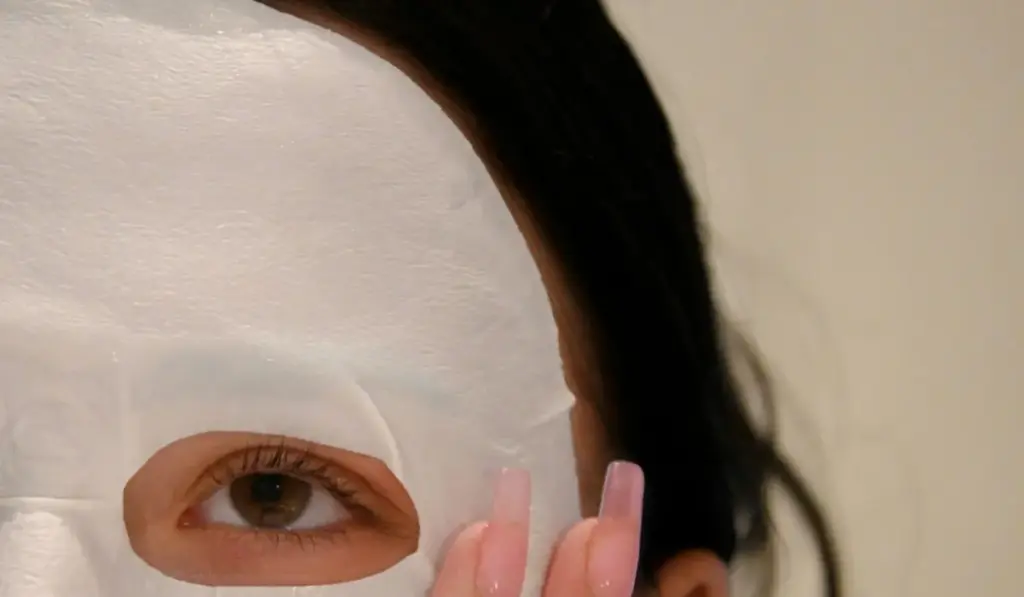
For over a decade, Western perception of Korean beauty—colloquially known as K-beauty—has been largely tethered to a single, monolithic concept: the legendary 10-step skincare routine. While innovations like sheet masks, pimple patches, and double-cleansing techniques successfully transitioned from Seoul’s bustling shopping districts into the vanity tables of millions globally, this rigid adherence to a ten-product regimen represents only a fraction of a much larger, highly sophisticated ecosystem.
Today, the K-beauty narrative is undergoing a radical evolution. The industry is moving past numerical dogmas and temporary viral trends to focus on holistic concepts like "slow aging," advanced multi-step hair and scalp care, and the seamless integration of topical cosmetics with professional in-office dermatological treatments.
In a recent episode of The Beauty Authority, industry pioneers Sarah Chung Park—widely recognized as the "Godmother of K-Beauty," CEO of Landing International, and creator of K-Beauty World—and Michelle Lee, former Editor-in-Chief of Allure and Chief Marketing Officer of Landing International, sat down to deconstruct this evolution. Their insights reveal a mature market that prioritizes deep hydration over aggressive overtreatment, structural prevention over quick fixes, and experiential beauty that now extends far beyond the face.
This comprehensive report explores the shifting paradigms of Korean beauty, examining the deconstruction of the 10-step myth, the rise of preventative slow-aging philosophies, innovations in novel textures and delivery systems, the burgeoning revolution in K-hair care, and the transformative economic impact of social media and experiential tourism.
Detailed Chronology: The Evolution of K-Beauty in the West
To understand where K-beauty stands today, it is essential to trace how the movement established its foothold in Western markets and how its core philosophy was inadvertently altered in translation.
Phase One: The Introduction of Novelty and Layering (2011–2015)
During the early 2010s, Korean beauty entered the Western consciousness as an exotic novelty. Consumers were introduced to BB creams, snail mucin extracts, and sheet masks. This era was characterized by curiosity. Western beauty editors and early beauty bloggers marveled at the sheer playfulness and textural ingenuity of Korean formulations. However, the complexity of the routines—particularly the concept of layering multiple lightweight products—often felt intimidating, leading to the creation of the catch-all "10-step routine" label as a marketing shorthand.
Phase Two: Mainstreaming and Ritualization (2016–2020)
As the trend solidified, foundational products crossed the chasm from niche specialty shops into mass-market retailers like Sephora, Ulta, and Target. Double cleansing became a nightly standard for millions, and hydrocolloid pimple patches transformed acne care from a drying, punitive process into a benign, even aesthetic experience. Yet, during this period, the "10-step" concept calcified into a rigid rulebook. Consumers frequently misunderstood the numerical count as a mandatory prescription rather than a flexible framework based on individual skin needs.
Phase Three: The Pivot to Efficacy, Technology, and Slow Aging (2021–Present)
The current era is defined by maturity, transparency, and a symbiotic relationship between at-home care and professional dermatology. Fueled by short-form video platforms like TikTok, consumers are no longer satisfied with mere novelty; they demand demonstrable efficacy, sensorial textures, and preventive wellness. The conversation has shifted from "How many products can I use?" to "What does my skin structurally require today?" This era has also witnessed the expansion of K-beauty philosophies into adjacent categories, most notably scalp and hair care, alongside a surge in experiential beauty tourism to Seoul.
Supporting Context & Metrics: Decoding the Modern Consumer
The maturation of the K-beauty market is backed by profound shifts in consumer behavior, manufacturing agility, and global distribution models.
The Demise of the Numerical Mandate
Market data indicates that modern beauty consumers are increasingly skeptical of rigid routines that demand excessive time and financial investment. The 10-step regimen, while brilliant for popularizing the art of hydration layering, created consumer fatigue.
According to industry analysts, contemporary shoppers favor customizable, modular skincare. Rather than accumulating ten distinct products, consumers are investing in multifunctional formulations—such as essences that combine toning and deep hydration, or multi-tasking balms that provide barrier protection and environmental defense in a single swipe.
The Rise of Preventive "Slow Aging"
In South Korea, aging is not treated as a problem to be aggressively corrected after the fact, but as a biological process to be managed, cushioned, and delayed through consistent, lifelong care. This philosophy—termed "slow aging"—has taken root in retail spaces like Olive Young, South Korea’s dominant health and beauty store chain, where dedicated sections curate products specifically formulated to protect skin integrity, support the microbiome, and bolster the moisture barrier long before fine lines appear.
The Convergence of At-Home and In-Office Care
A critical metric of consumer sophistication is the realistic understanding of topical skincare limitations. While the West has historically marketed topical creams as potential "miracle cures" capable of rivaling clinical procedures, the Korean market maintains a transparent division of labor between daily maintenance and clinical intervention. In Seoul, visiting a dermatology clinic for maintenance treatments (such as laser toning, skin boosters, and micro-injections) is as routine as getting a haircut. This cultural norm prevents consumers from expecting impossible feats from over-the-counter serums and creams.
Official Statements & Expert Insights
During their discussion on The Beauty Authority, Sarah Chung Park and Michelle Lee offered profound perspectives on the past, present, and future of the industry. Their expert commentary provides an authoritative roadmap for navigating this evolving landscape.
On the Misunderstood 10-Step Routine
Michelle Lee addressed the persistent myth surrounding the complexity of Korean skincare:
"The whole 10-step thing was truly a little bit misunderstood. Starting with lighter, hydrating formulas and working up to richer textures is now familiar advice, but the number of products you use should depend on your skin. It’s more about understanding what your skin needs in that moment."
Expanding on this, Sarah Chung Park distilled the routine down to its fundamental biological imperatives:
"It’s four basics: cleanse, hydrate, treat, and protect. Some steps might involve more than one product, depending on whether you’ve worn makeup, are heading outside, or getting ready for bed."
Chung Park also issued a timely warning regarding common consumer pitfalls:
"My bigger concern is that people may be overtreating their skin and not hydrating it enough."
On Slow Aging and Realistic Expectations
Addressing the cultural philosophy behind aging gracefully and maintaining skin health, Michelle Lee highlighted its integration into retail architecture:
"Slow aging is a term showing up in Korean beauty stores, including dedicated sections at some larger Olive Young locations. The idea is to maintain healthy skin for as long as possible, a philosophy that has long been part of Korean beauty."
When discussing the limits of cosmetics in the face of aggressive marketing claims, Chung Park offered a grounding perspective informed by her deep ties to the South Korean dermatological community:
"When friends send me dramatic skin care before-and-after photos asking whether a product could really do all that, there’s really only so much that you can do with topical skin care." She emphasized that in Korea, clinic visits are seamlessly woven into regular beauty upkeep, complementing, rather than replacing, home routines.
On Novelty in Formats and Textures
Innovation in K-beauty is no longer just about discovering rare botanical extracts; it is about reinventing how products are delivered to the skin. Michelle Lee noted formats that have yet to achieve their full potential in Western markets:
"Cushion compacts, popular in Korea for foundation and sun protection, still haven’t caught on as widely here."
Meanwhile, Sarah Chung Park pointed to sensory-driven and high-performance product categories currently dominating her attention:
"Multipurpose balms and targeted treatments make touch-ups easier throughout the day. Overnight collagen masks, along with milky toners and new textures, are giving shoppers more options for building a routine around what they like and what their skin needs."
On the K-Hair Care Revolution
Both experts agreed that hair and scalp care represent the next major frontier for Korean beauty innovation. Michelle Lee expressed her enthusiasm for the category:
"I’m personally kind of obsessed with K-hair right now. We see things like ampules and essences and milky toners for hair. For my hair, which has become drier as I’ve gotten older, the appeal is personal. I like being able to layer products to address that dryness, including hair oils that add fragrance while also conditioning."
On the TikTok Effect and Experiential Tourism
The digital landscape has fundamentally altered how K-beauty products are discovered and consumed. Sarah Chung Park credited social media platforms with democratizing access:
"TikTok is helping drive K-beauty’s second wave by giving brands a way to reach consumers directly."
Michelle Lee added that the visual nature of the platform heavily influences product engineering:
"A visible before-and-after or interesting package, like a cleansing balm with a grinder, can help a product stand out."
Furthermore, this digital visibility has birthed a new trend: beauty tourism. Consumers are no longer content with importing goods; they want to experience the culture at the source. As Chung Park and Lee observed, a decade ago, international shoppers were thrilled simply to see Korean products arrive on Western shores; today, consumers are booking flights to Seoul to immerse themselves in Korean skincare culture firsthand, visiting flagship stores, aesthetic clinics, and experiential pop-ups.
Future Outlook: Where K-Beauty Is Heading Next
As K-beauty enters its third decade of global influence, several key trajectories are poised to shape the industry’s future:
- Hyper-Personalized Barrier Care: The pendulum is swinging firmly away from aggressive exfoliation and active-heavy routines. Future formulations will focus heavily on skin-barrier repair, microbiome balancing, and adaptive hydration that responds to environmental stressors in real time.
- The Full-Head Skincare Movement: Following the lead of K-hair care, the scalp will increasingly be treated as an extension of the facial epidermis. Expect an explosion of scalp serums, chemical exfoliants for follicles, and anti-aging treatments designed specifically for hair density and scalp health.
- Advanced Delivery Systems: The intersection of biotechnology and cosmetics will yield more sophisticated delivery mechanisms, including advanced micro-encapsulation, biocompatible delivery patches, and textures that transform upon contact with the skin.
- Experiential Retail Integration: Brands will increasingly leverage physical spaces not just as points of sale, but as immersive wellness destinations. The line between skincare retail, aesthetic clinics, and hospitality in Seoul will continue to blur, offering international travelers a holistic beauty immersion.
Ultimately, the maturation of K-beauty proves that the movement was never about adhering to a strict numerical checklist. It was—and remains—a dynamic, highly responsive philosophy centered on respect for the skin’s natural biology, continuous innovation in texture and delivery, and an unwavering commitment to health over hasty perfection.