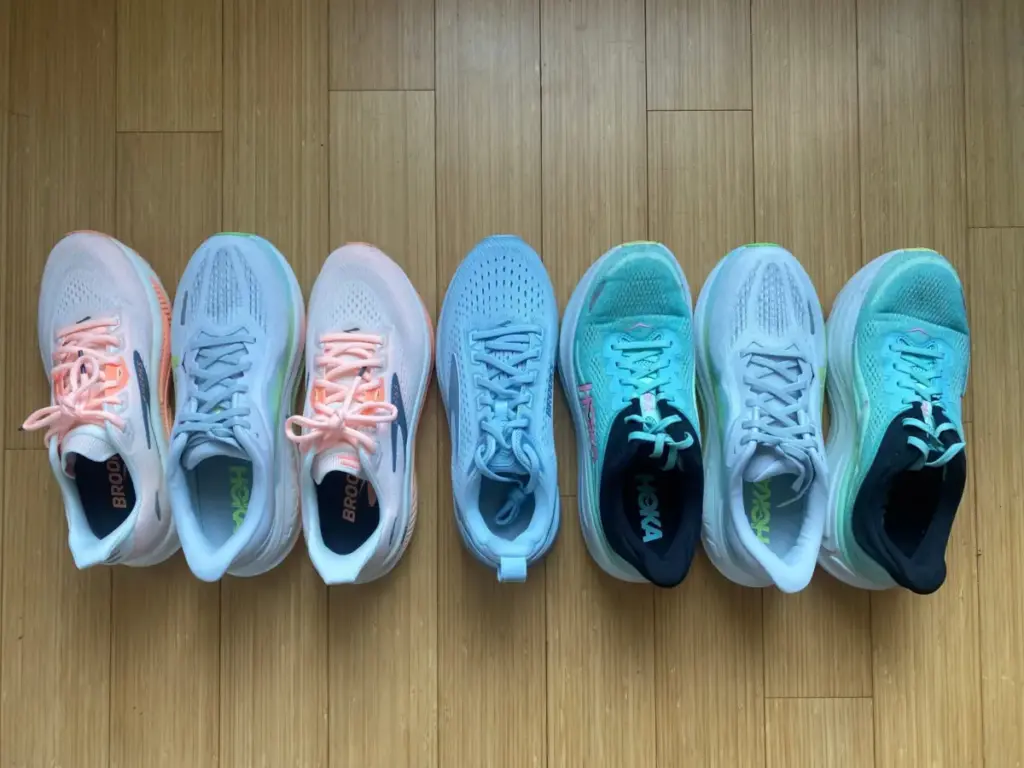
For runners, finding the right pair of shoes is rarely just a matter of walking into a sporting goods store and picking a colorway. It is a deeply personal, biomechanical, and financial decision that can mean the difference between setting a personal record (PR) and waking up with debilitating plantar fasciitis. When the cheering stops, the sponsored team contracts expire, and athletes are left to purchase their own gear, a massive question looms over the running community: Brooks or Hoka?

Both brands occupy a titan-like status in the modern running ecosystem. Backed by extensive engineering, stellar reputations, and numerous models certified by the American Podiatric Medical Association (APMA), choosing between them is rarely a mistake. Yet, they serve fundamentally different masters. Hoka burst onto the scene and disrupted the industry by introducing the world to maximalist, pillow-like cushioning, turning high-stack heights into a gold standard for endurance athletes. Brooks, conversely, has long operated as the quintessential athletic workhorse—delivering consistent, reliable performance, standard midsole thickness, and intuitive stability features like GuideRails.

As running science evolves and consumer demands shift toward specialized gear, the debate between Brooks and Hoka has only intensified. To clear the air, podiatrists, running coaches, and gear testers have analyzed the market. This comprehensive review breaks down how these two powerhouse brands stack up across every critical category, helping you choose the right partner for your training journey.

Detailed Chronology: From Niche Brands to Household Names
To understand why Brooks and Hoka command such fierce loyalty today, it helps to examine how both brands evolved into the market leaders they are now.

- The Heritage of Brooks: Founded in 1914, Brooks originally manufactured shoes for ballet and bathing slippers before pivoting to athletic footwear in the late 1970s. Over the decades, Brooks cemented itself in running culture through steadfast consistency. Rather than completely overhauling core models like the Ghost or Glycerin every year, Brooks focused on incremental, data-driven refinements. This reliability made it the go-to brand for cross-country teams, high school track programs, and marathon runners seeking dependable mileage-eaters.
- The Hoka Revolution: Founded in 2009 by former Salomon employees Jean-Luc Diard and Nicolas Mermoud, Hoka (originally Hoka One One) took a radically contrarian approach to running shoe design. At a time when minimalist, "barefoot" running shoes dominated the conversation, Hoka introduced oversized, maximalist midsoles designed to give runners extra cushioning and effortless descents on mountain trails. What started as a niche shoe for ultra-marathoners quickly captured the mainstream market, fundamentally altering consumer expectations of underfoot comfort and changing the structural landscape of the entire athletic footwear industry.
- The Modern Convergence: Today, both brands have expanded far beyond their original identities. Brooks has integrated advanced nitrogen-infused foams (like DNA FLASH v2) and carbon plates into its lineup, while Hoka has refined its geometry to offer lower-profile, highly responsive shoes (such as the Mach and Speedgoat series) that defy the "clunky maximalist" stereotype.
Supporting Context & Metrics: The Podiatric Perspective
Selecting a running shoe requires looking past marketing slogans and evaluating raw biomechanics. Podiatrists emphasize that runner anatomy should dictate shoe selection rather than brand loyalty.

"Hoka has really carved out a name for itself with its highly cushioned shoes," notes Dr. Melissa Lockwood, DPM, of Heartland Foot and Ankle Associates in Bloomington, Illinois. "That continues to be a big part of the appeal. Many runners love that feeling of having more cushioning between their foot and the ground, particularly if they are logging a lot of miles or spending long periods of time on their feet."

However, heavy cushioning isn’t a silver bullet for every runner. Dr. Richard H. Graves, DPM, of Sol Foot & Ankle Centers in Long Beach, California, points out that Brooks maintains a reputation as the industry’s tried-and-true workhorse. While Brooks models offer plenty of cushioning, their midsoles generally feature a more standard, stable thickness, backed by a commitment to consistency across annual product updates.

Dr. Suzanne C. Fuchs, DPM, of Luxe Podiatry in Jupiter, Florida, simplifies the decision-making process with a single rule of thumb: Think about the problem, not the brand. If you are injury-free, she advises focusing on your specific training goals—because the mechanical demands of trail running diverge sharply from speed work or recovery jogs.

Head-to-Head Category Breakdown
To help you navigate the crowded shelves, we evaluated flagship models from both Brooks and Hoka across five core performance categories.

1. Best Daily Trainer
The workhorse shoe handles your high-mileage weeks, easy recovery days, and occasional pick-ups. If your budget only allows for one pair, it should live here.

- Brooks Ghost 18 ($150): A neutral shoe that acts as the "Goldilocks" of daily trainers. It feels soft without being overly plush and offers support without feeling corrective. Featuring a built-in foam crash pad for smooth transitions and durable RoadTack rubber on the outsole, the Ghost 18 excels on wet pavement, dry roads, and light trails.
- Hoka Clifton Pro ($165): Distinct from the standard Clifton line, the Clifton Pro is a performance-oriented daily trainer featuring a pronounced rocker shape. It gently rolls you forward with each step, providing a subtle push on days when your legs feel heavy, all while maintaining a roomy toe box and signature Hoka cushioning.
2. Best for Walking
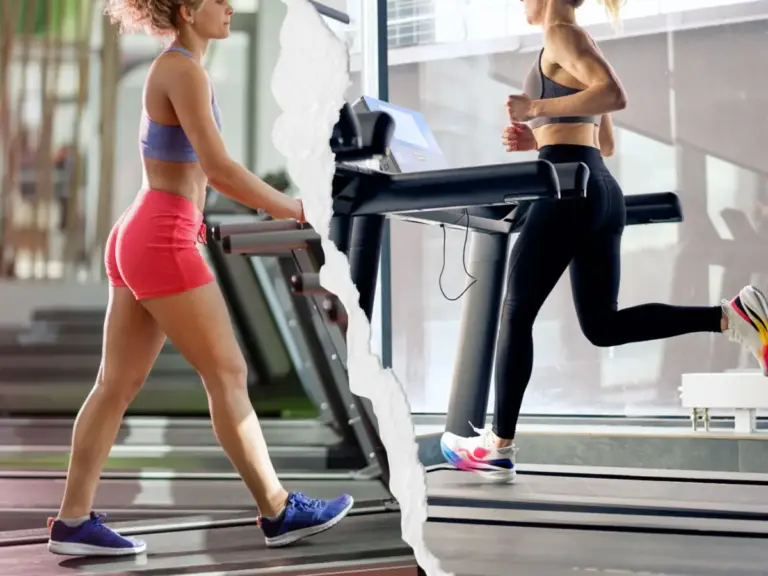
Walking shoes require robust support and balanced cushioning—too much padding can cause instability during low-impact strides.

- Brooks Ghost Max 4 ($165): Equipped with a rocker-bottom sole and Brooks’ signature GuideRails technology—which places firm foam on either side of the heel for a locked-in, stable feel—this model provides maximum comfort and lighter construction than its predecessors.
- Hoka Clifton 11 ($155): A massive favorite among both everyday walkers and runners. The Clifton 11 features a compression-molded EVA foam midsole that provides plush underfoot comfort, sleek aesthetics, and an ultra-smooth ride for all-day wear.
3. Best for Tempo Runs
Tempo and speed-work shoes must be lightweight, snappy, and responsive, offering strong energy return without feeling overly bouncy.

- Brooks Hyperion Max 4 ($200): A "super trainer" built with a bouncy midsole, a flexible nylon plate for a snappy feel, and an aggressive rocker geometry that makes picking up the pace feel seamless.
- Hoka Mach 7 ($122 – $130): Strikes a delicate balance between Hoka’s plush comfort and race-day speed. It scales back stack height slightly to prevent a sunken-in feeling, offering a grounded, responsive ride complemented by sticky rubber traction at the forefoot.
4. Best for Distance Runs
When racking up double-digit mileage, max cushioning and secure lockdown are non-negotiable to protect joints and prevent fatigue.

- Brooks Glycerin Max 2 ($205): One of Brooks’ most heavily cushioned neutral shoes, utilizing a GlideRoll rocker for effortless transitions. While slightly heavier due to the extra foam, the long-term joint comfort is well worth the gram count.
- Hoka Bondi 9 ($175): Hoka’s ultimate maximalist road runner. It features a wide, stable base and an exceptionally plush, cozy feel underfoot. It runs slightly large, making it as popular for post-run recovery walking as it is for long-haul marathons.
5. Best for Trails
Trail shoes require deeper lugs, aggressive toe caps, and protective elements to handle unpredictable, uneven terrain.

- Brooks Cascadia 20 ($160): Avoids the bulky, heavy build typical of many trail shoes. It features Vibram Megagrip traction, nitrogen-infused DNA FLASH v2 foam for energy return, and a sturdy toe cap to shield against rocks and roots.
- Hoka Speedgoat 7 ($165): A lower-profile trail shoe that keeps you closer to the ground for enhanced stability on technical terrain. It features a Vibram Megagrip outsole, a secure, locked-in upper, and gaiter compatibility for muddy conditions.
6. Best for Race Day
For chasing PRs, these elite-tier shoes demand ultralight construction, carbon-plated springiness, and aggressive energy return.

- Brooks Hyperion Elite 6 ($275): Weighing under 7 ounces, this race-day weapon features a redesigned carbon plate and a RapidRoll rocker for explosive forward propulsion. (Budget-conscious racers can look to the lighter, springier Brooks Ghost Amp for $150).
- Hoka Cielo X1 3.0 ($275 – $397): Combines massive cushioning with carbon-plated springiness, making it versatile enough for 5Ks and full marathons alike. (For a more accessible option, the Hoka Mach X 3 at $190 offers a snappy carbon plate at a lower price point).
Future Outlook: Where Athletic Footwear is Headed
The ongoing rivalry between Brooks and Hoka signals a broader evolution in the athletic footwear industry. As material science advances, the historical trade-off between maximal cushioning and lightweight responsiveness is rapidly disappearing. Brands are no longer forced to choose between protecting joints with thick foam and delivering snappy, race-day energy return.

Looking ahead, consumers can expect even greater personalization in shoe engineering, with innovations focusing on sustainable bio-based foams, customized 3D-printed mid-soles, and smarter integration of stability tech that adapts dynamically to individual gait patterns. Whether you ultimately pledge allegiance to Brooks’ reliable workhorse engineering or Hoka’s cloud-like maximalist philosophy, one thing is certain: your feet have never been in better hands.