Executive Overview
In the modern landscape of personal grooming, the pursuit of flawless manicures—ranging from intricate gel extensions to long-wearing acrylics—has never been more popular. Yet, beneath the glossy surfaces and vibrant colors lies an escalating issue that beauty enthusiasts and dermatologists alike are seeing more frequently: severe nail brittleness, peeling, and splitting. Far from being merely a cosmetic inconvenience, weakened nails can serve as an outward indicator of internal nutritional shifts, environmental stressors, and, most commonly, chemical trauma from frequent salon treatments.
To demystify the science of nail health, industry-leading manicurists, dermatologists, and formulation experts have collaborated to establish a comprehensive roadmap for nail recovery. This report explores the root causes of nail degradation, breaks down the distinct categories of nail strengtheners available on the market, analyzes essential ingredients to look for (and toxic pitfalls to avoid), and outlines proper application techniques. Furthermore, we evaluate insights gathered from rigorous testing protocols involving over two dozen topical treatments to provide an authoritative, evidence-based guide for anyone looking to reclaim strong, resilient, and healthy natural nails.
Detailed Chronology: Understanding the Lifecycle of Nail Damage and Repair
The journey of a human nail is a continuous process of growth, maturation, and exposure. Understanding how nails deteriorate over time—and how targeted treatments can reverse this damage—requires looking closely at the timeline of nail health, from daily wear and tear to recovery.
Phase 1: The Assault of Modern Maintenance
The degradation of the nail plate rarely happens overnight; it is typically cumulative.
- Day 1–7 (The Gel Polish Cycle): A client receives a fresh gel manicure. While the polish itself is inert, the preparation phase often involves light buffing, which thins the natural nail plate.
- Day 14–21 (The Removal Process): This is where the critical damage often occurs. Improper removal—such as picking, peeling, or aggressive scraping after an insufficient acetone soak—strips away the upper keratin layers of the nail plate.
- Ongoing Exposure: Daily habits compound this trauma. Frequent hand-washing, exposure to household detergents, and prolonged contact with water strip the natural lipid barrier from the nail bed, leaving it dehydrated, flexible to a fault, or conversely, brittle and prone to snapping.
Phase 2: The Intervention and Treatment Timeline
Once a dedicated nail strengthening regimen is introduced, recovery does not happen instantaneously, as nails grow at an average rate of only about 3 millimeters per month.
- Weeks 1–2 (Immediate Surface Relief): Upon cleansing the nails with soap, water, and isopropyl alcohol, the first applications of a targeted strengthener or conditioning oil begin to work. Hardening treatments form an immediate protective barrier against physical trauma, while moisturizing serums penetrate the nail plate to restore lost hydration.
- Weeks 3–4 (Noticeable Resilience): According to dermatological evaluations, consistent daily or weekly application begins to yield visible results by the end of the first month. Users typically report a significant reduction in peeling, catching, and edge-fraying.
- Months 2–3 (Full Plate Renewal): Because it takes roughly three to six months for a fingernail to grow completely out from cuticle to free edge, true structural transformation requires sustained, disciplined care. As the newly reinforced nail matrix grows outward, the historical damage is eventually clipped away, leaving entirely healthy, fortified nails in its wake.
Supporting Context & Metrics: The Anatomy of Weak Nails and Product Evaluation
To understand why certain treatments succeed where others fail, one must examine the underlying biology of the nail, alongside the empirical data gathered from extensive product testing.
The Anatomy of Brittleness
Nails are composed primarily of tough, fibrous protein known as keratin. Unlike skin, the nail plate is not living tissue; it cannot repair itself metabolically from the inside out once the cells have hardened. Instead, protection and conditioning must be applied topically.
When analyzing why nails fail, experts point to a delicate balance between moisture and structural integrity.
- Too Much Moisture: Overexposure to water causes the nail cells to swell and contract repeatedly, a process known as water-logging or delamination, which leads to splitting and peeling.
- Too Little Moisture: Environmental dryness, combined with dehydrating solvents like acetone, strips the natural oils embedded between the keratin layers, resulting in rigid, brittle nails that snap easily under minimal pressure.
Rigorous Testing Metrics
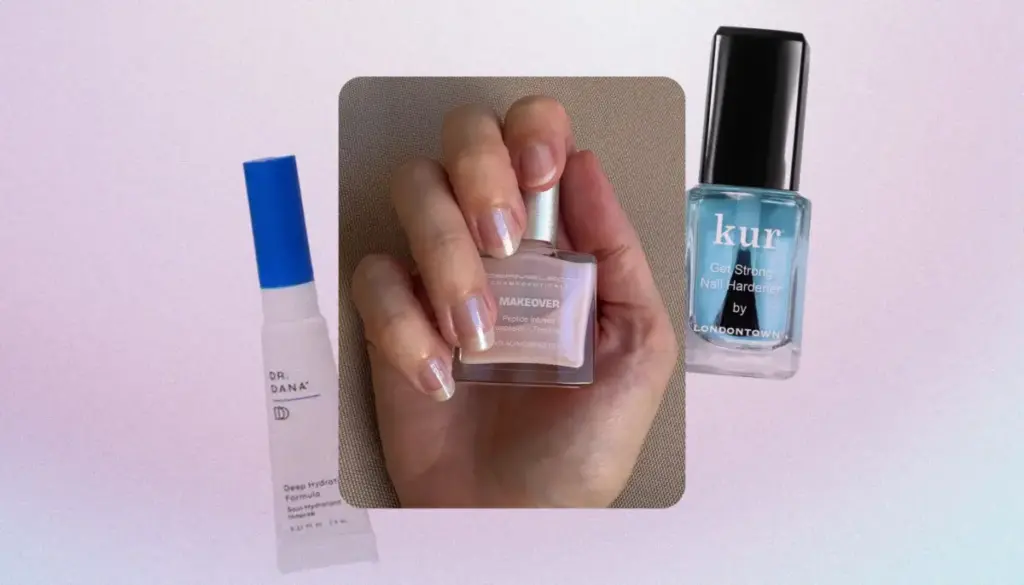
To cut through marketing claims, a recent comparative evaluation tested more than 20 distinct nail strengtheners over a multi-week trial period. Products were judged on a strict set of criteria:
- Delivery Mechanisms: Ranging from single-step polishes to complex multi-step restorative systems.
- Viscosity and Texture: How smoothly the formula applied and whether it left an unsightly or overly thick finish.
- Accessibility and User Experience: Clear instructions, drying time, and ease of removal.
- Therapeutic Efficacy: Measurable improvements in cracking, flaking, peeling, and overall flexibility.
The findings revealed a clear market divide: products that combined structural proteins (like keratin and peptides) with botanical conditioning agents consistently outperformed single-purpose hardening lacquers that lacked hydrating properties.
Official Statements: Insights from Industry Leaders and Dermatologists
Mitigating nail damage requires bridging the gap between aesthetic nail artistry and clinical dermatology. Leading professionals weigh in on the best practices for maintaining nail integrity.
The Root Causes of Weakness
Celebrity nail artist Tina Le emphasizes that while genetics, hormonal fluctuations, and nutritional deficiencies are foundational contributors to nail health, lifestyle factors are often the primary culprits.
"Frequent gel removal, acetone use, and prolonged exposure to water and detergents can weaken nails over time as well," Le notes.
Importantly, she reassures consumers that abandoning these cosmetic habits entirely is unnecessary: "That doesn’t mean you need to avoid those things altogether. Just be mindful of frequency, or counteract the damage with a nail-strengthening routine."
Choosing the Correct Category of Treatment
Los Angeles-based nail artist and esthetician Lori Banks highlights the dual nature of modern nail care products, dividing them into protective and conditioning categories.
"They provide a protective yet flexible film that helps reinforce the nail plate," Banks explains, noting that consumers must accurately diagnose their nail symptoms before purchasing a product.
For nails that bend and tear, hardening treatments are necessary. For those suffering from extreme dryness due to chemical exposure, rich oils and serums are paramount.
The Clinical Perspective on Ingredients
Dermatologists stress the importance of formulation safety. Dr. Magovern advises consumers to inspect ingredient labels closely:
"Look for formulations with proteins (like biotin and keratin) as well as vitamins (including A, C, and E) and minerals (like calcium)."
Conversely, Dr. Stern issues a strong caution regarding older, aggressive chemical formulas. She recommends avoiding treatments containing formaldehyde, formalin, or methylene glycol. While these ingredients offer a quick illusion of hardness by cross-linking proteins, they inevitably lead to long-term brittleness as the nail over-hardens and loses its natural elasticity. Instead, Dr. Stern champions nontoxic polishes labeled at least "3-free"—formulated without dibutyl phthalate, formaldehyde, and toluene.
Application Hygiene and Gel Maintenance
According to Pattie Yankee, celebrity manicurist and CEO of Pattie Yankee Products, proper preparation is non-negotiable for maximum product efficacy.
"Nails should be cleaned with soap and water prior to application," Yankee advises, recommending an additional swipe with isopropyl alcohol to purge lingering oils or residue before applying any strengthener.
Addressing the ongoing debate surrounding gel manicures, New York City-based expert nail artist Samantha Jade clarifies a common misconception:
"It’s actually improper gel removal that makes nails weaker, thinner, and damaged."
Jade strongly advises against the temptation to peel or pick off gel polish, a habit that strips away the top micro-layers of the natural nail plate and compromises its structural defense. Professional salon removal or patient, careful soaking is vital.
Future Outlook: The Evolution of Nail Care Science
As the beauty industry moves toward a more holistic, wellness-oriented approach, the future of nail strengtheners is poised for significant innovation. Consumers are increasingly rejecting harsh, quick-fix chemical hardeners in favor of biocompatible formulations that mimic the nail’s natural lipid and protein structures.
Looking ahead, we can expect several key trends to dominate the nail care sector:
- Advanced Biomimetics: The integration of lab-engineered peptides and vegan keratins that bond more seamlessly with human nail plates, offering targeted repair without brittleness.
- Microbiome-Friendly Formulations: Products designed to protect the periungual skin (the skin surrounding the nail) while treating the nail plate, acknowledging the skin-nail ecosystem as a unified entity.
- Personalized Diagnostics: At-home kits and digital skin-tech tools capable of analyzing individual moisture and protein deficits to prescribe custom-tailored strengthening regimens.
Ultimately, maintaining strong, beautiful nails is no longer just about masking damage with a layer of colored lacquer. By understanding the underlying biology of the nail plate, selecting treatments formulated with nourishing, non-toxic ingredients, and practicing gentle removal habits, consumers can achieve lasting nail resilience that stands up to the rigors of modern life.