In the rapidly evolving landscape of generative artificial intelligence, the intersection of technological capability and intellectual property rights has become a high-stakes battleground. This tension was thrust into sharp relief following a controversial marketing misstep by Suno, one of the most prominent—and polarizing—AI music generation platforms operating today.
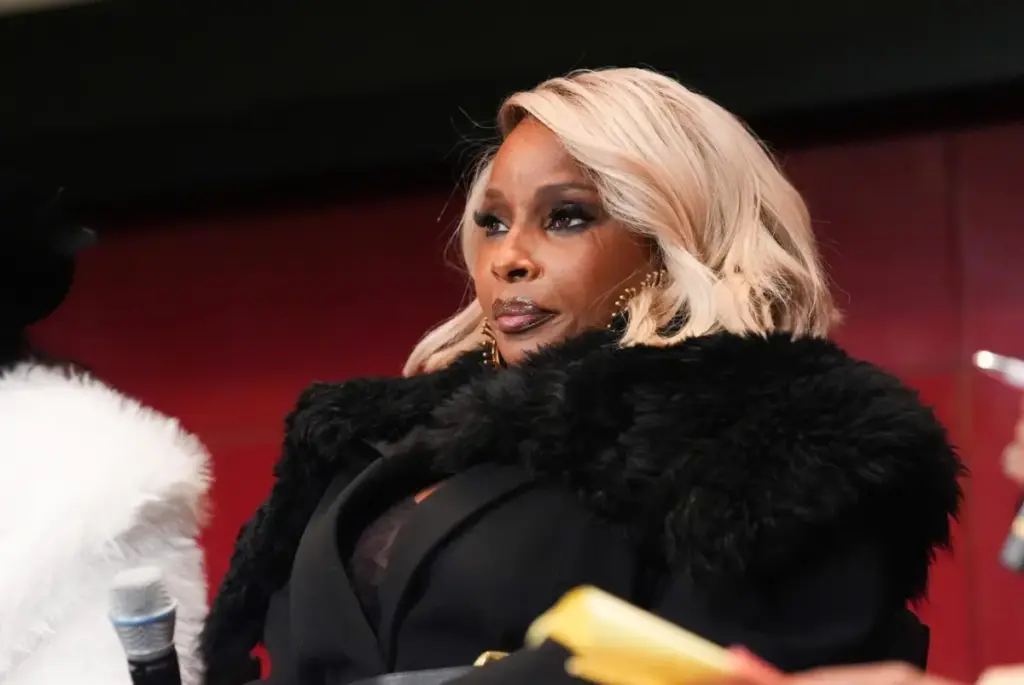
Suno was forced to abruptly pull a high-profile digital advertising campaign starring legendary, nine-time Grammy Award-winning singer-songwriter Mary J. Blige after discovering that the artist had never actually authorized her participation. The commercial, which surfaced in late August, featured Blige reviewing the platform’s capabilities with apparent curiosity, remarking on camera that the technology was "pretty dope" after initially admitting she did not understand what the developers were talking about.
The campaign’s release triggered an immediate and severe backlash from fans, industry professionals, and copyright advocates alike. Observers criticized Blige for seemingly lending her immense cultural capital to a startup embroiled in fierce legal battles over the unauthorized harvesting of copyrighted material. However, internal revelations quickly shifted the narrative from a questionable celebrity endorsement to an alarming breach of representation protocol.
According to an official statement released by Suno on Thursday, September 3, the company entered into a business agreement with an individual who fraudulently posed as Blige’s official representative. Once the startup realized the deception and understood the gravity of Blige’s discomfort, executives pulled the plug on the campaign entirely.
This incident exposes critical vulnerabilities in how emerging technology startups vet partnerships, secure talent, and navigate the volatile intersection of celebrity endorsement and disruptive artificial intelligence. Furthermore, the blunder lands at an exceptionally perilous legal moment for Suno, compounding an already mounting crisis of credibility and litigation surrounding its data-scraping practices and the exploitation of artists’ name, image, and likeness (NIL) rights.
Detailed Chronology of Events
The unfolding controversy surrounding Suno, Mary J. Blige, and the unauthorized advertisement developed across a rapid sequence of events in late August and early September, drawing intense scrutiny from across the entertainment and technology sectors.
Late August: The Unveiling of the Commercial
The controversy began when Suno published a promotional video across its digital channels. In the clip, Mary J. Blige is seated alongside individuals purported to be developers or producers, who demonstrate the platform’s music-generation capabilities. The video captured a candid moment of discovery from the iconic R&B artist.
"I just process, because I don’t know what the hell y’all talking about," Blige is heard saying in the clip. "So I like to learn what you talking about. Now, it’s like, ‘Ah, OK, this is pretty dope,’ if we could play with it more and learn more of everything else going on. It’s pretty dope."
While intended to position Suno as an accessible and artist-friendly tool that even music royalty could appreciate, the advertisement had the opposite effect. The video quickly escaped its original platform, circulating rapidly across X (formerly Twitter) and other social media networks, where it was met with immediate hostility and confusion.
The Immediate Backlash
Within hours of the ad’s release, the cultural blowback was palpable. Fans expressed profound disappointment, taking to social media to question why an artist of Blige’s stature—celebrated for decades of authentic, human-crafted musicianship—would endorse an artificial intelligence startup. The music community, already on high alert regarding the existential threats posed by generative AI tools, viewed the apparent partnership as a betrayal of core artistic values.
Music journalists and industry analysts swiftly published critical think pieces dissecting the collaboration. Critics highlighted the dissonance of a legendary vocalist supporting a platform that many in the industry view as a direct threat to the livelihoods of songwriters, producers, and performers.
September 3: Suno’s Official Clarification and Withdrawal
As public pressure mounted and questions poured into media outlets, Suno took definitive action. On Thursday, September 3, a company spokesperson issued a formal statement to Billboard, conceding that the endorsement was unauthorized and announcing the immediate termination of the campaign.
According to the startup, the entire venture was the result of bad-faith misrepresentation. Suno stated that it had executed a business deal with an individual who falsely claimed to be Blige’s official representative. Crucially, the company emphasized that as soon as executives learned the arrangement lacked Blige’s genuine consent and recognized her discomfort with the campaign, they acted swiftly to pull all associated advertisements.
Despite the blunder, Suno’s statement leaned heavily into praise for the artist, describing Blige as "an icon who we all deeply admire" and noting that she "hasn’t stopped innovating." The spokesperson concluded, "That’s why we wanted to work with her"—a sentiment that did little to quell the broader conversation regarding the startup’s operational oversight.
Supporting Context & Metrics: Suno’s Legal Minefield
The timing of the Mary J. Blige advertising fiasco could not have been worse for Suno. The company is currently fighting battles on multiple legal fronts, making the unauthorized use of a major celebrity’s likeness a disastrous compounding error.
A Wave of High-Profile Lawsuits
In the three days leading up to Suno’s retraction regarding Blige, Billboard reported on three separate, major legal actions filed against the AI music platform. These lawsuits strike at the very heart of Suno’s business model, challenging both its data-scraping practices and its exploitation of artist identities:
- Jason Isbell’s Class Action Lawsuit: Acclaimed singer-songwriter Jason Isbell filed a class-action lawsuit against Suno at the end of August. The legal complaint directly accuses the platform of violating artists’ right of publicity, specifically targeting the unauthorized exploitation of creators’ names, images, and likenesses (NIL).
- Gerencia 360 Music Infringement Claim: Independent record label Gerencia 360 Music filed a separate legal complaint alleging that Suno illegally utilized copyrighted sound recordings owned by the label to train its artificial intelligence models without authorization or compensation.
- Ongoing Copyright Scrutiny: These filings represent the latest escalations in a broader war between human rights holders and generative AI startups. Major record labels, publishers, and independent artists have increasingly united to challenge platforms that ingest copyrighted audio to generate competing content.
The Fair Use Defense Versus Creator Rights
Suno has consistently maintained that its method of training artificial intelligence models falls squarely within the bounds of copyright law’s "fair use" doctrine. The legal defense posits that analyzing existing copyrighted works to identify patterns, structures, and stylistic elements constitutes a transformative use that does not infringe upon the original creators’ exclusive rights.

However, this theoretical defense has faced intense skepticism from federal judges, legal scholars, and music industry executives. Critics argue that utilizing commercially released music to train a model designed to generate market substitutes is far from transformative; rather, it is a sophisticated form of wholesale misappropriation.
The addition of the Mary J. Blige incident introduces a dangerous human element to Suno’s corporate narrative. While copyright disputes often revolve around abstract legal definitions of data ingestion and machine learning, an unauthorized celebrity endorsement involves tangible deception, identity misrepresentation, and a direct breach of consumer and public trust.
Official Statements & Industry Perspectives
The fallout from the Suno-Blige controversy has prompted widespread commentary from industry stakeholders, legal experts, and public relations professionals.
In its statement to the press, Suno sought to distance itself from malicious intent, framing the debacle as an unfortunate victimisation by a fraudulent intermediary:
"We entered into a business deal with someone who presented themselves as Ms. Blige’s official representative. As soon as we learned this was not the case, and that Ms. Blige was uncomfortable, we terminated the advertising campaign."
The company attempted to balance its admission of error with high praise for the artist, noting:
"Ms. Blige is an icon who we all deeply admire and who hasn’t stopped innovating. That’s why we wanted to work with her."
Representatives for Mary J. Blige, contacted by Billboard for comment following the release of the video and subsequent statements, have maintained a measured silence regarding the fraudulent representative while making it clear that the artist never knowingly endorsed the platform.
Industry analysts have pointed out that this incident highlights a glaring deficiency in corporate governance and due diligence within the tech sector. High-end celebrity endorsements traditionally require rigorous vetting processes involving legal counsel, talent agencies, explicit contract negotiations, and direct sign-offs from the artist’s inner circle of management. For a prominent AI firm to bypass these standard verification protocols suggests a reckless rush to secure cultural validation in an industry deeply hostile to their product.
Future Outlook: Rebuilding Trust in an Era of Synthetic Media
As the dust settles on the Suno-Blige advertising scandal, the long-term implications for both the artificial intelligence startup and the broader entertainment industry are profound.
Heightened Scrutiny on Tech-Music Partnerships
For Suno, the incident serves as a severe public relations blow that threatens to alienate not only potential high-profile partners but also everyday consumers. In an ecosystem where trust is already severely eroded due to ongoing copyright litigation, a scandal involving fraudulent representation and unauthorized celebrity promotion confirms the worst fears of critics who view generative AI companies as reckless operators operating outside ethical boundaries.
Moving forward, tech startups venturing into the creative arts sector will face unprecedented scrutiny. Talent agencies and artist management firms are expected to implement stringent defensive measures to protect their clients’ names, images, and likenesses from unauthorized exploitation by AI developers. The days of casual outreach or informal negotiations are definitively over; every partnership will demand exhaustive cryptographic and legal verification.
Legal Ramifications of the Impostor Incident
Legal experts are currently evaluating whether Suno or the individual who posed as Blige’s representative could face further civil liability or criminal charges. Fraudulently entering into a binding commercial agreement under the guise of representing a major celebrity crosses the line from a corporate oversight into potential fraud and misrepresentation. If Blige’s legal team decides to pursue legal action against the perpetrators—or examine Suno’s due diligence failures—the fallout could extend far beyond the immediate termination of the ad campaign.
The Broader War Over AI and Artist Autonomy
Ultimately, the Suno-Blige controversy serves as a micro-cosm of the larger war currently being waged between the creative community and the artificial intelligence industry. As generative tools become more sophisticated, the lines between human expression and synthetic imitation are increasingly blurred, leading to heightened anxiety among creators.
Artists are no longer just fighting for compensation for their past works; they are fighting for control over their identities, their reputations, and their cultural legacies. The rapid-fire lawsuits filed by Jason Isbell, Gerencia 360 Music, and others demonstrate that creators are mobilizing aggressively to defend their rights. Meanwhile, Suno’s embarrassing stumble proves that even as AI platforms attempt to project an aura of inevitable technological progress, they remain acutely vulnerable to the foundational human errors of poor security, broken communication, and a disregard for professional boundaries.
As the legal battles march forward and the music industry watches closely, the lesson of the Suno-Blige debacle is stark: in the age of artificial intelligence, authenticity remains the most valuable—and fiercely guarded—currency in the world.