Executive Overview
The cinematic universe has officially cast its gaze upon the romantic, mist-veiled lagoons of Italy as the 2026 Venice Film Festival commences. As the oldest film festival in the world—and arguably the most visually dazzling—this year’s installment promises to redefine the boundaries of contemporary filmmaking while delivering an unprecedented masterclass in high-fashion diplomacy. The Lido is once again transformed into an epicenter of international prestige, where the historic Palazzo del Cinema hosts the premiere of some of the most anticipated motion pictures of the decade.
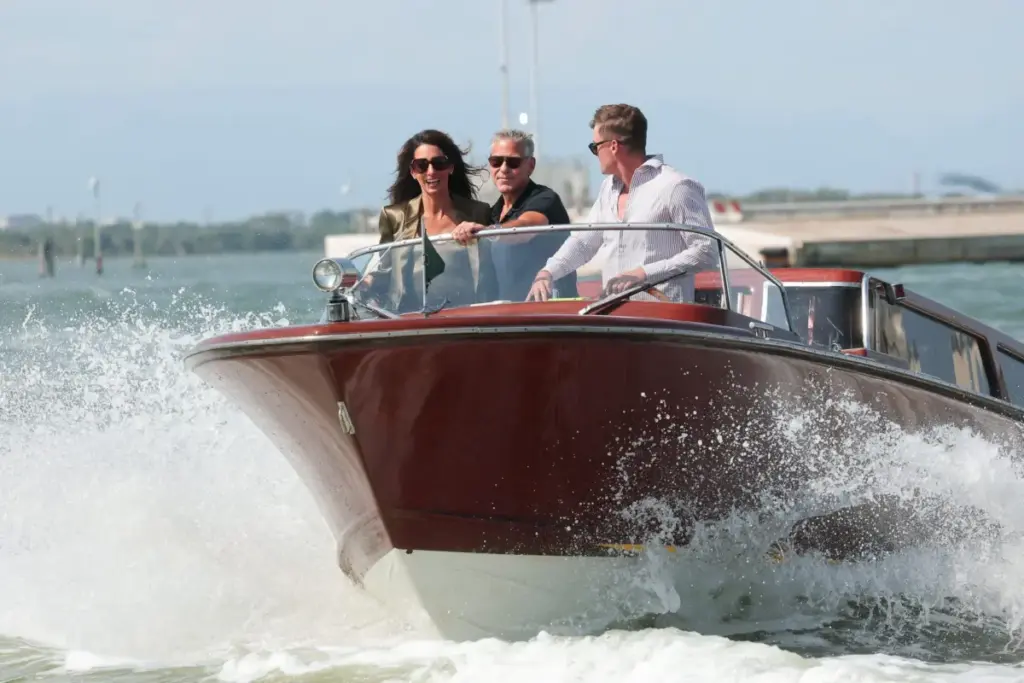
From the moment George and Amal Clooney made their customary, paparazzi-laden entrance via Venetian water taxi, the tone for the 2026 festival was set: timeless elegance met with razor-sharp artistic ambition. This year’s official selection boasts a glittering roster of auteurs and A-list performers, featuring heavyweight contenders directed by Martin McDonagh, Florian Zeller, and Lance Oppenheim. Moreover, the festival continues to cement its reputation as the premier global runway, bridging the gap between high-art cinema and avant-garde fashion houses eager to debut collections against the backdrop of the Adriatic Sea.
Beyond the cinematic projections, the 2026 edition serves as a poignant celebration of longevity and reinvention in the arts. Icons of the silver screen, including George Clooney and 93-year-old trailblazer Ellen Burstyn, are slated to receive the coveted Golden Lion for Lifetime Achievement. This exhaustive report provides a comprehensive, deep-dive analysis of the festival’s opening days, examining the star-studded lineup, the critical front-runners, the intersection of haute couture and the red carpet, and the broader cultural implications of the 2026 Venice showcase.
Detailed Chronology: The Grand Opening and Early Days
Arrival at the Lagoon: The Clooney Entrance and Industry Arrival
The festival’s preliminary days established an electric atmosphere that permeated the historic streets of Venice. True to tradition, the arrival of Hollywood royalty signaled the unofficial start of festival activities. George and Amal Clooney arrived in peak style aboard a sleek wooden water taxi, greeted by throngs of admirers and international media. The gesture was more than ceremonial; George Clooney stands among this year’s most celebrated honorees, set to receive the prestigious Golden Lion for Lifetime Achievement in recognition of his enduring impact both behind and in front of the camera.
Simultaneously, the vaporetto stations and hotel docks buzzed with the arrivals of an eclectic mix of Hollywood veterans and indie darlings. Actresses Dakota Johnson and Pamela Anderson touched down early, fueling intense speculation regarding their wardrobe choices for the evening galas. The palpable energy surrounding the Lido highlighted the post-pandemic resilience of the festival circuit, with Venice once again proving to be the preferred launchpad for autumn Oscar campaigns.
The Competition Slate Takes Center Stage
As the screenings officially got underway, critics and industry insiders immediately locked horns over the initial offerings of the competition slate. Martin McDonagh’s return to the festival circuit with Wild Horse Nine generated immediate Oscar buzz. The black comedy, characterized by McDonagh’s signature blend of razor-sharp dialogue and existential dread, premiered to a rapturous standing ovation inside the Sala Grande.
Equally buzzy was Florian Zeller’s Bunker, a searing marital drama pairing powerhouses Penélope Cruz and Javier Bardem on screen. Zeller, whose previous cinematic explorations of domestic and psychological landscapes (The Father, The Son) earned widespread critical acclaim, delivered a masterclass in tension and emotional claustrophobia. Critics hailed Cruz and Bardem’s performances as career-best work, immediately positioning Bunker as a front-runner for the festival’s highest honor, the Golden Lion.
Non-fiction and alternative narratives also found a prominent home in the early days of the schedule. Lance Oppenheim’s Primetime offered audiences a hypnotic, unsettling look into contemporary media consumption, while an unexpected biographical portrait led by Robert Pattinson—focusing on the complex psychological landscape of To Catch a Predator host Chris Hansen—sparked intense debate across digital film forums and trade publications alike.
Honoring Living Legends
A profound emotional peak of the early festival schedule was the celebration of cinematic longevity. Alongside George Clooney, the festival bestowed its highest accolades on nonagenarian icon Ellen Burstyn. At 93 years old, Burstyn’s presence in Venice was not merely honorary; she anchors two distinct, highly anticipated projects at this year’s festival: Kornél Mundruczó’s poignant drama Place to Be and Maggie Gyllenhaal’s daring Marilyn Monroe biopic, Flesh Impact. Burstyn’s dual appearance and enduring vitality served as a powerful reminder of cinema’s capacity to transcend generational divides, drawing a tearful, thunderous ovation from the assembled international press corps.
Supporting Context & Metrics: The Economics and Aesthetics of the Lido
The Red Carpet as a Global Economic Engine
While the artistic merits of the films form the beating heart of the Venice Film Festival, the red carpet operates as a multi-million-dollar economic and cultural engine. Historically, Venice has carved out a distinct niche that differentiates it from Cannes and the Oscars: it is an incubator for avant-garde fashion debuts and high-stakes style statements.
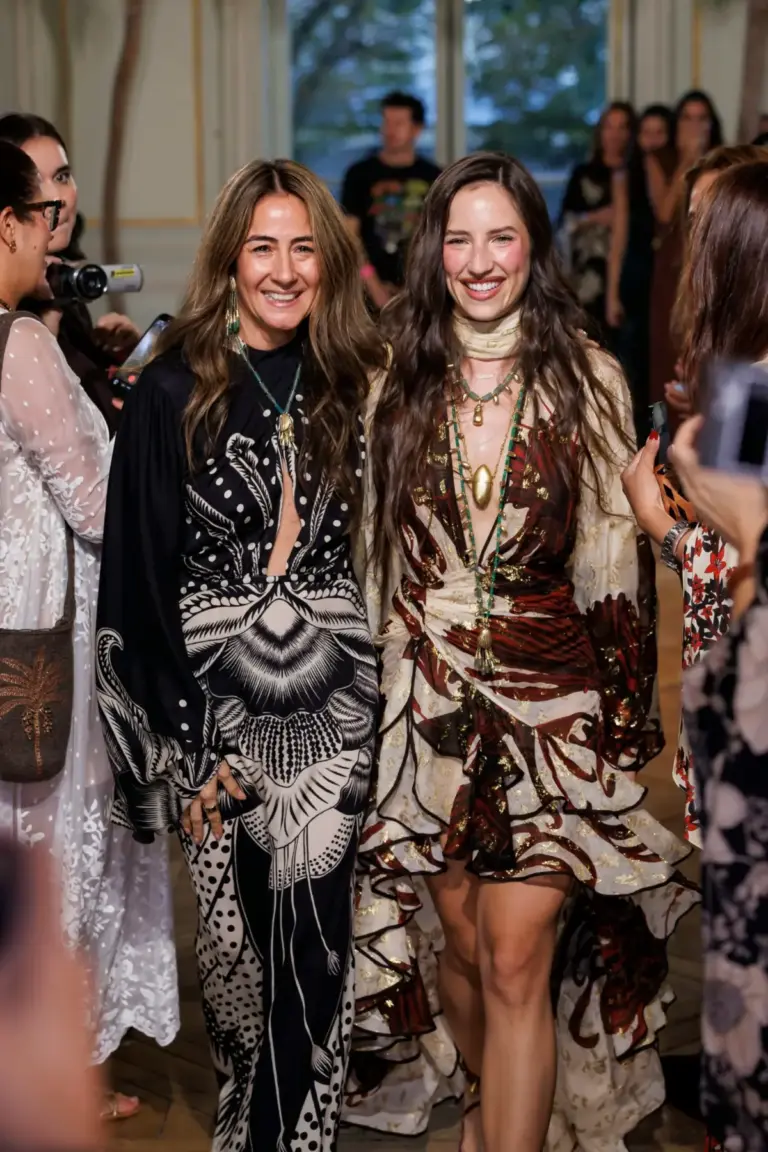
Industry analysts note that the promotional value generated by a single viral red-carpet moment at Venice can equate to tens of millions of dollars in earned media value (EMV) for luxury fashion houses. Last year’s festival provided the global fashion community with its very first, exclusive glimpses of new-era collections from historic houses like Chanel, Dior, Versace, and Bottega Veneta months before those garments ever touched a traditional Paris or Milan runway.
This symbiotic relationship between Hollywood talent and European haute couture reaches a fever pitch in Venice. The festival’s unique architectural setting—spanning historic palazzos, candlelit dinners on private islands, and the dramatic, flashbulb-lit steps of the Palazzo del Cinema—provides an unparalleled visual feast. Memorable historical touchstones, such as Lady Gaga’s ethereal feathered Valentino couture gown in 2018 and Zendaya’s gravity-defying, wet-look Balmain dress in 2021, have permanently enshrined the festival in the annals of fashion history.
The 2026 Style Narrative: Who is Wearing What
The 2026 edition is proving to be no exception to this legacy of style dominance. The preliminary days have already yielded a masterclass in sophisticated dressing. Amal Clooney set an impossibly high sartorial bar upon arrival in a masterfully tailored skirt suit, effortlessly blending corporate-chic structure with effortless Italian Riviera ease.
As the premieres progress, the guest list reads like a roll call of contemporary style icons. Actresses Dakota Johnson, Claire Foy, Susan Sarandon, Parker Posey, Phoebe Bridgers, and sisters Kate and Rooney Mara are injecting diverse aesthetic sensibilities into the step-and-repeat. Meanwhile, actors and cultural figures like Orlando Bloom and Stephen Graham are redefining menswear on the Lido, favoring relaxed tailoring, textured velvets, and unexpected color palettes over traditional black-tie constraints.
Demographic and Cultural Shifts in Festival Programming
Behind the glamour, the structural metrics of the 2026 Venice Film Festival reflect deliberate, ongoing efforts to modernize its programming. Under the curatorial vision of its leadership, the festival has steadily expanded its geopolitical and stylistic footprint. This year’s selection features a balanced distribution of international co-productions, reflecting a concerted effort to elevate voices from underrepresented cinematic regions. Furthermore, the inclusion of risk-taking, hybrid projects—such as Oppenheim’s Primetime and Gyllenhaal’s bold stylistic swings in Flesh Impact—demonstrates the festival’s willingness to embrace digital-age storytelling formats without abandoning the traditional theatrical experience.
Official Statements and Industry Discourse
The opening press conferences and executive roundtables at the 2026 Venice Film Festival offered profound insights into the state of the global film industry. Festival directors, award recipients, and A-list auteurs used their platforms to address the shifting paradigms of distribution, artistic freedom, and the enduring necessity of the cinematic experience.
In his emotional acceptance preamble prior to receiving his career retrospective, George Clooney addressed the changing landscape of film financing and exhibition:
"We are living in an era where algorithms try to dictate what stories are worth telling and how audiences should consume them. But cinema—true cinema—demands a shared breath in a dark room. It demands that we sit together, strangers and friends alike, and surrender to an illusion. Venice has always understood this sacred contract between the artist and the audience better than almost anywhere else in the world."
Director Martin McDonagh, speaking during the press luncheon for Wild Horse Nine, emphasized the creative autonomy afforded by the festival circuit:
"When you bring a film to Venice, you aren’t just screening a product for box-office returns; you are presenting a piece of your soul to the most rigorous, passionate cinephiles on Earth. The feedback here is immediate, unfiltered, and deeply informed by a profound love for the medium."
Meanwhile, the inclusion of veteran artists like Ellen Burstyn sparked crucial industry conversations regarding ageism and creative longevity in Hollywood. Burstyn addressed reporters with characteristic wit and grace, stating:
"People often ask me why I’m still working at 93, as if retirement is a gold watch we should all eagerly anticipate. The truth is, my curiosity about the human condition has only deepened with time. The stories I want to tell now are richer, more complex, and perhaps more urgent than the ones I told decades ago. I am deeply grateful to Venice for recognizing that art does not have an expiration date."
Fashion designers and brand ambassadors collaborating with the festival’s attendees also weighed in on the cultural weight of the Lido red carpet. Representatives from major luxury houses noted that the 2026 festival marks a pivotal transition toward sustainable, archival, and bespoke craftsmanship, with celebrities increasingly utilizing the global stage to champion eco-conscious fashion initiatives and vintage archival pieces over fast-paced seasonal trends.
Future Outlook: The Road to Oscar Night and Beyond
As the 2026 Venice Film Festival crosses its midpoint and races toward its climactic awards weekend, the ramifications of this year’s selections will reverberate across the global entertainment landscape for months to come. Venice has historically served as the definitive starting gun for the Academy Awards race, and the 2026 edition is positioned to be one of the most predictive in recent memory.
The Oscar Race Heats Up
Early critical consensus heavily favors Martin McDonagh’s Wild Horse Nine and Florian Zeller’s Bunker as major contenders in the upcoming major categories, including Best Picture, Best Director, and multiple acting nods for Penélope Cruz, Javier Bardem, and the film’s supporting players. Furthermore, the daring nature of Maggie Gyllenhaal’s Flesh Impact suggests that adventurous, biographical deconstructions will continue to find favor with academy voters seeking bold directorial visions.
The performance by Ellen Burstyn across two distinct features solidifies her position in the conversation for awards recognition, potentially setting historic precedents for longevity in competitive acting categories. Similarly, Robert Pattinson’s fearless commitment to challenging, unconventional character studies in his post-franchise career continues to earn him respect as one of the defining cinematic actors of his generation.
The Evolution of Festival Culture
Looking beyond the awards season, the 2026 festival highlights a broader transformation in how cultural events of this magnitude operate. The integration of high-fashion storytelling with prestige cinema is no longer viewed as a superficial distraction, but rather as an essential economic and cultural ecosystem that funds, promotes, and sustains global interest in independent and auteur-driven filmmaking. As streaming services and traditional studios continue to negotiate their respective roles in the distribution pipeline, festivals like Venice remain the unshakeable temples of physical, communal film culture.
Final Reflections from the Lido
When the Golden Lion trophies are finally distributed and the last water taxis ferry exhausted stars, directors, and critics away from the Venetian lagoon, the 2026 Venice Film Festival will be remembered as a triumphant convergence of legacy and innovation. It proved that despite global economic shifts and technological disruptions, the magnetic pull of great storytelling—enhanced by the timeless glamour of the red carpet—remains entirely undiminished.
For cinephiles and fashion lovers alike, the 2026 edition has set an extraordinarily high bar, offering a masterclass in how history, art, and style can harmoniously coexist on the world stage. As we look ahead to the remainder of the autumn festival circuit, the cinematic momentum generated in Venice will undoubtedly light the way.