Executive Overview
In a move that brilliantly bridges the gap between major league athletics, digital entertainment, and the booming literary phenomenon known as #BookTok, the Chicago Cubs are stepping up to the plate with an ambitious new venture. On September 4, the historic Major League Baseball franchise debuted Nine Innings To Love, a 17-episode vertical microdrama series distributed exclusively through the team’s official TikTok account.
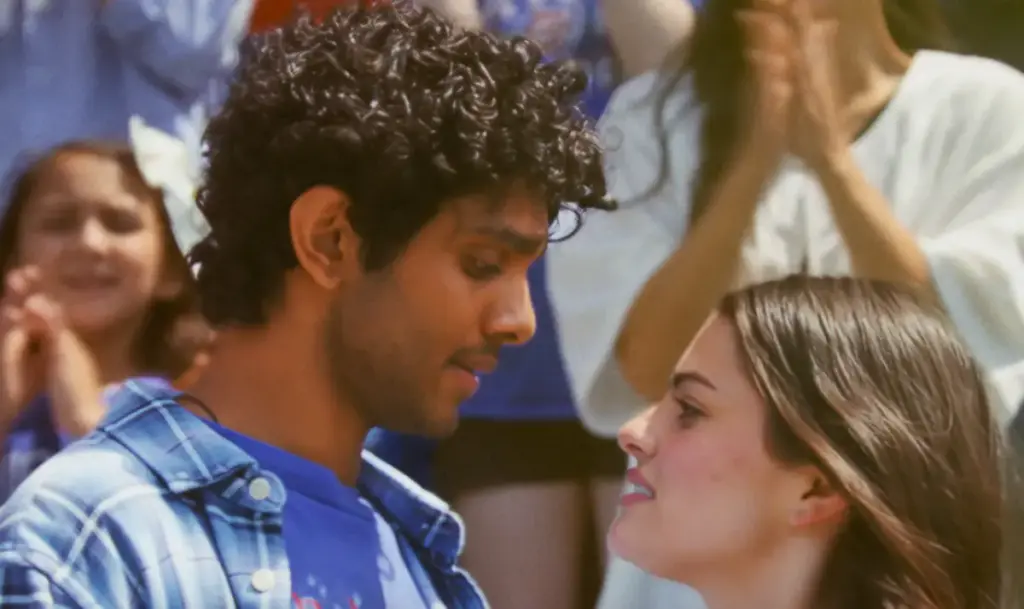
Set entirely within the legendary, sun-drenched confines of Wrigley Field’s historic Budweiser Bleachers, the narrative follows a classic "meet-cute" between characters Ava, played by Veronica Garrubbo, and David, portrayed by Sid Kutikkad. Unfolding over the course of a single, regulation baseball game, the series reimagines the iconic ballpark as a high-stakes, romantic comedy training ground.
While the project has naturally sparked good-natured ribbing across internet forums and social media for its unabashed embrace of romance tropes, it represents something far more significant than a viral marketing stunt. Nine Innings To Love sits squarely at the bleeding edge of two massive, high-yielding entertainment trends: the explosive popularity of sports romance media—exemplified by hit franchises like Tubi’s Sidelined—and the meteoric rise of the bite-sized microdrama format.
Produced entirely in-house by Cubs Productions with support from Coyote Sun Productions and directed by Adam Sobel, the series is a calculated gamble. It proves that professional sports organizations are no longer content merely broadcasting live games; they are evolving into fully-fledged digital entertainment studios capable of capturing the attention of Gen Z and Gen Alpha on the platforms where they spend the majority of their digital lives.
Detailed Chronology: From Bleacher Seat Inspiration to TikTok Reality
The genesis of Nine Innings To Love is rooted in the unique social architecture of Wrigley Field itself. Unlike traditional stadium setups with rigidly assigned seating tiers, the general admission policy of the Budweiser Bleachers fosters an unpredictable, communal atmosphere where strangers are forced shoulder-to-shoulder for nine innings.
According to director Adam Sobel, this democratic seating arrangement provided the structural spark for the narrative. "The inspiration for Nine Innings To Love came from a simple truth about the Wrigley Field Budweiser Bleachers: with general admission seating, you never know who might end up beside you," Sobel noted in an official statement. "That felt like the perfect starting point for a love story."
The Rollout and Production Pipeline
- Conception & Development: Recognizing the potential to engage younger, demographically diverse audiences who may not tune into a full three-hour baseball broadcast, the internal team at Cubs Productions began conceptualizing a narrative project in early 2026.
- Creative Assembly: The team tapped director Adam Sobel to helm the project, partnering with Coyote Sun Productions to ensure cinematic quality within the rapid-fire production timelines required for short-form digital content. Casting directors secured rising digital-native talents Veronica Garrubbo and Sid Kutikkad to bring Ava and David to life.
- The Announcement: In late August 2026, the Cubs dropped a teaser trailer on their official TikTok account (
@cubs). The announcement was explicitly tailored to internet culture, utilizing targeted hashtags like#booktok,#romance, and#verticals, immediately signaling to algorithmic feeds that this was not your grandfather’s baseball promotion. - Premiere: The 17-part vertical series officially premiered on September 4, rolling out on TikTok to capture the waning weeks of the MLB regular season and engaging fans through serialized, appointment-to-view digital storytelling.
Supporting Context & Metrics: The Convergence of Sports Romance and Microdramas
To understand why the Chicago Cubs are investing creative capital into a TikTok rom-com, one must examine the broader financial and cultural landscape of modern digital media. Nine Innings To Love is not an isolated experiment; it rides the crest of two distinct waves currently reshaping consumer habits.
The Sports Romance Boom
Over the past half-decade, sports romance has exploded from a niche subgenre into an absolute juggernaut across publishing and streaming. Fueled largely by communities like TikTok’s #BookTok, stories blending the high-adrenaline stakes of competitive athletics with emotional, slow-burn romantic tension have captured millions of dedicated readers and viewers.
This trend has successfully translated to the screen. On Tubi, for instance, the Noah Beck-led franchise Sidelined shattered expectations to become the AVOD (advertising-based video on demand) platform’s most-watched original content. By adopting this proven formula, the Cubs are explicitly courting an audience—particularly young women—that traditional sports marketing has historically struggled to deeply engage.
The Rise of the Microdrama
Simultaneously, the media landscape has experienced a seismic shift toward microdramas—rapidly paced, vertically formatted narrative series typically consumed on mobile devices. Designed for quick consumption during commutes, work breaks, or late-night scrolling sessions, these apps and formats have proven exceptionally lucrative.
By utilizing TikTok as their primary distribution channel rather than developing a standalone, paid app, the Cubs have bypassed the friction of user acquisition. They are meeting their audience directly on a platform where they already spend hours daily, leveraging TikTok’s recommendation algorithm to push narrative content into For You Pages (FYPs) nationwide.

Pro Sports as Media Powerhouses
The Chicago Cubs are merely the latest professional sports franchise to recognize that their primary competition is no longer just other teams in their league, but all of digital entertainment. In recent years, pro sports social media accounts have repeatedly proven their storytelling prowess. From the cinematic ingenuity of viral NFL schedule-release videos on YouTube to the emotional, highly polished championship celebration recaps produced by teams like the New York Knicks, sports organizations have transitioned into professional media companies. Nine Innings To Love is the logical next step in this evolution: moving away from reactive content creation and toward proactive, scripted intellectual property.
Official Statements and Industry Reactions
The announcement of a Major League Baseball team producing a fictional romantic comedy naturally generated a wide spectrum of industry commentary, ranging from enthusiastic praise for innovative marketing to lighthearted skepticism across social media.
Creative Vision
Adam Sobel’s rationale for the series highlights a growing understanding among marketers that modern fandom requires emotional hooks that extend beyond the box score. By framing the ballpark as a romantic crucible, the production team sought to humanize the stadium experience.
"With general admission seating, you never know who might end up beside you," Sobel reiterated. This element of chance—the serendipity of live attendance—serves as the emotional anchor for a series designed to make viewers view a routine summer ballgame through a completely different lens.
Public and Online Reception
As expected, the internet had plenty to say. The trailer’s unabashed use of popular #BookTok tropes—intense eye contact, witty banter over spilled drinks, and hyper-stylized slow-motion reaction shots—drew plenty of playful snark on platforms like Reddit (specifically within communities like r/popculturechat). Commenters questioned whether a legacy sports franchise was stretching its brand too thin by diving headfirst into cheesy romantic tropes.
However, media analysts quickly pointed out that cynicism is often a sign of effective engagement. In the attention economy, indifference is the true enemy of content. By sparking conversations across both sports forums and romance-focused digital communities, the Cubs successfully achieved crossover visibility that a standard promotional campaign could never buy.
Future Outlook: What Nine Innings To Love Means for the Future of Content
As the episodes of Nine Innings To Love continue to roll out on the @cubs TikTok handle, media executives, sports marketers, and digital creators will be watching closely. The success—or failure—of this experiment could establish a new playbook for how sports franchises, entertainment brands, and digital creators collaborate in the years to come.
Will Other Franchises Follow Suit?
If Nine Innings To Love successfully drives merchandise sales, ticket inquiries, and follower engagement, it is almost certain that other major sports leagues (the NFL, NBA, NHL, and MLS) will explore similar narrative formats. Imagine a multi-part enemies-to-lovers rom-com set during a crosstown hockey rivalry, or a high-stakes dramatic mini-series set against the backdrop of spring training. The potential for localized, team-branded narrative intellectual property is vast.
Bridging the Demographics Gap
Ultimately, the most profound takeaway from the Cubs’ TikTok rom-com is its demographic ambition. For decades, sports leagues have worried about aging fanbases and the decreasing attention spans of younger demographics. By packaging the romantic, experiential magic of attending a live baseball game into a format tailored explicitly for Gen Z and Gen Alpha, the Chicago Cubs are not just selling tickets to a ballgame—they are selling a fantasy.
Whether Nine Innings To Love goes down in history as a brilliant stroke of modern marketing or a charmingly ambitious misfire, one thing is certain: the way stories are told in sports has changed forever. As Ava and David find their happily-ever-after against the backdrop of a roaring Wrigley Field, the Cubs have proven that America’s pastime still has plenty of room for innovation.