Executive Overview
In the contemporary landscape of skin-care consumerism, the prevailing ethos often leans toward maximalism. Shelves are perpetually crowded with multi-step regimens, high-concentration acids, and luxury serums promising miraculous, overnight transformations. Yet, clinical reality paints a different picture. According to leading dermatological practitioners, achieving long-term skin health rarely requires an overwhelming 12-step routine or prohibitive financial investment. Instead, transformative results are frequently anchored in strategic, accessible micro-adjustments—small, highly targeted changes to daily hygiene, product layering, and ingredient selection.
This comprehensive guide consolidates ten foundational, expert-endorsed skin-care hacks. Designed to bridge the gap between clinical efficacy and everyday routines, these strategies dismantle common beauty myths—such as the fallacy of "training" your scalp—while offering precise, budget-friendly product recommendations. From optimizing anti-aging cornerstones to managing stubborn body acne and hyperpigmentation, these evidence-backed insights empower consumers to elevate their skin health systematically and sustainably.
Detailed Chronology: The Evolution of Modern Skin-Care Routines
To understand why modern dermatological advice emphasizes minimalist, highly functional adjustments over complex layering, one must examine the evolution of consumer skin care over the past three decades.
The Era of Over-Exfoliation (Late 1990s–2000s)
During the turn of the millennium, the market was flooded with physical scrubs and harsh, stripping cleansers. Consumers believed that "squeaky clean" skin equated to health. The industry saw a rise in compromised moisture barriers, chronic irritation, and exacerbated inflammatory conditions like rosacea and adult acne.

The Rise of Complex Serums and K-Beauty (2010s)
Influenced largely by Korean beauty philosophies, the Western market pivoted toward multi-step regimens. Consumers began layering essences, toners, ampoules, and multiple serums. While this era introduced valuable hydrating ingredients like hyaluronic acid into the mainstream, it also introduced "skin fatigue" and allergic contact dermatitis due to ingredient overload and incompatible layering.
The Contemporary Shift Toward Barrier Health and Micro-Targeting (Present Day)
Today, dermatologists and physician assistants (PAs) advocate for a paradigm shift: biological efficiency. Rather than adding more products, current clinical practice focuses on maximizing the delivery and compatibility of foundational powerhouses—such as retinoids, broad-spectrum sunscreens, and targeted acids—while extending clinical-grade thinking to neglected zones like the body, scalp, and lips.
Supporting Context & Metrics: Decoding the 10 Dermatological Strategies
1. Broadening the Scope: Medicated Cleansers for the Body
While active ingredients like ketoconazole and benzoyl peroxide are standard fixtures in facial care, their utility on the body remains underutilized. Fungal skin conditions—such as pityrosporum folliculitis (often mistaken for standard acne)—respond exceptionally well to antifungal washes.
- The Hack: Integrate a ketoconazole shampoo, such as Nizoral Anti-Dandruff Shampoo ($17), into your shower routine to double as a body wash for fungal concerns.
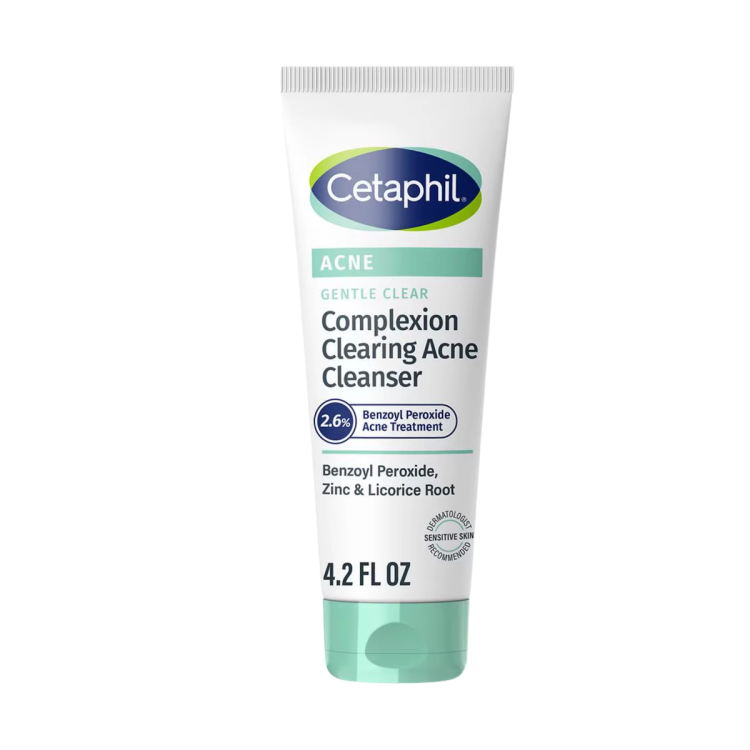
- Odor and Acne Control: For body odor and truncal acne, benzoyl peroxide cleansers like Cetaphil Gentle Clear Complexion-Clearing BPO Acne Cleanser ($16) help neutralize acne-causing bacteria at the source.
2. Mitigating Hyperpigmentation via Tinted Mineral Sunscreens
Standard chemical and non-tinted mineral sunscreens protect against ultraviolet (UV) radiation, but they often fall short when addressing stubborn hyperpigmentation, melasma, and dark spots. Visible light (particularly high-energy visible or HEV blue light from screens and sunlight) stimulates melanocytes, perpetuating pigment production.
- The Hack: Switch to a tinted sunscreen containing iron oxides. These mineral pigments act as a physical block against visible light.
- Product Pathways: Accessible drugstore options include Eucerin Sun Tinted Mineral Face Sunscreen SPF 35 ($19) and La Roche-Posay Anthelios Mineral Tinted Sunscreen SPF 40 ($43). For specialized or luxury alternatives, Oathology Inzincable Mineral Tinted Sunscreen SPF 50+ ($45) and ALASTIN HydraTint Pro Mineral Broad Spectrum Sunscreen SPF 36 ($84) offer advanced cosmetic elegance alongside clinical defense.
3. Engineering Precision Shaving to Prevent Ingrown Hairs
Folliculitis and pseudofolliculitis barbae (ingrown hairs) plague millions of individuals, frequently exacerbated by multi-blade razors that pull hair taut beneath the skin’s surface before cutting it.
- The Hack: Transition to a single-blade razor to minimize subsurface hair clipping. Combine this with targeted antibacterial cleansing in folliculitis-prone areas using benzoyl peroxide cleansers.
- Clinical Caution: While hospital-grade antiseptics like Hibiclens can assist with severe bacterial body breakouts, they must never be used on the face due to the risk of severe ocular and mucous membrane toxicity.
4. Mastering the Anti-Aging Trinity: Getting the Basics Right First
The anti-aging market is saturated with specialized peptides, growth factors, and exotic botanical extracts. However, clinical efficacy relies almost exclusively on three foundational pillars.
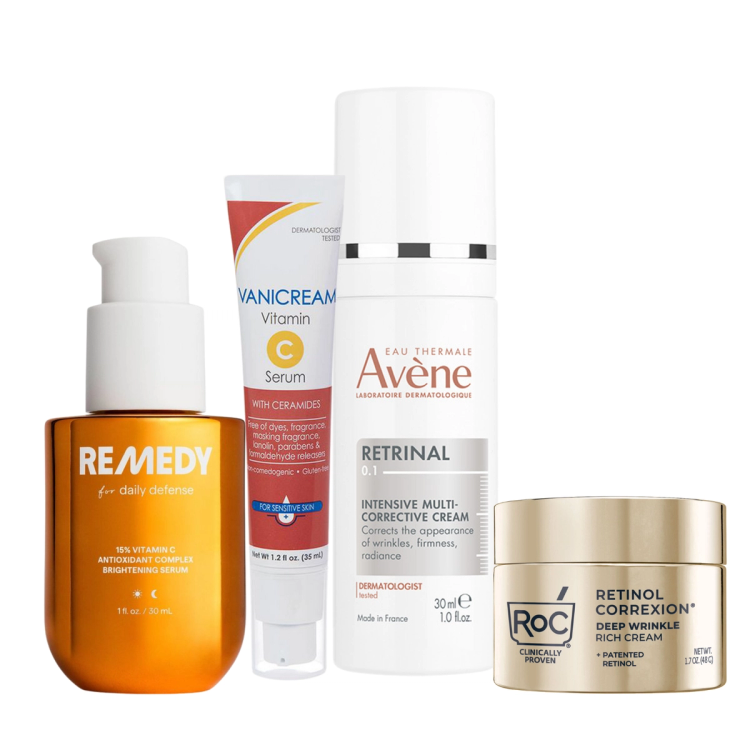
- The Protocol: Mornings require a broad-spectrum SPF 30+ paired with an antioxidant like vitamin C to neutralize free radicals. Evenings are dedicated to a retinoid to accelerate cellular turnover and stimulate collagen synthesis.
- Formulation Choices: For vitamin C, formulas like the Remedy 15% Vitamin C Complex Brightening Serum ($28) or the sensitive-skin-friendly Vanicream Vitamin C Serum ($20) provide stable antioxidant delivery. When introducing retinoids, options range from accessible OTC formulations by RoC to advanced clinical options like Avène RetrinAL 0.1 Intensive Multi-Corrective Cream ($68).
5. Targeted Exfoliation for Keratosis Pilaris and Rough Body Textures
Areas subject to mechanical friction and thick stratum corneum layers—specifically elbows, knees, and the backs of arms—frequently develop rough textures, follicular hyperkeratosis (chicken skin), and post-inflammatory hyperpigmentation.
- The Hack: Incorporate chemical keratolytics such as urea or lactic acid into body care regimens. These ingredients break down intercellular bonds within the outer layer of dead skin cells, encouraging gentle shedding and deep hydration.
- Recommended Formulations: AmLactin Daily Nourish 12% Lactic Acid Lotion ($16), Cetaphil Rough & Bumpy Daily Smoothing Moisturizer ($15), and Remedy for Body Bumps ($25) deliver balanced exfoliation without compromising the moisture barrier.
6. A Tri-Partite Approach to Pore Management
Enlarged or congested pores are a frequent aesthetic concern, yet physical manipulation (such as extraction strips) often leads to micro-tears and chronic inflammation. Effective pore management requires a triad of actions: clearing, restructuring, and shielding.
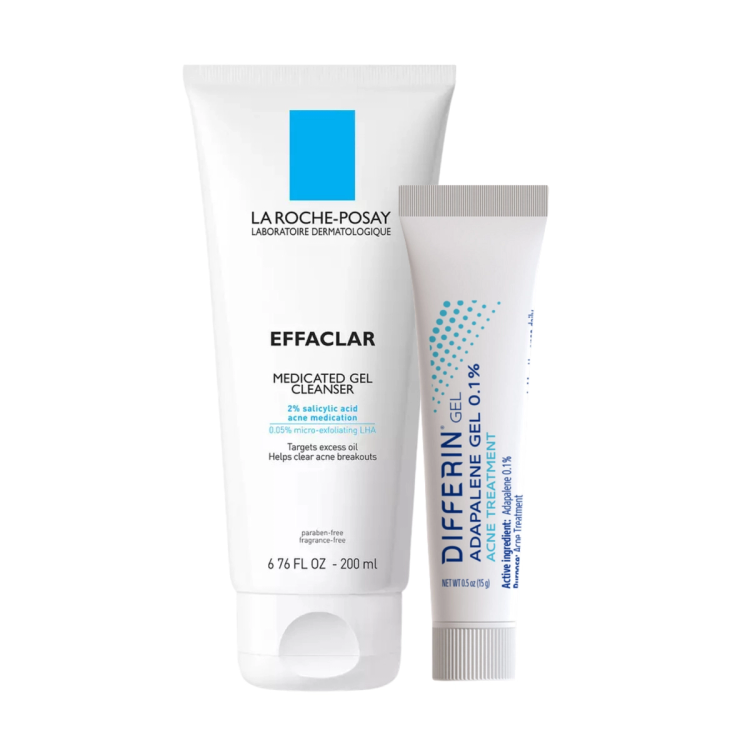
- Salicylic Acid: A beta-hydroxy acid (BHA) that is lipophilic, allowing it to penetrate deep inside the sebum-filled pore lining to dissolve cellular debris. (e.g., La Roche-Posay Effaclar Medicated Gel Cleanser, $19).
- Retinoids: Ingredients like Differin Adapalene Gel 0.1% ($15) normalize follicular keratinization and boost surrounding collagen support, making pore openings appear tighter.
- SPF: Daily UV protection prevents the degradation of collagen and elastin fibers in the dermal matrix, which otherwise causes pore walls to slacken and appear more prominent.
7. Strategic Barrier Shielding Against Retinoid Dermatitis
Retinoids remain the gold standard in dermatology, but initiation phases frequently involve peeling, erythema, and dryness—particularly around anatomically thin-skinned areas such as the nasal alar creases, lip margins, and periocular zones.
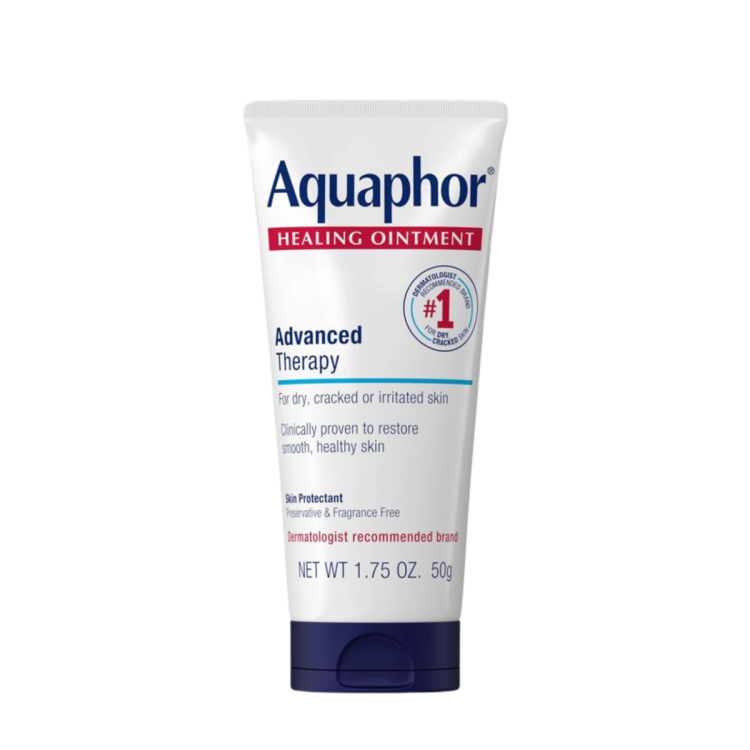
- The Hack: Practice "slugging" these sensitive perimeter zones proactively. Applying a thin layer of an occlusive ointment like Aquaphor Healing Ointment ($12) to the corners of the nose and lips prior to retinoid application creates a protective physical buffer, preventing retinoid migration and subsequent irritation.
8. Optimizing Transepidermal Water Loss (TEWL) via Damp-Skin Application
The skin barrier functions most efficiently when hydration is sealed in immediately following cleansing, capitalizing on residual surface moisture.
- The Hack: Apply moisturizers while the skin is still damp post-shower. For individuals who have already dried off, misting the skin with a thermal water spray—such as Avène Thermal Spring Water ($20)—prior to lotion application enhances humectant penetration.
- Barrier Repair Creams: Formulations designed to support compromised lipids, such as Avène Tolérance Control Soothing Skin Recovery Cream ($40) and Cetaphil Healthy Renew Night Cream ($20), lock in moisture effectively.
9. Multi-Layered Overnight Lip Restoration
The vermilion border of the lips lacks sebaceous glands and possesses a significantly thinner stratum corneum than facial skin, rendering it highly susceptible to environmental dehydration and chapping.
- The Hack: Layer your lip care. Apply a low-molecular-weight hydrating serum containing hyaluronic acid—such as Vichy Minéral 89 Hyaluronic Acid Face Serum ($30)—directly to the lips, then seal it immediately with an occlusive agent like Vaseline Original Healing Jelly ($8). This dual-action approach draws moisture into the tissue and traps it overnight.
10. Debunking the Scalp "Training" Myth
A pervasive wellness myth suggests that consumers can "train" their scalps to produce less oil by drastically reducing shampoo frequency. From a physiological standpoint, sebaceous gland output is regulated by hormonal and genetic factors, not mechanical washing frequency. Infrequent washing often leads to Malassezia overgrowth, seborrheic dermatitis, and follicular inflammation.
- The Hack: Maintain a balanced wash schedule, integrating a therapeutic salicylic acid shampoo once or twice weekly to gently exfoliate the scalp, dissolve lipid buildup, and manage sebum accumulation. Neutrogena T/Sal Therapeutic Shampoo ($9) serves as an accessible, clinically sound option for scalp health.
Official Statements & Clinical Consensus
Dermatological associations and practicing skin-care specialists increasingly emphasize that consumer education must pivot toward skin biology over marketing claims.
Dr. Elizabeth Chen, a board-certified dermatologist specializing in medical dermatology, notes:
"Patients often spend hundreds of dollars on complex serums while neglecting the fundamental architecture of their skin barrier. When we strip back the routine to high-efficacy basics—consistent photoprotection, controlled retinoid usage, and proper barrier support—we see exponential improvements in both clinical pathologies and aesthetic outcomes. Small, targeted adjustments consistently outperform random product accumulation."
Furthermore, clinical PAs specializing in procedural dermatology emphasize the cost-efficacy of these micro-adjustments. By utilizing multi-purpose over-the-counter medications (such as leveraging anti-dandruff shampoos for fungal body acne or utilizing petroleum jelly for occlusive sealing), patients achieve professional-grade results at a fraction of luxury retail costs.
Future Outlook: The Next Decade in Dermatological Care
As skin care continues to intersect with biotechnology and consumer science, the future will likely see even greater personalization of these micro-adjustments.
- Precision Microbiome Management: Future topical formulations will move beyond broad antimicrobial washes toward targeted pre- and probiotic interventions that selectively nurture beneficial cutaneous flora while suppressing acne- and folliculitis-inducing pathogens.
- Advanced Delivery Systems: The integration of encapsulation technologies will allow even budget-friendly retinoids and vitamin C derivatives to penetrate deeper layers with minimal irritation, rendering buffering techniques like petroleum jelly application increasingly obsolete for tolerant skin types.
- Environmental Adaptation: As climate volatility increases urban pollution and UV exposure indices, the demand for multifunctional hybrid products—such as tinted mineral sunscreens featuring anti-pollution polysaccharide shields—will become standard clinical prescriptions for mitigating premature photoaging and hyperpigmentation.
By anchoring daily regimens in these ten foundational strategies, consumers can navigate the noise of the modern beauty industry with confidence, ensuring optimal skin health, structural integrity, and physiological resilience for years to come.