Executive Overview
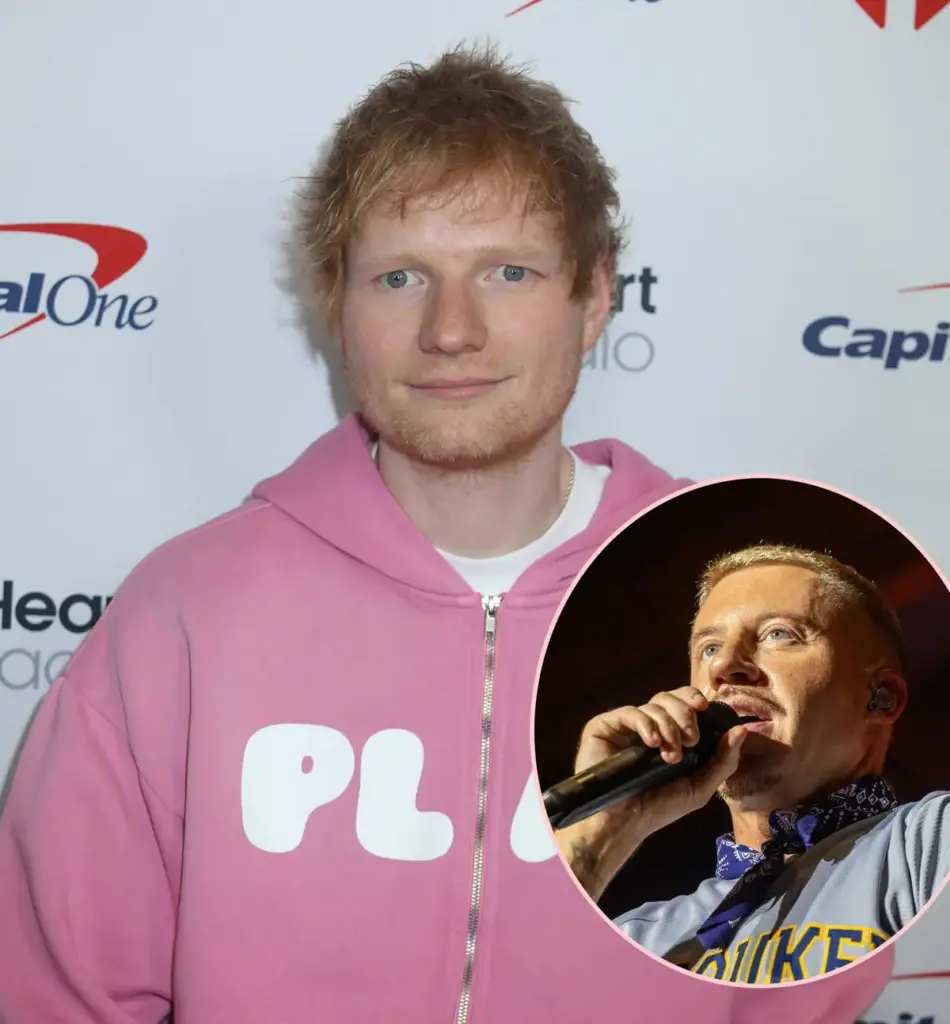
The live music industry experienced a high-profile collision between arena pop entertainment and global geopolitics following the formal removal of Seattle rapper Macklemore from global superstar Ed Sheeran’s ongoing Loop Tour. The separation stemmed from an on-stage pro-Palestinian demonstration by Macklemore during performance dates on September 4 and September 5 in New Jersey, which sparked swift pushback from venue operators, financial promoters, and prominent civic figures.
The fallout highlights the delicate balance modern touring artists must maintain between political expression, contractual obligations, and the expectations of diverse audiences. While Macklemore framed his dismissal as an instance of institutional suppression driven by high-profile corporate stakeholders—specifically referencing New England Patriots owner and Gillette Stadium operator Robert Kraft—Ed Sheeran subsequently issued a detailed public statement clarifying his position. Sheeran emphasized that the termination was ultimately executed by concert promoters due to venue Ultimatums, while defending his longstanding choice to keep his stage a non-political space for universal unity and family-friendly escapism.
This investigative analysis breaks down the event’s timeline, the underlying contractual and financial mechanics of global stadium tours, the full official statements from both artists, and the broader implications for political discourse within the live entertainment industry.
Detailed Chronology
[Sept 4-5] Macklemore performs pro-Palestinian demonstration in NJ
    │
    ▼
[Sept 6-7] Venue operators & promoters voice immediate opposition; cancellation threats issued
    │
    ▼
[Sept 8]   Formal announcement of Macklemore's removal from the 'Loop Tour'
    │
    ▼
[Sept 9]   Macklemore releases Instagram statement addressing dismissal & naming Robert Kraft
    │
    ▼
[Sept 10]  Ed Sheeran issues public rebuttal detailing promoter control, mediation efforts, & personal philosophy
The Inciting Incident: New Jersey Performances (September 4–5)
During the early September leg of Ed Sheeran’s Loop Tour at the MetLife Stadium complex in New Jersey, supporting act Macklemore utilized his stage time to deliver an impassioned public advocacy statement regarding the ongoing Israel-Hamas conflict. Displaying a Palestinian flag and addressing the crowd directly, the rapper uttered the slogan "Free Palestine" and condemned the humanitarian crisis and loss of civilian life in Gaza.
While political messaging has long been a element of Macklemore’s artistic identity, the high-visibility setting of a stadium pop tour amplified the immediate repercussions.
Corporate Escalation and Removal (September 6–8)
Within 48 hours of the New Jersey performances, management teams, regional promoters, and stadium ownership groups voiced strong opposition to the unsanctioned political messaging. Multiple venue operators slated for upcoming stops on the Loop Tour informed tour management that they would refuse to host the event if Macklemore remained on the bill. Facing catastrophic financial risks associated with potential venue cancellations, the primary tour promoters formally terminated Macklemore’s contract as an opening act.
Macklemore’s Public Response (September 9)
On Monday, September 9, Macklemore took to Instagram to issue a lengthy statement acknowledging his departure. While expressing personal respect for Sheeran as an artist, Macklemore criticized what he characterized as a corporate reflex toward public neutrality. He alleged that billionaire businessman Robert Kraft, owner of the New England Patriots and Gillette Stadium, played a decisive behind-the-scenes role in forcing his removal. Macklemore argued that remaining silent in the face of widespread destruction in Gaza constituted a moral failure, asserting that "there is no neutral position."
Ed Sheeran’s Clarification and Defense (September 10)
On Tuesday, September 10, Ed Sheeran broke his silence with an extensive counter-statement published across his official channels. Sheeran explicitly denied making the personal decision to drop Macklemore, revealing that he had spent the preceding week engaging in intense diplomacy with venue owners, promoters, human rights activists, and Robert Kraft directly to find a compromise. Sheeran clarified that because the opening act’s contract was held directly by the tour promoters—not by Sheeran himself—the final authority rested entirely with the promoters once venues issued firm ultimatums. Sheeran concluded by defending his decision to maintain an apolitical platform to protect his audience, which includes millions of young children and families.
Supporting Context & Metrics
To fully comprehend the mechanics behind this operational disruption, one must analyze the economic scale of modern stadium tours, the contractual realities governing supporting acts, and the influence of venue power brokers.
The Economics of the Loop Tour
Global stadium productions like Ed Sheeran’s Loop Tour represent monumental financial investments. A single cancelled stadium date can result in millions of dollars in losses spanning non-refundable venue deposits, staffing logistics, equipment transportation, ticketing refunds, and lost merchandise revenue.
| Tour Logistics Metric | Estimated Impact per Stadium Date |
|---|---|
| Average Ticket Sales Volume | 50,000 – 80,000 seats |
| Gross Ticket Revenue | $6,000,000 – $10,000,000+ |
| Local Venue Staff Impact | 1,000+ security, concession, & operational personnel |
| Contractual Structure | Opening acts contracted directly via Lead Promoter (e.g., AEG/Live Nation), not headliner personal LLCs |
Given these economic dependencies, venue owners hold substantial leverage over tour promoters. If a venue management company exercises a breach clause based on unapproved speech or potential security/brand concerns, the promoter is often forced to mitigate risk by altering the lineup rather than forfeiting the date.
The Role of Stakeholders: The Robert Kraft Connection
Macklemore’s explicit naming of Robert Kraft highlights the influence exerted by venue owners and corporate partners. Kraft, who owns Gillette Stadium in Foxborough, Massachusetts (a scheduled stop on the tour), is a prominent philanthropist who has directed substantial financial resources toward combating antisemitism and supporting Jewish causes globally through his Foundation to Combat Antisemitism.
When regional venue owners of Kraft’s stature expressed severe reservations regarding the manner in which Macklemore framed his on-stage messaging, tour promoters faced the real possibility of losing key North American dates.
┌─────────────────────────────────────────────────────────┐
│                    Venue Operators                      │
│        (e.g., Gillette Stadium / Robert Kraft)          │
└────────────────────────────┬────────────────────────────┘
                             │ Issues venue cancel threats
                             ▼
┌─────────────────────────────────────────────────────────┐
│                     Tour Promoters                      │
│            (Contract Holder for Openers)                │
└────────────────────────────┬────────────────────────────┘
                             │ Terminates support contract
                             ▼
┌─────────────────────────────────────────────────────────┐
│                     Supporting Act                      │
│                      (Macklemore)                       │
└─────────────────────────────────────────────────────────┘
Divergent Artistic Identities
The conflict also highlights a fundamental contrast in brand positioning between the two artists:
- Ed Sheeran: Operates as a universal, family-friendly pop artist whose brand is built on broad accessibility, escapism, and neutral diplomacy. His audience demographics skew heavily toward multi-generational families, including young children.
- Macklemore: Has historically operated with an activist hip-hop framework, frequently integrating progressive social and political commentary into his discography (e.g., "Same Love", "White Privilege", and his 2024 single "Hind’s Hall").
Official Statements
Both artists released long-form statements outlining their moral, professional, and operational perspectives on the situation.
Macklemore’s Statement
Writing via Instagram, Macklemore framed the dispute as a fundamental disagreement over the responsibility of artists during times of international crisis:
"Ed was in a fucked up position. He knew it. His typical apolitical stance was being challenged in a way it never had been before. He told me that the words ‘Free Palestine’ and the image of the Palestinian flag were hurtful to a lot of people he spoke with.
I told him that if those words were more offensive than tens of thousands of Palestinian children being killed by Israel, then there was a fundamental disconnect between where those people stood and where I stood. But he couldn’t get past his public facing, ‘I don’t take sides.’ And I get why people don’t. Taking a side can cost you.
There is no neutral position when it comes to what is happening in Palestine… refusing to take a side doesn’t leave you in the middle."
Macklemore further claimed that high-level pressure from venue operators left Sheeran’s team unable to buffer the political fallout, resulting in his termination by the overarching tour management.
Ed Sheeran’s Statement
Ed Sheeran responded with an extensive explanation of the contractual mechanics, his behind-the-scenes mediation efforts, and his artistic philosophy regarding public diplomacy:
"I am appalled by the conflict between Israel and Palestine. The suffering and pain caused on both sides is a human tragedy.
After Macklemore’s performances at my New Jersey shows, venues on my upcoming tour dates communicated that they would pull the shows if he was still supporting. I was informed that this stance was based on how Macklemore conveyed part of his message during his performance, rather than on everything that was said.
I spoke with the venues at length all week to try and build a bridge. One of those people was Robert Kraft. I was also involved in direct talks with promoters along with activists on both sides to try and find a mutual resolution for all, but the venue’s and promoter’s decision was final. Macklemore’s contract for the tour was with the promoter, not me."
Sheeran proceeded to address criticism regarding his public neutrality, emphasizing that a preference for non-confrontational advocacy should not be misconstrued as indifference:
"I am not complicit. I have my personal views on this devastating conflict. Just because I choose not to speak publicly, it doesn’t mean I don’t have them, and it doesn’t mean I don’t care… There is a reason I do not use my professional platform for politics — my audience includes young people, often children, of all backgrounds. Those who come to my shows do not expect a political forum.
While I respect Macklemore’s strength of purpose, there is room for multiple approaches to the same end: peace. I choose to use my fame and platform to be a place of safety and sanctuary, to maintain diplomacy and keep conversations open, not closed… I know who I am, both as a person and as an artist, and those who know my heart know my values too."
Future Outlook
The fallout from the Loop Tour serves as a case study for the live entertainment industry, signaling a potential shift in how contracts and political speech will be managed going forward.
       ┌────────────────────────────────────────────────────────┐
       │     IMPLICATIONS FOR THE LIVE MUSIC INDUSTRY           │
       └───────────────────────────┬────────────────────────────┘
                                   │
         ┌─────────────────────────┴─────────────────────────┐
         ▼                                                   ▼
┌─────────────────────────┐                         ┌─────────────────────────┐
│   Contractual Shifts    │                         │    Tour Management      │
│ Strict morality clauses │                         │ Increased separation of │
│  & political conduct    │                         │  opener / headliner     │
│   riders for openers    │                         │     political risk      │
└─────────────────────────┘                         └─────────────────────────┘
1. Hardening of Tour Contract Clauses
Promoters and venue conglomerates (such as Live Nation, AEG Presents, and independent stadium authorities) are likely to implement stricter "political conduct" and unapproved speech clauses within supporting artist contracts. Future performance agreements may explicitly grant promoters unilateral termination rights without financial penalty if an artist engages in unsanctioned political messaging that jeopardizes venue agreements or local permits.
2. Operational Separation of Headliners and Support Acts
Sheeran’s statement emphasized a crucial legal distinction that is often obscured from the public: supporting acts are frequently sub-contracted by the promoter, not the headlining individual. Moving forward, headlining management teams may require heightened vetting of opening acts’ live routines to prevent sudden operational disruptions mid-tour.
3. Impact on the Respective Artists
- Ed Sheeran: Sheeran’s quick clarification isolates his core brand from the dispute while re-establishing his concert environment as a safe, neutral venue for families. By detailing his extensive mediation efforts behind closed doors, he defended his personal integrity without alienating either side of his massive global consumer base.
- Macklemore: While losing the massive commercial visibility of a stadium tour support slot, Macklemore reinforces his reputation as an uncompromised, independent artist willing to sacrifice commercial gain for his political convictions. This development may further cement his standing among progressive activist networks and independent music circles, even as traditional corporate venues exercise greater caution regarding his bookings.