
Executive Overview
No one is born with an innate understanding of kinetic chains, biomechanical leverage, or optimal barbell paths. Every elite coach, seasoned personal trainer, and sports medicine specialist had to start from scratch, grappling with awkwardness, compromised posture, and frustrating plateaus during their early days in the weight room.
In the fitness industry, there is often an invisible wall between the polished execution of a seasoned professional and the clumsy attempts of a beginner. To bridge this gap, we investigated the foundational exercises that fitness experts struggled with most when they first picked up weights. By looking back with the refined perspective of years of anatomical study and practical coaching, these specialists reveal the exact mental cues, structural adjustments, and progressive pathways that helped them finally master movements that once baffled them.
At the center of this inquiry is the Romanian Deadlift (RDL)—a movement widely regarded as the cornerstone of posterior chain development and hip-hinging mechanics. According to Camden Wilson, a fitness specialist at Memorial Hermann’s Rockets Sports Medicine Institute, the RDL is not only one of the most notoriously difficult exercises for novices to master, but it was also one of his own personal stumbling blocks early in his fitness journey.
This article explores the anatomy of the hip hinge, why traditional coaching cues often fall short, the subtle biomechanical adjustments required to unlock movement mastery, and the exact regression exercises beginners can use to build a safer, stronger foundation.
Detailed Chronology: The Evolution of a Beginner Lifter
Understanding how to lift safely is a process of unlearning bad habits and rewiring the nervous system. When individuals first step into a gym, their movement patterns are heavily influenced by daily sedentary habits—primarily prolonged sitting, which leads to anterior pelvic tilt, tight hip flexors, and dormant glutes and hamstrings.

Phase 1: The Initial Encounter with the Barbell
For Camden Wilson and countless fitness aspirants, the journey into strength training begins with enthusiasm that far outpaces technical proficiency. When introduced to compound movements like the deadlift or RDL, the natural inclination is to treat the lift like a traditional squat or an unregulated bending motion.
In the early stages, the barbell feels unwieldy. The lifter’s primary concern is simply moving the weight from point A to point B, rather than understanding how the muscles are interacting to create force. This phase is characterized by:
- A lack of spatial awareness: Inability to feel where the torso and hips are in space without looking in a mirror.
- Premature loading: Adding weight too quickly to impress peers or ego, which immediately compromises joint alignment.
- Sensory disconnection: Failing to recognize which muscles—the hamstrings, glutes, or erector spinae—are actually performing the work.
Phase 2: The Breakdown of Form and the Squat Trap
As beginners attempt to learn the Romanian Deadlift, they almost universally make the same foundational error: they bend their knees too much.
Instead of executing a pure hip hinge—where the hips travel backward while the shin remains relatively vertical—novices turn the movement into a hybrid squat. This drastically reduces the stretch and load on the hamstrings, shifts the workload inefficiently to the quadriceps, and places unnecessary shear stress on the lower back.
Wilson notes that very few people nail a hip hinge on their first attempt. The neuromuscular pathways simply haven’t been established. The brain struggles to coordinate simultaneous actions: keeping the spine neutral, retracting the scapula, bracing the core, and driving the hips backward.

Phase 3: The Breakthrough—Shifting from Mechanics to Mindfulness
True mastery occurs when a lifter moves past the physical mechanics of an exercise and develops an internal dialogue of proprioception. For Wilson, the turning point in his RDL execution did not come from changing the weight on the bar or watching another generic instructional video. It came from a microscopic adjustment in foot pressure.
"I had to learn to have better foot pressure as I hinged," Wilson reveals. "This is one area most people are struggling with and not even realizing."
By shifting his focus from simply holding onto the bar to actively managing how his feet interacted with the floor—specifically pressing his big toe down to maintain a tripod foot stance—his entire posterior chain lit up. The hips began to track backward naturally, the lower back stopped overcompensating, and the RDL transformed from a hazardous chore into a fluid, highly effective powerhouse movement.
Supporting Context & Metrics: The Science of the Hip Hinge
To appreciate why movements like the Romanian Deadlift present such a steep learning curve, one must examine the biomechanics and the physiological role of the posterior chain.
The Anatomy of the Posterior Chain
The posterior chain encompasses all the muscles running down the backside of the human body, including the:
- Erector Spinae: Stabilize and protect the spinal column against flexion.
- Gluteus Maximus: The primary engine for hip extension and explosive power.
- Hamstrings (Biceps Femoris, Semitendinosus, Semimembranosus): Responsible for knee flexion and assisting in hip extension.
- Calves and Upper Back Musculature: Provide stabilization throughout heavy compound loads.
According to sports science literature, mastering the hip hinge is critical because it is a fundamental human movement pattern used not only in the gym, but in daily life—whether you are picking up a heavy grocery bag, lifting a toddler, or moving furniture. Failing to execute a hip hinge safely often leads to the dreaded "lower back strain," which occurs when individuals lift with a rounded lumbar spine instead of hinging from the acetabulum (hip socket).
Key Performance Metrics & Progression Standards
- Load Management: Beginners should ideally begin practicing the hip hinge with zero external load (bodyweight only), progressing to a PVC pipe or light wooden dowel, before ever touching a loaded barbell or dumbbell.
- Time Under Tension (TUT): An effective eccentric (lowering) phase for an RDL should take between 3 to 4 seconds. Rushing the descent eliminates the deep muscle stretch required for hypertrophy and strength gains.
- Range of Motion (ROM): The stopping point of an RDL is not defined by how low the weights can reach, but rather by where the hips stop moving backward. Once the hips stop traveling back, any further lowering of the bar is achieved by rounding the lower back—a major safety hazard.
Official Statements and Expert Insights
To gain a deeper understanding of Wilson’s philosophy on coaching and movement mastery, we turn to his professional background and insights shared directly from the field.
"There’s plenty of time to load the movement once we get the right pattern down,"
— Camden Wilson, Fitness Specialist at Memorial Hermann Rockets Sports Medicine Institute.
Wilson emphasizes patience and systematic regression over ego lifting. In a modern fitness culture saturated with fast-paced, heavy-weight transformations on social media, his advice serves as a vital counterweight: technical proficiency must always precede intensity.
About Our Expert: Camden Wilson
- Current Role: Fitness Specialist at the Memorial Hermann Rockets Sports Medicine Institute (Pearland location).
- Education: Holds a Bachelor of Science in Exercise and Sports Science, followed by a Master’s degree in Education of Sport and Wellness.
- Experience: Over a decade of professional experience specializing in strength and conditioning across both collegiate athletics and the private sector. His clinical and practical expertise centers on injury prevention, rehabilitation integration, and optimizing athletic performance.
Future Outlook: Alternative Exercises and Regression Pathways
For athletes and everyday gym-goers who find themselves struggling with the technical demands of the Romanian Deadlift, Wilson outlines two primary regression and alternative exercises. Utilizing gym machines allows newer lifters to safely isolate the target muscle groups, build raw strength, and familiarize their nervous systems with the required mechanics without the stabilization demands of free weights.
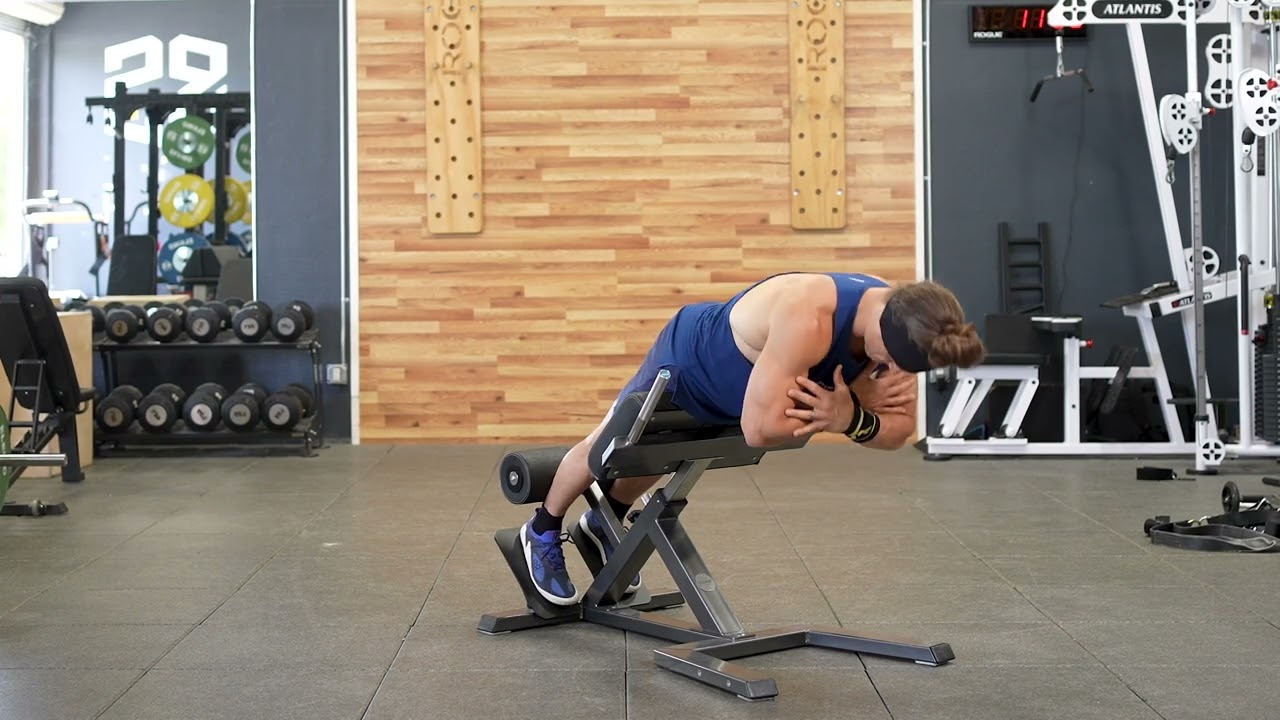
1. The 45° Back Extension
- Why it works: "A 45° back extension trains hip extension and posterior chain development," says Wilson. "Often, it can be easier for a newer lifter to execute than a full RDL."
- How to execute safely: Position yourself on the machine with the pad set just below your hip crease, allowing your torso to bend freely. Lower your upper body toward the floor while maintaining a neutral spine. Drive through your glutes and hamstrings to return to the starting position.
- Critical Form Tip: Avoid overextension at the top of the movement. Keep your legs and torso aligned in a straight line at peak contraction; hyperextending your lower back places undue stress on the lumbar vertebrae.
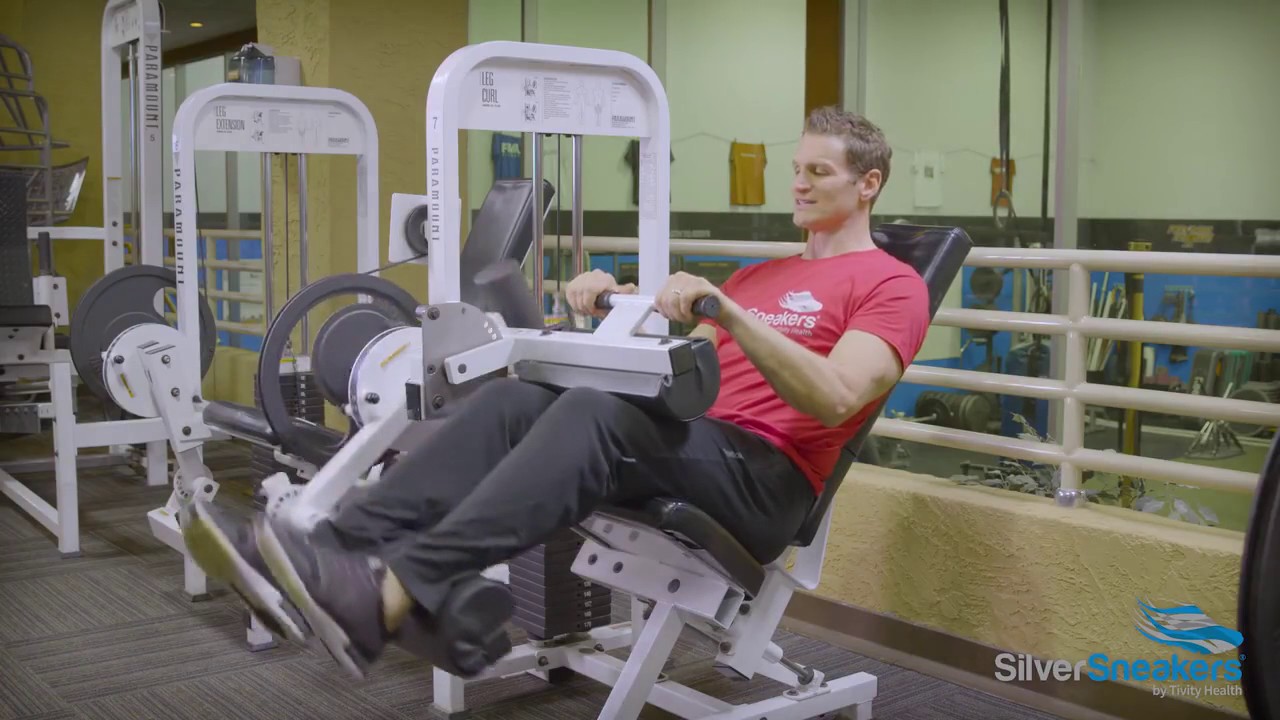
2. The Seated Hamstring Curl
- Why it works: "The seated hamstring curl will target many of the same hamstring muscles as an RDL and can be a great option for overall hamstring development," Wilson explains.
- How to execute safely: Sit down with the back pad adjusted so your knees align with the machine’s axis of rotation. Secure the lap pad snugly across your thighs. Curl the lever downward and backward by contracting your hamstrings through a full, controlled range of motion, then slowly return to the starting position.
- Integration Strategy: Use this machine as a finisher after compound movements, or as a foundational exercise to build mind-muscle connection in the hamstrings before advancing to free-weight hinge movements.
Conclusion: The Path Forward for Lifters of All Levels
Mastering complex exercises like the Romanian Deadlift is an iterative process. Frustration and initial awkwardness are not signs of inadequacy; they are universal milestones on the road to physical literacy.
By slowing down the tempo, prioritizing neurological pathways over heavy loads, focusing on foundational cues like total foot pressure, and utilizing smart regressions such as the 45° back extension and seated leg curl, anyone can transform their movement quality. As Camden Wilson’s journey proves, patience paired with expert biomechanical insight is the ultimate formula for lifelong strength, resilience, and injury-free training.