Executive Overview
For many, the winter months signal a dramatic shift in beauty and personal care routines. While fingernails often remain meticulously manicured, polished, and on display, toenails and feet are routinely relegated to a life of obscurity inside thick woolen socks and heavy winter boots. This out-of-sight, out-of-mind approach to foot care is a pervasive cultural habit, but according to dermatological experts, it is also a recipe for long-term nail damage, painful infections, and stubborn skin conditions.
In this comprehensive investigative report, we examine the science of foot and nail health during the colder months, challenge conventional salon practices, and outline a medically backed routine for maintaining pristine feet year-round. Featuring exclusive insights from Dr. Dana Stern, a board-certified dermatologist and globally recognized specialist in nail health, this article explores why our feet demand just as much attention as our hands—and why traditional spa pedicures might be doing more harm than good.
Detailed Chronology: The Lifecycle of Winter Foot Neglect
To understand how easily foot health deteriorates during the winter, we must trace the typical timeline of seasonal neglect.
Phase 1: The Transition to Closed-End Footwear (Late Autumn)
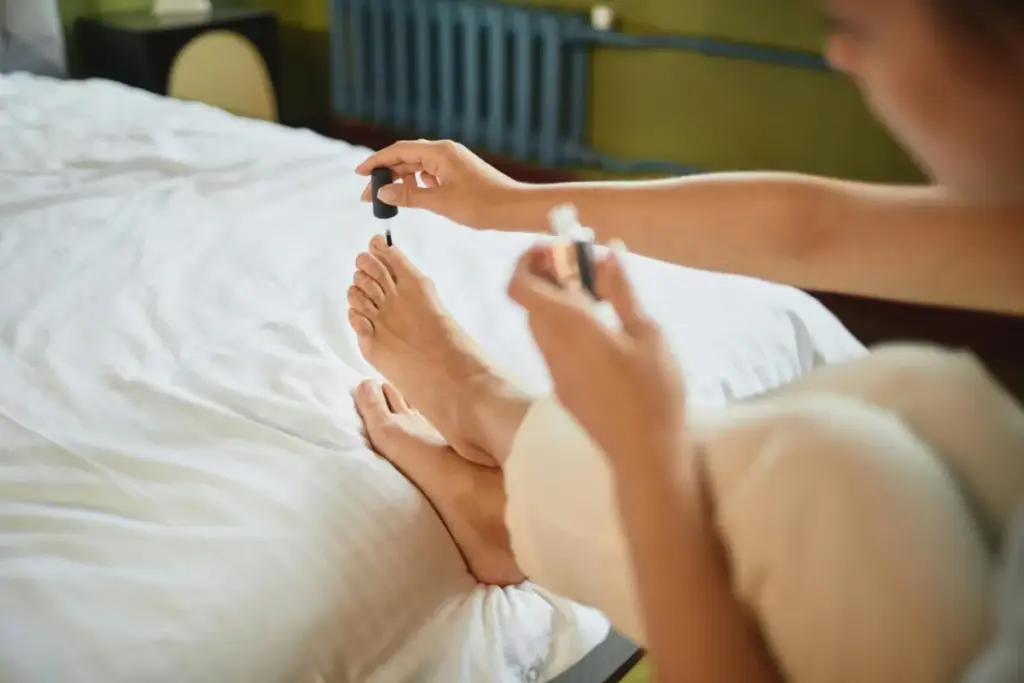
As temperatures plummet, sandals and open-toed shoes are packed away. Simultaneously, individuals swap out their regular foot maintenance routines for passive concealment. Because the feet are no longer visible to the outside world, the psychological motivation to maintain a fresh pedicure plummets. Nail polish is left on far longer than recommended, and the frequency of moisturizing drops off sharply.
Phase 2: Prolonged Polish and Keratin Granulation (Mid-Winter)
By December and January, a single application of nail polish applied hastily before an indoor workout may remain on the toenails for four to six weeks—or even longer. According to Dr. Dana Stern, this prolonged occlusion is a primary driver of nail surface damage.
When polish is left on the nail plate for extended periods, it traps moisture and blocks the natural exchange of air and nutrients. More critically, when the polish is finally removed, it often strips away the superficial layers of nail cells, leading to a condition known as keratin granulation. These manifest as chalky, white, rough patches on the surface of the toenails. While they can occur on the hands, they are exponentially more common on the toes due to the tendency to leave pedicures untouched for months at a time.
Phase 3: The Threat of Paronychia and Winter Dryness (Deep Winter)
As indoor heating strips ambient humidity from the air, the skin around the toes and nail beds becomes brittle. The dry winter air frequently causes hangnails—small, torn pieces of skin adjacent to the nail fold.
In a rush or out of habit, individuals often pull or bite these hangnails off. This creates microscopic tears in the delicate skin barrier, allowing bacteria to infiltrate the wound. The result is acute paronychia: a painful, swollen, erythematous (reddened), and often pus-filled bacterial infection that frequently requires medical drainage and systemic antibiotic intervention. Dermatologists report a significant spike in these painful infections during the winter months precisely because hangnails are mishandled and cuticles are left unhydrated.
Supporting Context & Metrics: The Biological Realities of Our Feet
Feet are vastly different from the skin on our faces or hands, both structurally and environmentally. Understanding these differences is crucial for effective maintenance.
The Sweat and Microbe Paradox
A common misconception is that because feet are trapped in socks and shoes all day, they do not require deliberate washing under the shower stream. Many people rely on the "run-off" method—letting soapy water trickle down their legs and hoping it cleans their soles and toe webs autonomously.
Dr. Stern emphasizes that this is a critical misstep. The feet possess unique physiological properties that set them apart from the rest of the body. They contain a high concentration of sweat glands and are subjected to constant darkness, warmth, and moisture—creating the ultimate micro-habitat for microbial proliferation, fungi, and the bacteria responsible for bromodosis (foot odor). Thorough, deliberate cleansing of the soles and interdigital spaces is non-negotiable, particularly in winter when heavy footwear traps perspiration against the skin.
The Nail as a Sponge
Another vital metric in nail health is permeability. Scientific studies reveal that the nail plate is remarkably porous—absorbing water at a rate 1,000 times faster than human skin.
When feet are submerged in traditional foot baths during a spa pedicure, the nail cells act like microscopic sponges, swelling as they absorb water. Once the feet are removed from the water, these cells contract back to their normal size. If the nails have been polished immediately before or after this expansion and contraction cycle, the shifting cellular structure places immense mechanical stress on the polish, leading to premature cracking, chipping, and lifting.
Official Statements and Expert Guidance: The Dr. Dana Protocol
To combat the pitfalls of seasonal foot neglect, Dr. Dana Stern advocates for a radical restructuring of how we approach pedicures and at-home maintenance. Here are the core pillars of her professional guidance:
1. Ditch the Traditional Spa Pedicure in Favor of the "Dry Pedicure"
Traditional pedicures involving whirlpool foot baths and prolonged soaking are increasingly viewed with skepticism by dermatologists.
- The Infection Risk: Foot basins and jets are notoriously difficult to sterilize completely between clients. Biofilms, bacteria, fungi, and viruses can lurk in the internal plumbing of these chairs, posing a significant risk of microbial transmission, particularly for individuals with micro-abrasions on their skin.
- The Moisture Factor: Because nails absorb water so rapidly, soaking them compromises the longevity of any subsequent polish application. A "dry pedicure"—performed without soaking the feet—eliminates the swelling-and-contraction cycle, ensuring that nail polish or treatments adhere far more effectively and last significantly longer.
2. Implement the Three-Week Polish Rule
To prevent keratin granulation and structural compromise of the nail plate, never leave nail polish on your toenails for longer than three to four weeks. Setting a calendar reminder to remove polish with an acetone-free remover every three weeks ensures that the nail plate breathes and remains free of chalky surface deterioration. Furthermore, taking strategic breaks from gel pedicures allows the natural nail to recover its structural integrity.
3. Target Thick Skin with Urea-Based Formulations
The skin on the soles of the feet is significantly thicker than anywhere else on the body, meaning standard body lotions often fail to penetrate effectively. To combat the rough, calloused skin caused by friction and winter dryness, Dr. Stern recommends moisturizers containing urea.
- How Urea Works: Urea is a potent keratolytic agent. It dissolves the intercellular matrix of the stratum corneum (the outermost layer of the epidermis), allowing dead skin cells to slough off naturally and efficiently.
- Prevention of Calluses: By regularly applying a 10% urea cream (such as the Eucerin UreaRepair PLUS Lotion 10% or The Inkey List SuperSolutions 10% Urea Moisturizer), you not only hydrate the deep layers of the skin but actively prevent the excessive buildup of hard, friction-induced calluses without aggressive physical scraping.
4. Nourish the Cuticles with Specialized Oils
Just as facial oils protect the skin barrier, dedicated cuticle oils (such as organic formulas containing nourishing botanical oils) are essential for preventing the painful winter hangnails that lead to paronychia. Massaging a drop of oil into the nail folds daily keeps the skin supple, elastic, and resilient against the drying effects of cold weather and indoor heating.
Future Outlook: The Evolution of Mindful Foot Care
As consumer awareness shifts from purely aesthetic beauty routines toward holistic wellness and dermatological health, the future of foot care is moving away from passive concealment and risky salon habits.
The modern approach to foot maintenance bridges the gap between clinical dermatology and self-care. Rather than treating pedicures as a seasonal luxury reserved strictly for sandal weather, beauty experts and dermatologists advocate for a consistent, low-maintenance year-round protocol. By treating the feet with the same biological respect given to the face and hands—prioritizing dry maintenance, rigorous daily hygiene, targeted chemical exfoliation with urea, and strict adherence to polish removal timelines—individuals can eradicate painful winter infections, eliminate stubborn calluses, and ensure that their feet remain healthy, resilient, and beautiful 365 days a year.