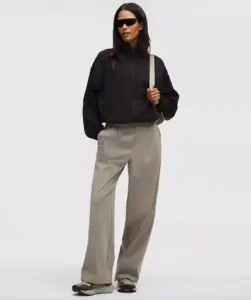
The retail landscape is experiencing a profound metamorphosis, characterized by an unexpected cultural and commercial phenomenon: the mall renaissance. Long prematurely eulogized by retail analysts and digital-first evangelists who predicted the absolute death of brick-and-mortar storefronts, the traditional shopping mall has mounted a remarkable recovery. At the vanguard of this resurgence is not just a nostalgic yearning for the retail architecture of the late 20th and early 21st centuries, but a sophisticated, highly calculated pivot toward accessible, high-performance apparel.
For millennials and older Generation Z consumers, the physical shopping mall once served as the pre-digital era’s definitive public square—a collective watering hole where social hierarchies were negotiated, weekend routines were anchored, and subcultures found their visual expressions. Today, that sentimentality has merged with contemporary utility. The activewear and athleisure markets, which spent the better part of the past decade dominated by luxury and direct-to-consumer (DTC) monoliths commanding exorbitant price points, are facing a democratization wave.
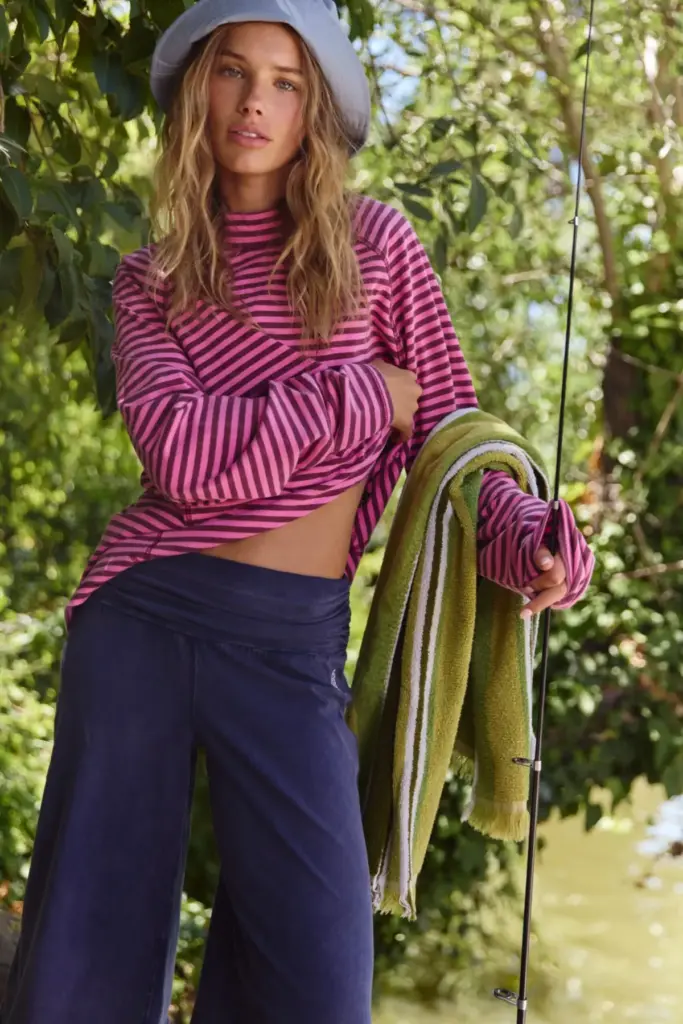
Traditional mall retailers—long-standing pillars of suburban commerce such as American Eagle, Abercrombie & Fitch, Gap, and Old Navy—have systematically re-engineered their business models. Rather than relying solely on their core denim and casualwear portfolios, these legacy brands have launched dedicated diffusion lines, specialized athletic subdivisions, and high-performance capsules. Brands like OFFLINE by Aerie, GapFit, FP Movement, and Active by Abercrombie YPB are redefining what it means to dress for both a rigorous Pilates class and a casual weekend errand.
This deep-dive investigation explores the economic drivers of the mall renaissance, the operational evolution of legacy retailers entering the athletic sector, the socio-cultural nostalgia fueling consumer behavior, and the structural metrics defining this multi-billion-dollar shift in the modern fashion ecosystem.
Detailed Chronology: From the Mall Collapse to the Activewear Boom
To understand the current dominance of mall-based activewear, one must examine the tumultuous trajectory of suburban retail over the past quarter-century. The journey from the golden age of the 1990s and 2000s to the current 2026 resurgence reveals a clear historical arc of disruption, adaptation, and triumph.
Phase I: The Heyday and the Great Retail Apocalpyse (Late 1990s–2010s)
During the peak of mall culture, traditional retailers operated on a predictable, seasonal cadence. Denim, graphic tees, fleece hoodies, and polo shirts dictated the merchandising strategies of brands like Abercrombie & Fitch and Gap. However, the 2008 financial crisis, paired with the rapid ascendance of e-commerce giants like Amazon and fast-fashion disruptors (such as Zara and H&M), initiated a brutal period known among retail historians as the "Retail Apocalypse."
Foot traffic plummeted. Malls that were once community epicentres became hollowed-out monuments of vacant storefronts. Traditional mall brands struggled to pivot; their legacy cost structures, massive real estate footprints, and slow supply chains rendered them sluggish against agile digital competitors. Furthermore, the activewear category was virtually non-existent within these stores, relegated at best to a corner rack of low-tech cotton yoga pants. Athletic apparel was the exclusive domain of legacy sportswear giants (Nike, Adidas) or emerging premium DTC brands.
Phase II: The Athleisure Paradigm Shift and the DTC Era (2015–2020)
As casualization swept through corporate America and daily wardrobes, "athleisure" transitioned from a passing trend to a permanent lifestyle category. Consumers demanded garments that could seamlessly bridge the gap between workouts and professional or social settings.
However, this era was defined by premium pricing. Specialized athletic brands established high pricing thresholds, leaving a massive void in the market for budget-conscious consumers who still desired trend-driven, aesthetic-focused workout gear. Traditional mall brands watched from the sidelines as consumers increasingly abandoned traditional mall mainstays in favor of specialized athletic retailers.
Phase III: The Rebirth and Diffusion Line Strategy (2021–Present)
Recognizing that the athleisure boom was not a bubble, legacy retailers initiated a radical strategic overhaul. Rather than attempting to force athletic wear into their primary merchandising frameworks, major holding companies and individual brands began incubating standalone, performance-focused diffusion lines.
American Eagle expanded its intimate apparel success with Aerie into a full-scale athletic ecosystem via OFFLINE by Aerie, capturing the exact aesthetic and functional needs of Gen Z and millennial consumers.
Abercrombie & Fitch Co. underwent a complete brand rehabilitation, shedding its exclusive, logo-heavy heritage of the 2000s to launch YPB (Your Personal Best), a sleek, trend-forward activewear line engineered with technical fabrics.
Gap Inc. revitalized GapFit while leveraging its broader portfolio to capture market share in categories ranging from technical skorts to low-impact bramis.
By 2026, this strategy has matured into a dominant retail force. The diffusion line model has allowed traditional mall brands to protect their core brand equity while aggressively competing in the high-growth activewear sector, offering trend-conscious designs at accessible price points that undercut luxury competitors by 30 to 50 percent.
Supporting Context & Metrics: The Economics of Accessible Athleisure
The resurgence of mall culture and the proliferation of affordable activewear are underpinned by compelling macroeconomic and consumer-behavior metrics.
The Financial Advantage of Diffusion Lines
Market research indicates that modern consumers—particularly Gen Z and younger millennials—are increasingly fatigued by the "luxury tax" levied by direct-to-consumer athletic brands. While premium leggings can easily exceed $100 per pair, mall-based athletic lines have anchored their pricing architecture between $30 and $70.
According to retail analytics data, foot traffic in top-tier regional malls has rebounded to near pre-pandemic levels, driven heavily by experiential retail and the presence of accessible lifestyle brands. The psychographic profile of the shopper buying a GapFit skort or an OFFLINE fleece short is distinct: they value versatility, tactile comfort, and aesthetic alignment over pure athletic performance metrics.
While professional athletes require specialized compression and moisture management, the average consumer attending a weekend Pilates class, running errands, or working from a home office prioritizes silhouette, color palette, and cost-efficiency. Traditional mall brands have capitalized on this exact sweet spot by translating runway and streetwear trends—such as crossover waistbands, flared yoga pants, and double-layered tank tops—into accessible activewear silhouettes.
Official Statements & Industry Perspectives
Retail executives and fashion economists have increasingly pointed to this intersection of nostalgia and technical apparel as a watershed moment for the industry.
Fran Horowitz, Chief Executive Officer of Abercrombie & Fitch Co., addressed the strategic evolution of the company’s portfolio in a recent investor briefing:
"We have successfully divorced our current brand identity from the missteps of our past. By listening closely to our consumer base, we recognized that our audience lives an active, fluid lifestyle where the boundaries between lounging, working out, and socializing have completely dissolved. The growth of YPB is a testament to our ability to deliver technical, high-fashion activewear at a price point that respects the modern consumer’s wallet without ever compromising on quality or trend relevance."
A senior retail strategist at a major global market research firm, who requested anonymity to discuss proprietary client data, noted the unique sociological pull of the mall format:
"What we are witnessing is not merely a nostalgic marketing trick; it is a structural realignment of retail habits. For consumers who grew up spending their formative weekends browsing the concourses of regional shopping centers, walking into a physical store to touch, feel, and try on activewear offers a tactile satisfaction that pure-play e-commerce simply cannot replicate. Traditional retailers realized they owned the ultimate real estate asset—proximity to the consumer—and they leveraged it by populating those stores with the category that matters most right now: comfortable, stylish, affordable athletic apparel."
Future Outlook: Where Mall Activewear Goes From Here
As the retail sector looks toward the remainder of the decade, the trajectory of mall-based activewear points toward deeper integration, technological innovation, and experiential retail design.
1. Integration of Smart Textiles and Sustainable Fabrics
As environmental consciousness continues to dictate purchasing decisions, the next frontier for diffusion activewear lines will be the aggressive integration of recycled polyester, biodegradable elastanes, and closed-loop manufacturing processes. Brands like Old Navy and GapFit have already begun scaling sustainable material initiatives; maintaining these eco-friendly standards while keeping price points accessible will be the defining operational challenge for legacy retailers.
2. The Evolution of Experiential Retail Spaces
Physical storefronts within regional malls are transforming from simple transactional spaces into community wellness hubs. Leading mall brands are increasingly designing stores that feature in-house wellness programming—such as hosted yoga sessions, community run clubs, and wellness pop-ups—directly adjacent to their activewear merchandising floors. This creates a closed-loop brand ecosystem where the consumer does not just buy the garment; they live the lifestyle promoted by the brand within the physical footprint of the mall.
3. Omnichannel Synergy
The successful mall brands of the future will not rely solely on foot traffic, nor will they retreat entirely into digital-first models. The synergy between digital discovery (via social platforms and editorial features) and physical fulfillment (via BOPIS—Buy Online, Pick Up In Store, and localized mall inventory) will remain the gold standard for profitability.
In conclusion, the convergence of the mall renaissance and the demand for affordable activewear represents a remarkable chapter in modern commercial history. By honoring the nostalgic cultural equity of the past while aggressively innovating for the lifestyle needs of the present, traditional mall brands have secured their place not just in the history books, but at the very center of the modern wardrobe.