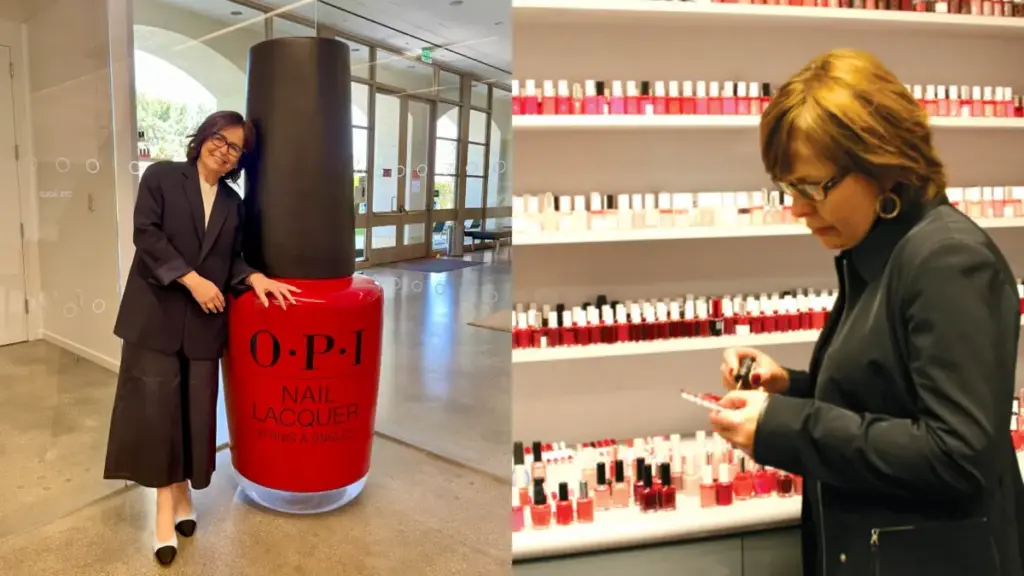
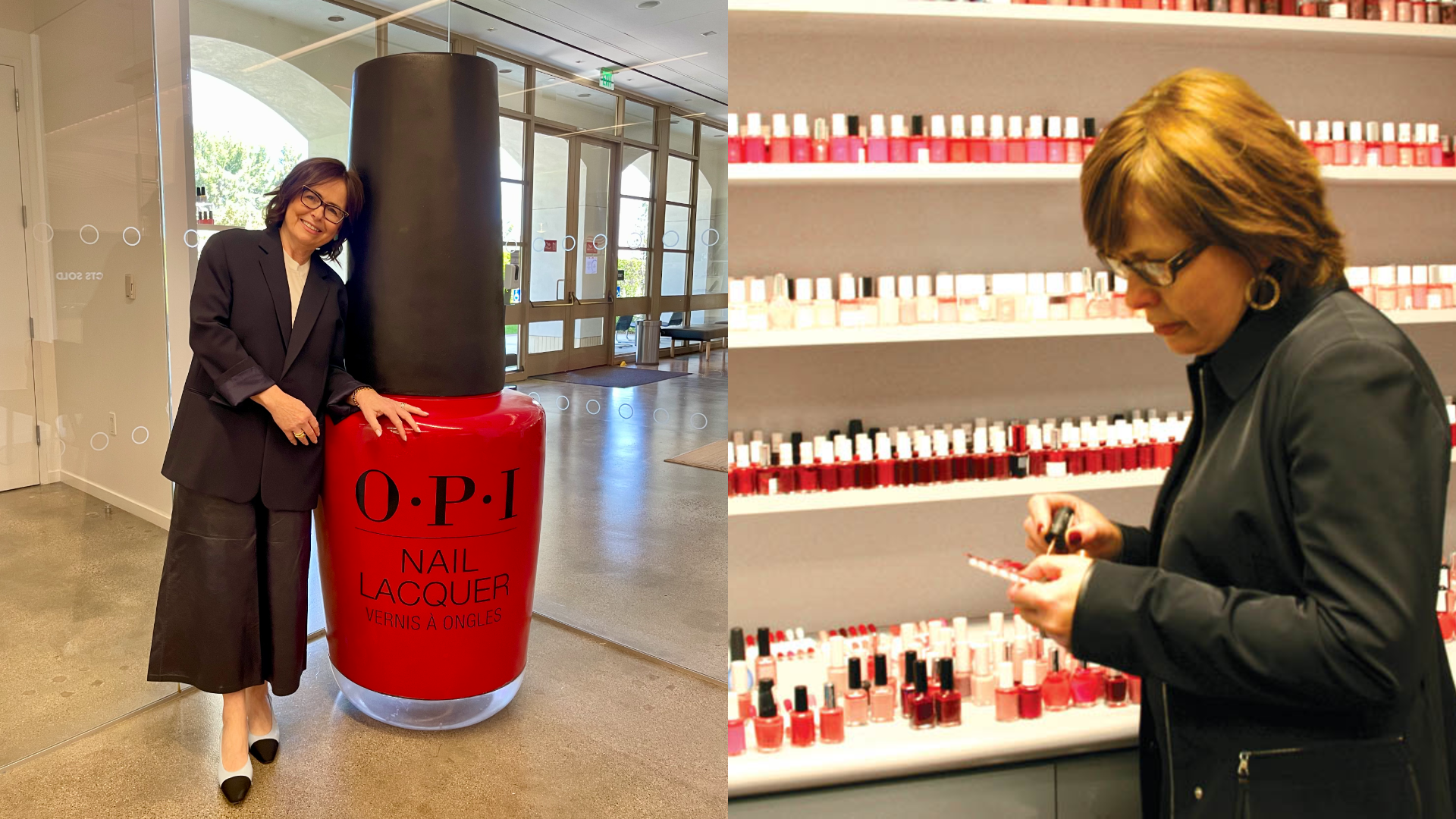
For decades, the global beauty landscape has been quietly governed by the microscopic decisions made over swatches of pigment in the San Fernando Valley. If you have ever stood under the unforgiving fluorescent lights of a pharmacy or salon, agonizing over the infinitesimal differences between two nearly identical shades of crimson, you can—affectionately—blame Suzi Weiss-Fischmann.
As the co-founder and former artistic director of OPI (Odontorium Products Inc.), Weiss-Fischmann engineered a quiet revolution in the cosmetics industry. She took an obscure dental supply distributor and transmuted it into the undisputed titan of global nail care. More than that, she fundamentally altered how humans interact with color. Before OPI, nail lacquer was largely an afterthought—a uniform, functional accessory managed by a male-dominated corporate establishment that viewed beauty through a clinical, transactional lens. Weiss-Fischmann humanized the bottle. By pioneering witty, pun-laden, and culturally resonant shade names—making the moniker of the polish as famous, if not more so, than the color itself—she turned a mundane beauty routine into an intimate act of self-expression.
This is the definitive chronicle of how a girl raised in the stark, monochrome reality of communist Hungary navigated the garment districts of New York, crossed paths with the dental supply trade of Southern California, and ultimately built a multi-million-dollar empire out of thousands of nuanced shades, permanent cultural trends, and an unyielding intuition for what the modern consumer didn’t yet know they desired.
Detailed Chronology
From Gray to Glitter: The Monochromatic Foundation
To understand Weiss-Fischmann’s obsession with color, one must first understand the profound absence of it in her formative years. Growing up in communist Hungary, her visual world was defined by the drab, utilitarian aesthetic of a regime where individuality was actively suppressed.
"The concept of self-expression, or purposely bringing attention to yourself, didn’t exist," Weiss-Fischmann recalls.
In a society where standing out carried ideological risks, color was stripped of its joy. Food, clothing, and architecture mirrored a sobering palette of grays, browns, and muted blues.
The radical pivot point of her life came with immigration to New York City. To a young woman conditioned by the austere backdrop of Eastern Europe, a single city block in Manhattan held more chromatic energy than her entire childhood combined. The neon signs, the vibrant street fashion, the kaleidoscope of storefronts—it was an overwhelming sensory awakening. That initial shock planted a lifelong compulsion: an ongoing, multi-decade mission to correct a childhood imbalance through an explosion of vivid lacquers. Decades later, walking through laboratories and looking at freshly cured swatches, she still notes: "When I get my nails done, I always have a smile on my face."
Material Girl: The Garment District Education
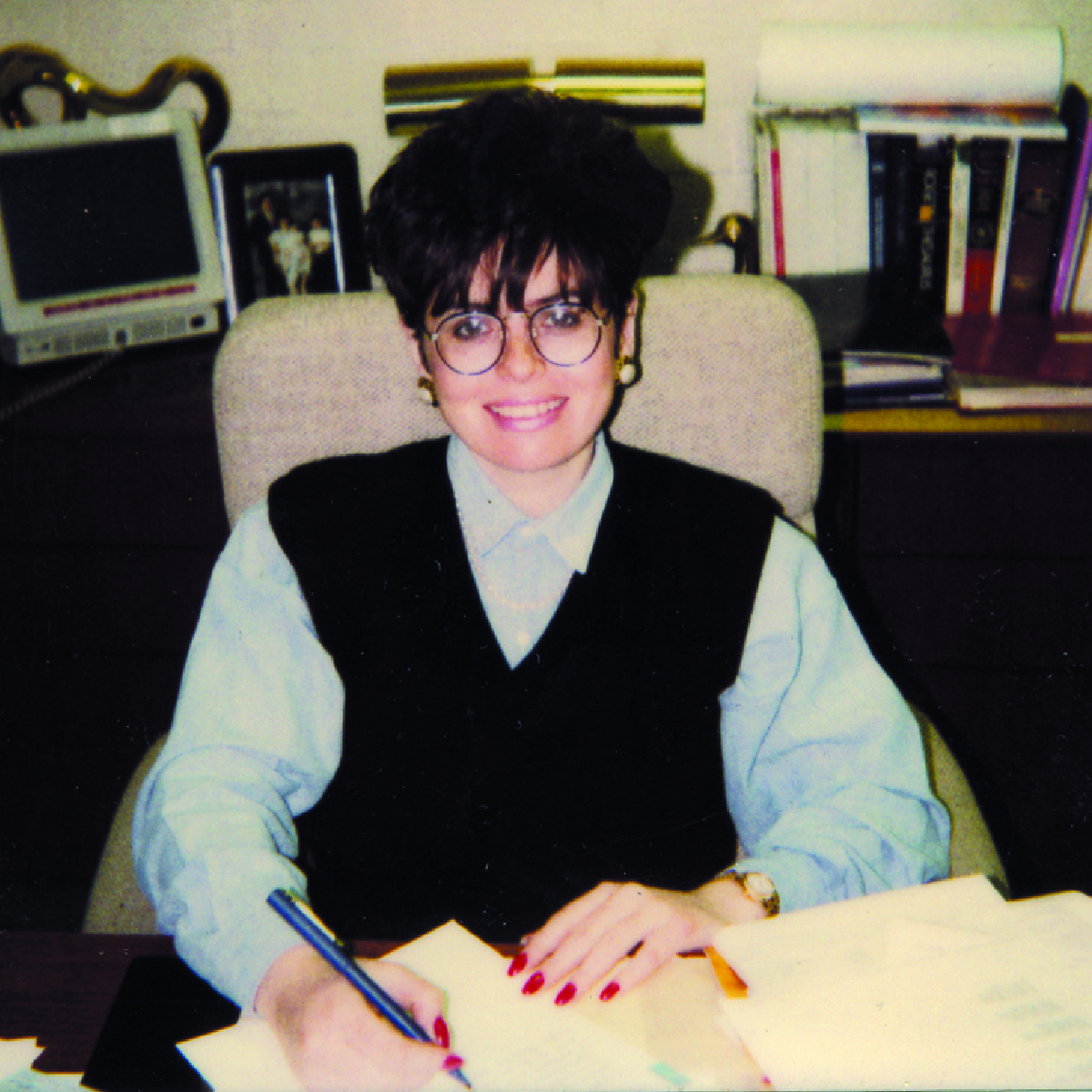
Before she ever formulated a bottle of nail lacquer, Weiss-Fischmann cut her teeth in the frenetic, high-stakes environment of New York’s garment industry. This foundational era taught her the fundamental psychological tenets of consumerism.
Working within fashion manufacturing drilled a singular truth into her professional ethos: color attracts. In the cutthroat world of retail, where a consumer makes split-second decisions passing a storefront window or browsing a rack, color is the primary emotional hook. It can trigger an immediate impulse buy, dictate a mood, or telegraph a social status.
Crucially, the garment industry trained her eye to see color not as a flat, two-dimensional splash, but as a complex, tactile phenomenon deeply intertwined with texture, pattern, depth, and light. This sophisticated comprehension of visual dimensionality would later become her secret weapon when she transitioned from textiles to the chemical science of nail lacquers, allowing her to formulate shades that interacted dynamically with human skin tones.
Tooth and Nail: The Accidental Beauty Empire
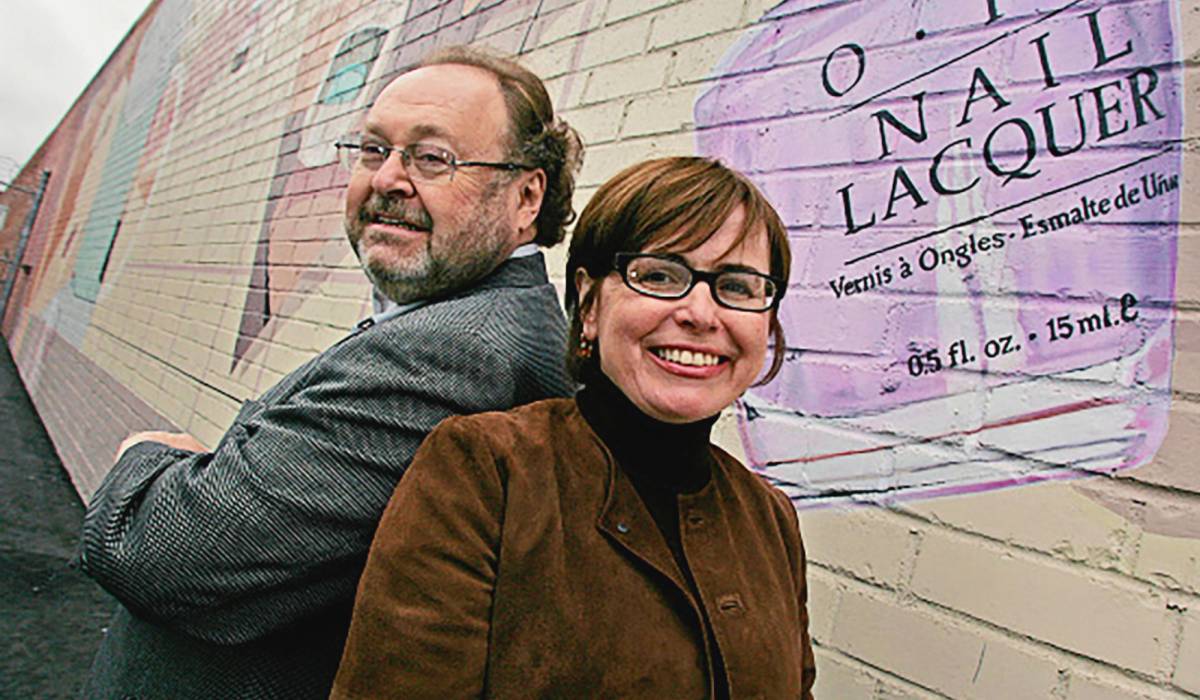
The genesis of OPI is one of corporate history’s most fortuitous happy accidents. Originally founded as Odontorium Products Inc., the business was strictly a dental supply company operating out of Los Angeles. In 1981, Weiss-Fischmann’s brother-in-law, George Schaeffer, purchased the struggling enterprise.
At the time, the intersection between dentistry and nail salons was surprisingly robust. Nail technicians across Southern California were utilizing the exact same acrylic compounds used by dentists to fabricate dentures to build durable nail extensions. Consequently, local nail artists frequented dental supply warehouses to source their raw materials.
As the San Fernando Valley’s beauty salon culture exploded in the early 1980s, Schaeffer and Weiss-Fischmann recognized an unserved market.
"I was always passionate about fashion and color, so pivoting to nails and beauty was appealing," Weiss-Fischmann explains. "I saw an opportunity to tap into my creative side and seized it."
The Class of ’89 and the Birth of a Palette
By 1987, OPI had successfully pivoted to supplying professional-grade acrylics to salons, yet the company still lacked a proprietary color collection. Weiss-Fischmann spent two grueling years in formulation, research, and testing, determined to get the chemical compositions and pigment loads precisely right.
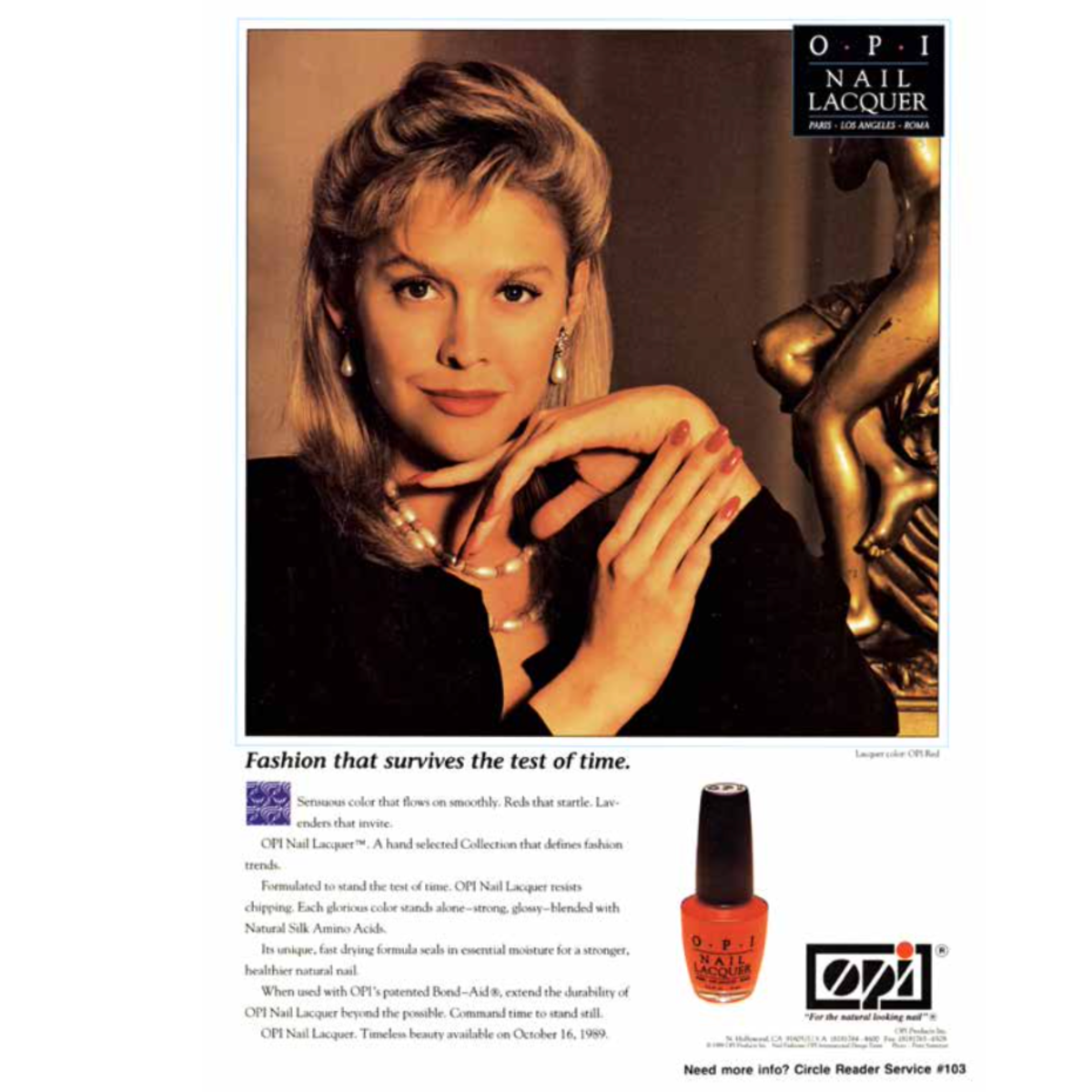
In 1989, OPI launched its inaugural line of 30 nail lacquer shades. Among them were Malaga Wine and Kyoto Pearl—two foundational colors that retail to this day and remain among the brand’s most reliable bestsellers.
"I wasn’t ready to put it out into the world until I felt that each shade was just right," she notes. When pressed to name a single favorite out of thousands created over her career, she demurs with the pride of a parent: "I thought every shade was perfect."
Supporting Context & Metrics
The Evolution of an Industry Icon
Era / Year
Milestone
Cultural & Business Impact
1981
Acquisition of Odontorium Products Inc.
George Schaeffer purchases the LA-based dental supply company, unknowingly laying the groundwork for a beauty giant.
1989
OPI Color Launch (30 Shades)
Introduction of iconic permanent staples like Malaga Wine and Kyoto Pearl, shifting the brand into retail color.
1999
I’m Not Really a Waitress Launch
Inspired by an accidental wine spill at a Los Angeles wedding; becomes the best-selling red in OPI history.
2005
Lincoln Park After Dark
Defies conventional beauty norms by introducing a near-black aubergine, mainstreaming goth-inspired aesthetics.
2008
You Don’t Know Jacques!
Sparks the global "greige" (gray-beige) color revolution, defying internal corporate pushback.
When Weiss-Fischmann entered the nail care sector in the late 1980s, the industry was operated almost exclusively by men. The prevailing business model treated nail polish like industrial paint: functional, uniform, and devoid of emotional resonance. Color names were typically mundane, literal descriptions like "Classic Red #4" or "Pale Pink."
Weiss-Fischmann immediately recognized this as a missed opportunity of monumental proportions.
"I’ve always felt that color is extremely personal," she states. "Many of the people running the industry at the time were men. I don’t think that establishing an emotional connection with nail color really occurred to them, while it was so obvious to me. I saw nail color as a form of self-expression, and I thought others would see it that way, too."
By introducing witty, pun-filled, and culturally evocative names tied to destinations, pop culture moments, and human experiences, she transformed the bottle from a commodity into a collectible narrative.
Official Statements & Anecdotes
The creation of OPI’s most legendary shade—a shimmering, mica-flecked crimson that became an international phenomenon—reads like Hollywood fiction.
While attending a high-society wedding reception at the Natural History Museum in Los Angeles, a clumsy waitress approached Weiss-Fischmann with a glass of red wine. Before Weiss-Fischmann could politely decline, the waitress lost her grip, pouring the entire glass directly into her lap. As Weiss-Fischmann sat stunned, the flustered server dropped character to apologize:
"I’m not really a waitress—I’m an actress."
That theatrical blunder immortalized itself in beauty history. In 1999, Weiss-Fischmann channeled the incident into a brand-new shade. Utilizing micas—which were still a novel formulation technique at the time—she engineered a complex red with enough depth and light-reflecting properties to flatter virtually every human skin tone on the planet. Named I’m Not Really a Waitress, the polish shattered sales records, became the undisputed bestselling red in OPI’s storied history, and ultimately served as the title of her 2019 memoir.
Conquering "The Unwearables"
True innovation rarely arrives without internal friction, and Weiss-Fischmann frequently had to wage battles against conventional wisdom—both from the market and from within her own corporate offices.
In 2005, she sought to bring alternative, gothic subcultures into the mainstream consciousness with Lincoln Park After Dark, a brooding, near-black aubergine. Critics questioned whether everyday consumers would embrace a shade so dark it bordered on black.
"I really wanted women to be able to ignore stereotypes about colors," Weiss-Fischmann reflects. "Personally, I thought the shade was super chic, and it turns out that women around the world agreed."
Three years later, history repeated itself during the development of the 2008 France collection. Weiss-Fischmann championed You Don’t Know Jacques!, an earthy, muddy gray-brown that caused immediate consternation among her team.
"Many thought the color was awful—unwearable—but I loved it," she recalls. "It went on to help start the greige nail trend, which was hugely impactful on the industry."
Even financial logistics could not deter her creative vision. When launching the innovative Shatter topcoat effects in 2011, accounting departments balked at the high production costs of incorporating genuine 18-karat gold flakes into limited-edition formulations. Weiss-Fischmann pushed the initiative through anyway, cementing OPI’s reputation for luxury collaborations and trend dominance.
Future Outlook
After more than four decades shaping the global cosmetic consciousness, Weiss-Fischmann views the modern beauty landscape with contagious enthusiasm. Rather than looking back at her legacy with nostalgic detachment, she finds herself electrified by how contemporary consumers—particularly Generation Z—interact with her life’s work.
"I love that Gen Z is not afraid to try new things," she says.
Perhaps the most profound structural shift in modern beauty is the complete inversion of the styling process. Historically, a manicure served as the final, defensive punctuation mark of an outfit—a neat, clean finish applied after clothes, hair, and makeup were secured. Today, thanks in large part to the trailblazing work of OPI, that paradigm has flipped entirely. The manicure has evolved into the foundational canvas. Consumers routinely select their nail shade first, building their entire sartorial aesthetic around the polish.
When asked how she would name a shade dedicated to this current era of unapologetic self-expression, Weiss-Fischmann doesn’t hesitate: Ring Optional.
Because in a world shaped by her vision, nails are no longer a subtle accessory meant to blend into the background. They are the statement piece, the cultural currency, and the ultimate vehicle for human individuality.