Executive Overview
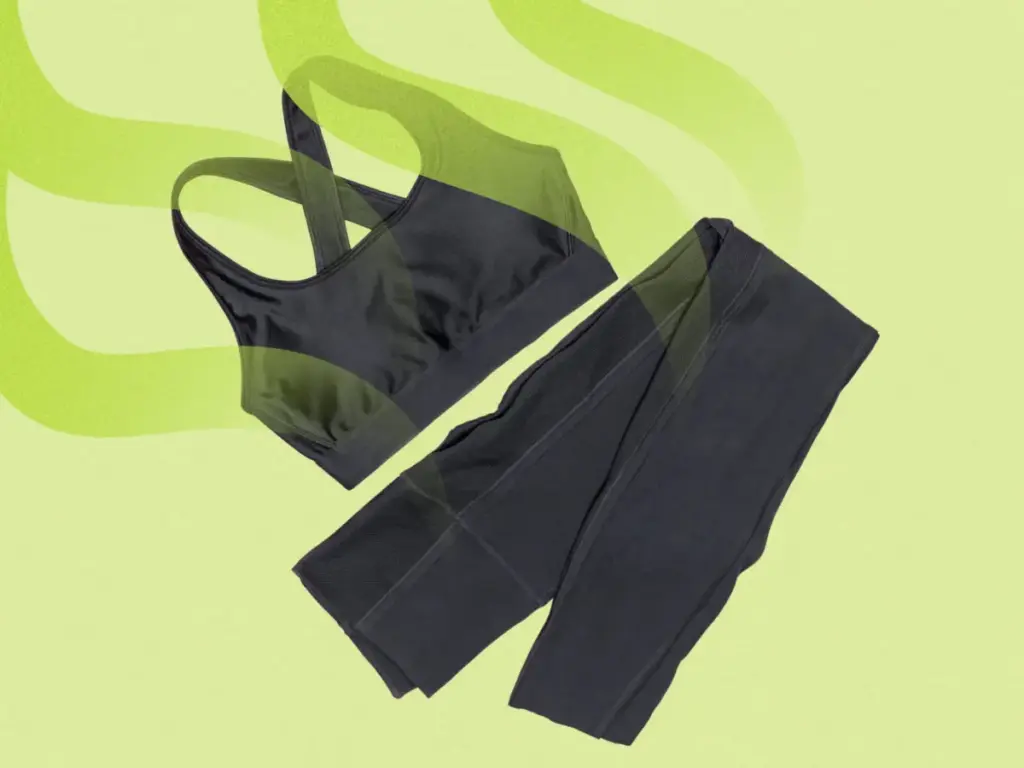
In the modern landscape of fitness culture, the intersection of sustainability, efficiency, and personal hygiene has sparked a quiet, yet heated, debate. Between back-to-back meetings, remote work flexibility, and the rising cost of living, finding ways to cut down on domestic chores has become an art form. Enter "girl math" and efficiency hacks: the practice of letting a lightly worn set of workout clothes air-dry rather than tossing them directly into the laundry hamper after a fifteen-minute Peloton ride or a brisk outdoor stroll.
While saving water, energy, and the lifespan of expensive technical fabrics sounds like a win-win, dermatologists are urging a second look at this common habit. Behind the micro-trends of rewear culture lies a complex micro-ecosystem of sweat, sebum, and bacterial colonization. While the instinct to bypass laundry day after a low-intensity workout is understandable, doing so without understanding the biological implications can lead to stubborn skin infections, persistent body odor, and frustrating breakouts.
This investigative report examines the dermatological reality of rewearing activewear, the science of skin microbiology, and how to safely navigate the grey area between pristine hygiene and domestic practicality. Featuring exclusive insights from leading dermatologists, this guide provides a comprehensive framework for managing your activewear rotation without compromising your cutaneous health.
Detailed Chronology: The Evolution of Activewear and Modern Hygiene Habits
The Athleisure Boom and the Shift in Wardrobe Habits
To understand why rewearing workout gear has become so normalized, one must look at the evolution of the apparel industry over the past two decades. Activewear is no longer confined to the gym; it is the reigning king of casual wear. With high-end brands marketing buttery-soft leggings, compressive sports bras, and stylish zip-ups designed to transition seamlessly from a morning Pilates class to a grocery run or brunch, the boundaries of when and where we wear fitness apparel have completely dissolved.
As activewear became our everyday uniform, consumers naturally began treating it with the same leniency applied to traditional clothing. Just as most people do not wash a pair of denim jeans or a wool sweater after a single two-hour wear, the psychological barrier to tossing high-tech leggings into the wash after a gentle, low-sweat activity began to crumble.
The Rise of Post-Workout Slacking
Coupled with the athleisure boom is the modern phenomenon of the "post-workout linger." With social media glorifying the active lifestyle—highlighting aesthetic post-run coffee dates and gym-to-brunch transformations—millions of individuals now spend significant periods in their workout gear after physical exertion has ceased.
Historically, fitness enthusiasts would rush home from the locker room to shower and change immediately. Today, the convenience of moisture-wicking fabrics allows people to ignore dampness, running errands or sitting at home desks for hours before finally shedding their workout sets. This shift in behavior has fundamentally changed the duration of time that skin, sweat, and synthetic fibers remain in close contact, setting the stage for modern dermatological concerns.
Supporting Context & Metrics: The Science of Sweat, Fabrics, and Bacteria
To evaluate whether rewearing workout clothes is safe, we must first break down what actually happens to our garments during and after physical activity.
Sweat: Harmless Liquid, Hidden Culprits
On its own, human sweat is remarkably innocuous. Secreted by eccentric and apocrine glands, fresh sweat is primarily composed of water, salt, trace amounts of metabolic waste, and electrolytes. In its purest state, sweat is virtually odorless.
The trouble begins when sweat meets the human skin microbiome. Our skin is naturally inhabited by millions of resident microorganisms, including bacteria such as Corynebacterium and Staphylococcus epidermidis. These microbes feast upon the lipids, proteins, and organic compounds found in sweat and sebum. As they metabolize these substances, they release volatile organic compounds (VOCs) that generate distinct, often unpleasant body odors.
[Fresh Sweat] + [Skin Bacteria] + [Synthetic Fabric] = Odor, Biofilms & IrritationThe Synthetic Trap: Why Fabrics Matter
The fabric composition of your activewear plays a massive role in how bacteria proliferate. Unlike natural fibers such as cotton, merino wool, or linen, the vast majority of modern activewear is crafted from synthetic polymers like polyester, nylon, elastane, and spandex.
- Polyester and Nylon: These materials are engineered to be hydrophobic (water-repelling), meaning they pull moisture away from the skin and push it to the surface of the fabric to evaporate quickly. However, while they excel at moisture transport, synthetic fibers are also notoriously oleophilic (oil-attracting). They trap body oils, dead skin cells, and microscopic debris deep within the weave of the textile.
- Cotton: Conversely, natural fibers like cotton are hydrophilic, absorbing moisture directly into the fiber. While cotton holds onto moisture and can become heavy and soggy during an intense workout, it is significantly more breathable and far less hospitable to the stubborn bacterial biofilms that plague synthetic activewear. Unfortunately, finding high-performance, 100% cotton activewear that holds its shape during heavy movement remains a rarity.
Once bacteria and body oils settle deep into the microscopic crevices of synthetic activewear, ordinary air-drying does little to eradicate them. Hanging a damp polyester shirt on a bedroom hook allows moisture to evaporate, but the bacterial population remains dormant within the fabric fibers, ready to reactivate the moment body heat and fresh moisture are reintroduced.
Official Statements & Dermatological Insights
To separate internet folklore from medical consensus, we consulted Brianna Olamiju, MD, FAAD, a prominent New York–based dermatologist specializing in medical and cosmetic dermatology. Dr. Olamiju provides crucial guidance on navigating the delicate balance between sustainable laundry habits and skin protection.
The Primary Threat: Acne Mechanica and Folliculitis
According to Dr. Olamiju, the core issue with keeping clothes on post-workout—or rewearing them without washing—isn’t just a matter of odor; it is a direct contributor to dermatological conditions like acne mechanica and bacterial folliculitis.
"The longer the bacteria stays in contact with your skin, the higher the chance it can become harmful," Dr. Olamiju explains. "Usually, it can cause acne. I see a lot of patients who have breakouts on their chest or back, often people who work out frequently and maybe go to brunch afterwards or aren’t able to change or wash immediately."
Acne mechanica is a type of acne triggered by friction, heat, pressure, and occlusion (trapped moisture and lack of airflow) against the skin. When tight activewear compresses sweaty skin for extended periods, hair follicles become blocked. Trapped sweat, bacteria, and dead skin cells create a breeding ground for inflammation, leading to painful red bumps, pustules, and deep cystic lesions on the back, chest, shoulders, and buttocks.
Lingering Bacteria: The Myth of the "Air-Dry" Reset
Many proponents of rewearing activewear operate under the assumption that if a garment dries completely, it is essentially "clean" again. Dr. Olamiju soundly debunks this theory.
"Some of the bacteria from the prior workout can still linger," she warns. "It’s probably going to smell, but it can also still cause acne or irritation."
When unwashed synthetic garments are worn a second time, the introduction of fresh body heat and perspiration reactivates the dormant bacterial colonies. Within minutes, the garment reaches an optimal temperature and humidity level for rapid bacterial multiplication, quickly surpassing the microbial load of a freshly laundered item.
Intensity Matters: Categorizing Your Workouts
Not all exercise regimens carry the same level of dermatological risk. Dr. Olamiju emphasizes that a nuanced approach is far more effective than an absolute zero-tolerance policy.
- High-Intensity Sessions: Activities characterized by massive sweat production—such as long-distance running, high-intensity interval training (HIIT), hot yoga, and grueling spin classes—unambiguously demand a single-use protocol. "High-intensity cardio tends to cause the most sweat," Dr. Olamiju notes. "Those are at a higher risk for acne."
- Low-Intensity Sessions: Practices like restorative yoga, gentle Pilates, or a casual neighborhood walk generate minimal perspiration and friction. For these activities, the risk profile drops significantly. "Everyone sweats differently, so it’s on a spectrum," she adds.
Strategic Sorting: Which Items Must Be Washed?
For those looking to optimize their laundry loads without sacrificing skin health, strategic garment sorting is essential. Dr. Olamiju highlights specific pieces that should never cross the threshold into rewear territory:
"For women, changing your sports bra is really essential. The shirt you might get away with wearing again, but the sports bra and underwear are the pieces you really want to change."
Because sports bras and athletic underwear sit directly against high-friction areas with dense concentrations of sweat and oil glands, they trap moisture and bacteria at a microscopic level. Rewearing these intimate items exponentially increases the risk of chafing, yeast infections, urinary tract infections (UTIs), and severe truncal acne. Outer layers, such as loose-fitting hoodies or joggers that had minimal skin contact, offer much more flexibility for deferred laundering.
Future Outlook: The Future of Activewear Hygiene and Sustainable Laundering
As the fitness and apparel industries look toward the future, the conversation around activewear care is shifting from simple chore management to a broader discussion on textile innovation, skin microbiome health, and environmental sustainability.
Antimicrobial Textiles and Eco-Friendly Laundering
The tension between wanting to reduce water consumption (by washing clothes less frequently) and protecting skin health has sparked major innovations in textile engineering. Textile manufacturers are increasingly turning to antimicrobial treatments—such as silver ion infusions, copper threads, and botanical antimicrobial finishes (like zinc pyrithione or bamboo charcoal)—to inhibit bacterial growth within synthetic fabrics.
While these treatments help curb odor during light wear, dermatologists caution that they are not a substitute for proper hygiene. Over time, chemical antimicrobial finishes wash out, and bacterial biofilms can adapt, rendering garments susceptible to odor and microbial buildup once again.
Simultaneously, the environmental impact of laundering synthetic activewear has become a critical talking point. Every time synthetic garments are machine-washed, millions of microscopic plastic microfibers are released into wastewater systems, eventually making their way into oceans and aquatic ecosystems. This presents consumers with a modern dilemma: washing activewear after every single use protects skin health but accelerates microplastic pollution, whereas rewearing clothes protects the environment while placing skin health at risk.
Smart Strategies for the Conscious Athlete
To navigate this complex landscape without compromising either your skin or the planet, industry experts recommend adopting a hybrid approach to activewear care:
- Prioritize Intimate Layers: Always wash sports bras, underwear, and compression shorts after a single use, regardless of workout intensity.
- Air-Out Properly: If opting to rewear loose outer layers (like t-shirts or shorts) following a very light, low-sweat activity, never toss them into a dark, damp laundry basket or hamper where mold and bacteria can multiply. Instead, hang them up immediately in a well-ventilated, dry area to allow complete moisture evaporation.
- The Sniff and Sight Test (with Caveats): Recognize that odor is a lagging indicator of bacterial load. Just because a garment doesn’t smell terrible yet doesn’t mean it is free of acne-causing bacteria. Use discretion based on sweat volume rather than scent alone.
- Upgrade Laundry Habits: To extend the life of activewear while ensuring thorough sanitization, wash synthetic garments in cold water using specialized athletic detergents designed to break down body oils and eliminate bacteria at lower temperatures, reducing both fabric degradation and energy consumption. Utilize microfiber-catching laundry bags or filter systems to mitigate environmental fallout.
Conclusion
Ultimately, while "girl math" and efficiency hacks have their place in modern life, the human skin microbiome refuses to be negotiated with. By understanding the science of sweat, respecting the limitations of synthetic fabrics, and listening to expert dermatological guidance, fitness enthusiasts can strike a harmonious balance between sustainable laundry routines and a clear, healthy complexion. When in doubt, remember the dermatologist’s golden rule: err on the side of fresh—your skin will thank you.