Executive Overview
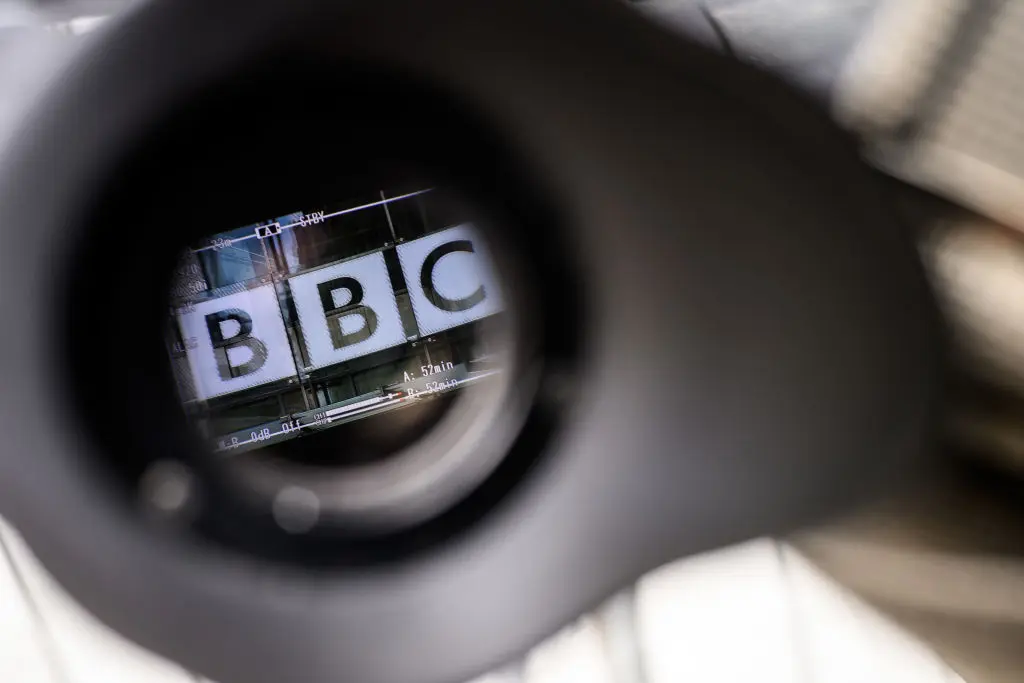
In a seismic shift for public service broadcasting, the British Broadcasting Corporation (BBC) is aggressively pursuing a digital-first future by launching a major commissioning initiative targeting independent filmmakers and digital creators. The legacy media titan is offering £50,000 per film (roughly $67,000 USD) for original, mid-form documentaries specifically designed to live on its YouTube channel.
This move is not merely an experimental side project; it represents the operational bedrock of a broader strategic alliance inked between the BBC and YouTube. Faced with shifting media consumption habits, dwindling linear TV viewership among younger demographics, and mounting pressure from digital-first competitors, the BBC is taking its content directly to where Generation Z spends its time.
The initiative centers on BBC deepwatch, an emerging digital vertical built entirely for 16-to-24-year-olds. The channel aims to explore the unique subcultures, human experiences, and social currents shaping the United Kingdom today. However, the mandate comes with rigorous caveats. The broadcaster is explicitly seeking "YouTube-native" concepts—stories built around human-centric narratives rather than abstract policy issues, featuring high-clickability packaging, lean production teams, and a mandatory runtime of at least 25 minutes.
With rolling submissions open for the foreseeable future, this commissioning window offers a rare and lucrative bridge between traditional public service broadcasting standards and the high-velocity world of independent digital video creation. For creators who have mastered the art of self-produced investigative journalism and narrative pacing on a budget, the BBC’s pitch represents both a validation of the creator economy and a lucrative monetization path.
Detailed Chronology: How the BBC and YouTube Forged an Alliance
To understand why the BBC is suddenly paying £50,000 for standalone YouTube documentaries, one must trace the timeline of a partnership that has fundamentally altered the British media landscape.
The Seismic Ratings Shift (December 2025)
The foundational catalyst for this partnership arrived in late 2025, when data compiled by official U.K. audience measurement and TV ratings organizations sent shockwaves through traditional broadcasting boardrooms. For the first time in history, YouTube pulled in a larger monthly share of U.K. viewership than the BBC during December 2025.
While industry insiders noted this trajectory had been building—mirroring trends in the United States, where YouTube has reigned as the leading distributor of televised content for years—the psychological and commercial impact on the BBC was profound. The U.K.’s premier public service broadcaster realized it could no longer rely on traditional gatekeeping mechanisms, such as forcing young audiences to download or open the BBC iPlayer app first. If the audience refused to come to the platform, the platform had to go to the audience.
The Landmark January 2026 Partnership
Capitalizing on this realization, the BBC officially closed a comprehensive content deal with YouTube in January 2026. Hailed by the Financial Times as a "major content deal," the arrangement established a groundbreaking framework for public service media.
Unlike standard syndication agreements where older programming is dumped onto free video-sharing sites as an afterthought, this partnership dictates that original BBC productions will debut with an exclusive window on YouTube. Only after this initial YouTube run will the content migrate to the BBC’s domestic digital streaming platform, iPlayer.
This inversion of the traditional distribution hierarchy signaled a complete philosophical turnaround for the corporation. The BBC acknowledged that building distinctive public service brands requires meeting younger demographics organically, leveraging YouTube’s sophisticated algorithmic recommendation engine and massive built-in user base.
The Launch of BBC deepwatch and the Open Brief
With the operational plumbing of the YouTube deal secured, the BBC moved swiftly to populate its channels with native programming. This culminated in the publication of the official commissioning brief for BBC deepwatch.
Promoted as a "YouTube-first documentary destination," deepwatch was designed specifically to bridge the gap between high-journalistic integrity and modern creator-economy packaging. Rather than keeping the initiative locked behind closed industry doors or restricting bids to traditional legacy production houses, the BBC threw open the digital gates, issuing a rolling commissioning brief that invites daring pitches from across the creative sector.
Supporting Context & Metrics: Decoding the £50,000 Mandate
A closer examination of the BBC’s commissioning brief reveals a fascinating paradox: the corporation is demanding cinematic, high-impact journalism while simultaneously imposing strict financial and logistical constraints.
The Financial Equation
At £50,000 per film, the budget is substantial for a standalone digital video, yet modest by traditional television standards. The BBC is transparent about these financial limitations, explicitly urging filmmakers to deploy "lean teams and simple production set-ups."
Furthermore, the brief warns prospective documentarians that ideas requiring extended access periods, complex legal negotiations, or significant historical archive clearance are unlikely to be suitable. The math simply does not support prolonged investigative marathons or expensive licensing fees. Instead, the money is intended to fund nimble, highly focused shoots executed over a compressed timeline: successful applicants are given a tight three-month turnaround from greenlight to final delivery, with a minimum required runtime of 25 minutes.
The Anatomy of a "YouTube-First" Documentary
What separates a deepwatch commission from a standard television documentary cut down for the web? According to the BBC’s guidelines, the distinction lies in structural mechanics and audience psychology:
- Human-Centric Storytelling: The BBC wants films built around dynamic, compelling individuals rather than dry issues alone. The narrative must carry emotional resonance, focusing on personal stakes.
- The "Earn the Click" Imperative: In the infinite sea of user-generated content (UGC), a documentary must win attention in fractions of a second. This means titles and thumbnails must be inherently compelling without resorting to misleading clickbait.
- Visible Progression and Payoff: The narrative arc must feature clear, tangible progression, delivering a satisfying viewer payoff that discourages mid-video drop-offs—a critical metric monitored by YouTube’s retention algorithms.
- Audience Alignment: Expert contributors must possess genuine relevance to the target demographic on YouTube, speaking the language of younger viewers rather than sounding like academic talking heads.
- Community Building: The ultimate goal is to foster discourse and build communities around shared interests in the comment sections and social ecosystems surrounding the release.
Official Statements and Industry Perspectives
The strategy behind the partnership and the subsequent commissioning brief has been laid bare in official statements released by the corporation.
According to the official BBC commissioning documentation, the core motivation remains unapologetically audience-driven:
"Our ambition is to build distinctive public service brands that reach younger audiences where they already spend their time, while introducing new audiences to BBC content."
This sentiment reflects a desperate need for generational renewal. For decades, the BBC license fee has relied on the implicit social contract that every household consuming broadcast media pays into a system designed to inform, educate, and entertain all Britons. However, as Gen Z abandons linear television entirely, that social contract risks breaking down among citizens under 30. By planting its flag on YouTube through deepwatch, the BBC is attempting to future-proof its relevance.
Industry analysts have praised the pragmatic nature of the deal. Traditional television executives have long struggled to understand why native digital video works differently than broadcast television. By structuring a dedicated vertical with clear boundaries—lean teams, fast turnarounds, and 25-minute runtimes—the BBC is lowering the barrier to entry for creators who might otherwise find legacy broadcasting bureaucracy stifling.
Future Outlook: A Golden Opportunity for Independent Creators?
As the rolling commissioning window remains open for the foreseeable future, a vital question remains: Who will actually win these commissions?
While the BBC has not explicitly stated that it is exclusively seeking established, veteran YouTube creators, industry observers argue that ignoring the existing creator ecosystem would be a missed opportunity. Over the past decade, thousands of independent YouTubers have mastered the craft of self-producing feature-length, highly analytical investigative documentaries on micro-budgets. Creators working independently in the creator economy have perfected audience retention techniques, rapid pacing, and community engagement models that traditional broadcast directors often take years to grasp.
If the BBC truly wants to succeed in capturing the attention of 16-to-24-year-olds on YouTube, its commissioning editors would do well to lean heavily into this talent pool. Independent documentary creators already understand the ecosystem, know how to stretch £50,000 into high production value, and possess an intuitive grasp of what makes an audience click, watch, and share.
For daring documentarians with a camera, a lean crew, and a compelling story about modern British life, the BBC deepwatch initiative represents a watershed moment. It offers a rare hybrid model: the institutional backing, journalistic standards, and global brand prestige of the BBC, combined with the unbridled reach and modern distribution power of YouTube. Whether this £50,000 bet pays off for the broadcaster will ultimately depend on the creativity of the filmmakers who answer the call.