Executive Overview
The landscape of professional attire has undergone a seismic shift over the past four years. As organizations navigate the undulating tides of remote, hybrid, and fully in-office models, the traditional parameters of corporate dress codes have dissolved. In their place lies a modern sartorial vacuum: professionals are no longer bound by the rigid constraints of matching three-piece wool suits or conservative pencil skirts, yet they frequently report a distinct anxiety regarding what constitutes appropriate, contemporary office wear.
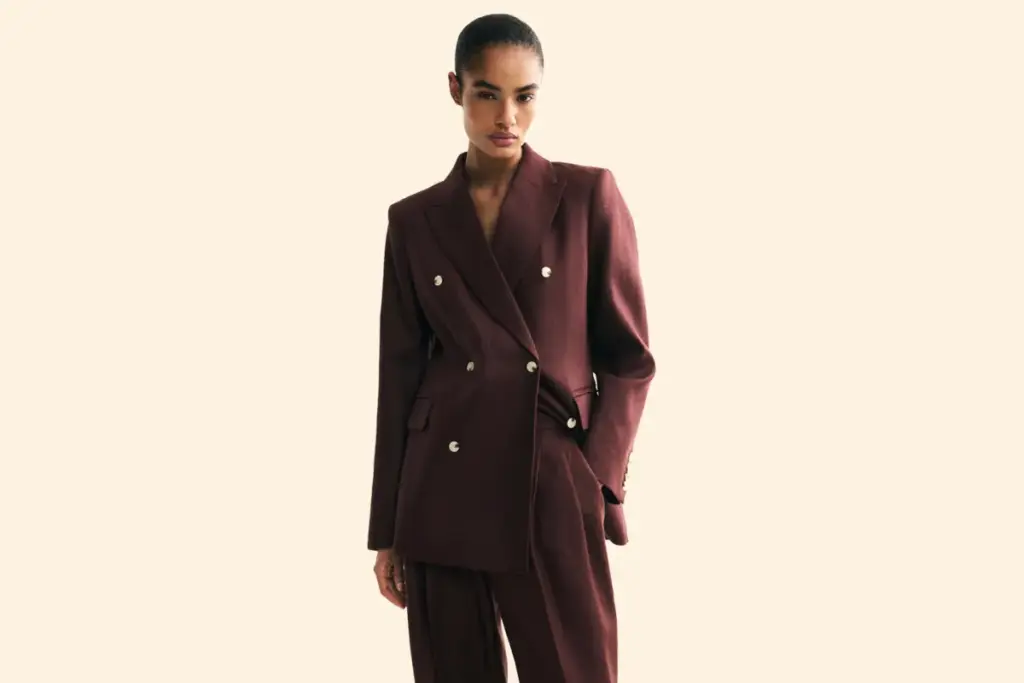
Enter the hero piece of the contemporary wardrobe: the versatile, impeccably tailored single-suit solution. Rather than investing in an unwieldy array of disparate professional garments, fashion editors and stylists are increasingly championing a minimalist approach—centering the entire professional rotation around one masterfully cut, high-quality suit.
This deep-dive investigative report explores the socio-cultural factors driving the return of tailoring, the engineering behind the ultimate transitional suit, and a comprehensive blueprint for styling a single ensemble across five distinct professional and social contexts. By deconstructing the anatomy of modern workwear, we examine how capsule dressing is transforming not only our closets, but our relationship with consumption, confidence, and identity in the post-pandemic workplace.
Detailed Chronology: The Journey from Rigidity to Reimagined Tailoring
To understand why the singular "hero suit" has become the holy grail of modern fashion, one must trace the rapid evolution of workplace dress codes from 2020 to the present day.
Phase 1: The Loungewear Era (2020–2021)
At the onset of the global health crisis, professional dress codes evaporated overnight. Tailoring took an unprecedented backseat as millions retreated to home offices. The uniform of the day transformed into knitwear, elasticated waistbands, and athleisure. During this period, traditional suiting manufacturers experienced historic slumps. The psychological impact, however, was profound: workers grew accustomed to comfort and physical autonomy in their clothing choices.
Phase 2: The Hybrid Re-Entry and "Zoom Dressing" (2022)
As offices gradually reopened on hybrid schedules, professionals faced a daily existential dilemma. The rigid corporate uniform felt archaic and physically restrictive after months of casual wear, yet purely casual clothes signaled a lack of professional intent. This friction birthed "business casual confusion"—a transitional phase defined by mismatched blazers, stretchy trousers, and footwear that hovered awkwardly between formal and casual.
Phase 3: The Tailored Renaissance (2023–Present)
By late 2023 and into 2024, a counter-movement emerged. Rather than abandoning tailoring entirely, style authorities realized that the suit itself needed a functional reinvention. Designers began producing suits crafted from breathable, seasonless fabrics with relaxed silhouettes, bridging the gap between structured professionalism and relaxed ease. Today, the focus has shifted entirely away from volume toward versatility. The modern worker no longer wants a closet full of single-use garments; instead, they demand high-utility pieces that can be endlessly reconfigured.
Supporting Context & Metrics: The Shift Toward Capsule Dressing
The rise of the single-suit capsule is not merely an aesthetic trend; it is backed by significant shifts in consumer behavior, economic considerations, and sustainability metrics.
The Rise of Sustainable Consumption
According to recent retail analytics, modern consumers—particularly Millennials and Generation Z—are increasingly prioritizing cost-per-wear over sheer volume. Fast-fashion workwear has fallen out of favor due to poor durability and ethical concerns.
- Cost-per-Wear Economics: A mid-range, expertly tailored suit priced at £350 may initially appear as an investment, but when styled across five distinct looks for a hundred working days a year, its cost-per-wear plummets below that of multiple cheaper, single-use garments.
- Environmental Impact: The textile industry accounts for a staggering percentage of global carbon emissions. Streamlining the professional wardrobe into versatile foundational items drastically reduces textile waste and aligns with corporate and personal sustainability goals.
Psychological Implications of Tailoring
Fashion psychology has long maintained that clothing directly impacts cognitive performance—a phenomenon known as "enclothed cognition." Recent workplace studies indicate that wearing structured, well-fitted garments significantly enhances authority, focus, and self-assurance during high-stakes presentations and boardroom negotiations. However, unlike the restrictive suits of the 1980s and 90s, the modern iteration provides this psychological armor without physical discomfort, utilizing blends of natural fibers, elastane, and unlined constructions.
The Master Blueprint: Styling One Perfect Suit 5 Different Ways
To master the art of the capsule work wardrobe, one must choose the foundational suit wisely: opt for a mid-weight wool-blend or high-grade cotton-twill in a versatile neutral tone such as charcoal, deep navy, or rich olive. Avoid overly shiny fabrics or extreme silhouettes, as these limit versatility.
Here is the definitive guide to styling that single suit across five distinct professional scenarios.
+-------------------------------------------------------------------+
                  THE 5-WAY SUIT STYLING MATRIX
+-------------------------------------------------------------------+
  1. The Boardroom Standard     -> Full Suit + Crisp Poplin Shirt
  2. The Creative Pitch         -> Blazer + T-Shirt + Tailored Trousers
  3. The Casual Friday Shift    -> Trousers + Chunky Knitwear + Loafers
  4. The Transitional Evening   -> Blazer + Slip Dress / Silk Camisole
  5. The Weekend Minimalist     -> Trousers + Minimalist Hoodie + Sneakers
+-------------------------------------------------------------------+
Look 1: The Boardroom Standard (Authoritative & Polished)
- The Context: High-stakes client meetings, formal presentations, or quarterly reviews where traditional professionalism is paramount.
- The Styling Approach: Wear the matching blazer and trousers as a complete set. Layer underneath with a crisp, structured poplin shirt—either in classic optic white or pale blue. Button it to the top and skip the tie for a modern, uncluttered look.
- Footwear & Accessories: Ground the outfit with pointed-toe leather pumps or sleek block-heeled boots. Elevate the look with minimalist structural jewelry, such as a gold signet ring or architectural hoop earrings, and a structured leather tote bag large enough to hold a laptop and documents.
Look 2: The Creative Pitch (Modern & Approachable)
- The Context: Agency brainstorms, client-facing creative reviews, or environments that demand a balance of authority and approachable creativity.
- The Styling Approach: Retain the full suit, but swap the formal button-down for a high-quality, heavyweight cotton crewneck t-shirt in a neutral shade (white, black, or oatmeal). Ensure the t-shirt is impeccably clean and fits cleanly across the shoulders.
- Footwear & Accessories: Pair with minimalist leather trainers or classic loafers. This high-low pairing immediately signals confidence, trend-awareness, and modern workplace adaptability. Accessorize with a sleek leather crossbody bag and a statement watch.
Look 3: The Casual Friday Shift (Relaxed & Textured)
- The Context: End-of-week office days, casual networking lunches, or hybrid working days that require comfort without sacrificing polish.
- The Styling Approach: Separate the pieces. Take the tailored trousers and pair them with a luxurious, fine-gauge merino wool knit or a chunky cashmere crewneck sweater tucked partially into the waistband. The contrast between the sharp tailoring of the trousers and the soft texture of the knitwear creates a sophisticated tactile dynamic.
- Footwear & Accessories: Slip into classic penny loafers or suede mules. Throw a trench coat over your shoulders if weather permits, and carry a soft leather clutch or minimalist tote.
Look 4: The Transitional Evening (Sleek & After-Hours Ready)
- The Context: Post-work dinners, industry networking cocktail events, or holiday parties where you transition straight from the desk to the dinner venue.
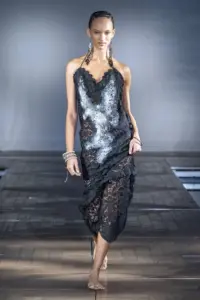
- The Styling Approach: Wear the tailored blazer thrown nonchalantly over the shoulders, paired with a fluid silk camisole or a sleek satin midi slip dress underneath. Alternatively, wear the suit trousers with the silk camisole and drape the blazer over top. This introduces a sensual, evening-appropriate texture that contrasts sharply with the masculine tailoring of the jacket.
- Footwear & Accessories: Swap daytime flats or low heels for strappy heels or embellished mules. Add a bold red lip, statement drop earrings, and a micro-bag to complete the transformation from corporate to chic.
Look 5: The Weekend Minimalist (Off-Duty Luxury)
- The Context: Saturday brunch meetings, creative co-working sessions, or casual weekend errand runs where you still want to look effortlessly put-together.
- The Styling Approach: Take the suit trousers and pair them with an elevated, minimalist hoodie or a structured cotton sweatshirt. The key to keeping this look sophisticated rather than sloppy is proportion and fabric quality—opt for heavy, unbranded cottons in tonal color palettes.
- Footwear & Accessories: Finish the outfit with retro-style leather trainers (such as Veja or Adidas Sambas) and a baseball cap. Drape the suit blazer over your arm for an instant shot of tailored polish should the temperature drop.
Official Industry Insights & Expert Perspectives
To validate the durability of this capsule methodology, we consulted leading fashion editors, retail analysts, and workplace culture consultants.
-
Elena Vance, Senior Fashion Editor: "The era of mindless shopping is officially behind us. Consumers are demanding garments that work harder for them. A great suit is no longer a uniform of conformity; it is a blank canvas. When you buy a well-tailored suit today, you are essentially buying five distinct outfits disguised as one. It requires a shift in imagination, but the payoff in wardrobe clarity is immense."
-
Marcus Thorne, Workplace Futurist & Culture Consultant: "Dress codes mirror the power dynamics of the corporate world. As hierarchy flattens and collaboration takes precedence over top-down management, our clothes must follow suit. The modern suit isn’t about looking like everyone else in the boardroom; it’s about feeling grounded, capable, and adaptable no matter where your workday takes you—whether that’s a Zoom call at home, a corner office, or a cafe booth."
-
Sarah Jenkins, Sustainable Retail Analyst: "We are seeing a massive surge in modular wardrobe planning. Brands that focus on separates and suits designed for mix-and-match longevity are outperforming those relying on trend-led fast fashion. Investing in one exquisite tailoring set is the ultimate antidote to micro-trend fatigue."
Future Outlook: The Next Decade of Professional Dressing
Looking ahead to the remainder of the decade and beyond, the trajectory of professional style points toward hyper-personalization, intelligent textiles, and uncompromising versatility.
As climate considerations intensify and hybrid work solidifies as the permanent operating model for white-collar industries, the demand for seasonless, multi-functional apparel will only accelerate. We can anticipate several key developments in the workwear sector:
- Smart Textiles: Future tailoring will increasingly incorporate temperature-regulating, crease-resistant, and water-repellent nano-technologies, making the transition from commuting to boardrooms seamless.
- Modular Retail Models: More fashion houses will sell suiting separates on an à la carte basis, allowing consumers to select jackets, trousers, skirts, and waistcoats cut from identical dye-lots to build custom capsule wardrobes.
- The Death of the Rigid Uniform: The concept of a mandatory office uniform will be permanently replaced by "contextual dressing"—where employees are trusted to curate their professional image based on daily output rather than outdated compliance standards.
Ultimately, mastering the single-suit capsule is more than a styling trick; it is a masterclass in modern efficiency. By investing in quality, understanding proportion, and breaking free from traditional wear-rules, professionals can reclaim their closets, reduce their environmental footprint, and step into the workplace with effortless, unshakeable confidence.