Executive Overview
Video editing—once reserved for desktop suites, painstaking timelines, and professional color graders—has long been one of the steepest barriers to entry for aspiring content creators. For years, creators producing short-form vertical videos for platforms like TikTok, YouTube Shorts, and Instagram Reels have spent countless hours hunched over their mobile screens, manually clipping dead air, trimming awkward pauses, and trying to achieve frame-perfect synchronization.
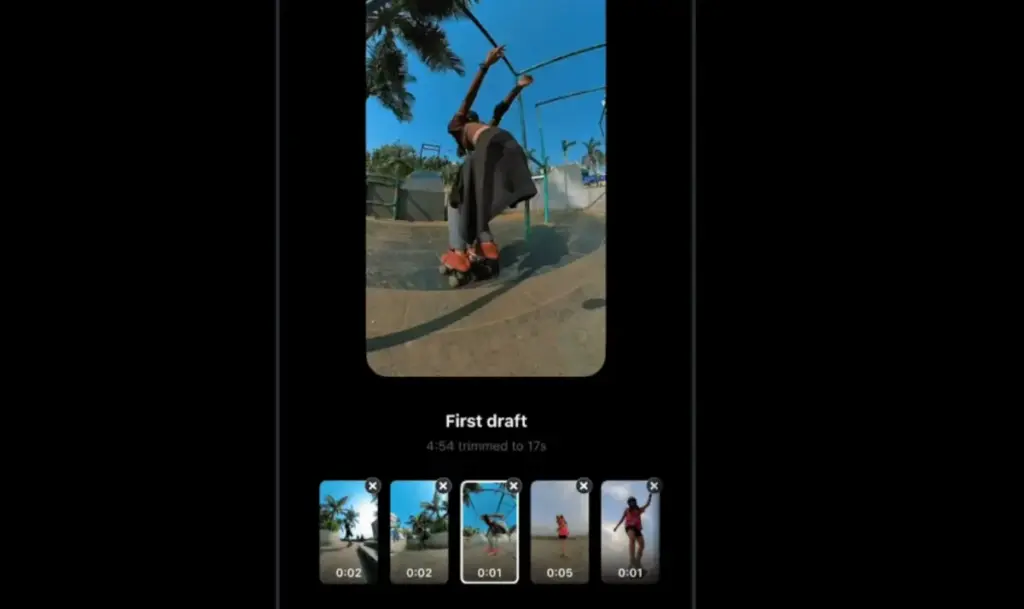
Recognizing this friction point, Instagram is introducing a sweeping evolution in how short-form content is assembled on its platform. Meta’s flagship photo- and video-sharing app has officially rolled out a powerful new automation feature called First Draft. Designed to target and eliminate the most tedious aspects of post-production, First Draft can autonomously edit a raw Reel in under ten seconds. By intelligently cutting pauses and trimming bloated clips, the feature aims to deliver an optimized, ready-to-refine starting point for creators with a single tap.
However, the launch of First Draft is about much more than mere convenience; it represents a calculated strategic chess move in the broader platform wars. While third-party creative ecosystems like ByteDance’s CapCut have dominated the mobile editing space by offering robust, automated tools, Instagram is bringing these capabilities directly into its native app. Oddly enough, the feature has debuted not within Edits—Meta’s dedicated, standalone video editor launched as a near-clone of CapCut—but within the main Instagram application itself.
This deliberate architectural choice underscores a desperate and pressing industry reality: platforms are locked in an existential battle for exclusive, native content. By lowering the barriers to in-app creation while simultaneously penalizing cross-platform reposts through algorithmic downgrades, Instagram is attempting to lock creators into a fully closed-loop ecosystem. This deep-dive report examines the mechanics of First Draft, its strategic alignment with Meta’s aggressive original-content policies, the curious omission of the tool from Instagram’s dedicated editing app, and what this means for the future of mobile content creation.
Detailed Chronology: The Evolution of Instagram’s Creator Toolkit
To fully understand the significance of the First Draft feature, one must trace the rapid acceleration of Instagram’s creator-first product strategy over the past several years. As short-form video usurped all other forms of social media consumption, Meta found itself scrambling to catch up to TikTok’s viral momentum.
The Great Pivot to Video and the Rise of Reels
When Instagram first introduced Reels in 2020, the platform was largely viewed as playing catch-up. Early versions of the feature offered rudimentary trimming and audio-overlay tools, forcing serious creators to shoot, edit, and color-correct their footage in third-party applications—most notably CapCut—before exporting the final file and uploading it to Instagram.
This reliance on external tools created a fragmented creator journey. Creators preferred CapCut not just because of its advanced templates and effects, but because its automation tools (such as auto-captions and silent-pause removal) saved hours of manual labor. Instagram realized that if it wanted to capture the lion’s share of exclusive, daily content, it needed to streamline the journey from capture to upload.
The Launch of Edits and the Standalone Strategy
In January 2025, Meta made a bold play to capture the heavy-duty editing market by launching Edits, a standalone video editing application designed to serve as a direct competitor to CapCut. Edits offered timeline-based editing, multi-track audio layering, complex transitions, and granular asset control. Industry analysts anticipated that Meta would route all its advanced, AI-powered automation features through this standalone application, keeping the main Instagram app lean and focused on social discovery and consumption.
However, user behavior quickly proved that friction remains the enemy of engagement. Forcing creators to jump between separate apps—shooting on one, editing in a dedicated suite like Edits, and finally sharing to Instagram—introduced unnecessary friction.
The 2026 Shift: Bringing the Automation In-House
By mid-2026, Instagram shifted tactics. Rather than driving creators to a separate application, the platform began aggressively integrating high-utility, time-saving features directly into the core user experience.
- July 2026: Instagram launched a streamlined "Replace Audio" feature, allowing music creators and video editors to swap out audio tracks seamlessly without rebuilding their projects from scratch.
- August 2026: Instagram officially debuted First Draft. Unveiled via a creator announcement on Threads, the tool brought instant, automated clip refinement directly into the native Reels creation flow. In less than ten seconds, the tool analyzes raw footage, excises dead air and awkward pauses, and generates a cohesive preliminary timeline—effectively democratizing professional-grade assembly editing for casual and professional creators alike.
Supporting Context & Metrics: The War Against the Repost
The release of First Draft cannot be viewed in a vacuum. It is the direct downstream effect of Instagram’s aggressive, multi-year policy crusade against aggregated and recycled content.
The Death of the Watermarked Repost
For years, a pervasive habit among short-form creators was the "workflow of convenience": shoot a video on TikTok, edit it in CapCut (complete with watermarks), upload it to TikTok, and then download that exact MP4 file—complete with the TikTok watermark—to reupload onto Instagram Reels and YouTube Shorts.
For platforms seeking to cultivate unique community cultures and advertiser-friendly environments, this cross-platform spam became an existential headache. Users grew fatigued seeing the exact same viral video cross-pollinated across three different apps on the same day.
Meta decided to fight back using both algorithmic punishment and product incentives:
- Algorithmic Suppression: In early 2026, Instagram updated its recommendation systems to actively suppress reposted content aggregates. Videos bearing watermarks from competing platforms or displaying metadata indicative of cross-posting were systematically blocked from hitting the coveted "Explore" and "Reels" recommendation tabs.
- The Originality Mandate: Meta tied creator monetization bonuses and algorithmic distribution strictly to "original content." If a creator wants broad organic reach on Instagram, the footage must originate natively or be free of third-party platform fingerprints.
Closing the Quality-of-Life Gap
Therein lies the core paradox that necessitated First Draft: You cannot demand that creators produce content natively on your platform if your native tools are markedly inferior to the third-party alternatives.
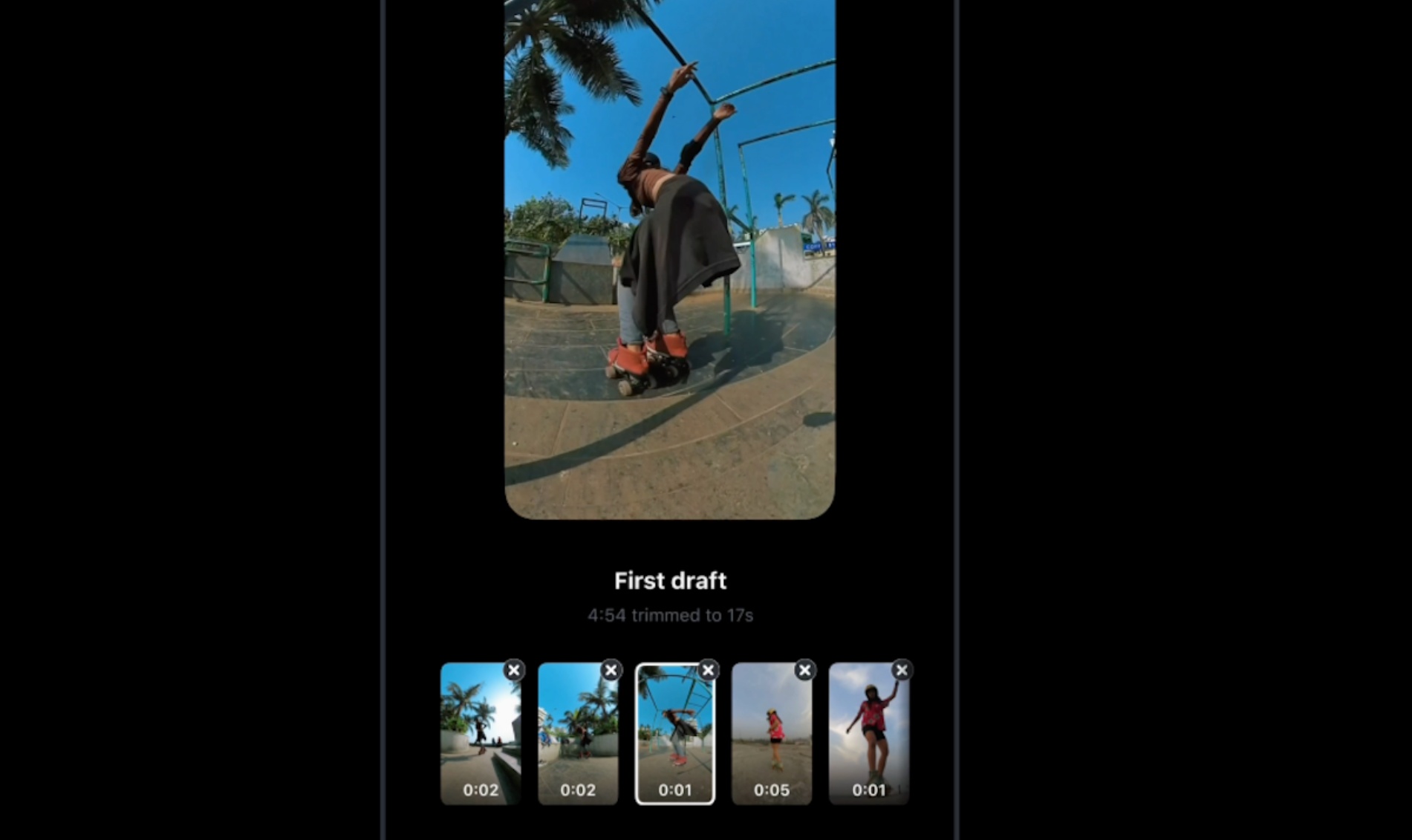
If editing a video natively on Instagram takes 20 minutes of tedious manual cutting, while doing it on CapCut takes two minutes thanks to automation, creators will inevitably lean toward the external app—risking algorithmic penalties in the process. By introducing First Draft, Instagram is attempting to bridge this quality-of-life gap. By cutting editing time down to under ten seconds, the platform removes the primary excuse creators use to drift toward external software.
Official Statements and Community Reception
The rollout of First Draft has sparked spirited debates across creator forums, developer spaces, and community platforms like Threads.
Meta’s Vision for Frictionless Creativity
According to product communications shared by Instagram’s creator teams, First Draft is designed to "cut the pauses and trim down your clips," offering users "a starting point to build from."
Industry insiders close to Meta emphasize that the ultimate goal of the feature is cognitive offloading. By automating the mechanical, brain-numbing work of deleting dead air and cutting out stuttered lines, Instagram frees up mental bandwidth for creators to focus on higher-level storytelling, narrative pacing, and engaging visual hooks.
The Community Conundrum: Why Skip Edits?
Despite the undeniable utility of the tool, tech commentators and power users on Threads were quick to point out a glaring strategic inconsistency: Why is First Draft living exclusively in the central Instagram app rather than being integrated into Edits, Meta’s dedicated video editing suite?
Replies on social threads questioned the product architecture. If Edits was built to be Meta’s flagship counter-punch to CapCut, leaving its most innovative, time-saving AI automation out of the dedicated app seems counterintuitive.
Analysts suggest two primary reasons for this deployment strategy:
- Immediate Utility at the Point of Action: Creators are lazy by nature (in the operational sense); they want to open an app, record, polish, and publish in the fewest taps possible. Forcing them to open Edits, generate a First Draft, and then export it to Instagram reintroduces the very friction Meta is trying to eliminate.
- Algorithmic Verification: By keeping the feature inside the main Instagram application, Meta can tightly couple the editing phase directly with its upload and verification pipelines, ensuring that the content is stamped as natively produced from the very first frame.
Future Outlook: What First Draft Means for the Next Era of Content Creation
As First Draft rolls out to global audiences throughout the latter half of 2026, its long-term implications for the creator economy are profound.
1. The Democratization of Professional Pacing
The secret sauce of viral short-form video has always been pacing. Jump cuts, tight frames, zero dead air, and rhythmic alignment with trending audio tracks are what keep human attention spans locked onto a screen. Historically, achieving this snappy rhythm required specialized editing knowledge. By automating the extraction of pauses and dead space, First Draft effectively bakes professional pacing instincts into the hands of absolute beginners. We can expect a massive influx of cleaner, faster-paced content from casual users who previously lacked the patience to edit their videos.
2. Escalating Feature Wars Among Tech Giants
The battleground for short-form video supremacy has shifted away from mere content discovery algorithms and onto the creative toolkit itself. Platforms are realizing that whoever controls the production layer controls the content pipeline. Expect TikTok, YouTube, and Meta to engage in an aggressive leapfrogging campaign over the next 24 months, integrating deeper generative AI automation—such as automated script-to-video assembly, real-time background cleanup, and predictive auto-captioning—directly into their core apps.
3. The Enshittification or Liberation of the Creator?
While automation tools like First Draft are celebrated as massive time-savers, they also spark important philosophical questions about the homogenization of content. If every platform uses similar AI algorithms to automatically trim pauses, structure hooks, and format vertical videos, will all content begin to look and feel mechanically identical?
For professional creators operating high-volume publishing schedules, the answer is secondary to efficiency. Time is money, and saving hours of manual cutting per week translates directly into higher output and greater revenue potential.
Conclusion
Instagram’s introduction of First Draft is far more than a minor quality-of-life update. It is a calculated tactical strike in Meta’s ongoing war for exclusive short-form media dominance. By tackling the tedious, time-consuming reality of video editing and reducing it to a ten-second automated process, Instagram is removing the last viable excuse creators have for leaning on third-party tools like CapCut.
While questions remain regarding Meta’s fragmented software strategy—specifically regarding the relationship between the main app and its standalone Edits suite—the immediate impact is undeniable. First Draft empowers creators to skip the drudgery of post-production and jump straight to storytelling, ensuring that Instagram remains a vibrant, natively-produced powerhouse for the foreseeable future.