Executive Overview
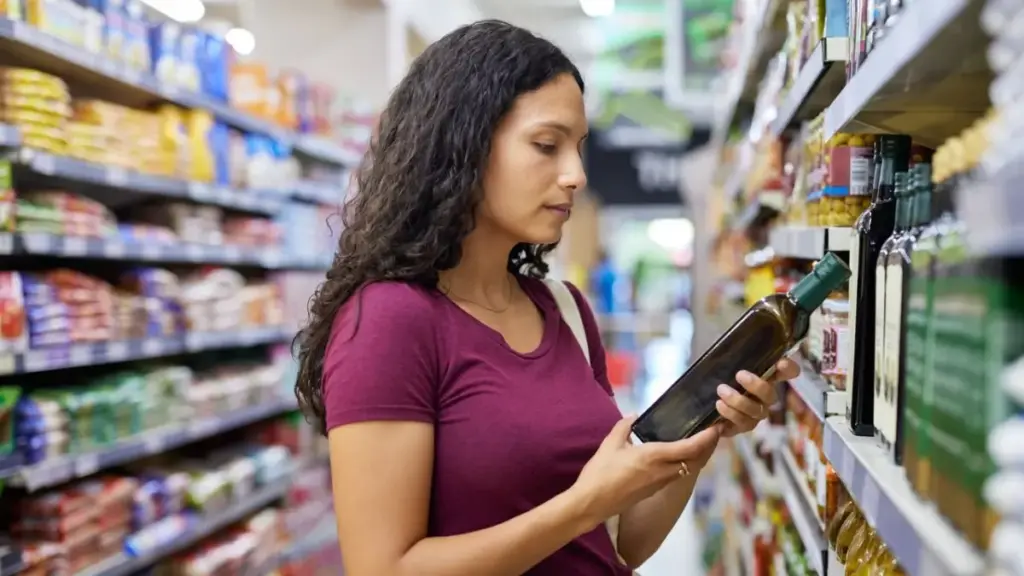
The contemporary supermarket aisle is undergoing a quiet, yet aggressive, transformation. No longer defined simply by canola, vegetable, and basic olive oil, modern shelves groan under the weight of an avant-garde generation of cooking fats. Consumers are now greeted by vitamin D-fortified sunflower oils, designer omega-3 genetically engineered blends, high-polyphenol "longevity" elixirs, and single-origin avocado oils commanding luxury price points.
As food tech converges with the multi-billion-dollar wellness industry, these cooking fats promise to deliver targeted health interventions directly from the frying pan. However, this commercial surge has triggered a quiet pushback within the nutritional community. Registered dietitians and clinical researchers are increasingly warning that aggressive marketing tactics are running dangerously far ahead of empirical science.
While certain functional oils offer localized biochemical benefits, the core philosophy of everyday cooking risks being obscured by wellness fads. This investigative report examines the science, marketing machinery, and practical utility of modern cooking oils. By consulting leading dietetic experts—including Johannah Katz and Factor’s Olivia Hamilton—we decode which culinary fats deserve a permanent spot in your pantry, which expensive trends to skip, and how to navigate the murky waters of functional food marketing.
Detailed Chronology: The Evolution of Cooking Fats and Wellness Trends
To understand how we arrived at an era of $40 artisanal polyphenol oils and vitamin-infused frying liquids, it helps to examine the chronological progression of dietary fats over the past several decades.
1. The Low-Fat Era (Late 20th Century)
For decades, dietary guidelines were dominated by the "low-fat" dogma. Saturated fats were vilified, and consumers were pushed toward highly processed vegetable oils, margarine, and hydrogenated trans fats. This era birthed a generation of chemical extraction methods that prioritized shelf-life and high smoke points over nutritional integrity, ultimately contributing to unforeseen public health consequences.
2. The Mediterranean Renaissance (Early 2000s)
As the low-fat paradigm collapsed under the weight of emerging clinical data, nutritional science pivoted toward the Mediterranean diet. Extra-virgin olive oil (EVOO) stepped into the spotlight. Landmark trials, such as the PREDIMED study, validated the profound cardiovascular benefits of monounsaturated fats and plant polyphenols. Olive oil transitioned from an ethnic culinary staple to a generalized health prescription.
3. The High-Heat and Functional Shift (2010s–2020)
As consumer demand for specialized diets (such as Keto and Paleo) accelerated, the market demanded fats that could withstand searing heat without oxidizing. Refined avocado oil and coconut oil emerged as kitchen essentials. Simultaneously, food science began engineering oils for specific functional outcomes, laying the groundwork for designer products.
4. The "Superfood" and Wellness Exploitation (Present Day)
Today, we occupy a hyper-commercialized intersection of social media trends and nutritional science. TikTok and Instagram trends popularized the "morning olive oil shot"—a ritual unsupported by clinical literature. Concurrently, biotech advancements produced fortified sunflower oils and ultra-high-polyphenol formulations carrying steep luxury price tags. The modern consumer is left trying to separate evidence-based nutrition from clever marketing copy designed to drive premium margins.
Supporting Context & Metrics: Decoding the Science of Four Essential Oils
To cut through the noise, dietitians recommend anchoring your kitchen around a few proven staples. Here is a breakdown of the nutritional profiles, clinical data, and practical uses for the four most dominant oils in modern cooking.
1. Extra-Virgin Olive Oil (EVOO)
- Nutritional Profile: Predominantly monounsaturated fatty acids (specifically oleic acid), alongside a complex array of phenolic compounds that act as antioxidants.
- Clinical Consensus: Regular intake is associated with reduced cardiovascular risk, lowered systemic inflammation, and improved endothelial function.
- Kitchen Application: Ideal for salad dressings, low-to-medium-heat sautéing, roasting, and finishing dishes.
- The Marketing Trap: The viral trend of taking raw olive oil shots on an empty stomach lacks clinical backing. Studies evaluate EVOO as part of an integrated dietary pattern, not as a concentrated, isolated bolus. Furthermore, raw shots can trigger gastrointestinal distress, acid reflux, or nausea in sensitive individuals while delivering an unnecessary spike in isolated calories.
2. High-Polyphenol Olive Oil
- Nutritional Profile: A specialized tier of EVOO harvested early and processed to maximize the retention of bioactive phenolic compounds. It is characterized by a distinct peppery, throat-burning finish.
- Clinical Consensus: Legitimate science supports its efficacy. A landmark randomized crossover trial involving 200 healthy men evaluated olive oils with varying polyphenol concentrations. Researchers discovered that HDL ("good") cholesterol rose progressively with the oil’s polyphenol content, while markers of lipid oxidation (which damages cellular structures) correspondingly declined.
- The Marketing Trap: While biochemically superior, high-polyphenol oils are frequently marketed using hyperbolic terminology—such as "longevity oil," "supercharged," or "activated." Experts caution that these terms do not equate to guaranteed lifespan extension or disease prevention. Additionally, high-polyphenol oils are expensive and possess a pungent flavor profile that alienates many palates.
3. Avocado Oil
- Nutritional Profile: Exceptionally high in monounsaturated fats (oleic acid) and low in saturated fats. Refined variants possess a very high smoke point.
- Clinical Consensus: Offers robust oxidative stability during high-heat cooking compared to polyunsaturated vegetable oils. However, prolonged or repeated thermal abuse will degrade even avocado oil’s chemical structure.
- Kitchen Application: Essential for high-heat roasting, searing proteins, air-fryer applications, and deep-frying due to its neutral flavor profile, which allows the natural tastes of food to shine through.
- The Marketing Trap: While nutritionally robust, it is not inherently "superior" to EVOO; rather, it occupies a different functional niche based on smoke point and flavor neutrality.
4. Sesame Oil
- Nutritional Profile: Contains unique bioactive lignans, notably sesamin and sesamolin, which have been heavily investigated for their metabolic and cardiovascular impacts.
- Clinical Consensus: A robust 2025 systematic review and meta-analysis encompassing 11 randomized trials confirmed that sesame oil significantly improved multiple blood-lipid biomarkers in adults managing metabolic conditions.
- Kitchen Application: Used primarily as a finishing oil in Asian-inspired dishes, marinades, and stir-fries. Its rich, toasted flavor allows cooks to utilize minimal quantities while achieving maximum sensory satisfaction.
- The Marketing Trap: Lignans and unsaturated fats should be viewed as a welcome culinary bonus, not an excuse to consume large volumes of sesame oil for medicinal remediation.
Official Statements and Expert Perspectives
The commercial pressure to turn every kitchen staple into a pharmaceutical-grade supplement has prompted sharp critiques from clinical practitioners working on the front lines of nutritional counseling.
"I do not believe every oil needs to function as a supplement or superfood," explains registered dietitian Johannah Katz. "Sometimes, an oil earns its place in the kitchen because it helps make vegetables, whole grains, fish, tofu, or other nutritious foods more enjoyable."
Katz emphasizes that the physiological benefits of traditional cooking fats—particularly extra-virgin olive oil—stem from culinary synergy. By replacing saturated fats like butter with plant-based monounsaturated fats, individuals naturally increase their intake of nutrient-dense whole foods.
"You do not need a $30 bottle of oil or a $4 daily olive oil shot to be healthy," concurs Olivia Hamilton, a registered dietitian at the meal delivery service Factor.
Hamilton points out that while enhanced, fortified, or designer oils are not inherently harmful, they represent an unnecessary financial burden for the average consumer.
"Nothing beats a baguette soaked in olive oil and red pepper flakes," Hamilton notes, advocating for a return to joyful, sustainable eating patterns. "I will also reach for olive oil as a base for most pasta sauces in lieu of heavy creams. Add in a healthy dose of fresh herbs and lemon juice, and you have a refreshing and nutrient-dense pasta sauce."
Regarding fortified cooking fats—such as sunflower oils enhanced with vitamin D—both experts acknowledge potential public health utility for specific demographics suffering from clinical deficiencies. However, they uniformly reject the notion that these engineered products are mandatory for baseline wellness.
Future Outlook: Navigating the Intersection of Food Tech and Culinary Reality
As we look toward the future of nutrition, the boundary between food and pharmaceutical science will continue to blur. Biotechnology companies are currently developing genetically modified oilseed crops designed to manufacture high concentrations of long-chain omega-3 fatty acids—historically found only in marine sources—directly within terrestrial plants.
While these innovations hold immense promise for global sustainability and nutritional equity, they also intensify the risk of consumer exploitation. The modern wellness economy thrives on manufacturing anxiety around foundational health, subsequently selling high-margin, technologically complex solutions to self-diagnosed problems.
Key Takeaways for the Conscious Consumer:
- Audit Your Pantry: You do not need a sprawling collection of artisanal, single-origin, functional oils. A high-quality, fresh extra-virgin olive oil for cold applications and everyday low-heat cooking, paired with a neutral refined avocado oil for high-heat searing, covers 95% of culinary needs.
- Ignore Viral Fads: Avoid costly and unverified wellness rituals, such as consuming raw oil shots. Focus instead on how fats interact synergistically with whole foods.
- Prioritize Simplicity Over Price: True long-term health is driven by fundamental lifestyle habits—incorporating diverse fruits and vegetables, engaging in daily physical movement, and replacing saturated fats with quality plant oils—none of which require a luxury budget.
Ultimately, the kitchen should remain a space of culinary creativity and nourishment, not a clinical laboratory. By evaluating modern cooking oils through the lens of empirical science rather than aggressive marketing, consumers can protect their wallets while optimizing their long-term health.