Executive Overview
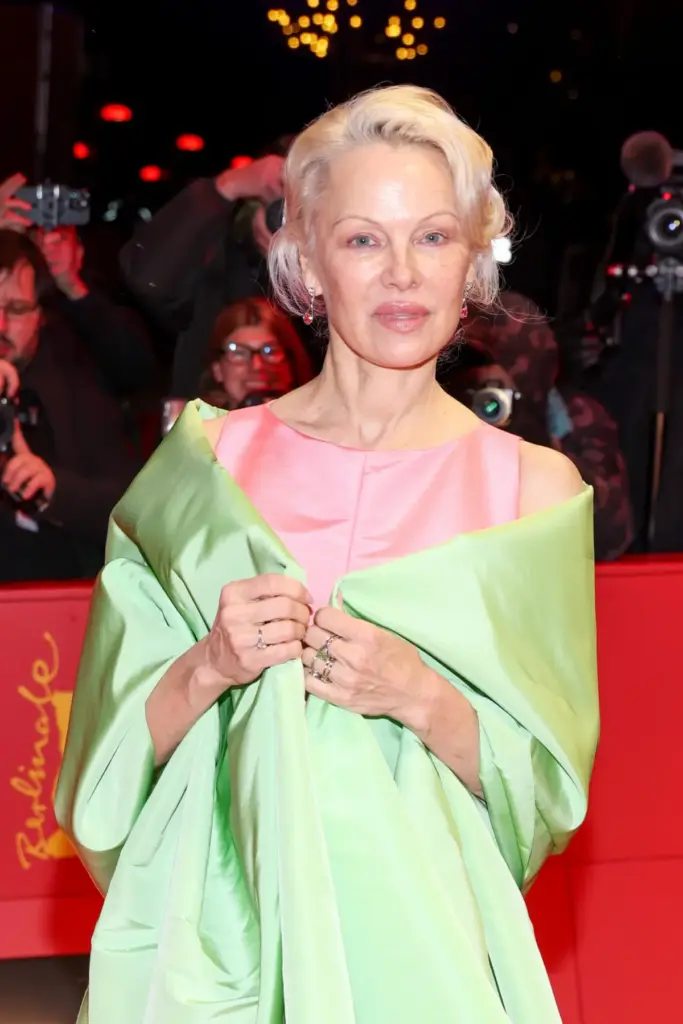
In an era dominated by hyper-engineered maximalism—where sculpted acrylics, multi-layered chrome finishes, and intricate 3D nail art regularly command millions of views across TikTok and Instagram—a quiet counter-revolution is taking place at the fingertips of the world’s most influential cultural icons. Leading the charge is actress, advocate, and beauty icon Pamela Anderson, whose recent embrace of a makeup-free lifestyle has organically expanded into the realm of high-end grooming. In a widely discussed recent social media appearance, Anderson was spotted sporting a pristine, color-free, bare-minimum manicure, instantly reigniting global interest in low-maintenance, ultra-natural aesthetics.
This stylistic shift is far more than a fleeting seasonal preference; it represents a profound psychological and cultural recalibration. Consumers are increasingly exhausted by the high-maintenance treadmill of continuous gel fills, acrylic removal damage, and the relentless pressure to keep pace with micro-trends. Enter the "glass nail" phenomenon—a sophisticated, color-free grooming technique that shifts the spotlight away from pigmented polishes and onto the raw, immaculate condition of the natural nail plate.
Far from looking undone or lazy, this minimalist approach channels the coveted "old money" aesthetic: understated, effortless, and deeply luxurious. Achieving this look, however, requires a deliberate pivot in strategy. When you strip away opaque lacquers and vibrant pigments, there is nowhere for imperfections to hide. The burden of style shifts entirely to rigorous cuticle care, precise structural shaping, and the intelligent use of transparent, nourishing glosses. This comprehensive investigative report explores the rise of the no-manicure manicure, the structural philosophy behind glass nails, professional maintenance protocols, and the broader cultural implications of ditching color in favor of radical nail health.
Detailed Chronology: The Evolution of the Bare Aesthetic
To understand the current obsession with the no-manicure manicure, one must trace the timeline of modern beauty standards, which have swung pendular-fashion between extreme artifice and radical minimalism over the past decade.
2016–2020: The Maximalist Peak
The late 2010s were defined by structural excess. Influenced heavily by reality television and the global explosion of nail artistry on social media, standard manicures evolved from simple manicures into architectural projects. Coffin-shaped acrylics, encapsulated glitter, neon gradients, and heavy gel extensions became the baseline of everyday beauty. While undeniably creative, this era laid the groundwork for widespread nail fatigue. Millions of beauty consumers began experiencing the detrimental side effects of continuous chemical exposure, harsh UV-light curing, and aggressive e-file removal processes that left natural nail beds paper-thin, peeling, and deeply compromised.
2021–2023: The Great De-escalation
As global lifestyle shifts prompted a collective reassessment of wellness and self-care routines during the early 2020s, the beauty industry experienced a micro-trend toward "clean girl" aesthetics. Milky white manicures, sheer neutral bases, and glazed-donut chrome effects dominated salons. These trends served as a transitional bridge—softening the visual blow of heavy artificial enhancements while maintaining a polished facade. Yet, beneath the sheer pinks and neutral taupes, the underlying obsession with artificial length and chemical-heavy salon visits persisted.

2023–Present: The Pamela Anderson Effect and Radical Authenticity
The true turning point arrived when Pamela Anderson made the deliberate, highly publicized decision to strip away her signature cosmetics entirely, stepping onto red carpets and front rows with a completely bare face. This act of defiance against ageism and rigid Hollywood beauty standards sent shockwaves through the global fashion and beauty landscape.
When Anderson naturally extended this philosophy to her hands—appearing on Instagram with short, unpolished, immaculate nails—it catalyzed an immediate digital movement. Celebrities, influencers, and everyday consumers began viewing bare nails not as a sign of neglect, but as the ultimate luxury flex. In a world where anyone can purchase a set of designer press-ons or spend two hours at a salon replicating complex nail art, possessing naturally strong, perfectly shaped, unvarnished nails has become the ultimate status symbol of time, health, and effortless confidence.
Supporting Context & Metrics: The Shift Toward Nail Wellness
The commercial and cultural pivot toward minimalist grooming is backed by significant shifts in consumer behavior and market data within the multi-billion-dollar global beauty industry.
The Rise of Nail Treatment Over Color
According to recent beauty retail analytics, sales of strengthening treatments, cuticle oils, ridge-filling base coats, and sheer, vitamin-infused nail tints have outpaced traditional opaque color polishes for consecutive quarters. Consumers are increasingly investing in skincare for their hands and nails, treating the nail plate as an extension of the epidermis rather than a canvas for temporary art.
The True Cost of Maximalism
Dermatologists and nail technicians have long warned of the cumulative damage associated with long-term acrylic and gel use. Key concerns driving consumers toward the no-manicure movement include:
- Keratin Granulation: White, rough patches on the nail surface caused by the dehydration and trauma of improper gel removal.
- Onycholysis: The separation of the nail plate from the nail bed, frequently triggered by allergic reactions to acrylates found in gel systems or physical trauma from nail extensions.
- Chronic Dehydration: The stripping of natural lipids from the nail plate due to acetone soaking and harsh chemical priming.
By embracing a low-maintenance, color-free philosophy, consumers are actively participating in nail rehabilitation—allowing their natural keratin structures to recover, strengthen, and grow without chemical interference.

Official Statements and Expert Protocols: Mastering the "Glass Nail"
Achieving an expensive-looking, color-free manicure requires a meticulous approach to grooming. Without vibrant polish to distract the eye, every detail—from the curvature of the free edge to the hydration of the lateral folds—takes center stage. We consulted top industry authorities to establish the definitive protocol for the modern glass nail.
The Foundation: Precision Shaping
"With a color-free manicure, the condition of the natural nail becomes the focus, so good prep makes all the difference," explains Susan Carroll, founder of Young LDN, a premier beauty and wellness destination in London.
Carroll emphasizes that the silhouette of the nail must be uniform and tailored to hand anatomy. "Start by keeping the nails a consistent length and shape. I personally love a short squoval or softly rounded shape for bare nails because it always looks really well-maintained." Short lengths eliminate the risk of snagging or breaking, which can instantly derail the clean, minimalist aesthetic.
Meticulous Cuticle Care
The hallmark of a high-end manicure is not the polish, but the treatment of the skin framing the nail. Carroll recommends a gentle, non-aggressive approach to cuticle maintenance:
- Hydration First: Apply a specialized cuticle oil rich in vitamin E, jojoba oil, or squalane to soften the tissue surrounding the nail plate.
- Gentle Pushing: Using a rubber hoof stick or a soft wooden pusher, gently edge back the live tissue without cutting aggressively, which can lead to inflammation and uneven regrowth.
- Ridge Management: "If the nail surface is slightly uneven, you can very lightly buff it to smooth out any ridges and bring back some natural shine," Carroll advises. However, she issues a critical warning: "You don’t want to over-buff, as this can thin and weaken the nail over time."
Enhancing the Shine: The Role of Glosses and Ridge Fillers
To achieve the coveted "glass" finish without relying on pigmented polishes, experts recommend incorporating targeted hybrid treatments. A high-quality ridge-filling base coat acts as a primer, smoothing out microscopic imperfections on the nail plate to create a seamless, light-reflective surface.
For those who desire a touch of luminosity without committing to color, gently tinted, transparent nail glosses—such as jelly top coats or active glow formulas—impart a healthy, rosy tint that mimics natural blood circulation beneath a high-shine lacquer.

Future Outlook: The Longevity of Understated Luxury
As we look toward the future of personal grooming, the no-manicure trend is poised to evolve from a niche counter-cultural statement into a permanent fixture of modern chic. The macro-trend toward "quiet luxury"—characterized by an emphasis on quality materials, impeccable health, and zero-logo discretion—aligns perfectly with the philosophy of the bare nail.
Furthermore, the integration of skincare science into nail care will continue to accelerate. We anticipate a surge in biotech-driven nail treatments infused with peptides, ceramides, and botanical extracts designed to fortify the nail matrix from within. Salons will increasingly pivot their service menus away from lengthy structural enhancement appointments and toward restorative "nail facials"—comprehensive treatments focused on deep hydration, exfoliation, and mechanical polishing.
Ultimately, Pamela Anderson’s embrace of the bare nail serves as a liberating reminder for modern consumers: true style is rooted in confidence, authenticity, and uncompromising personal health. By stepping away from the endless cycle of artificial enhancements, we reclaim not only the natural beauty of our hands, but also the invaluable luxury of time.