Executive Overview
In the hyper-competitive landscapes of contemporary beauty and wellness, the digital screen is merely the starting line. While TikTok hauls, Instagram aesthetics, and programmatic ad spends dictate top-of-funnel awareness, the true crucible of consumer loyalty is forged offline. Behind every viral product launch, multi-million-dollar brand trip, and immersive pop-up lies an invisible infrastructure of strategists, producers, and public relations architects. These industry insiders engineer physical spaces for maximum emotional impact, cultural resonance, and measurable return on investment.
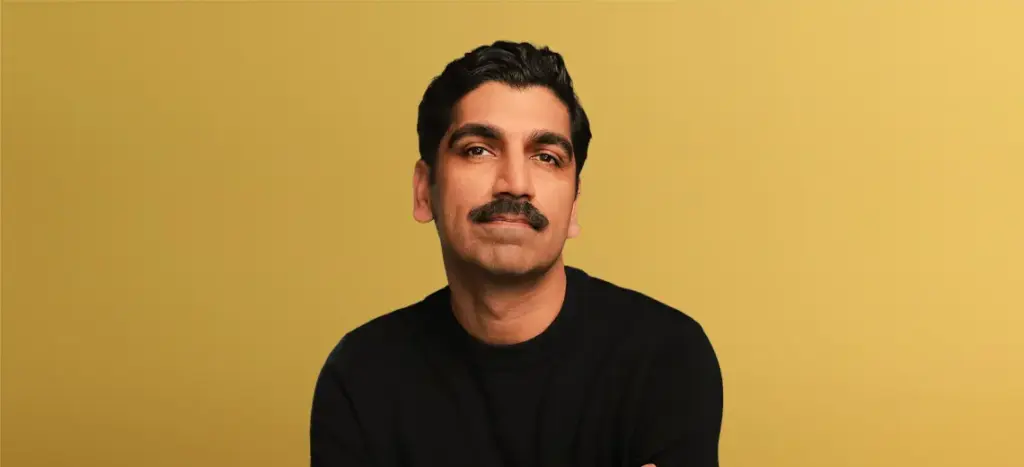
This paradigm sits at the core of the latest installment of the Glossy Beauty Podcast, hosted by Lexy Lebsack. The episode features an in-depth conversation with Bilal Kaiser, founder and principal of Agency Guacamole—a prominent boutique communications agency headquartered in Los Angeles and New York City. Kaiser, a former L’Oréal Group executive and marketing educator at UCLA and NYC’s General Assembly, brings nearly two decades of insider perspective to the table. Having orchestrated experiential campaigns for heavyweight retailers and brands such as Olive Young, NYX Professional Cosmetics, Therabody, Matrix, Redken, Ole Henriksen, and Evereden, Kaiser is uniquely positioned to dissect the current state and future trajectory of live marketing.
As the industry looks ahead toward 2026 and beyond, the rules of engagement are undergoing a radical shift. In this comprehensive breakdown, Kaiser unpacks the nuanced strategies required to captivate wildly diverse demographics—spanning Gen Alpha, Gen Z, Millennials, and Gen X—while simultaneously satisfying the distinct demands of press, creators, and everyday consumers. Amid tighter budgets, compressed timelines, and skyrocketing consumer expectations, the mandate for brand leaders is clear: experiential marketing is no longer just about throwing a party; it is about engineering a multi-phased psychological ecosystem.
Detailed Chronology: The Anatomy of Modern Experiential Production
To understand how high-end beauty and wellness events are conceptualized and executed today, one must examine the operational timeline managed by agencies like Agency Guacamole. The lifecycle of a modern brand activation has transformed from a linear project plan into an agile, multi-channel campaign that requires precision timing and cross-functional synchronization.
Phase 1: Conceptualization and Strategy (6 to 9 Months Prior)
The genesis of any successful brand activation begins long before the first mood board is pinned. In the post-pandemic landscape, where budgets are frequently scrutinized while expectations for scale and grandeur remain elevated, the strategic foundation must be airtight.
- Defining the North Star: Agencies work closely with internal brand marketing teams to establish core Key Performance Indicators (KPIs). Is the event designed for brand awareness, direct-to-consumer conversion, creator acquisition, or press validation?
- Audience Segmentation Mapping: Because contemporary events rarely cater to a monolithic crowd, producers must map out the spatial and programmatic needs of disparate cohorts. A single venue may need to accommodate high-tier editors in the morning, micro-influencers in the afternoon, and loyalty-tier consumers by evening.
Phase 2: Design, Build, and Financial Engineering (3 to 5 Months Prior)
Once the strategic architecture is locked in, the logistical machinery kicks into high gear. This phase is characterized by a delicate negotiation between creative ambition and fiscal reality.
- The "More for Less" Tightrope: According to Kaiser, today’s climate demands larger-than-life experiences on leaner budgets. Producers must leverage strategic partnerships, co-branded sponsorships, and modular set designs to maximize visual ROI without inflating line-item costs.
- Regulatory and Venue Acquisition: Securing permits in metropolitan hubs like New York and Los Angeles requires early alignment with local municipalities, compliance officers, and venue operators, particularly when incorporating live elements, pyrotechnics, or custom builds.
Phase 3: The 360-Degree Integration (The Lead-Up)
The days of building an activation in isolation are dead. Modern event production functions as the central hub of a 360-degree marketing funnel.
- The "Before" Phase: Teaser campaigns, digital invitations, and algorithmic seeding generate anticipation. For creator-heavy trips or VIP dinners, unboxing-style mailers sent to attendees ahead of time help build narrative momentum.
- The "During" Phase: This is the live execution. Every square foot is audited for "Instagramability" and "TikTok-native" framing, ensuring that lighting, soundscapes, and interactive stations naturally encourage organic social sharing without feeling forced.
- The "After" Phase: The activation does not end when the last guest departs. Post-event reporting, user-generated content (UGC) syndication, press clipping analysis, and retargeting loops are deployed immediately to extend the lifecycle of the event’s media value.
Supporting Context & Metrics: The Economic and Demographic Realities of Eventing
Navigating the contemporary events landscape requires a deep understanding of macroeconomic pressures and generational psychology. The beauty and wellness sectors are currently witnessing a convergence of financial compression and heightened consumer cynicism, forcing marketers to operate with unprecedented precision.
The Macroeconomic Squeeze: Timelines, Budgets, and Expectations
Kaiser highlights a defining paradox of modern event production: shorter timelines, tighter budgets, and higher expectations.
- Budgetary Constraints: Brands are trimming discretionary marketing overheads in response to macroeconomic uncertainty, yet leadership teams still demand viral moments that rival the multimillion-dollar activations of the pre-inflation era.
- Elevated Consumer Expectations: Consumers and creators are routinely exposed to hyper-curated, cinematic experiences across social media. Consequently, an activation that would have felt impressive five years ago can easily register as underwhelming today. Producers must rely on clever spatial design, multi-sensory storytelling, and psychological engagement rather than brute financial force.
Generational Nuances: Designing for a Multi-Age Audience
A one-size-fits-all approach to event design is a recipe for irrelevance. Modern brand activations must seamlessly cater to multiple generations, each possessing distinct media consumption habits, bullshit detectors, and value systems.
+--------------------+---------------------------------------------------+---------------------------------------------------+
| Demographic Cohort | Core Event Preferences ("Ins")                    | Major Red Flags ("Outs")                          |
+--------------------+---------------------------------------------------+---------------------------------------------------+
| Gen Alpha          | Gamified touchpoints, sensory immersion, vibrant  | Overly rigid adult-centric programming, lack of   |
|                    | visual aesthetics, digital-physical crossovers.   | interactive zones.                                |
+--------------------+---------------------------------------------------+---------------------------------------------------+
| Gen Z              | Radical authenticity, creator-friendly spaces,    | Forced TikTok meme integration, "cringe" brand    |
|                    | transparent brand storytelling, low-friction UGC. | positioning, corporate stiffness.                 |
+--------------------+---------------------------------------------------+---------------------------------------------------+
| Millennials        | Educational touchpoints, premium hospitality,     | Chaotic logistical bottlenecks, lack of personal  |
|                    | efficient programming, wellness integrations.     | comfort, overly crowded "cattle call" setups.     |
+--------------------+---------------------------------------------------+---------------------------------------------------+
| Gen X              | Quiet luxury, intimate networking, high-touch     | Exclusionary VIP hierarchies, dismissive staff,   |
|                    | product efficacy demonstrations, sophistication.  | superficial influencer-dominated chaos.           |
+--------------------+---------------------------------------------------+---------------------------------------------------+
Decoding Gen Z: Authenticity vs. The Cringe Factor
Gen Z consumers and creators represent a critical demographic for beauty and wellness brands, yet they are notoriously difficult to appease. According to Kaiser, Gen Z possesses an instantaneous radar for inauthenticity.
- The "In" List: Leaning heavily into a brand’s true DNA and letting younger consumers have organic fun with the products. When Gen Z feels respected rather than marketed to, they are remarkably enthusiastic participants and eager content creators.
- The "Out" List: Blindly chasing ephemeral TikTok memes, trending audio clips, or viral cultural moments that have no organic connection to the brand’s identity. Brands that attempt to force themselves into online conversations late in the cycle run the risk of looking desperate, out-of-touch, and inherently "cringe."
Official Statements and Industry Insights
The insights shared by Bilal Kaiser during his conversation with Lexy Lebsack offer a masterclass in modern public relations and experiential strategy. Below are key excerpts and contextual breakdowns from the discussion:
“[The beauty and wellness event space has] evolved significantly. I would say, especially coming out of Covid, I’ve observed the following few things happening. One, timelines are shorter, budgets are tighter, expectations are higher. So, give me more, give me bigger, but you have less. […] If any clients are listening to this, we genuinely do love the challenge. But for everyone who’s not a client, you know how hard that can be to constantly deal with.”
— Bilal Kaiser, Founder and Principal, Agency Guacamole
Kaiser’s candid acknowledgment of the industry’s friction points underscores the mental agility required by agency leadership. The mandate to deliver outsized impact under restrictive conditions has turned event production into a high-stakes chess match where every dollar spent must perform double duty.
“[Another evolution] is a lot more intentionality behind events, and I anticipate that to become even more of a priority going into 2027 and beyond. And the third observation I would say is more of a connection to other parts of the marketing and PR funnel. I know we’ve talked about 360 [degree] marketing forever… but what I’ve observed with events, specifically, is, looking at an activation, you want to think about the before, the during and the after.”
— Bilal Kaiser
This emphasis on structural intentionality signals a mature phase in experiential marketing. Brands are moving away from vanity metrics—such as headcounts or raw square footage—and moving toward deep-funnel conversion metrics. By integrating live activations directly into CRM acquisition campaigns, affiliate marketing tracks, and sustained PR narratives, agencies are proving the tangible business value of physical gatherings.
“Gen Z is very quick to say if something is cringe or something is awkward, and there’s no point in trying to be something you’re not. I say lean into your own brand story and DNA, no matter what the audience is. But if your audience is Gen Z, just lean into that and let them have fun with it… One thing that’s probably on the ‘out’ list is… [viral] TikTok memes or sounds that make their way into the broader culture… [They are] fun and so cool in the moment, but as soon as the expiration date hits, it becomes the opposite.”
— Bilal Kaiser
Kaiser’s warning against trend-chasing serves as an essential strategic guardrail. In an ecosystem dominated by algorithmic velocity, the temptation to pivot brand identity to match weekly internet micro-trends is immense. Kaiser’s philosophy champions long-term brand equity over short-term algorithmic dopamine hits.
Future Outlook: The Horizon of Experiential Marketing (2026 and Beyond)
As the beauty and wellness industries chart their course toward 2027 and subsequent years, several macro-trends are poised to redefine how brands interact with their audiences in physical spaces.
1. Radical Intentionality and Purpose-Driven Activations
The era of the purely hedonistic brand trip or superficial pop-up is facing increasing scrutiny. Consumers, press, and internal corporate boards alike are demanding purpose. Moving forward, successful events will increasingly incorporate elements of social impact, sustainability, mental health and wellness integration, and genuine community building. Brands that can prove their events leave a positive net footprint—both environmentally and socially—will capture the loyalty of discerning modern consumers.
2. The Hyper-Personalization of Spatial Design
With data analytics enabling brands to understand their consumer bases at a granular level, physical events will become increasingly responsive to attendee profiles. We will see the rise of dynamic spatial architecture where digital RFID tags, app-enabled check-ins, and AI-driven personalization tailor the physical journey of a guest in real-time. Whether customizing a skin-analysis station for a beauty editor or curating specific product trial kits for a Gen Z creator, personalization will move from the digital dashboard directly onto the event floor.
3. Proof of Performance: Closing the Attribution Loop
Perhaps the most definitive shift on the horizon is the demand for rigorous attribution modeling. Agency leaders like Kaiser will be measured not just by the aesthetic brilliance of a build or the star-studded guest list, but by closed-loop analytics. Brands will require demonstrable data proving how an experiential activation directly influenced direct-to-consumer sales velocity, retail sell-through rates at partners like Olive Young or Sephora, and long-term customer lifetime value (LTV).
In this high-stakes, fast-moving environment, the invisible teams of insiders engineering these moments will remain the true architects of brand destiny. As Bilal Kaiser and Agency Guacamole demonstrate, mastering the delicate intersection of tight budgets, compressed timelines, and generational psychology is the ultimate competitive advantage in the future of beauty and wellness.