Executive Overview
For an entire generation of British consumers, New Look was the undisputed heartbeat of the high school wardrobe. Whether it was sourcing reliable tall jeans that actually fit, picking up emergency heels for a bridal party, or experimenting with fast-moving trends on a modest allowance, the brand was a ubiquitous presence on high streets and in shopping centres nationwide. However, as the digital age accelerated and fast-fashion conglomerates split into ultra-fast online giants and hyper-curated luxury houses, many millennial shoppers—who quite literally grew up alongside the brand—gradually let New Look slip off their radar.
That narrative, however, is undergoing a profound and unexpected rewrite.
In a masterclass of retail repositioning, New Look has quietly executed a major glow-up, shifting its focus from fleeting micro-trends to elevated everyday luxury, cohesive capsule collections, and premium fabrications. By leaning into luxury-adjacent aesthetics—such as real suede coordinates, architectural tailoring, and runway-inspired funnel-neck outerwear—the brand has successfully recaptured the attention of discerning shoppers who demand versatility, quality, and affordability. This comprehensive investigation examines the strategic evolution of New Look, analyzing how a staple of the British high street successfully modernized its catalog to win back the millennial demographic.
Detailed Chronology: The Evolution of New Look’s High-Street Strategy
To understand New Look’s current resurgence, one must look at the structural shifts the company has navigated over the past decade. The brand’s journey from a ubiquitous brick-and-mortar giant to a streamlined, digitally-savvy lifestyle label is a case study in retail adaptation.
Phase One: The Mass-Market Era (Pre-2018)
During the height of the 2000s and early 2010s, New Look operated on a high-volume, rapid-turnaround model. The strategy was simple: flood the sales floor with thousands of SKUs mirroring every runway trend within weeks of their debut. While this cemented the brand’s status as a go-to destination for affordable occasion wear and denim, it also left the retailer vulnerable to changing consumer values. As shoppers began shifting away from disposable fashion toward durability and timeless design, traditional high-street players faced severe margin pressures.
Phase Two: The Rationalization and Digital Pivot (2018–2022)
Facing a saturated market and structural changes in commercial real estate, New Look initiated a company-wide restructuring plan. This involved closing underperforming physical stores, renegotiating leases, and pouring capital into its e-commerce infrastructure. The pandemic accelerated these changes, forcing the brand to re-evaluate its product mix. Instead of trying to compete in the hyper-cheap ultra-fast fashion race against newly emerged digital giants, New Look began trimming the fat from its collections, focusing heavily on core categories where it historically excelled: denim, footwear, and foundational tailoring.
Phase Three: The Premium Pivot and Material Upgrades (2023–Present)
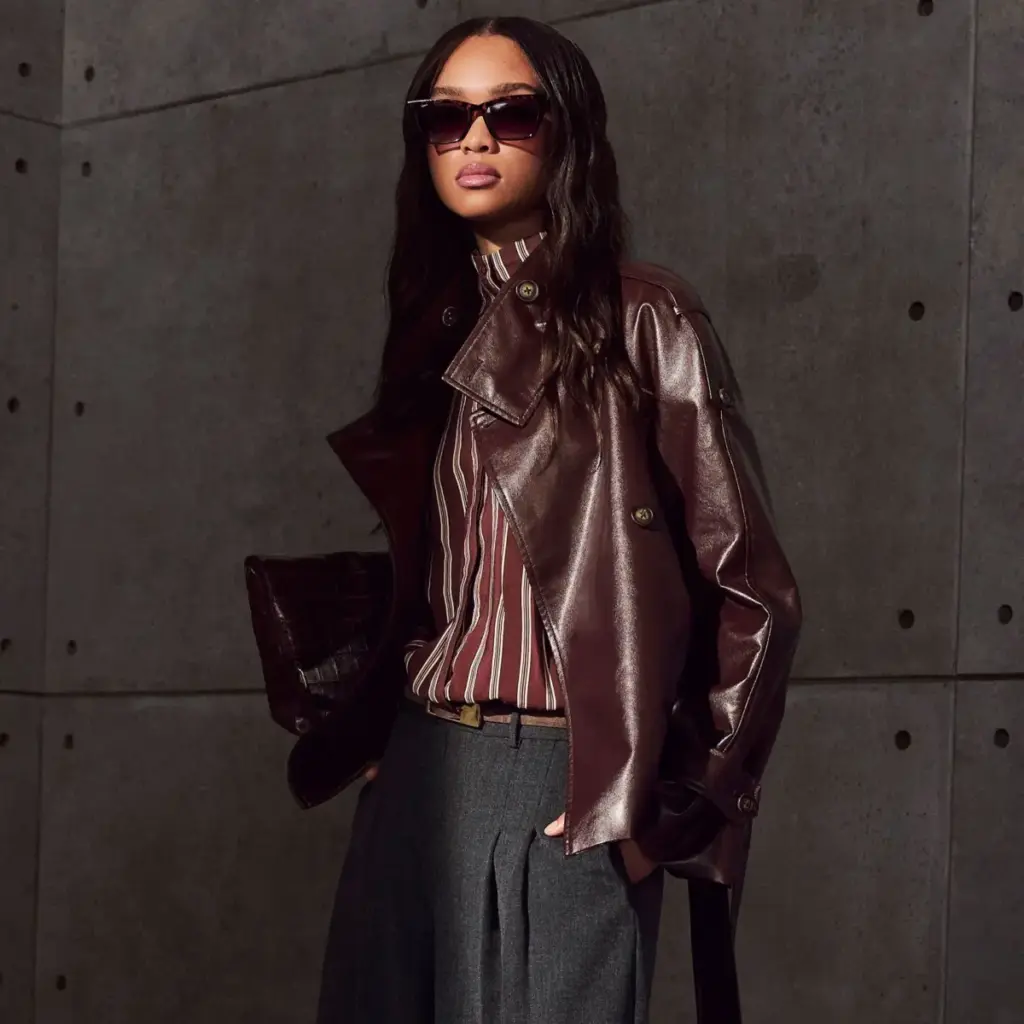
The turning point for the brand’s recent renaissance lies in the quiet rollout and aggressive expansion of its "Premium Collection." Rather than relying solely on synthetic blends, New Look began introducing higher-end fabrications—such as genuine leather, real suede, and structured wool-blends—at price points that remain remarkably accessible. By aligning its design language with quiet luxury sensibilities and runway-adjacent silhouettes (drawing cues from houses like Miu Miu, Alaïa, and Chanel), New Look bridged the gap between accessible high-street pricing and elevated, grown-up styling.
Supporting Context & Metrics: The Millennial Consumer Shift
The resurgence of New Look is not occurring in a vacuum; it aligns with a broader macroeconomic and psychological shift among millennial consumers.
The Millennial Wardrobe Crisis
Millennials—now ranging in age from their late twenties to early forties—are experiencing a distinct wardrobe evolution. Having spent their youth cycling through hyper-trendy, disposable fashion, this cohort is now prioritizing cost-per-wear, professional polish, and timeless comfort. However, traditional luxury houses remain out of reach for many amid ongoing economic tightening and cost-of-living pressures.
This has created a massive market gap for "accessible luxury" or "masstige" fashion. According to recent retail analytics, mid-market retailers that can successfully mimic the styling cues of high-end designers while using elevated materials are seeing outsized growth in their core adult demographics.
The Rise of the Premium Collection
New Look’s strategic decision to scale its premium offerings has paid dividends. While the brand still caters to its traditional entry-level consumer base, pieces like the newly dropped Premium Dark Brown Real Suede Button Through Jacket (£120) and its matching mini skirt represent a clear departure from standard high-street output.
Suede has dominated recent autumn/winter runways, championed by luxury houses like Chanel, Dior, Miu Miu, and Coach, as well as fashion-forward icons like Zoë Kravitz. By introducing a mole-coloured, real-suede co-ord to its lineup, New Look has effectively democratized a major luxury trend. Industry observers note that high-street retailers offering genuine leather and suede at sub-£150 price points capture a dual audience: budget-conscious trendsetters and mature shoppers looking for genuine wardrobe investments without four-figure price tags.
Official Statements & Industry Perspectives
While New Look’s leadership has kept specific forward-looking financial disclosures tightly managed, retail analysts and fashion editors have been vocal about the brand’s trajectory.
In recent industry roundtables focusing on the high-street landscape, fashion commentators have highlighted the importance of "wardrobe longevity" over fast-fashion churn. Industry insiders note that brands surviving the current retail climate are those that understand their original customer base has matured.
"When a brand grows up with you, there is an inherent reservoir of brand equity," notes one London-based retail strategist. "The challenge is convincing the consumer that your design vocabulary has evolved alongside them. New Look’s recent focus on tactile fabrics, neutral color palettes, and structured tailoring proves they aren’t just trying to capture Gen Z—they are successfully winning back the millennials who bought their prom shoes a decade ago."
Furthermore, the brand’s design team has leaned heavily into day-to-night versatility. Pieces such as funnel-neck autumn jackets—a silhouette popularized by designers like Altuzarra, Victoria Beckham, and Christopher Esber—have been reinterpreted in both faux leather and structured belted iterations. This bridges the gap between office-appropriate tailoring and evening outerwear, a critical requirement for working professionals navigating hybrid work schedules.
Future Outlook: What’s Next for New Look
As New Look looks toward the remainder of the decade, its strategic roadmap points to a sustained focus on curated capsule collections, premium fabrications, and seamless omnichannel integration.
1. Expanding the Premium Tier
Given the enthusiastic consumer response to real suede separates and structured outerwear, expect New Look to further expand its premium tier. Introducing matching sets—such as the suede mini-skirt and jacket combination—allows the brand to capture higher average order values (AOV) while satisfying consumer demand for coordinated, ready-to-wear styling.
2. Doubling Down on Core Competencies
While fashion-forward pieces generate the headlines, New Look’s financial backbone remains its mastery of core wardrobe staples: perfectly cut denim, comfortable footwear (including extended sizing and specialized fits), and reliable seasonal layering pieces. Maintaining quality control in these foundational categories will be essential for retaining the trust of returning millennial shoppers.
3. Sustainability and Material Transparency
As regulatory scrutiny on fashion supply chains intensifies—particularly regarding the sourcing of animal by-products like leather and suede—New Look will need to ensure transparency in its premium sourcing. Consumers paying £120 for a real suede jacket increasingly expect ethical manufacturing certifications and durability guarantees.
Conclusion
New Look’s recent glow-up serves as a powerful reminder that heritage high-street brands are not necessarily destined for obsolescence. By correctly diagnosing the changing needs of its core demographic, upgrading material composition, and aligning closely with contemporary runway trends without losing its signature accessibility, New Look has engineered a remarkable comeback. For millennials who thought their relationship with the brand ended at graduation, it is officially time to look again.