Executive Overview
For decades, the intersection of technology and fashion was strictly utilitarian. Tech elites were stereotyped by their uniform-like wardrobes—think Steve Jobs’ black Issey Miyake mock turtlenecks, Mark Zuckerberg’s gray Brunello Cucinelli t-shirts, or the ubiquitous Silicon Valley branded fleece vest. These garments were designed to project modesty, hyper-efficiency, and a singular focus on engineering breakthroughs rather than sartorial self-expression.
Today, that paradigm has undergone a radical, high-stakes transformation. Silicon Valley has discovered the power of the merch drop.
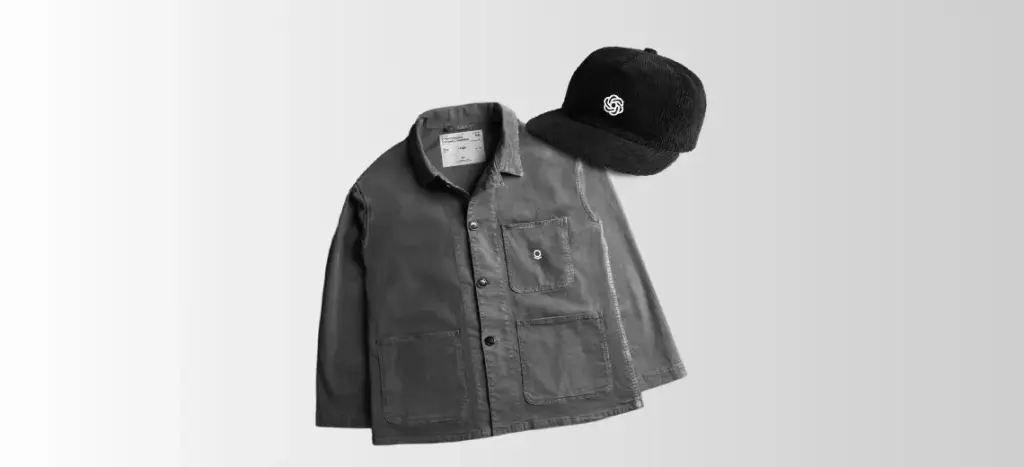
From Palantir’s tactical chore coats and Anthropic’s branded "thinking caps" to OpenAI’s dedicated apparel arm, Supply Co., artificial intelligence and big tech corporations are aggressively musering their way into the streetwear market. Over the past year, tech conglomerates have begun releasing limited-edition, hype-driven collections, hosting exclusive pop-up shops, and even creating unorthodox corporate roles such as "Head of Vibes."
Yet, this sudden pivot into high-low fashion has ignited a polarizing cultural debate. While dedicated tech enthusiasts and hyper-online early adopters are eagerly snapping up these limited runs—often causing immediate sell-outs—the traditional fashion and streetwear communities have reacted with visceral hostility. Critics slam the trend as a cynical attempt at corporate reputation laundering. They point out the jarring disconnect between the progressive, youth-driven aesthetics of streetwear and the controversial realities of the companies funding them, many of which face intense public scrutiny over mass surveillance contracts, environmental footprints, and aggressive data acquisition models.
To unpack this phenomenon, Highsnobiety style writer Chris Erik Thomas recently joined the Glossy Fashion Podcast. In a wide-ranging conversation, Thomas dissected the underlying motivations driving tech giants to trade code for cuffs, the glaring aesthetic missteps plaguing these collections, and why the streetwear community has soundly rejected Silicon Valley’s attempts at cool.
Detailed Chronology: How Tech Found Streetwear
The infiltration of big tech into the fashion ecosystem did not happen overnight. It represents a calculated evolution in corporate branding, shifting from internal employee swag to outward-facing consumer luxury statements.
Phase 1: The Internal Swag Era (Pre-2020)
Long before public streetwear drops, Silicon Valley was defined by corporate merch culture. Tech giants routinely distributed branded hoodies, t-shirts, and backpacks at internal hackathons and developer conferences like Apple’s WWDC or Google I/O. These items were rarely intended for the general public; they functioned as badges of belonging for engineers and developer communities, carrying virtually zero cultural cachet outside the tech bubble.
Phase 2: The Vibe Shift and the Palantir Chore Coat (2022–2023)
The turning point arrived as tech companies realized that software alone was no longer enough to capture cultural dominance. Amid mounting regulatory scrutiny, public relations crises, and the post-pandemic cultural reckoning over tech’s societal impact, companies began investing heavily in "vibes."
Palantir became an unexpected pioneer in this space. Known for its deep ties to military and intelligence agencies, the data analytics firm launched high-end, limited-release apparel, most notably its branded chore coat. Built with a rugged, workwear aesthetic, the coat was designed to deliberately disarm critics by borrowing the visual language of blue-collar labor. It signaled a broader strategy: humanizing faceless algorithms through tangible, tactile objects.
Phase 3: The Generative AI Boom and "Supply Co." (2023–Present)
The explosive mainstream debut of generative AI accelerated this trend dramatically. As companies like OpenAI, Anthropic, and various hardware startups captured the global zeitgeist, they quickly recognized that consumer affection could be monetized beyond software subscriptions.
Anthropic introduced its branded "thinking caps," capitalizing on meme culture within developer circles. Soon after, OpenAI formalized its fashion ambitions by launching Supply Co., an official apparel division dedicated to regular, hyped merch drops. Tech companies were no longer just building software; they were operating like Supreme, Kith, or Palace, utilizing artificial scarcity and digital drop models to manufacture cultural relevance.
Supporting Context & Metrics: Hype vs. Reality
To fully understand the tech-fashion crossover, one must examine the striking dichotomy between commercial success and cultural backlash. On paper, these apparel lines are thriving. In practice, they exist in a bizarre cultural vacuum.
The Numbers: A Booming, Niche Market
Despite widespread mockery from tastemakers, the financial metrics indicate a healthy, growing consumer appetite:
- Immediate Sell-Outs: OpenAI’s drops regularly sell out within minutes of going live on their digital storefronts, driven by a mixture of tech workers, speculators, and AI enthusiasts.
- Aggressive Growth: Palantir has reported that its dedicated apparel division is on track to double its sales revenue year-over-year, proving that specialized workwear and branded gear have found a lucrative, if niche, consumer base.
- The Target Demographic: According to cultural analysts, the buyers are rarely fashion-forward streetwear collectors. Instead, they represent a distinct subculture: hyper-online techno-optimists who proudly display their allegiance to the future by wearing an Apple Vision Pro on commercial flights and styling tech-branded outerwear.
The Aesthetic Critique: A Decade Too Late
From a design perspective, style writers like Chris Erik Thomas argue that Silicon Valley’s design language is suffering from a severe case of arrested development.
"It has this post-Covid, early 2020s look — like the Kith, Aimé Leon Dore, Supreme era — that a lot of others have already aped," Thomas noted during his appearance on the Glossy Podcast. "Other companies, other brands, other aesthetics have already taken their place, so this all just looks very dated."
By the time risk-averse tech executives approve a mood board, green-light a manufacturing run, and ship a collection, the streetwear landscape has already moved past clean-cut heritage workwear and minimalist logo-mania. Silicon Valley is essentially trying on a costume that the rest of the fashion world discarded years ago, resulting in garments that feel less like visionary design and more like corporate cosplay.
Official Statements and Industry Reception
The backlash from the established fashion community has been swift, uncompromising, and deeply ideological. For decades, streetwear derived its authenticity from counter-cultural roots—skateboarding, hip-hop, underground art, and marginalized youth communities defying institutional power.
When multi-billion-dollar corporations closely tied to national defense contracts, mass surveillance, and controversial environmental footprints attempt to adopt that same anti-establishment aesthetic, the cognitive dissonance is jarring.
The Reputation Laundering Debate
Critics have explicitly labeled tech merch drops as a form of "reputation laundering." By clothing themselves in the relaxed, creative uniforms of contemporary youth culture, tech executives attempt to soften their public image. A data-mining or defense-contracting firm draped in stylish chore coats or minimalist hoodies is much harder to demonize than one defined solely by server farms and algorithmic bias.
However, consumers appear split into two distinct camps:
- The True Believers: A passionate subset of tech evangelists who genuinely adore accelerationism, artificial intelligence, and the aesthetic trappings of Silicon Valley. For them, wearing OpenAI or Palantir gear is a badge of honor.
- The Irony Consumers: A smaller, more cynical demographic that purchases and wears the merch purely out of deep-seated irony, treating corporate dystopian branding as high camp.
As Thomas observed: "I haven’t seen anyone out in the wild with any of this stuff yet… There are people that don’t really care about the insidious nature of the companies they’re representing, or maybe they do and just find it ironic to wear it."
Future Outlook: Where Does Tech Fashion Go From Here?
As the novelty of the initial AI merch boom begins to settle, the intersection of technology and fashion faces a critical juncture. Will tech-branded apparel mature into a legitimate sub-sector of the fashion industry, or will it fade away as a short-lived corporate marketing fad?
1. The Professionalization of "Vibes"
Expect tech companies to continue institutionalizing brand culture. The role of the "Head of Vibes" and dedicated cultural marketing teams will likely expand as corporations recognize that consumer loyalty in the age of AI requires emotional resonance, not just functional superiority. We may see deeper collaborations between tech giants and established independent designers, moving away from generic corporate merch toward genuinely innovative collaborative capsules.
2. A Reckoning with Authenticity
As long as streetwear remains anchored in cultural counter-narratives, corporate tech merch will likely struggle to find genuine acceptance among high-fashion tastemakers. To bridge this gap, tech companies will either need to lean fully into satirical, self-aware branding—embracing their dystopian identity rather than masking it—or pivot toward functional, high-performance technical apparel (Gore-Tex, modular gear, and smart fabrics) where their engineering DNA genuinely adds value.
3. The Ultimate Verdict
Ultimately, Silicon Valley’s foray into fashion serves as a fascinating mirror of our current cultural moment. It highlights the desperate corporate urge to conquer cool, the commodification of counter-culture, and the relentless march of late-stage capitalism into every corner of our wardrobes. Whether these collections are viewed as dated missteps or the terrifying uniforms of tomorrow, one thing is certain: the runway in Silicon Valley is open for business, and the code has officially become the collection.