Executive Overview
The global war against oncology’s most elusive and aggressive targets has reached a critical juncture. According to the American Cancer Society’s 2026 Facts & Figures report, an estimated 234,680 new cases of melanoma—the deadliest form of skin cancer—are projected to be diagnosed in the United States this year alone. This staggering figure represents a dramatic 10.6 percent jump from the previous year, underscoring a public health crisis that continues to outpace traditional intervention strategies. While non-melanoma skin cancers affect millions annually, melanoma remains disproportionately lethal, largely due to its high propensity for recurrence and metastasis following initial surgical intervention.
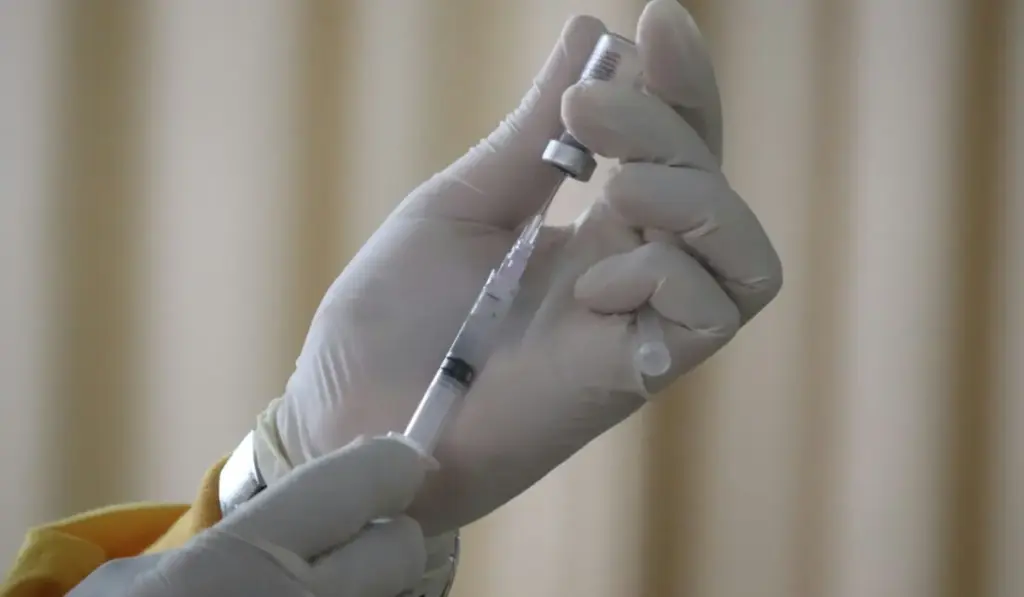
Yet, amid these sobering epidemiological metrics, contemporary medicine has delivered a rare and profound victory. In a watershed announcement that has electrified the oncology community, pharmaceutical giants Moderna and Merck reported that their novel, personalized mRNA cancer vaccine has successfully cleared a pivotal Phase 3 clinical trial. Designed to prevent melanoma from recurring or spreading in patients who have already undergone surgery to excise their tumors, this milestone represents the first time an mRNA-based personalized cancer vaccine has triumphed at this advanced, rigorous stage of clinical evaluation.
By combining Moderna’s revolutionary messenger RNA platform with Merck’s established immunotherapy powerhouse, Keytruda (pembrolizumab), researchers are witnessing a paradigm shift. This investigative feature examines the chronology of this medical breakthrough, evaluates the supporting epidemiological metrics, analyzes official statements from leading clinicians, and explores how modern prevention technologies are evolving to meet the escalating threat of skin cancer.
Detailed Chronology: The Road to Phase 3 Success
The journey toward a personalized mRNA melanoma vaccine is a masterclass in modern biomedical translation, accelerating from bench-to-bedside with unprecedented velocity. To fully understand the magnitude of this week’s announcement, one must trace the trajectory of clinical milestones that paved the way.
The Foundation of mRNA in Oncology
Long before it was adapted for viral pandemics, mRNA technology was theorized as a powerful tool for oncology. The fundamental premise is deceptively elegant yet biologically complex: every patient’s tumor bears a unique signature of mutations known as neoantigens. By sequencing a patient’s surgically removed tumor and comparing it to their healthy tissue, scientists can identify these aberrant neoantigens.
Moderna’s technology encodes these specific neoantigens into a synthetic mRNA molecule encased in lipid nanoparticles. When injected into the patient, the body’s cellular machinery translates this mRNA, displaying the neoantigens on the surface of antigen-presenting cells. This trains the patient’s adaptive immune system to hunt down and destroy any lingering, microscopic cancer cells bearing those exact markers, preemptively halting a recurrence before clinical manifestations occur.
Early Signals and Mid-Stage Milestones
The clinical validation of this approach has unfolded in rapid succession over the past several quarters:
- The Five-Year Data Reveal: Earlier in the year, preliminary long-term tracking from earlier phases of the trial demonstrated that the combination of the personalized mRNA vaccine and Keytruda reduced the risk of melanoma recurrence or death by an astonishing 49 percent over a five-year horizon compared to standard immunotherapy alone.
- The ASCO Global Presentation: By June, the comprehensive dataset took center stage at the American Society of Clinical Oncology (ASCO) annual meeting, drawing intense scrutiny and acclaim from international oncologists. Shortly thereafter, the peer-reviewed data were published in a leading oncology journal, solidifying the scientific community’s confidence in the trial methodology.
- The Phase 3 Breakthrough: Building directly on that accumulated momentum, the recent announcement confirms that the treatment has successfully passed a Phase 3 trial. As the final and most rigorous phase of human testing before regulatory submission, clearing this hurdle transforms the vaccine from a promising scientific curiosity into a viable, late-stage therapeutic candidate destined for regulatory review.
Supporting Context & Metrics: The Scale of the Crisis
To appreciate why this clinical milestone is celebrated with such urgency, one must contextualize it within the broader landscape of dermatological oncology. Skin cancer is the most common form of cancer globally, and its incidence rates have climbed steadily over the past several decades.
The Numbers Behind the Malignancy
- The U.S. Burden: The American Cancer Society’s projections for 2026 place the annual burden of new melanoma cases at an alarming 234,680. This 10.6 percent year-over-year surge highlights a growing population at risk.
- Non-Melanoma vs. Melanoma: While non-melanoma skin cancers—such as basal cell carcinoma and squamous cell carcinoma—account for an estimated 5.4 million diagnoses in the U.S. every year, they rarely prove fatal if caught early. Melanoma, conversely, occupies a much smaller slice of overall diagnoses but accounts for the vast majority of skin-cancer-related deaths.
- Mortality Projections: For this year alone, melanoma is expected to claim approximately 8,510 American lives. The primary driver of this mortality is not the primary tumor—which is typically excised surgically—but rather the insidious nature of micrometastases that escape detection and resurface months or years later as advanced, treatment-resistant disease.
The Clinical Impact of Adjuvant Therapy
Adjuvant therapy refers to medical treatments administered after the primary surgical removal of a tumor, aimed at eradicating any residual cancer cells and lowering the statistical probability of a relapse. Historically, adjuvant options for high-risk melanoma have relied heavily on broad-spectrum immunotherapies and targeted therapies. While drugs like Keytruda have vastly improved survival rates, a significant percentage of patients eventually experience recurrence.
By introducing a bespoke, personalized vaccine tailored to the genomic fingerprint of an individual’s resected tumor, clinicians can tailor the immune response with laser-like precision. In the trial, patients receiving the vaccine-Keytruda combination experienced a drastically reduced rate of recurrence compared to those receiving Keytruda alone. If these findings successfully translate to the broader patient population upon commercial availability, it could redefine the baseline standard of care for surgical melanoma survivors.
Official Statements and Expert Analysis
The medical community has responded to the Phase 3 trial results with a mixture of professional awe and measured optimism. Because adjuvant melanoma treatment has historically faced high ceilings of efficacy, the breaching of this barrier marks a historic chapter in translational medicine.
In the official joint press release issued by Moderna and Merck, principal investigator Dr. Georgina Long did not mince words regarding the trial’s significance.
"Today’s results represent a landmark moment for adjuvant melanoma treatment," stated Dr. Long, who also serves as the medical director of the Melanoma Institute Australia. "We are looking at a paradigm where therapy is no longer a one-size-fits-all pharmaceutical prescription, but a deeply personalized biological blueprint designed to teach the human body how to police its own tissues against specific oncogenic mutations."
Independent oncologists and regulatory analysts have echoed these sentiments, noting that the success of this trial opens the door for similar mRNA-based personalized vaccines across a multitude of other solid tumors, including non-small cell lung cancer, renal cell carcinoma, and bladder cancer.
However, regulatory experts emphasize that while the Phase 3 hurdle has been cleared, rigorous oversight remains paramount. The companies have announced plans to submit the complete, unmasked trial data to global health authorities—including the U.S. Food and Drug Administration (FDA)—while simultaneously preparing presentations for upcoming international medical congresses. Until regulatory review concludes and official approvals are granted, the vaccine remains strictly investigational.
Future Outlook: Evolution in Treatment and Smart Prevention
While the prospect of a personalized cancer vaccine offers immense hope for those already diagnosed, public health authorities and dermatologists universally agree that primary prevention remains the bedrock of defense against skin cancer. Fortunately, the ecosystem of sun protection and early detection is undergoing its own technological and regulatory renaissance.
The Next Frontier in Sun Protection
Preventing ultraviolet (UV) radiation-induced DNA damage has evolved far beyond basic sunscreens and broad-brimmed hats. The modern defense strategy integrates wearable technology, advanced chemical engineering, and routine clinical vigilance:
- Smart Wearables: Innovative consumer technologies, such as necklace-style UV sensors (e.g., The90 Gem), are changing how individuals monitor environmental exposure. These devices track real-time UVA and UVB radiation levels in the atmosphere, dispatching smart-phone notifications that remind users to seek shade or reapply photoprotective formulations.
- Regulatory Advances in SPF: The U.S. market is on the verge of welcoming long-overdue advancements in chemical filters. Bemotrizinol, a highly anticipated, newly FDA-approved broad-spectrum UV filter, is expected to hit American shelves soon. Already widely used in Europe and Asia, bemotrizinol offers superior photostability, meaning it breaks down much more slowly under intense solar radiation compared to older domestic filters.
- Functional Apparel and Core Habits: Dermatologists continue to advocate for a multi-layered defensive posture. This includes the consistent application of broad-spectrum SPF 30 or higher—reapplied faithfully every two hours—supplemented by UPF-rated clothing, polarized UV-blocking sunglasses, and strategic avoidance of peak solar intensity hours.
The Role of Rigorous Screening
Beyond external protection, vigilance remains an indispensable lifesaver. Annual professional skin checks performed by board-certified dermatologists, coupled with a disciplined personal habit of monitoring one’s own skin for new, changing, or atypical lesions (utilizing the classic ABCDE criteria for asymmetry, border irregularity, color variation, diameter, and evolving morphology), allow for early detection when intervention is most successful.
Conclusion
The convergence of a 10.6 percent year-over-year surge in melanoma diagnoses with a breakthrough Phase 3 clinical trial tells a story of an escalating public health challenge meeting its scientific match. While the personalized mRNA vaccine developed by Moderna and Merck is not yet available on pharmacy shelves, its triumphant progression through late-stage testing signals a seismic shift in how oncology will operate in the latter half of the 2020s.
Combined with smarter wearables, advanced chemical sunscreens, and unwavering dedication to prevention, humanity is better equipped than ever to confront the shadow of skin cancer. It is not yet a universal cure, but it is monumental, undeniable progress—and that is a milestone demanding our undivided attention.