Executive Overview
The boundary lines separating traditional Hollywood cinema and the digital creator economy are dissolving at an unprecedented pace. For decades, the motion picture industry operated as an exclusive, gatekept ecosystem where aspiring filmmakers had to navigate labyrinthine development cycles, appease risk-averse studio executives, and surrender creative control to secure financing. Today, a paradigm shift is underway. Powered by self-generated capital, massive digital audiences, and an unwavering commitment to artistic autonomy, top-tier content creators are bypassing the traditional studio apparatus altogether.
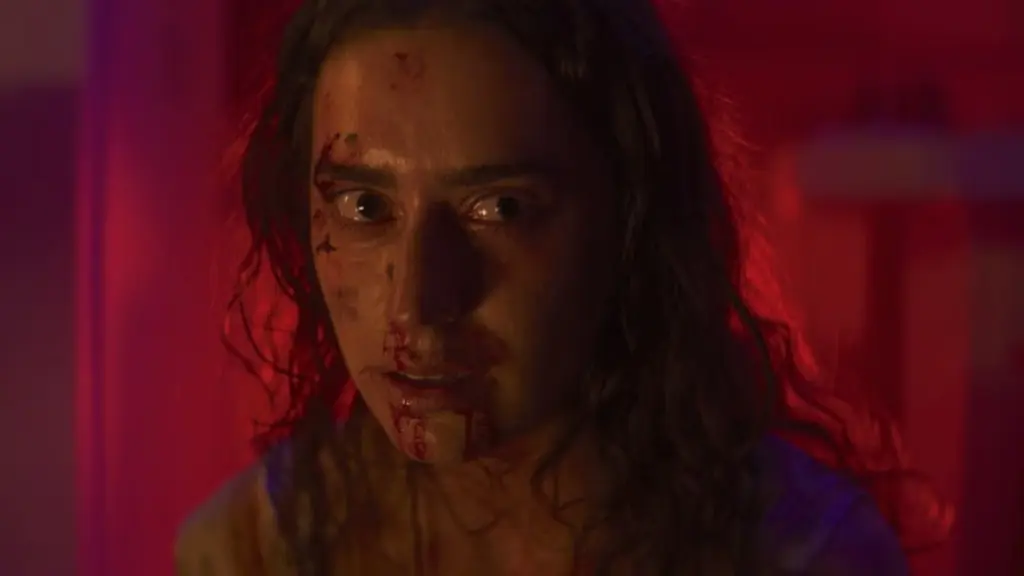
The latest testament to this industry-wide transformation is Godmother, an independent psychological horror film that promises a modern, unsettling spin on classic genre tropes. Co-written by prominent digital creator, video game writer, and journalist Alanah Pearce alongside creator and director John Veron, the project faced the classic roadblocks of traditional Hollywood interference before finding its champion in Sean McLoughlin—better known to tens of millions of fans worldwide as Jacksepticeye.
Rather than compromising their vision for a studio-mandated "cash-grab Frankenstein version" of the script, the creative team turned to independent financing. McLoughlin personally funded the entirety of principal photography, while prolific producer Mali Elfman and Helmstreet Productions stepped in to cover post-production costs.
As Godmother prepares to embark on its upcoming film festival run, it arrives at the vanguard of a massive cultural wave. Alongside self-financed projects from creators like Markiplier (Iron Lung), Kane Parsons (Backrooms), and Curry Barker (Obsession), Godmother highlights a new era where digital stars are not merely participating in Hollywood—they are actively redefining how films are financed, produced, and controlled.
Detailed Chronology: From Concept to Independence
The genesis of Godmother stretches back nearly a decade, born from a uniquely contemporary source of societal dread: the modern vacation rental market. Director John Veron found himself meditating on the implicit unease of staying in an Airbnb. What happens when the underlying premise of a cozy, home-away-from-home getaway turns invasive? What if your anonymous hosts are far too invested in your personal life, your relationships, and your psychological vulnerabilities?
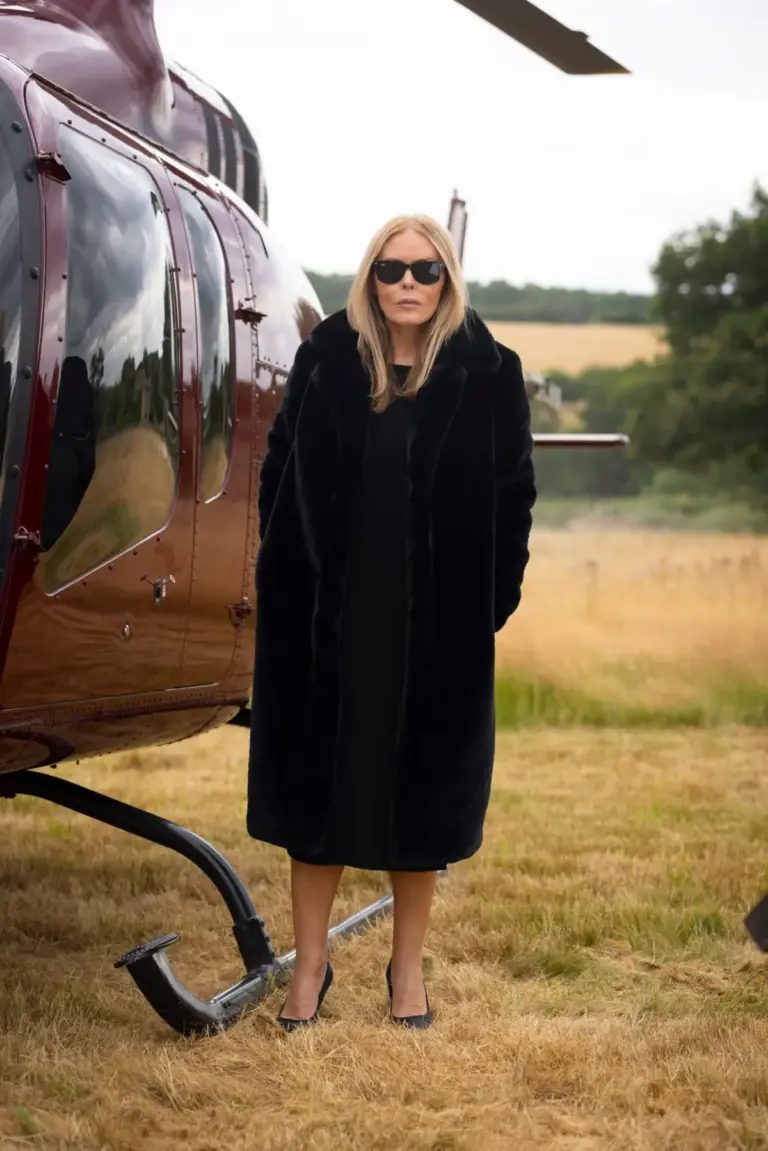
This core anxiety birthed the narrative of Godmother. The plot follows Theo (portrayed by Paige Evans), a young woman who plans a seemingly idyllic romantic getaway with her tech-entrepreneur boyfriend (Cameron Cuffe) and her sister (Riley Dandy). However, their retreat quickly devolves into a nightmare reminiscent of Roman Polanski’s Rosemary’s Baby. The vacation house they inhabit is owned—and perhaps surreptitiously occupied—by a deeply unsettling, mysterious older couple played by genre legends Dee Wallace and Bruce Davison.
As Veron refined the script, he brought on Alanah Pearce to co-write the feature. Pearce, whose multi-hyphenate career spans professional video game writing, games journalism, and a massive digital content footprint, immediately recognized the story’s potent psychological horror elements.
However, taking the project through traditional Hollywood channels proved to be an exercise in frustration. When Veron and Pearce initially pitched Godmother to interested studios and traditional financiers, they encountered immediate creative pushback. Executives wanted alterations, pacing adjustments, and commercial compromises that would dilute the film’s distinct artistic voice.
Refusing to yield to corporate homogenization, Pearce made a pivotal phone call to her longtime friend, Sean McLoughlin. Recognizing the purity of Veron’s decade-long vision, McLoughlin stepped in as executive producer and personally underwrote the entire principal photography budget. To carry the film across the finish line, Pearce enlisted another industry veteran: prolific film producer Mali Elfman. Through her banner, Helmstreet Productions, Elfman and her team financed the post-production phase, ensuring the film’s visual and auditory aesthetics matched Veron’s uncompromising original vision.
Supporting Context & Metrics: The Creator-Led Cinematic Wave
To fully understand the significance of Godmother, one must examine the broader economic and cultural landscape of entertainment in the mid-2020s. For years, digital creators were viewed by Hollywood studios primarily as marketing tools—influencers to be deployed for a weekend box office bump via targeted social media shoutouts. However, as the digital creator economy matured, top-tier YouTubers amassed substantial independent wealth, built dedicated production infrastructures, and cultivated fiercely loyal audiences that rival or exceed traditional cable television viewership.
This financial independence has coincided with a severe risk-aversion crisis within major Hollywood studios, which have increasingly relied on massive intellectual property (IP) revivals, sequels, and cinematic universes. This vacuum has left moviegoers hungry for original, high-concept storytelling—an appetite that independent creators are uniquely positioned to feed.
Industry observers have noted a rapid acceleration of creator-led features. Earlier this year, Markiplier made waves with his self-financed box-office horror hit Iron Lung, proving that an independent creator could command theatrical attention without studio distribution safety nets. Simultaneously, digital projects like Kane Parsons’ viral Backrooms adaptation and Curry Barker’s Obsession have demonstrated that audiences will enthusiastically support horror born from digital-native creators.
According to Pearce, these milestones are merely the tip of the iceberg. Speaking with industry press, she predicted "a huge, overwhelming wave of content-creator-led features funded by Hollywood over the next couple of years."
However, this upcoming influx of studio-backed creator projects comes with its own set of concerns. Because Godmother completed its entire production cycle before the wider cultural wave of creator-led horror hits materialized, Pearce and her team managed to sidestep the gold-rush mentality currently gripping major studios. By moving early and remaining fiercely independent, Godmother not only secures a strategic advantage in standing out on the festival circuit, but it also insulates itself from the potential dilution in quality that often accompanies studio-driven trend-chasing.
Official Statements & Industry Perspectives
The philosophy driving Godmother centers on complete creative freedom and an outright rejection of studio-mandated formulas. The collaborators involved have been vocal about why the traditional model no longer serves visionary independent filmmakers.
Reflecting on the decision to bypass standard Hollywood financing, Alanah Pearce did not mince words when speaking to TheWrap:
"Accepting a Hollywood deal to fund production would have meant making some studio-mandated cash grab Frankenstein version of ‘Godmother.’ What’s the point?"
Sean McLoughlin echoed this sentiment, emphasizing that his decision to fund the film stemmed from a deep respect for the director’s singular vision and a desire to dismantle the bureaucratic bottlenecks of legacy studios:
"I really liked the script and it felt like John had a very distinct vision for the movie and what he wanted. He had been trying to get it made for about 10 years and I really love being able to help people make the things they want."
McLoughlin further elaborated on the logistical and creative advantages of independent filmmaking:
"I think the idea of being able to make it ourselves and avoid some of the headaches of a more traditional studio system, especially for an indie movie, has always been more appealing. There are strengths and weaknesses to both, but being able to have full control and call the shots ourselves within our own timelines was a massive help. It didn’t feel right to do it any other way."
For McLoughlin, Godmother is part of a broader, deliberate evolution in his career. Beyond his executive producer duties on this indie thriller, McLoughlin is also producing an upcoming animated feature for Sony Pictures based on Bloodborne, FromSoftware’s universally acclaimed, Gothic-inspired masterpiece and one of his favorite video games of all time.
Future Outlook: The Evolution of Creator-Producers
As the independent horror film Godmother prepares for its upcoming festival circuit run—with a commercial release anticipated later this year—its legacy may already be secured as a blueprint for the future of entertainment. The film proves that digital creators possess not only the financial capital to fund cinematic art, but also the strategic discernment to protect artistic integrity against corporate interference.
For Sean McLoughlin, the transition from digital entertainer to high-level producer is merely a stepping stone toward an even more ambitious creative horizon: directing. Looking ahead to the coming years, McLoughlin has made clear his aspirations to step behind the camera:
"I think directing has always been a goal of mine. I have lots of ideas for what I would like to make and I love the creative process involved in movie making. We’ve had such an amazing year for horror and it’s very inspiring."
With a slate of diverse projects crossing his desk and an industry rapidly shifting in favor of creator-driven independence, McLoughlin notes that the current media landscape is experiencing "an exciting time."
The success of Godmother, alongside trailblazing projects from Markiplier and other digital pioneers, signals that the traditional gatekeepers no longer hold an absolute monopoly on cinematic storytelling. As independent creators continue to leverage their economic power and direct connections with audiences, Hollywood is witnessing the birth of a decentralized, creator-led studio system—one where artistic vision, rather than boardrooms, dictates what makes it to the silver screen.