When training for a major race—whether it is a local 10K, a grueling half-marathon, or a full 26.2-mile marathon—the temptation to hyper-focus on running volume is nearly universal. Endurance athletes often fall into the trap of believing that the only way to get better at running is simply to run more. After all, specificity is a core tenet of athletic conditioning: if you want to be a better runner, you need to run.
However, treating cardiovascular mileage as the sole component of a training regimen creates a precarious foundation. High-mileage running places relentless, repetitive impact forces on the skeletal system, joints, connective tissues, and stabilizing muscles. Without adequate structural preparation, this repetitive stress inevitably leads to performance plateaus, overuse injuries, and compromised running economy.
To bridge this gap, runners must embrace targeted strength training—not as a secondary chore, but as a critical pillar of performance. According to Kate Howe, Head Coach at Orangetheory Fitness, supplemental strength work provides the structural resilience required to withstand the high-pressure environment of endurance running.
"Running involves a lot of repetitive forward movement, so strength workouts are designed to strengthen the muscles that support a strong, efficient stride," explains Howe.
Rather than chasing total muscular exhaustion—which would be counterproductive for an athlete already accumulating heavy running mileage—Howe has curated a specialized, five-move bodyweight and single-leg strength routine. This protocol is meticulously designed to target the glutes, hamstrings, calves, and core, fostering the stability and control necessary to maintain power and efficiency with every single stride.
Detailed Chronology: The Evolution of Runner Conditioning
For decades, the running community held a cautious, often dismissive view of resistance training. In the mid-to-late 20th century, conventional wisdom warned endurance athletes away from the weight room. Coaches and runners feared that lifting weights would induce unwanted muscle hypertrophy, increase body mass, reduce flexibility, and ultimately slow down their race-pace times. Traditional training philosophies prioritized pure cardiovascular output and high weekly mileage above all else.
The Paradigm Shift: From Miles to Mechanics
As sports science advanced into the 21st century, biomechanical research began to dismantle the myth of the "bulky, inflexible lifter." Longitudinal studies on running economy—the oxygen cost of running at a given velocity—revealed a surprising correlation: runners who incorporated moderate-to-high-intensity resistance training actually improved their running economy by up to 8% without increasing their maximal oxygen uptake ($textVO_2text max$).
Researchers discovered that strength training enhanced neuromuscular coordination and muscle stiffness, allowing the lower limbs to act more like efficient springs. Instead of absorbing excessive energy with each footstrike, structurally sound runners could store and return elastic energy more effectively, translating directly to faster, more sustainable paces.
The Modern Integration of Single-Leg Mechanics
With this scientific backing, contemporary coaching shifted away from generic bodybuilding routines and toward functional, movement-specific conditioning. Experts recognized a fundamental biomechanical truth: running is, by definition, a single-leg sport. At any given moment during a run, both feet leave the ground, and the body’s entire mass is supported dynamically by one leg at a time.
Consequently, training both legs simultaneously through bilateral movements like heavy back squats or leg presses, while useful, failed to address the lateral instability and rotational forces inherent to running. The evolution of modern running conditioning culminated in the adoption of unilateral, bodyweight-and-resistance protocols. Coaches like Kate Howe now advocate for targeted, single-leg functional movements that mirror the exact physical demands placed on the body during distance training, ensuring that athletes build resilience precisely where they need it most.
Supporting Context & Metrics: The Anatomy of a Runner’s Strength Routine
Designing a strength program for endurance runners requires a delicate balancing act. The overarching goal is not to trigger massive muscle growth or leave the athlete too sore to complete their scheduled runs. As Howe notes, "The goal is not to completely fatigue your body as you still have miles to get in. Instead, these exercises complement your running by helping you build the strength, stability and control you need to feel strong with every stride."
To achieve this, Howe’s regimen focuses on five specific, unilateral exercises performed for three sets each, strategically programmed to target the primary muscle groups engaged during a running stride.
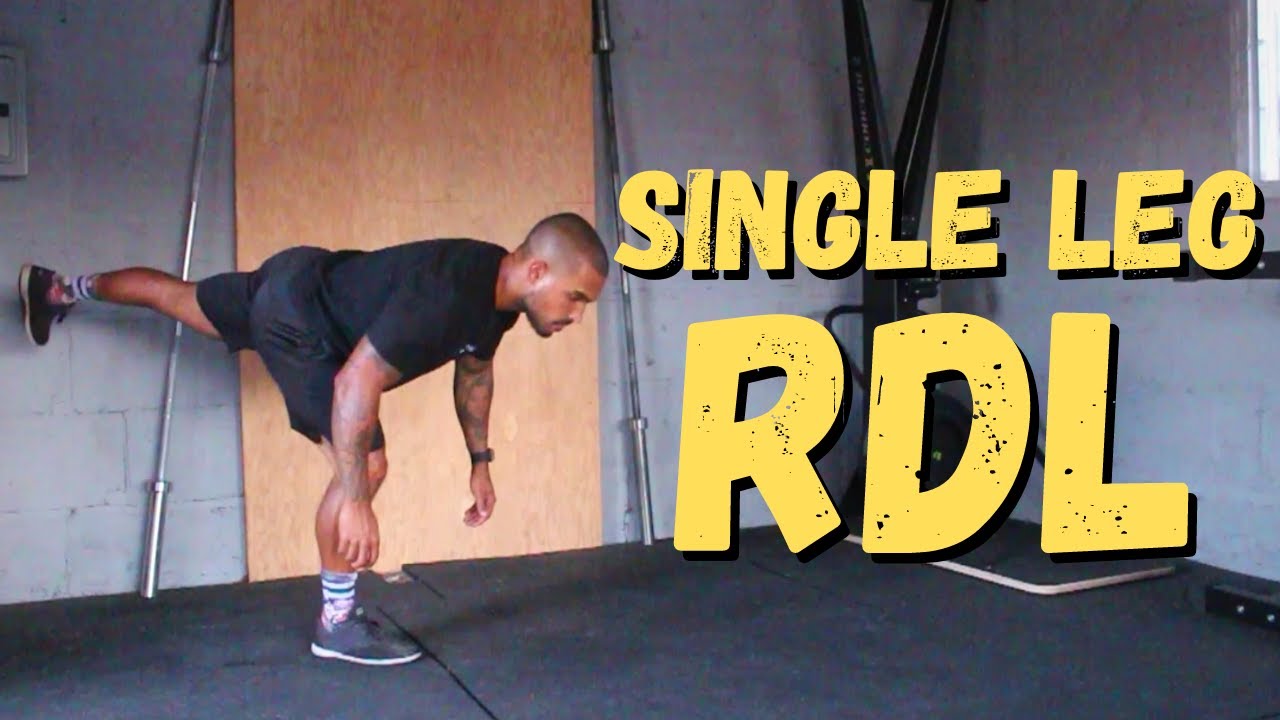
Primary Benefit: Strengthens the glutes and hamstrings while intensely challenging dynamic balance, hip stability, and unilateral control.
Prescription: 3 sets of 8–10 repetitions per side.
Form Tip: As you hinge forward and lower your torso toward the floor, consciously keep your raised foot pointing downward. This prevents the hips from opening up or rotating, forcing the standing hip to work harder to maintain alignment.
Progression: Once bodyweight movements feel routine and stable, introduce a kettlebell. Hold the weight in the hand opposite the planted leg, and lower it smoothly to mid-shin level.
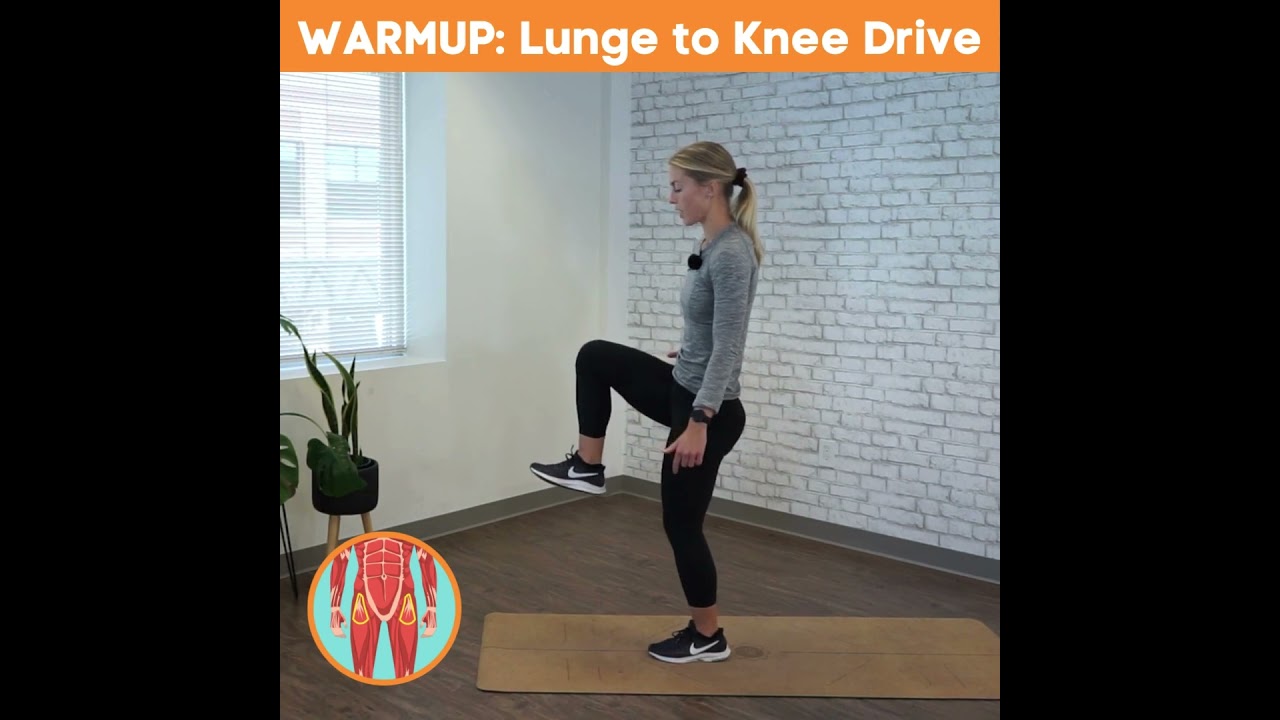
2. Reverse Lunge to Knee Drive
Primary Benefit: Improves single-leg balance, lower-body control, and dynamic stability. The explosive upward knee drive directly mimics the hip-flexion mechanics required during the swing phase of a running stride.
Prescription: 3 sets of 8–10 repetitions per side.
Execution: Step backward into a reverse lunge, dropping your back knee gently toward the ground. Push powerfully through the front heel to rise, immediately driving the back knee upward toward your chest in one fluid, controlled motion.
3. Lateral Step-Down
Primary Benefit: Targets the gluteus medius (located on the side of the hip), the gluteus maximus (the primary power generator in the posterior chain), and the quadriceps. This movement is essential for preventing the pelvis from dropping laterally (Trendelenburg gait), a common flaw that leads to runner’s knee and IT band syndrome.
Prescription: 3 sets of 8–10 repetitions per leg.
Execution: Stand on a low box or step. Slowly lower the opposite heel toward the floor by bending the supporting knee, lightly tap the heel, and return to the starting position with absolute control over the knee and pelvis tracking.
4. Single-Leg Calf Raise
Primary Benefit: Builds localized muscular endurance and strength in the calf complex (gastrocnemius and soleus). This prepares the lower lower-leg tissues to repeatedly absorb the high impact forces of landing and generate explosive power during toe-off.
Prescription: 3 sets of 12–15 repetitions per side.
Execution: Rise onto the ball of one foot, lifting the heel as high as possible, then lower slowly with control. Performing these with a straight knee targets the upper calf, while a slight bend in the knee shifts emphasis to the deeper soleus muscle.
5. Dead Bug
Primary Benefit: Builds profound core stability, creating an unyielding central foundation that prevents excessive rotation or spinal extension, thereby maintaining optimal running posture under fatigue.
Prescription: 3 sets of 8–10 repetitions per side.
Execution: Lie flat on your back with arms extended toward the ceiling and knees bent at 90 degrees over your hips. Slowly lower your right arm and left leg toward the floor while maintaining continuous, firm contact between your lower back and the mat. Return to center and alternate sides.
Official Statements & Expert Insights
The integration of strength training into endurance programs is backed by leading voices in fitness and physical therapy. Coaches emphasize that supplementary work should never detract from an athlete’s primary running goals, but rather serve as an insurance policy against injury.
Kate Howe reiterates the philosophy behind her training framework:
"Running happens one leg at a time, so it makes sense to train strength that way. The goal is not to completely fatigue your body as you still have miles to get in. Instead, these exercises complement your running by helping you build the strength, stability and control you need to feel strong with every stride."
Physical therapists and sports scientists echo this perspective, noting that the vast majority of running injuries—such as shin splints, plantar fasciitis, and patellofemoral pain syndrome—stem from muscular imbalances and structural weaknesses rather than acute trauma. By systematically reinforcing the joints and stabilizing muscles through unilateral exercises, runners can effectively bulletproof their bodies against the relentless demands of high-mileage training blocks.
Future Outlook: The Holistic Runner of Tomorrow
As endurance sports continue to evolve, the traditional divide between strength athletes and cardiovascular specialists is rapidly dissolving. The modern runner is increasingly viewed not merely as an engine with a high $textVO_2text max$, but as an integrated kinetic chain where every link matters.
Looking forward, training methodologies will likely continue to lean toward hyper-personalized, injury-preventative conditioning. Wearable technology, gait analysis software, and advanced biomechanical screening are allowing coaches to identify individual structural weaknesses before they manifest as debilitating injuries. In this emerging landscape, targeted routines like Kate Howe’s five-move single-leg protocol will become a non-negotiable standard in every runner’s weekly schedule.
Ultimately, the future belongs to the balanced athlete. By honoring the principle of specificity on the track while respecting the laws of biomechanics in the gym, runners can shatter their personal records, extend their athletic longevity, and enjoy a lifetime of strong, pain-free miles.