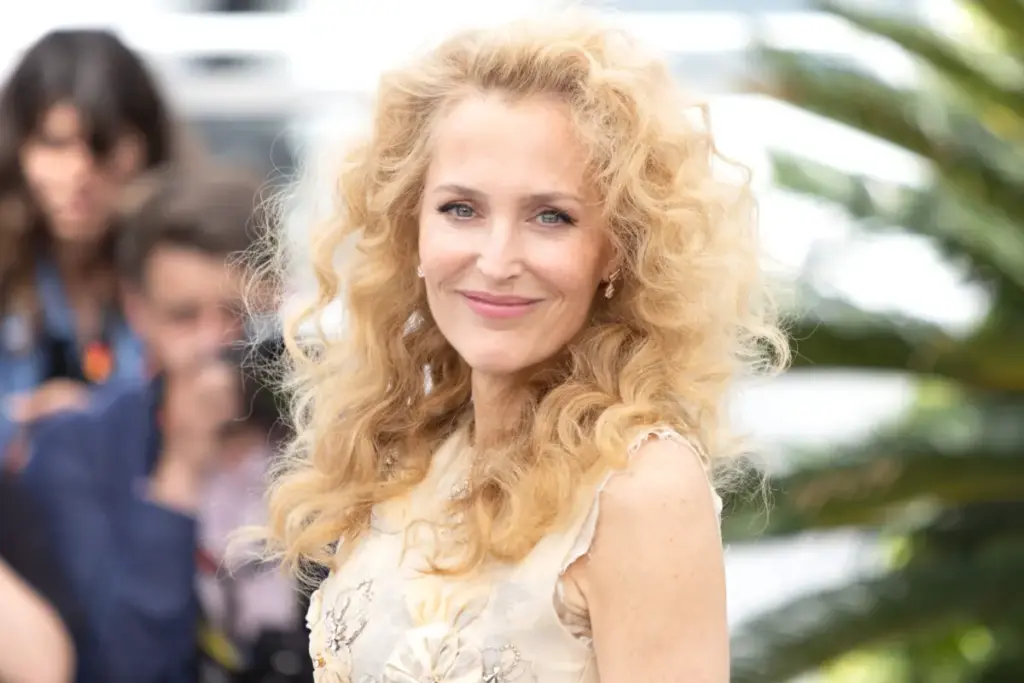
If your curls, coils, or waves suddenly look, feel, or behave differently than they did a decade or two ago, you are not imagining things. For individuals over 50—particularly women navigating the profound transitions of perimenopause and menopause—hair texture and pattern changes are a biological reality. While the beauty industry has traditionally treated curl patterns as fixed, lifelong characteristics, modern trichology and celebrity hair experts reveal that curl structure is deeply dynamic, evolving alongside our internal biology, hormonal fluctuations, and scalp health.
As the shape of the hair follicle shifts over time—frequently evolving from an asymmetrical, oval structure into a rounder configuration—tight coils can soften into looser curls or fluid waves. Simultaneously, a natural decline in sebum production from the scalp leaves mature hair finer, drier, and significantly more fragile.
In this comprehensive report, we explore the biological science behind aging curls, examine expert-backed strategies for preserving structural integrity, analyze the impacts of heat styling and chemical processing, and outline a targeted regimen for maintaining resilient, vibrant hair through every stage of life.
Detailed Chronology: How Hair and Follicles Transform Over Time
To understand why curls change over time, one must examine the fundamental anatomy of hair growth. Hair texture is determined primarily by the shape of the hair follicle residing beneath the scalp. An asymmetrical, oval follicle produces tightly wound coils or zig-zag patterns, whereas a symmetrical, round follicle yields straight strands. Elliptical variations create varying degrees of waves and loops.
The Biological Shift
As we age, cellular turnover slows down, and biological signaling pathways shift. According to celebrity colorist and hair expert Kadi Lee, curl patterns are far from permanent.
"Most people are surprised to find out that curl pattern isn’t fixed—it’s actually rooted in biology," Lee explains. "It comes down to the shape of the hair follicle, which evolves with age, often becoming rounder and less asymmetrical, so tight coils may loosen into softer curls or waves over time."
This structural evolution does not happen overnight. It typically unfolds across decades, accelerating during major hormonal milestones.
The Impact of Perimenopause and Menopause
Like most transitions in beauty and wellness, changes to curly and coily hair are profoundly individual. However, dermatologists and trichologists point to hormonal shifts—specifically declining estrogen and progesterone levels alongside relative increases in androgen activity—as major catalysts for alterations in the hair growth cycle, individual strand diameter, and overall scalp density.
Sharley Viola, associate director of brand marketing and education at Curlsmith, notes the compounding effects of these hormonal adjustments on daily hair health.
"As we age, hair often becomes brittle, finer, drier, and more fragile because the scalp produces less natural oil or sebum," Viola explains. "Some people experience their curl becoming looser, while others may notice their hair becoming coarser, frizzier, or more textured over time."
Because sebum acts as the hair’s natural conditioning agent, traveling down the twists and turns of a curly strand to seal moisture and protect the cuticle, a deficit in oil production leaves mature curls exposed to environmental stressors, moisture loss, and mechanical damage.
Supporting Context & Metrics: The Anatomy of Mature Curl Care
Managing mature curly hair requires a fundamental pivot from aggressive styling to intentional protection. Because the margin for error narrows as hair thins and loses its natural elasticity, experts recommend a recalibrated approach to washing, conditioning, and daily maintenance.
Revamping the Wash and Treatment Routine
Women aged 50 and older benefit immensely from shifting away from harsh detergents that strip away remaining natural oils. Instead, routines should be anchored by lightweight yet deeply nourishing products.
Scalp-Revitalizing Shampoos: Clarifying or balancing shampoos that cleanse without stripping are essential to prevent product buildup on a more sensitive, aging scalp.
Hydrating Conditioners & Leave-Ins: Rich formulas provide slip for effortless detangling, minimizing mechanical friction on fragile strands.
Deep-Conditioning Treatments: Weekly restorative masks help replenish moisture deficits and shore up the hair’s internal protein-moisture balance.
Ni’Kita Wilson, vice president of product development at Pattern Beauty, emphasizes that the primary objective for aging curls is maximum protection paired with minimal weight.
"The goal is maximum protection with minimum weight," Wilson states. Heavy, waxy butters and oils that once provided slip for dense, youthful coils can weigh down finer, mature strands, stretching out what little natural spring remains.
Overhauling the Nighttime Routine
Friction is the silent enemy of fragile, mature hair. As hair strands thin, their tensile strength decreases, making them exceptionally vulnerable to breakage caused by tossing and turning on standard cotton pillowcases.
Experts advise a complete overhaul of nighttime regimens. Incorporating high-grade silk or satin pillowcases, securing hair in loose pineapple styles, or wearing specialized sleep bonnets and organic silk sleep scarfs drastically reduces friction, preserves moisture overnight, and prevents premature breakage.
Official Statements & Professional Insights: Heat, Chemistry, and Scalp Health
As hair matures, its structural reserves—specifically the disulfide bonds that maintain elasticity and curl shape—are diminished. Consequently, lifestyle habits such as heat styling and chemical processing demand heightened caution.
The Cost of Chemical Processing and Heat
Color processing remains a popular way to embrace gray hair or enhance personal style, but it comes with biological consequences.
"Color processing opens the cuticle and alters the internal structure to deposit pigment, disrupting the same bonds responsible for curl shape," Kadi Lee notes. "The takeaway isn’t to avoid color; it’s that aging curly hair needs more support, deeper conditioning, and more time between processing to protect a curl pattern that’s already fragile. Heat should be used sparingly, if at all, since thinner strands from shrinking follicles have less structural integrity to spare."
Wilson echoes this sentiment, emphasizing that modern tool innovation should be leveraged to protect the hair fiber. Choosing advanced styling tools—such as Pattern Beauty’s Vibrating Flat Iron, lower-temperature multi-stylers like the Dyson Airwrap i.d., or diffusers with controlled airflow—helps achieve desired aesthetics while minimizing heat exposure and mechanical tension.
Addressing Thinning and Scalp Wellness
For those experiencing hair thinning alongside texture changes, follicle health must be addressed from a dual perspective: topical and internal.
Lee stresses that scalp health is foundational to healthy hair growth at any age. Comprehensive wellness routines—such as targeted topical serums applied directly to the roots (e.g., active growth serums) paired with internal nutritional supplements designed to support hair density and thickness—work synergistically to optimize the environment from which new hair emerges.
For immediate aesthetic fullness without crunchiness, lightweight styling mousses and volumizing foams (such as offerings from Pattern Beauty and Innersense Organic Beauty) can lift roots at the crown, providing the appearance of increased body and dimension.
Future Outlook: Embracing the Evolution of Beauty
The conversation surrounding aging hair is undergoing a much-needed cultural and scientific evolution. For decades, beauty narratives focused heavily on anti-aging interventions designed to reverse or conceal the natural markers of time. Today, the approach to mature curly hair is defined by empowerment, biological literacy, and specialized self-care.
As scientific understanding of follicle biology deepens, the beauty market is responding with sophisticated formulations tailored specifically to the unique needs of menopausal and post-menopausal hair. Future innovations will likely lean further into scalp-first skincare, bio-fermented peptides, and biomaterials that reinforce weakened hair bonds without adding weight.
Ultimately, navigating the evolution of curls after 50 is an invitation to listen more closely to your body. By aligning your hair care routine with your changing biology, prioritizing scalp health, and treating your mature strands with intentional care, your curls can remain vibrant, healthy, and resilient through every chapter of life.
Why Trust Harper’s Bazaar?
For more than 150 years, Harper’s Bazaar has been the preeminent fashion and beauty resource for women at every age. We cover what’s new and what’s next in beauty by working with the world’s leading authorities in dermatology, plastic surgery, cosmetics, skincare, haircare, and fragrance. Every story we publish has been thoroughly researched and vetted by our team of beauty editors and industry experts to provide actionable, scientifically sound guidance you can trust.