Executive Overview
Bad hair days are a universal human equalizer. When confronted with uncooperative strands, the modern instinct often leads toward the utilitarian refuge of a scrunchie, a French pin, or a claw clip. Yet, as the fashion calendar cycles through its endless reinventions, a more sophisticated, historically rich alternative has reclaimed its crown: the hair scarf.

Embodying the effortless, sun-drenched energy of summer while offering a masterclass in versatility, silk and patterned scarves have surged back into the zeitgeist. This is not merely a fleeting aesthetic whim. The current obsession with hair scarves represents a complex cultural convergence: a Y2K nostalgia loop meeting deep-seated functional utility, paired with a long-overdue acknowledgment of the diverse global communities—particularly women in the SWANA (Southwest Asia and North Africa) region—who have championed scarf styling for generations out of necessity, culture, and religious expression.

Today, everyone from modern style icons like Hailey Bieber to street-style tastemakers at Copenhagen Fashion Week is wrapping, braiding, and pinning luxury silk. Far from being an intimidating relic of Old Hollywood, the hair scarf has proven to be the most democratic, adaptable accessory of the season. This report provides an authoritative exploration of the trend’s history, its cultural roots, a comprehensive guide to modern styling variations, and a curated outlook on how this accessory is reshaping the contemporary luxury market.

Detailed Chronology and Historical Evolution
To understand the current resurgence of the hair scarf, one must trace its journey from a utilitarian shield against the elements to an emblem of cinematic glamour and, eventually, a cornerstone of street style.

[Early Utility Era] ──> [Golden Age of Hollywood] ──> [Y2K Pop-Culture Revival] ──> [Modern Global Resurgence]
Protection & Culture      Grace Kelly & Audrey Hepburn     Bandanas & Low-Rises      Hailey Bieber & Fashion Weeks
1. The Pre-Modern Era: Function, Culture, and Identity
Long before silk squares were printed in Como, Italy, or sold under designer labels, hair wraps and scarves were essential components of daily life for women across the globe. Historically, women utilized head coverings for environmental protection—shielding hair from punishing sun, wind, and dust—as well as for profound religious and cultural reasons.

Particularly within the SWANA region, hair-wrapping traditions have flourished for centuries. These regions have historically served as epicenters of textile artistry and draping innovation, establishing intricate styling techniques that protect textured or styled hair while making powerful statements of identity and grace. Far from being a recent runway invention, the art of the headscarf is rooted in rich, generational craftsmanship that Western fashion houses have frequently drawn inspiration from.

2. The Golden Era of Silver Screen Glamour (1950s–1960s)
The mid-20th century transformed the hair scarf into an international symbol of jet-set luxury. During the golden age of Hollywood and European cinema, style icons weaponized the scarf as both a practical travel companion and a shield against the wind in open-top convertibles.

- Audrey Hepburn & Grace Kelly: Immortalized on the Riviera and cruising through Monaco, these silver-screen titans tied silk twills securely under their chins—a silhouette now affectionately dubbed the "babushka."
- Jackie Kennedy Onassis: The quintessential American first lady paired oversized sunglasses with meticulously draped silk scarves, creating an aura of impenetrable, aristocratic mystery.
- Rita Moreno: Infusing vibrancy and dramatic flair, Moreno demonstrated how patterned wraps could accentuate expressive, dynamic personal styles.
During this era, a silk scarf tied over the head communicated a clear message: the wearer was going places, fast, and refused to let the elements compromise her composure.

3. The Y2K Revival: Pop Stars and Low-Rise Jeans
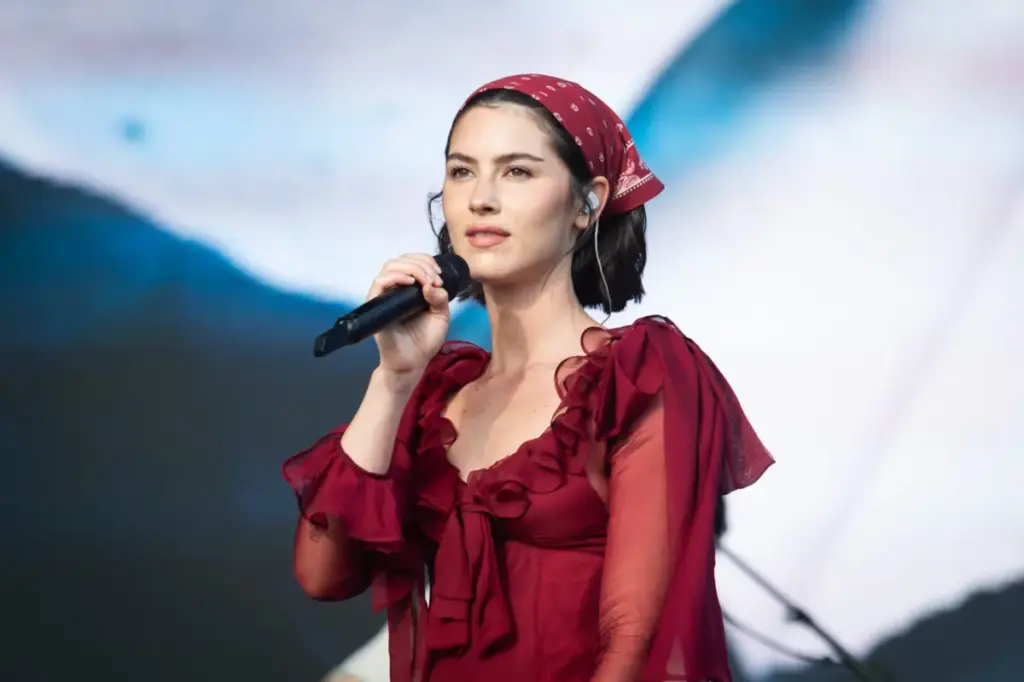
As the millennium approached, the aesthetic shifted from aristocratic elegance to playful, pop-infused rebellion. The late 1990s and early 2000s saw the hair scarf transition from the chauffeur-driven limousine to the music video set and the red carpet. Pop stars, reality TV icons, and adolescent trendsetters adopted miniature cotton bandanas and satin squares, wearing them folded into thick headbands or tied loosely around low ponytails. Paired with low-rise jeans, oversized sunglasses, and halter tops, the Y2K scarf revival cemented the accessory as playful, youthful, and effortlessly cool.

4. The Contemporary Renaissance: Runways to Global Street Style
Fast forward to the current fashion landscape, and the hair scarf has evolved into a high-low hybrid. Designers from Paris to Copenhagen are incorporating headwear into their ready-to-wear collections, while influencers and models off-duty—led by trendsetters like Hailey Bieber—regularly showcase everything from minimalist monochromatic wraps to bold, avant-garde crochet veils. The modern era is characterized by an absence of rules: mixing high-end luxury silk houses with thrifted cotton bandanas is not only accepted, it is encouraged.

Supporting Context & Metrics: The Anatomy of Modern Scarf Styling
Mastering the hair scarf requires an understanding of structural mechanics, fabric weights, and face-framing geometry. Below is an exhaustive breakdown of the primary styling variations dominating current street style and runway presentations:

The Essential Style Matrix
| Style Name | Structural Approach | Ideal Hair Length | Vibe & Aesthetic |
|---|---|---|---|
| The Braided Wrap | Weaving a long, narrow scarf directly into a three-strand braid. | Medium to Long | Whimsical, tactile, bohemian contrast. |
| The Headband | Folding a square scarf into a band, securing over the crown. | All Lengths | Face-clearing, preppy, polished. |
| The Pony Tie | Tying a short or long scarf around the base of a ponytail or bun. | Medium to Long | Effortless, quick, dynamic movement. |
| The Babushka | Draping a square diagonally over the head and knotting under the chin. | Short to Long | Old Hollywood glamour, mysterious, chic. |
| The Top Knot | Complete head wrap culminating in a high, sculptural knot. | All Lengths | Sophisticated, architectural, protective. |
| The Cap | Securing a structured scarf to mimic the silhouette of a baseball cap. | Short to Medium | Urban utility, contemporary street style. |
| The Bandana | Folding diagonally, tying at the nape, leaving most hair exposed. | Medium to Long | Y2K throwback, casual, framing. |
| The Veil | Using lightweight crochet or sheer fabric extending down the back. | Medium to Long | Summertime breezy, artisanal, textural. |
| The Bobby-Pinned Glam | Slicked-back base secured with heavy pins and structural folds. | Short to Sleek | Understated red-carpet luxury, edgy. |
Fabric Selection and Care
The success of any hair scarf look hinges on fabric choice.

- Silk and Satin: Slippery by nature, these luxury fabrics require strategic pinning (using bobby pins matching your hair color) or texturizing sprays to prevent sliding. They offer the distinct advantage of reducing friction, preventing breakage, and preserving natural curl patterns.
- Cotton and Linen: Offering natural grip, cotton bandanas and linen squares are ideal for high-activity summer days. They absorb moisture and stay securely tied without extensive reinforcement.
- Crochet and Knits: Textured open-weave scarves provide visual depth and breathability, making them the ultimate accompaniment to warm-weather resort wear and crochet dresses.
Official Perspectives and Market Analysis
The resurgence of the hair scarf is supported by both macro-level fashion economics and expert styling philosophies. Industry analysts point to several factors driving this sustained accessory boom:

- The Luxury Investment Shift: With macroeconomic pressures shifting consumer habits away from fast-fashion apparel toward versatile, high-impact accessories, luxury consumers are increasingly investing in multi-purpose designer silk pieces. A silk square functions simultaneously as a necktie, a handbag accessory, a wrist wrap, and a hairpiece.
- Protection as Fashion: Dermatologists and trichologists have long advocated for protective styling that shields hair shafts from UV radiation, pollution, and severe wind. The modern consumer’s growing literacy in hair health has transformed functional protection into a high-fashion statement.
- The Democratization of Style: Unlike structured headwear—such as tailored fedoras or bespoke fascinators, which require precise sizing and head shapes—the square or rectangular scarf adapts to every hair texture, length, and density.
Future Outlook
As we look toward upcoming seasonal collections, the hair scarf is showing no signs of relinquishing its spot in the spotlight. The future of the trend points toward hyper-personalization and artisanal craftsmanship.

Expect to see an increase in limited-edition artist collaborations, hand-painted vintage silks, and sustainable upcycled fabrics dominating the street style circuit. Furthermore, as hybrid work models and travel continue to prioritize comfort paired with instant polish, the hair scarf offers an unbeatable solution: maximum style impact with minimal morning preparation.

Whether you choose to channel the sun-drenched ease of a Mediterranean getaway with a crochet veil, or capture the sleek urban sophistication of a bobby-pinned silk wrap, the hair scarf remains the ultimate sartorial Swiss Army knife—proving that sometimes, the most sophisticated solutions are the ones we’ve had all along.

Curated Market Inspiration: Shop the Look
For those looking to integrate this timeless trend into their wardrobes, luxury and contemporary retail spaces offer an array of exceptional options:

- For High-End Luxury: The Jacquemus Papille Silk Scarf ($280) and the iconic Hermès Les Cles Double Face Scarf ($800) offer unmatched heirloom-quality silk and sophisticated prints.
- For Resort & Textural Flair: The Loeffler Randall Viv White Crochet Scarf ($150) and the PatBO x Zacapa Anniversary Collection Scarf ($75) deliver tactile, warm-weather perfection.
- For Everyday Versatility: The Madewell Medium Silk Bandana ($68), Open Edit Square Cotton Bandana ($29), and Clare V. Striped Hair Scarf ($75) provide accessible entry points into effortless daily styling.
Every product featured on ELLE.com is independently researched, tested, or editor-approved. We only recommend products that we stand behind, and the merchandise featured on our site is always driven by editorial and product testing standards, not by affiliate deals or advertising relationships.