Executive Overview
For decades, the standard playbook for scaling an emerging American fashion or apparel brand followed a rigid geographical trajectory: launch a digital-first presence, secure wholesale partnerships with marquee department stores, open a flagship boutique in New York City, and only then consider expanding into secondary or tertiary markets.
Today, that orthodox blueprint is undergoing a radical realignment. Los Angeles is experiencing an unprecedented influx of premier East Coast and independent lifestyle brands planting their physical flags across its iconic shopping corridors. Labels such as Leset, Bombas, Sézane, Cider, Paloma Wool, and Proenza Schouler are either opening or have recently opened their inaugural storefronts across the sprawling Southern California metropolis.
This retail migration is far from accidental. It is being driven by a rare convergence of market conditions: skyrocketing commercial real estate costs and record-low retail availability in Manhattan contrasted with a 10-year high in retail vacancy rates across Los Angeles. This disparity has unlocked affordable, high-traffic footprints in prime West Coast neighborhoods. Furthermore, brands are discovering that the unique demographic profile of Los Angeles—boasting nearly 10 million inhabitants with high disposable incomes and spending habits well above the national average—offers an exceptionally fertile environment for direct-to-consumer (DTC) growth.
This report investigates the strategic factors accelerating the West Coast retail boom, examining how brands are adapting their physical formats to mirror the laid-back, creative rhythm of Los Angeles, and what this geographic diversification signals for the future of luxury and contemporary retail.
Detailed Chronology: The Summer of L.A. Retail Openings
The current wave of retail expansions sweeping through Los Angeles is transforming the city’s most storied shopping districts into hotbeds of contemporary fashion. While each brand brings a distinct design philosophy and product assortment, their shared timing points to a broader industry realization: the digital-first era demands tactile, experiential brick-and-mortar touchpoints, and L.A. is the premier canvas for this evolution.
Leset’s Double-Down on Southern California
The most aggressive retail maneuver of the season belongs to Leset, the self-funded, New York-based womenswear label founded by Lili Chemla. After cutting its teeth primarily as a wholesale-driven brand following its 2019 launch with Net-a-Porter—and subsequently expanding into partners like Nordstrom—Leset opened its first permanent brick-and-mortar storefront in New York City in 2024.
Chemla never intended to triple her brand’s physical footprint overnight, nor did she plan for both of her summer 2024 expansions to land simultaneously in Los Angeles. However, when prime real estate opportunities materialized, passing them up was out of the question.
Leset is launching two distinct stores in the L.A. area: one in Palisades Village and another in Sunset Plaza. The debut at Palisades Village holds symbolic and logistical weight. The prominent open-air shopping center had been shuttered for 19 consecutive months following the devastating wildfires that ripped through the region, only reopening its doors earlier this month. Meanwhile, Sunset Plaza in West Hollywood offers an established, high-end pedestrian strip that has historically drawn legendary luxury houses and is increasingly attracting contemporary players like Badgley Mischka.
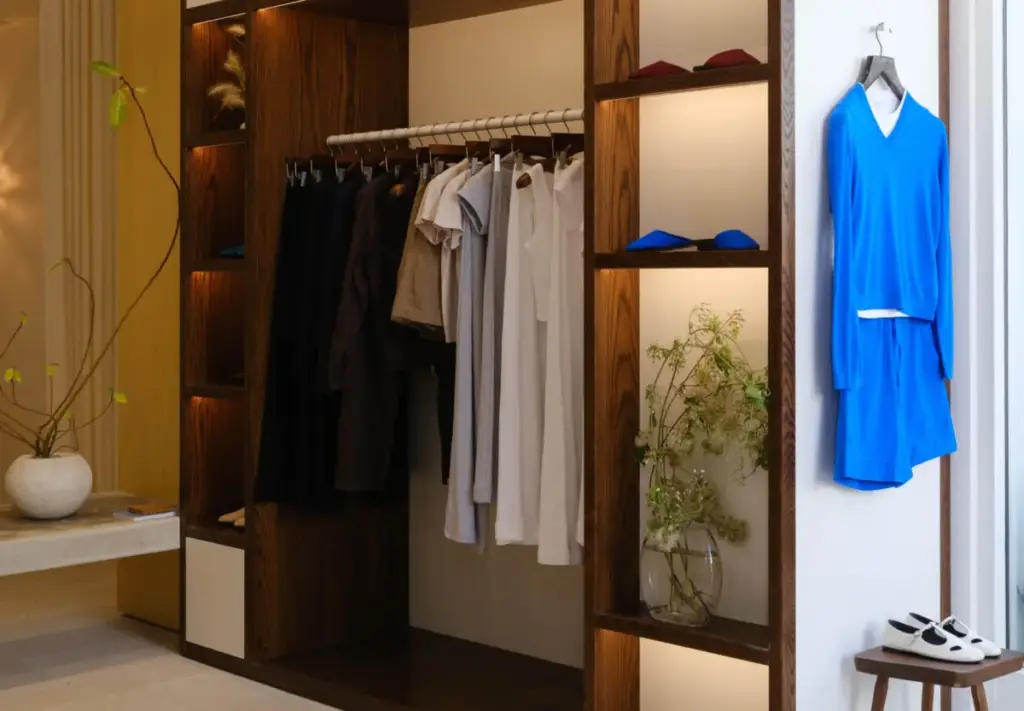
Rather than replicating the expansive square footage of its New York flagship, Leset’s L.A. outposts are intentionally intimate. Designed as structured, walk-in closets, these boutique formats are tailored to highlight the brand’s signature head-to-toe layering pieces, creating an approachable, high-touch environment for shoppers looking to physically interact with the merchandise.
Bombas Moves to Abbot Kinney
While Leset stakes its claim in the upscale enclaves of West Hollywood and the Pacific Palisades, comfort-apparel titan Bombas is executing its own strategic West Coast playbook. Dennis Pettis, General Manager of Wholesale and Retail for Bombas, noted that establishing a permanent retail presence in Los Angeles had long been on the brand’s horizon, but "now felt like the natural next step."
Bombas is planting its flag on Abbot Kinney Boulevard, the globally renowned, art-infused retail strip in Venice, California. This marks the brand’s official debut on the West Coast, following a successful string of brick-and-mortar launches over the past year in markets such as Philadelphia and Georgetown. According to Pettis, those regional rollouts served as an invaluable testing ground, teaching the executive team how to successfully translate the digital-native sock and apparel brand into a compelling physical shopping journey.
Proenza Schouler’s Melrose Place Arrival
For luxury houses, the pilgrimage to Los Angeles has evolved from a seasonal pop-up strategy into a permanent structural commitment. Proenza Schouler has reinforced this trend by opening its very first Los Angeles boutique on Melrose Place—a street universally recognized for its curated selection of elite international fashion designers.
For Proenza Schouler, Melrose Place represents more than a simple square-footage expansion; it is an immersive, physical manifestation of the brand’s ethos designed to captivate its deeply loyal Southern California clientele.
Supporting Context & Metrics: The Economics of the East-to-West Pivot
To fully comprehend why so many fashion brands are pivoting their capital investments toward Los Angeles, one must examine the macroeconomic metrics governing the American retail landscape. The decision to expand westward is rooted in a compelling financial equation driven by shifting real estate markets, consumer demographics, and logistics.
The Real Estate Dichotomy: Manhattan vs. Los Angeles
For decades, East Coast brands viewed Manhattan real estate as the mandatory proving ground for physical retail. However, current market dynamics have flipped the risk-reward calculation:
- Manhattan’s Squeezed Inventory: Retail availability across major Manhattan shopping corridors has hit historic lows, with spaces commanding astronomical rents scaling into the hundreds of dollars per square foot. For emerging and mid-sized independent brands, the capital expenditure required to secure and maintain a New York flagship can severely strain profit margins.
- The Los Angeles Opportunity: Conversely, Los Angeles retail real estate has experienced a unique period of adjustment. A wave of market pressures over the past year—stemming from a combination of economic inflation and supply-chain disruptions tied to regional wildfires—has pushed retail real estate vacancy rates in the L.A. metro area to a 10-year high of nearly 6%, according to data from Matthews Real Estate Investment Services.
- Pricing Relief: Asking rents per square foot in Los Angeles currently hover at an average of $36.90, marking a nearly 1% decrease from the previous year. In an era when most major metropolitan retail hubs have seen relentless rent hikes, L.A. offers brands significantly more square footage for their capital investment, enabling them to design expansive, experiential stores without crippling overhead.
Demographic Vitality and Consumer Spending
Real estate affordability alone does not build a profitable retail ecosystem; the local consumer base must possess the purchasing power to sustain it. Los Angeles presents a powerhouse demographic profile that rivals—and in some cases surpasses—traditional East Coast strongholds:
- Population and Income: The greater Los Angeles area is home to nearly 10 million inhabitants, characterized by an average household income exceeding $90,000.
- Outpaces National Averages: According to data from the Bureau of Labor Statistics, Los Angeles consumers spend an average of over $90,000 per year, tracking well above national household expenditure averages.
- Retail Dominance: Alongside New York City and Miami, Los Angeles anchors a triad of markets that collectively account for more than 80% of total U.S. luxury and contemporary retail sales.
Direct-to-Consumer (DTC) Margins and Logistics
For brands like Leset, transitioning from a wholesale-reliant model to a balanced DTC and physical retail strategy is an absolute necessity for long-term financial health. Lili Chemla has publicly stated her objective for direct-to-consumer sales to eventually account for 60% of the brand’s total revenue, driven by significantly healthier profit margins compared to wholesale channels.
The financial proof is already in the data. Leset reported annual revenues exceeding $20 million last year, fueled by a staggering 130% year-over-year growth in DTC revenue, alongside a robust 98% growth rate in its wholesale sector.
Furthermore, Los Angeles serves as a crucial logistical hub for fashion brands. The Port of Los Angeles acts as the primary gateway for goods imported from major manufacturing hubs across Asia. For brands managing complex supply chains, having corporate or retail operations anchored in L.A. creates natural operational synergies that streamline inventory management between overseas production facilities and domestic storefronts.
Official Statements: Design Philosophies and Brand Vision
The physical spaces being constructed across Los Angeles are not mere carbon copies of their New York or European predecessors. Designers and executives are consciously tailoring their retail architectures to reflect the distinct cultural, architectural, and emotional rhythms of Southern California.
Architectural Harmony: Capturing Coastal California
Translating a brand’s digital or East Coast identity into a West Coast setting requires a nuanced design vocabulary. For Leset’s Palisades Village location, the brand tapped designer Phoebe Little, who brought a deeply personal, localized perspective to the project.
"I felt right at home designing Leset’s first Los Angeles location, having grown up in West L.A.," said Little. "I wanted this space to feel like another piece of the brand’s world, one that could stand on its own alongside its NYC counterpart. I pulled inspiration from quintessential coastal Californian homes, with warm wood, washed-out tones and stone flooring."
This sentiment of localized authenticity is echoed by major luxury houses. Shira Suveyke Snyder, CEO of Proenza Schouler, emphasized that the brand’s new boutique on Melrose Place was conceived not merely as a commercial transaction point, but as an immersive cultural hub.
"There is an innate ease to the city and a creative rhythm spanning film, art, fashion and design that instinctively aligns with the global women we dress," Snyder explained in an official statement. "Los Angeles is home to some of our most devoted customers, so Melrose Place isn’t just a retail expansion; it is an uncompromising environment built to deeply engage with our West Coast community."
Moving Beyond Algorithm-Driven Site Selection
Interestingly, many brands are deliberately stepping away from over-reliance on e-commerce heat maps and digital analytics when selecting their physical real estate. While digital data can pinpoint where online orders are clustered, retail executives are rediscovering the value of intuitive, boots-on-the-ground exploration.
Dennis Pettis noted that the Bombas expansion team spent extensive time walking the streets of Los Angeles, physically exploring various commercial strips to connect with neighborhoods on an emotional level rather than blindly trusting spreadsheets. Lili Chemla shared a similar philosophy regarding Leset’s selection of Sunset Plaza, noting that the historic gravity and romanticism of Sunset Boulevard ultimately outweighed any isolated data point derived from digital customer research.
Future Outlook: The Next Era of Coast-to-Coast Retail
As the current wave of summer openings settles into the cultural fabric of Los Angeles, the broader implications for the American retail sector are becoming increasingly clear. The traditional east-to-west retail migration is no longer a linear, one-way street; it has matured into a dynamic, bi-directional exchange where secondary and tertiary fashion capitals hold equal weight to legacy hubs like Manhattan.
What Lies Ahead for the L.A. Retail Market?
- Experiential Over Transactional: As e-commerce continues to handle baseline transactional volume, physical stores in Los Angeles must serve as brand theaters. Expect future retail developments in neighborhoods like West Hollywood, Venice, and Silver Lake to double down on community programming, art installations, and hyper-localized product exclusives.
- Resilience in Real Estate: While retail real estate vacancies in Los Angeles hover near a 10-year high, the influx of high-profile contemporary and luxury brands is likely to compress vacancy rates in prime corridors over the next 24 to 36 months. Landlords who offer flexible lease terms and design-forward spaces will continue to attract agile, independent brands looking to escape the prohibitive costs of New York City.
- The Omnichannel Imperative: Brands that successfully bridge the gap between their digital footprint and their physical storefronts—using L.A. stores as customer acquisition hubs that feed online loyalty—will dominate the next decade of American fashion.
Ultimately, the L.A. retail gold rush demonstrates that modern consumers crave tangible connection, and fashion brands are more than willing to meet them where the sun shines, the culture thrives, and the real estate landscape allows for unbridled creative expression.