Executive Overview
Nearly two decades after capturing the cultural zeitgeist as the lovable, beanie-wearing outsider Sid Jenkins in the groundbreaking British teen drama Skins, actor Mike Bailey has resurfaced, leaving fans utterly astounded. A rare public appearance on the NSN podcast showcased a dramatic personal and professional metamorphosis for the now 38-year-old Bristol native. Gone is the trademark floppy brunette fringe, the oversized glasses, and the quintessential awkward adolescent persona that defined mid-2000s television. In its place stands a cropped, blonde-haired man who has deliberately traded the mercurial highs and lows of the entertainment industry for the steady, grounding environment of a high school classroom.
While several of Bailey’s former co-stars—including Hollywood heavyweights Nicholas Hoult, Dev Patel, and Oscar-winner Daniel Kaluuya—went on to achieve global cinematic superstardom, Bailey charted a profoundly different course. His transition from cult television icon to secondary school teacher offers a fascinating case study in post-fame identity, disillusionment with the relentless machinery of celebrity culture, and the pursuit of genuine vocational fulfillment. This retrospective examines Bailey’s journey from the chaotic sets of Skins to his current life as an educator, the internet’s reaction to his striking transformation, and what his story reveals about the enduring legacy of a generation-defining television show.
Detailed Chronology
2007–2008: The Skins Phenomenon and the Birth of Sid Jenkins
To understand the magnitude of Mike Bailey’s recent appearance, one must revisit the cultural landscape of 2007. Created by father-and-son writing team Bryan Elsley and Jamie Brittain, Skins burst onto E4 as a raw, unfiltered, and unapologetically chaotic exploration of modern British youth culture. Tackling themes of mental health, substance abuse, sexuality, and dysfunctional families with unprecedented candor, the show instantly became a touchstone for millennials.
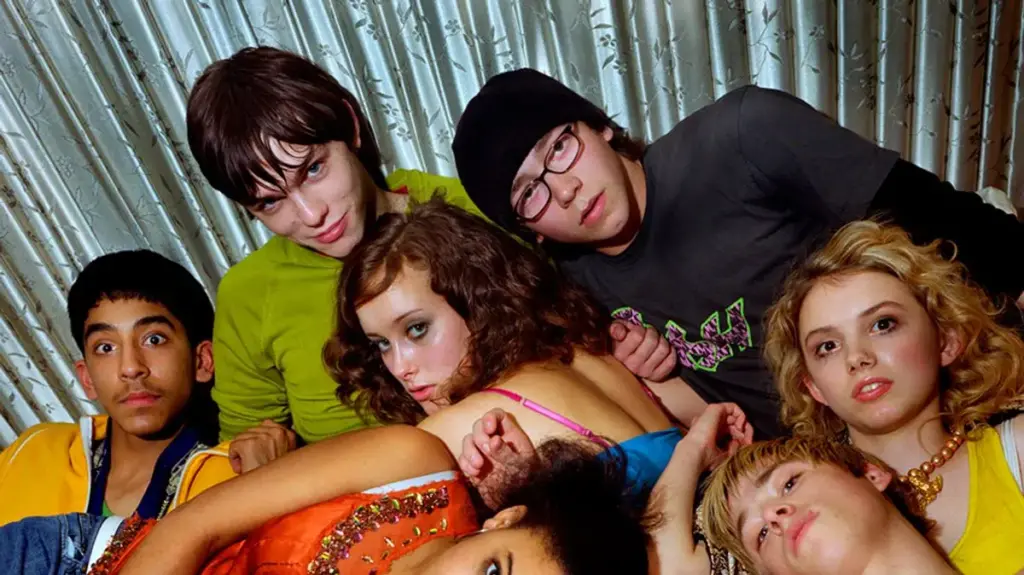
At the heart of the show’s first two generations was Sid Jenkins, played by a then-teenage Mike Bailey. Sid was the quintessential lovable loser: perpetually anxious, hopelessly devoted to his charismatic best friend Tony Stonem (played by Nicholas Hoult), academically challenged, and perpetually hiding behind a signature beanie hat and a mop of messy brown hair. Sid’s tumultuous romance with Cassie Ainsworth (Hannah Murray) and the devastating emotional arc surrounding his father’s death cemented Bailey as a fan favorite.
For two series, Bailey was the anchor of an ensemble cast that introduced a fresh wave of raw British talent to television screens. Yet, true to the structured chaos of Skins—which famously refreshed its entire cast every two seasons to mirror the transient nature of sixth-form college—Bailey’s time in the spotlight was brief. Following the dramatic conclusion of Series 2 in 2008, Sid Jenkins and his contemporaries exited the stage, paving the way for a new generation of characters.
The Post-Skins Interregnum and Creative Dissatisfaction
While contemporaries like Nicholas Hoult and Dev Patel immediately leveraged their Skins platform into international film careers—securing roles in blockbuster franchises and Academy Award-winning features—Bailey experienced a more measured trajectory. He made appearances in various minor projects, including the Channel 4 historical documentary 1066: The Battle for Middle Earth (2009) and the independent comedy film We Are the Freaks (2013).
However, the reality of life as a working jobbing actor began to take its toll. The precarious nature of the profession, coupled with the lingering ghost of a character he had played as a teenager, fostered a growing sense of professional existentialism. As Bailey candidly admitted during a 2017 interview with the Radio Times, the transition into adulthood brought a stark reassessment of his priorities.
"I kind of thought ‘what the f**k am I doing with my life?’ and ended up getting in a conversation with the wife a couple of years ago and decided that those who can’t act teach," Bailey reflected. The realization marked a definitive turning point. Rather than chasing elusive auditions or enduring the feast-and-famine cycle of the television industry, Bailey made the conscious decision to step away from acting entirely and pivot toward higher education and teacher training.
The Classroom Pivot and Vocational Renaissance
Trading the red carpet for the lecture hall, Bailey undertook the rigorous process of retraining as a secondary school teacher. Settling into his new career, he found a surprising sense of peace and purpose far away from the flashbulbs of paparazzi and fan conventions.
By the time he sat down for an interview on the NSN podcast in March, Bailey had spent years fully immersed in his second career. Teaching provided him with the structure, community impact, and daily unpredictability that the entertainment industry had failed to sustainably deliver. Far from harboring resentment toward his past life, Bailey views his brief tenure as Sid Jenkins with a sense of nostalgic detachment, noting that while the character occasionally resurfaces in public discourse, his primary focus remains firmly rooted in his students and lesson plans.
Supporting Context & Metrics
The Internet Reacts: A Generation Grown Up
The release of the NSN podcast episode in March triggered a viral wave across social media platforms, including TikTok, X (formerly Twitter), and Instagram. Fans who had grown up watching Skins in their formative years experienced a collective sense of whiplash upon seeing Bailey’s updated aesthetic.
The visual contrast was stark:
- Hair: The iconic, floppy brunette locks of Sid Jenkins have been replaced by a modern, cropped blonde hairstyle.
- Accessories: The mandatory beanie and oversized glasses—staples of mid-2000s indie sleaze fashion—are entirely absent.
- Maturity: Now 38 years old, Bailey carries the distinct physical maturity and polished composure of an established professional, rendering him nearly unrecognizable to viewers whose mental image of him was permanently frozen in 2007.
Social media reactions highlighted this collective disbelief. One viral comment read, "Took me some time to figure out this was Sid, ahahah," while another fan echoed the sentiment: "I can hear Sid but I can’t see him." Another viewer humorously noted the passage of time: "Can’t tell if I can’t recognise him because it’s been nearly 20 years, or because he doesn’t have his hat on."
The Skins Legacy and Streaming Resurgence
The viral attention surrounding Bailey also underscores the enduring cultural footprint of Skins. Decades after its initial broadcast, the series continues to find new audiences through streaming platforms. With the show currently available to stream on Disney+, younger generations of viewers continue to discover the grit, humor, and heartbreak of Bristol’s most infamous fictional sixth-formers.
While television landscapes have shifted dramatically since the mid-2000s—moving away from traditional cable models toward on-demand streaming monoliths—the raw authenticity of early Skins remains a benchmark for teen television. Bailey’s character, as the ultimate underdog, continues to evoke profound emotional resonance among viewers navigating their own adolescent anxieties.
Official Statements and Personal Reflections
Throughout various interviews over the past decade, Mike Bailey has maintained a remarkably grounded perspective on his brief brush with television history and his subsequent transition into education.
Reflecting on how his life changed after landing the role as a teenager, Bailey acknowledged the surreal nature of fame: "10 years ago I never thought I’d still be talking about it, but [Sid] still does pop up every now and again." Despite the inevitable nostalgia attached to the series, he has consistently emphasized that his time on Skins remains a self-contained chapter rather than a lifelong blueprint.
When discussing his current profession during his NSN podcast appearance, Bailey’s enthusiasm was palpable. Rejecting the cynicism often associated with the education sector, he praised his daily routine with genuine affection: "I love it, it’s the best job I’ve ever had."
He elaborated on the dynamic nature of teaching, drawing a direct comparison to the varied experiences of his youth: "It’s one of those things, you know those cliché things, I go into work each day and it’s completely different. It literally is." This sentiment highlights a profound personal alignment; having lived through the artificial, hyper-scrutinized world of television production, Bailey found true professional sanctuary in the chaotic yet authentic environment of a British classroom.
Future Outlook
As Mike Bailey approaches his late thirties, his trajectory serves as a refreshing reminder that life after early-career fame does not require a perpetual chase of the spotlight. While former co-stars like Nicholas Hoult, Dev Patel, and Daniel Kaluuya continue to command marquee spaces in Hollywood blockbusters and prestige cinema, Bailey’s narrative occupies a different, equally admirable space: one of reinvention, personal peace, and vocational satisfaction.
The public fascination with his appearance on the NSN podcast demonstrates that the cultural footprint of Skins remains remarkably potent. Fans will always harbor an attachment to Sid Jenkins, the lovable teenager in the beanie who somehow managed to navigate the emotional minefield of Bristol youth. Yet, as Bailey continues shaping young minds in the classroom—complete with his new blonde hair and mature perspective—it is clear that his most important and fulfilling role is the one he chose for himself far away from the television cameras.