Executive Overview
In the fast-paced, digital-first landscape of modern beauty, legacy brands face a profound existential dilemma: evolve or become obsolete. For Revlon—an 87-year-old titan that helped define 20th-century glamour through iconic innovations like the fiery Fire & Ice lipstick—the challenge of the 2020s has been nothing short of a high-stakes turnaround. Following a turbulent period marked by pandemic-era supply chain bottlenecks, crushing debt, and a 2022 Chapter 11 bankruptcy filing, the beauty pioneer has reemerged as a private entity determined to rewrite its playbook.
Speaking at the 2026 Advertising Week conference, Revlon’s North America President, Dana Medema, laid bare the stark reality the company faced: "We needed to reintroduce ourselves to not just a next generation of consumers, but we had to reintroduce ourselves to our existing consumers. We had been quiet."
To shatter that silence, Revlon has launched a sweeping strategic revitalization centered on its new "Revlon Be Unforgettable" campaign. By blending the equity of its rich historical archives with contemporary cultural powerhouses—such as multi-hyphenate artist Teyana Taylor and country music star Megan Moroney—Revlon is attempting a delicate tightrope walk. The brand is bridging the generational divide not by chasing arbitrary demographic boxes like Gen Z or Boomers, but by targeting a universal mindset: "efficient glam."
This comprehensive analysis explores Revlon’s strategic renaissance, examining the intersection of heritage and modernity, the evolution of its marketing messaging for the era of six-second digital ads, and how legacy beauty giants are fighting back against disruptive, digital-native upstarts.
Detailed Chronology: From 20th-Century Pioneer to 21st-Century Turnaround
To understand Revlon’s current cultural recalibration, one must look back at its storied history, the operational pitfalls that nearly sank it, and the precise milestones that paved the way for its modern resurrection.
The Golden Era and Mid-Century Dominance
Founded in 1939 by brothers Charles and Joseph Revson alongside chemist Charles Lachman, Revlon disrupted the cosmetics industry right at the onset of World War II by introducing a revolutionary opaque nail enamel. Throughout the decades, the brand cemented its status as an American cultural institution. Its marketing campaigns were legendary, often setting the standard for how femininity and beauty were portrayed in media. The iconic 1950s Fire & Ice campaign, featuring model Dorian Leigh in a dazzling silver dress wrapped in a ruby-red cape, revolutionized advertising by combining bold product performance with provocative, empowered female imagery.
The Quieting and Financial Turmoil
As the decades progressed, particularly through the 1980s and 1990s, Revlon relied on heavyweight cultural icons—ranging from supermodel Cindy Crawford to media mogul Oprah Winfrey—to front campaigns boasting the unforgettable tagline: "The most unforgettable women in the world wear Revlon."
However, as the beauty industry entered the 21st century, the retail landscape shifted dramatically. The democratization of beauty via social media gave rise to agile, digital-first, and celebrity-backed independent brands that bypassed traditional drugstore aisles entirely. Brands born on Instagram and TikTok captured the imagination of younger consumers with unprecedented speed.
Caught off guard by these disruptive market forces, Revlon struggled to maintain its cultural relevance. The strain of mounting debt, exacerbated by global supply chain disruptions, culminated in June 2022 when Revlon Inc. filed for voluntary Chapter 11 bankruptcy.
The Private Rebirth and New Leadership
The bankruptcy filing marked a painful yet necessary cleansing of the company’s capital structure. Revlon successfully emerged from bankruptcy in 2023 as a privately held company under the stewardship of new ownership, freeing the brand from the immediate pressures of public quarterly reporting and allowing for a longer-term strategic horizon.
The momentum accelerated into 2024 with the appointment of Michelle Peluso as CEO. Peluso brought a wealth of digital and retail transformation experience, immediately setting sights on revitalizing the brand’s core identity. By April 2025, the groundwork was laid for a massive creative overhaul, culminating in the rollout of the modernized "Revlon Be Unforgettable" campaign in mid-2025 and stretching prominently into the conference circuit by 2026.
Supporting Context & Metrics: Navigating a Saturated and Fragmented Market
Revlon’s strategic pivot does not occur in a vacuum. The broader beauty and personal care market is more saturated, hyper-competitive, and fragmented than at any point in history. Legacy conglomerates are grappling with shifting consumer loyalties, forcing a widespread reassessment of how heritage brands market themselves.
The Legacy Playbook: Modern Ambassadors for Historic Houses
Revlon is far from alone in turning to contemporary, high-influence talent to re-energize legacy portfolios. Competitors are aggressively modernizing their rosters to capture mindshare among digitally native consumers:
- Maybelline: In 2025, the legacy drugstore staple tapped pop superstar Miley Cyrus as a brand ambassador, leaning into her edgy, rebellious persona to reinvent its iconic tagline, "Maybe it’s Maybelline."
- Bath & Body Works: Seeking to inject fresh energy into its core offerings, the body-care giant partnered with actress Hilary Duff in July to front a major fruit-forward body-care line expansion.
These moves reflect a broader industry consensus: historic brand equity provides a foundation of trust and recognition, but modern cultural relevance requires living, breathing contemporary voices to translate that history for today’s consumers.
Rejecting Generational Silos in Favor of "Efficient Glam"
For years, beauty marketing was rigidly segmented by age groups—targeting teens with novelty items, millennials with trend-driven pigments, and older demographics with anti-aging solutions. Today, brand executives like Dana Medema are finding that consumer behavior defies such neat categorization.
Rather than fixating exclusively on Gen Z or Gen X, Revlon has chosen to center its core consumer around a specific lifestyle and beauty routine. Medema conceptualizes this target audience through the lens of "efficient glam":
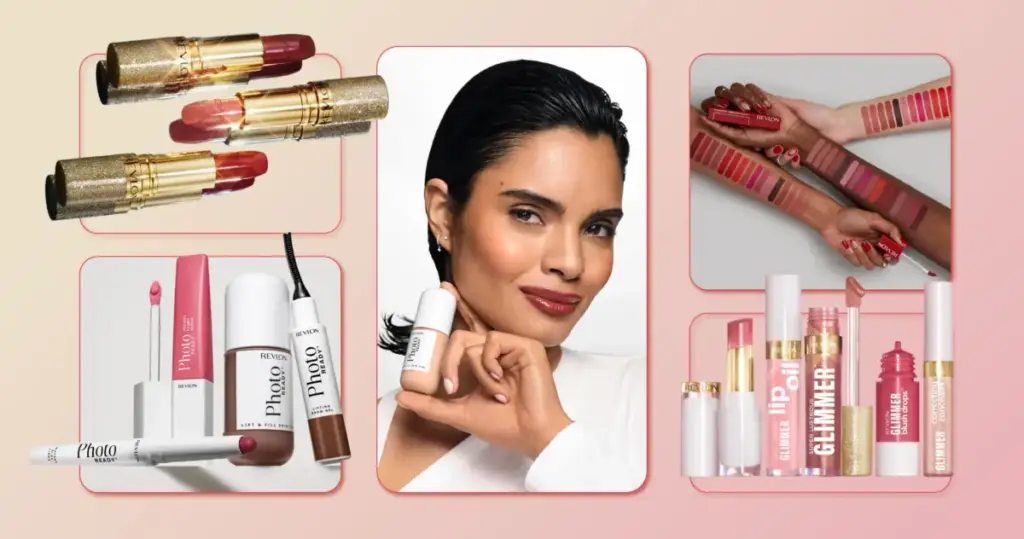
"We’ve been experts in color. We have 72 shades of Super Lustrous [lipstick], so we are experts in color. But we’re not probably for the woman who is really trying to be involved in the category to the very, very extreme… We call our target ‘efficient glam.’ And guess what? You can find efficient glam across ages, from the 20s all the way up to the 60s."
This insight shifts the brand’s value proposition from who you are (your age demographic) to how you live (your desire for accessible, high-performing, reliable beauty solutions that fit into a busy, modern life).
Official Statements: Behind the Scenes of the "Be Unforgettable" Relaunch
The creative execution of Revlon’s resurgence required a delicate surgery: honoring the brand’s illustrious past while violently shedding its outdated tropes. Jessica Henrichs, CEO at DonerColle Partners—the creative agency behind the "Revlon Be Unforgettable" campaign—offered deep insights into the philosophy guiding the creative overhaul.
Bringing "Women of Substance" to the Table
In analyzing the archives of Revlon’s 1980s and ’90s advertisements, the creative team realized that while the visuals were striking, the underlying narrative structures were deeply rooted in patriarchal perspectives of the era.
"We wanted to bring women of substance to the table, women who were more than just beautiful," Henrichs explained during Advertising Week. To illustrate this point, she pointed out a glaring anachronism in the brand’s historic ads: "Some of the original ads had a male voiceover, and I think we can all see now that was probably not the best call."
In stark contrast, the 2025–2026 campaign features modern multihyphenates Teyana Taylor and Megan Moroney narrating their own ad spots. By taking control of the narrative voice, the campaign establishes immediate agency, authenticity, and self-possession—qualities non-negotiable for modern beauty consumers.
Adapting to the Era of the Six-Second Ad
Beyond updating the voice, the iconic tagline itself required structural surgery to survive the digital attention economy. The original phrase—"The most unforgettable women in the world wear Revlon"—was a masterpiece of 20th-century television copywriting, but it was fundamentally mismatched with modern digital consumption habits.
"We thought about the tagline, ‘The most unforgettable women in the world wear Revlon,’" noted Henrichs. "We live in the era of the six-second ad, and so even that sentence wasn’t going to make the cut for today."
The solution was a ruthless exercise in brand distillation. The phrase was trimmed down to its punchy, imperative essence: "Revlon: Be unforgettable." This concise formulation retains the emotional resonance of the original promise while adapting seamlessly to fast-scrolling environments like TikTok, Instagram Reels, and YouTube Shorts.
The Power of Heritage vs. Standing Still
Addressing the fear that heritage brands risk looking dated if they look backward, Dana Medema offered a philosophically grounded defense of corporate history. Rather than running away from its 87-year legacy, Revlon has chosen to weaponize it as a badge of authenticity in an era plagued by "dupes" and fly-by-night micro-brands.
"Heritage means you have history. There’s nothing wrong with being a heritage brand," Medema asserted. "There’s something wrong with standing still, but you have really rich history and just going back into those archives, not being afraid to kind of pull out things from the past and say, ‘Hey man, that’s still relevant today.’"
Future Outlook: Can Revlon Retain Its Newfound Momentum?
As Revlon looks toward the remainder of the decade, the company’s structural and strategic metamorphosis faces critical tests. Having successfully restructured its finances through bankruptcy and redefined its creative voice under Michelle Peluso and Dana Medema, the brand must execute on several fronts to secure long-term market dominance:
- Omnichannel Execution: While digital marketing and star-studded campaigns drive cultural conversation, Revlon’s bread and butter remains mass-market retail and drugstore channels. Ensuring seamless integration between splashy digital ads and accessible in-store merchandising will be paramount.
- Product Innovation vs. Color Heritage: With legends like the Super Lustrous lipstick line boasting 72 shades, Revlon must continue to balance its archival classics with agile, trend-responsive product formulations (such as skincare-infused cosmetics) that appeal to consumers seeking both efficacy and skin health.
- Sustaining Cultural Relevance: The partnership with Teyana Taylor and Megan Moroney has successfully broken the brand’s silence. The challenge moving forward will be maintaining this cultural momentum without relying solely on transient celebrity cycles, embedding the "efficient glam" ethos deeply into the daily routines of consumers across generations.
Ultimately, Revlon’s journey demonstrates that longevity in the beauty industry is not about erasing the past, but about having the courage to rewrite it. By trading male voiceovers for self-narrated authenticity, condensing long-winded taglines into punchy digital mantras, and focusing on lifestyle routines rather than generational boxes, Revlon has proven that an 87-year-old brand can indeed learn new tricks—and reclaim its rightful place as an unforgettable force in beauty.