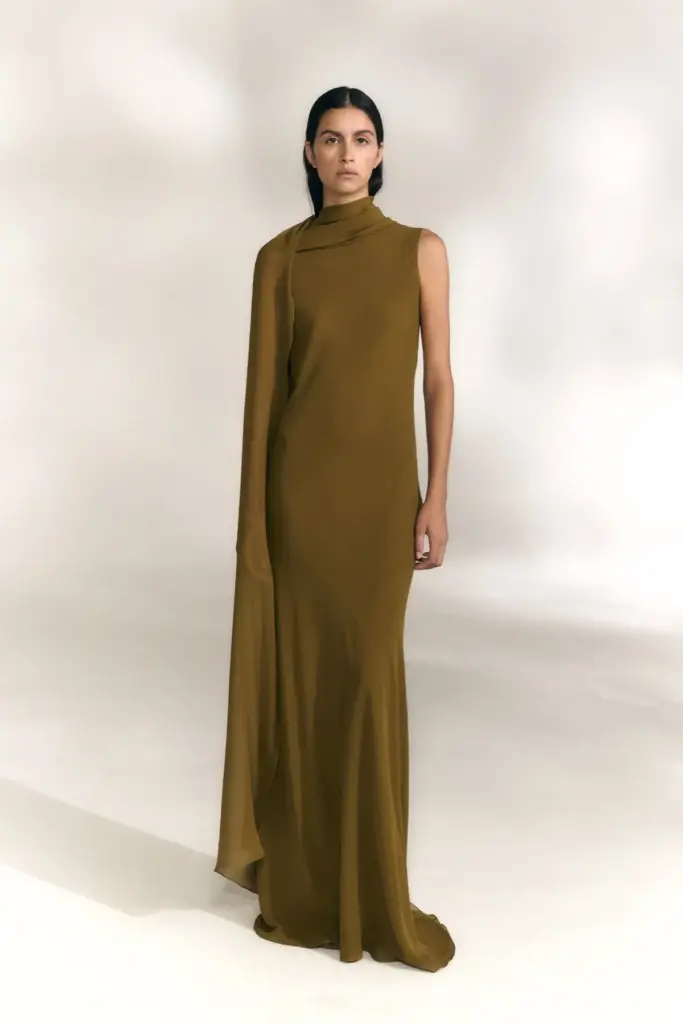
For decades, summer reigned supreme as the undisputed king of nuptial celebrations. From June through August, the social calendar was perpetually choked with garden parties, beachside ceremonies, and destination marathons. However, a profound cultural and logistical shift is currently underway across the global events industry. Summer has officially been dethroned.
Today, fall is making an aggressive and undeniably successful case for itself as the absolute best wedding season. The motivations driving this paradigm shift are manifold. Gone are the logistical nightmares of coordinating flights and accommodations during peak travel seasons, when inflated prices and overcrowded airports threaten to sour the celebratory mood months before the RSVP card is even mailed. More importantly, autumn introduces a welcome moderation in climate. Milder, crisp temperatures liberate both planners and guests from the tyranny of extreme heat, affording a vastly broader range of dress code options.
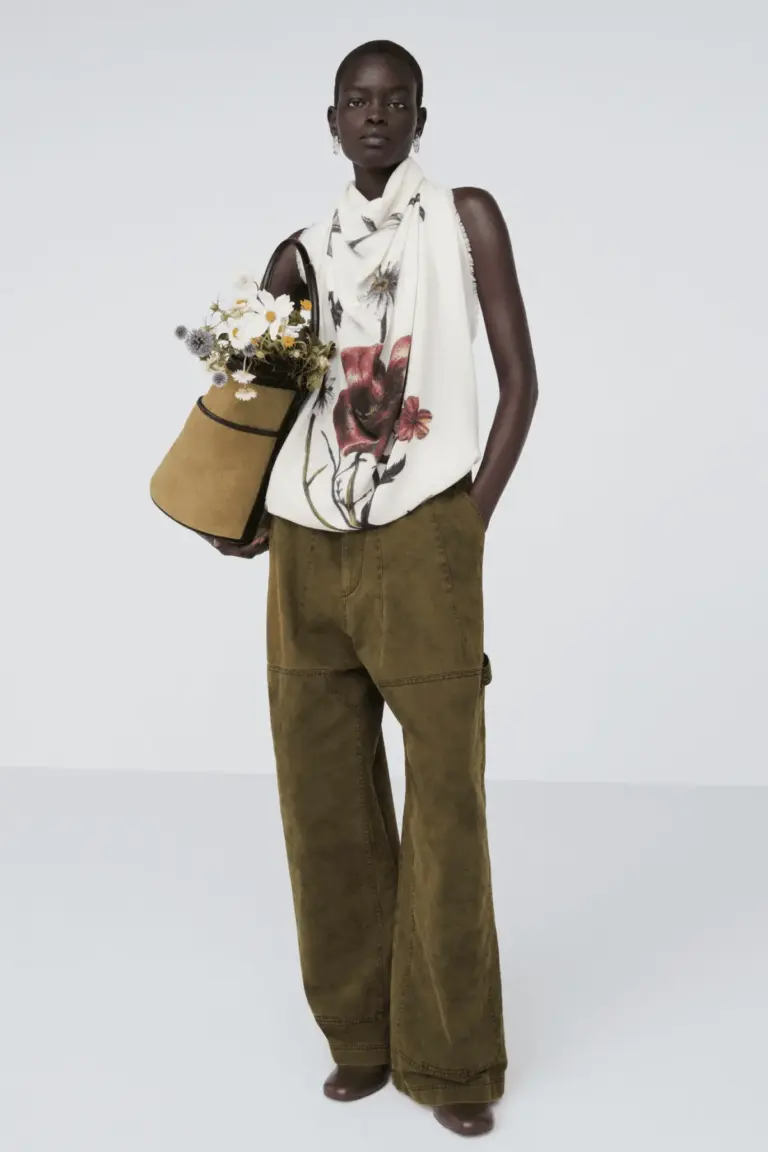
An autumn event invites a sophisticated sartorial approach. It is an invitation to step away from the predictable linen shifts and breezy sundowns of July, offering instead the chance to slip into an elegantly draped one-shoulder style, a molten satin slip, or a structural long-sleeve maxi dress without the looming dread of heatstroke during an outdoor ceremony. With an expanded array of rich silhouettes and tactile fabrics at a guest’s disposal, shopping for a fall wedding guest dress has transitioned from a chore of heat-mitigating compromise into an exercise in high fashion.
Detailed Chronology: The Evolution of the Seasonal Wedding Market
To understand the current dominance of the autumn wedding, one must examine the chronological shifts that have reshaped the hospitality and fashion industries over the past decade.
Phase One: The Summer Monopoly (Pre-2018)
Historically, the calendar dictated weddings based on school semesters, agrarian cycles, and corporate fiscal quarters. Summer offered long daylight hours and predictable dry weather in many northern hemisphere regions. Consequently, designers focused their evening and occasion-wear lines primarily on lightweight chiffons, bright pastels, and skin-baring silhouettes. Wedding guests were conditioned to prioritize breathability over architectural design, leading to a homogenous sea of floral georgette and pastel maxis from Memorial Day to Labor Day.
Phase Two: The Post-Pandemic Reevaluation (2021–2023)
The global health crisis disrupted traditional event timelines, forcing mass postponements. Couples scrambled to rebook venues, leading to an over-saturation of the traditional summer window. As venues booked out years in advance, resourceful planners began looking toward the shoulder seasons—specifically September and October—to secure dates.
Simultaneously, global supply chain bottlenecks encouraged a shift toward durable, multi-season wardrobes. Consumers began demanding garments that offered longevity rather than single-season utility. Fall weddings emerged not merely as a scheduling alternative, but as a deliberate aesthetic choice. The hospitality industry responded by developing specialized autumn packages, highlighting changing foliage, harvest-inspired menus, and atmospheric evening lighting.
Phase Three: The Reign of Autumn Occasionwear (Present)
Today, autumn weddings command a premier spot in the luxury fashion market. Major design houses now drop dedicated capsule collections specifically tailored to the textural and chromatic demands of cold-weather celebrations. The modern wedding guest no longer views autumn as an afterthought requiring a hastily thrown-on cashmere wrap over a summer dress; rather, they view it as the ultimate runway for complex tailoring, saturated jewel tones, and opulent textiles.
Supporting Context & Metrics: The Economics of the Fall Nuptial Boom
The transition from summer to fall as the premier wedding season is underscored by compelling economic and sociological data. According to recent market research from major bridal and event forecasting agencies, autumn bookings have surged by over 35% compared to pre-pandemic baselines.
The Financial Advantage of Shoulder-Season Travel
While peak summer travel (spanning July and August) routinely sees airline ticket prices and resort fees spike by 40% to 60%, the shoulder months of September and October present a more rational financial landscape. Guests save significantly on travel overhead, leaving a larger portion of their disposable budget dedicated to high-end wardrobe acquisitions. This economic breathing room directly fuels the demand for investment pieces—such as the $2,400 Khaite Ria dress or the $2,325 Cortana Galea silk chiffon maxi—that might otherwise be deemed cost-prohibitive for a casual summer garden party.
Climate Shifts and Venue Diversification
Climate data indicates that traditional summer months are experiencing unprecedented heatwaves, rendering outdoor ceremonies increasingly uncomfortable for heavily dressed wedding parties and guests alike. Conversely, September and October offer stable, moderate temperatures across North America and Europe. This climatic reliability has empowered couples to select more ambitious venues—such as historic vineyards, mountainsides, and rustic barns—which in turn demand a more sophisticated, tactile dress code from attendees.
+-------------------------------------------------------------------------+
|                  FALL VS. SUMMER WEDDING METRICS                        |
+--------------------------+-------------------+--------------------------+
| Metric                   | Summer Weddings   | Fall Weddings            |
+--------------------------+-------------------+--------------------------+
| Average Travel Costs     | High (+50%)       | Moderate/Low             |
| Climate Risk             | Extreme Heat      | Crisp/Manageable         |
| Fabric Preferences       | Chiffon, Linen    | Silk, Satin, Velvet      |
| Average Guest Spend      | Moderate          | High (Investment Pieces) |
+--------------------------+-------------------+--------------------------+
Official Statements & Curated Editorial Guidance
To navigate the nuanced landscape of autumn dress codes, Vogue editors have compiled a definitive framework based on venue types and seasonal palettes. The prevailing wisdom is clear: let the setting dictate the silhouette.
The Palette of the Season
"’Tis the season for rich palettes saturated in earthy colors, with equally lavish fabrics to boot," notes the editorial team. Plum, burgundy, saffron, and terracotta dominate the chromatic landscape. When coupled with silk twill, organza ruffles, or a cascade of micro-pleats, these shades create a thematic harmony that mirrors the changing environment.
Venue-Specific Styling Guidelines
1. Mountainside and Rustic Settings
For ceremonies framed by changing foliage and rugged terrain, the key is to harmonize with nature rather than compete with it.
- Top Picks: A forest green slip dress by TWP ($1,095) or Sir’s dark mauve maxi.
- Styling Note: Pair these earthy tones with structured leather boots or block heels capable of navigating uneven ground, topped with a tailored wool coat for evening transitions.
2. Urban and Metropolitan Affairs
City weddings call for sleek sophistication. A seasonal, longer iteration of the classic little black dress is perpetually appropriate.
- Top Picks: The Row’s strapless column dress, J.Crew’s elegant midi lengths, Khaite’s Ria dress ($2,400), or Mango’s asymmetrical satin dress in a rich plum ($130).
- Styling Note: Elevate urban looks with metallic hardware, architectural earrings, and pointed-toe pumps.
3. Laid-Back Autumn Celebrations
For relaxed barn receptions or country estates, warm-weather hallmarks can be successfully recontextualized for cooler months when rendered in heavier weights or darker prints.
- Top Picks: Pretty prints and structural ruffles from Reformation, Zimmermann (such as the Mahon gathered printed silk maxi at $1,350), and Rabanne, alongside Dôen’s Mariselle printed silk-blend maxi ($500).
- Styling Note: Layer with sheer hosiery and a vintage-inspired velvet blazer.
4. Fairytale Destination Weddings
Destination weddings held in historic European castles or coastal vineyards require designs that match the grandeur of the architecture.
- Top Picks: Simkhai’s two-toned pleated gown, Tove’s ruby red satin number, Cortana’s Galea one-shoulder silk chiffon maxi ($2,325), and Staud’s Portia off-the-shoulder stretch silk gown ($695).
- Styling Note: Focus on dramatic movement, floor-sweeping hems, and minimal, high-impact jewelry.
Future Outlook: The Permanent Shift in Occasionwear
As we look toward the future of the events and fashion industries, it is increasingly evident that the ascent of the fall wedding is not a temporary trend, but a permanent structural evolution.
The Longevity Mandate in Design
Consumers and designers alike are moving away from disposable fast-fashion event wear. Fall and winter collections inherently favor durable, high-quality textiles like heavy silk twill, structured crepe, and dense satin. These materials possess a timeless quality, ensuring that a gown purchased for an October wedding in 2024 can be repurposed, restyled, and worn for winter galas and spring black-tie events for years to come.
The Integration of Outerwear as High Fashion
One of the most exciting design frontiers for autumn weddings is the elevation of outerwear as an integral component of occasionwear. Rather than treating coats, capes, and wraps as afterthoughts meant to be checked at the door, modern guests are treating structured blazers, silk-velvet wraps, and tailored capes (such as those seen in Cortana’s latest offerings) as core elements of their aesthetic statement.
Ultimately, stepping into the autumn wedding season requires a departure from the predictable formulas of the past. By leaning into rich jewel tones, tactile luxury fabrics, and venue-informed silhouettes, guests can transform the RSVP "yes" into an opportunity for unmatched sartorial expression.