Executive Overview
As the international style set packed away their New York wardrobes and prepared for the second major leg of the global style calendar, London Fashion Week for the Spring/Summer 2027 season delivered an electrifying four-day showcase. Blending the heavy-hitting institutional authority of legacy houses with the disruptive energy of an ambitious new generation of designers, the English capital once again proved its unmatched capacity for cultural storytelling.
Characterized by a whirlwind of high-profile runway returns, immersive brand activations, and a front row populated by global music icons, Hollywood actors, and British fashion royalty, this season’s schedule was nothing short of monumental. Most notably, Alexander McQueen made a triumphant homecoming under the creative direction of Seán McGirr, staging an evening presentation that immediately established itself as the talk of the week. Meanwhile, heritage stalwarts like Burberry and Erdem anchored the schedule with star-studded family affairs, while high-street titan H&M stunned critics with an immersive, star-studded runway presentation that blurred the lines between accessible retail and high fashion.
This comprehensive report examines the critical highlights, standout presentations, front-row phenomena, and emerging talent driving the future of British fashion during the Spring/Summer 2027 showcase.
Detailed Chronology: A Whirlwind Four Days in the English Capital
Day One: Setting the Tone and Emerging Debuts
The atmosphere across London was palpable as editors, buyers, and creators touched down, armed with wellies and Oyster cards, ready for a condensed yet fiercely packed four-day stint. While foundational pillars of British fashion—such as Simone Rocha and Erdem—remained the anchors of critical anticipation, Day One immediately threw a spotlight on the vanguard.
Emerging designers seized the moment to make their mark on the official schedule. R&M Leathers executed its inaugural runway presentation, drawing an indie-sleaze-adjacent crowd featuring artists like Rhian Teasdale of Wet Leg. Alongside R&M Leathers, new additions like A-Letter and Geordie Campbell—both widely tipped as ones to watch in the contemporary design landscape—demonstrated the vibrant diversity of thought currently revitalizing London’s independent design scene.
Mithridate also drew considerable attention early in the week, welcoming actor Hunter Doohan to its front row, signaling the globalized reach of London’s mid-tier and contemporary labels.
Day Two: H&M’s Immersive Extravaganza and High-Street Dominance
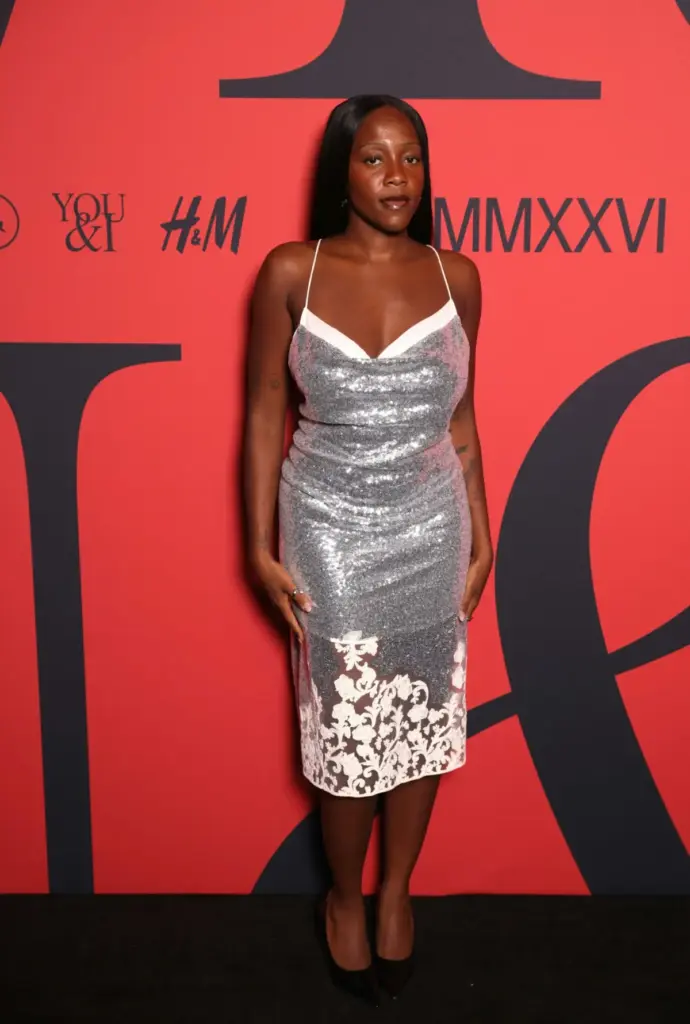
If Day One belonged to the avant-garde underground, Day Two was dominated by mass-market heavyweight H&M. Delivering one of the most talked-about experiential events of the week, the brand hosted an immersive runway show that functioned as a magnet for international star power.
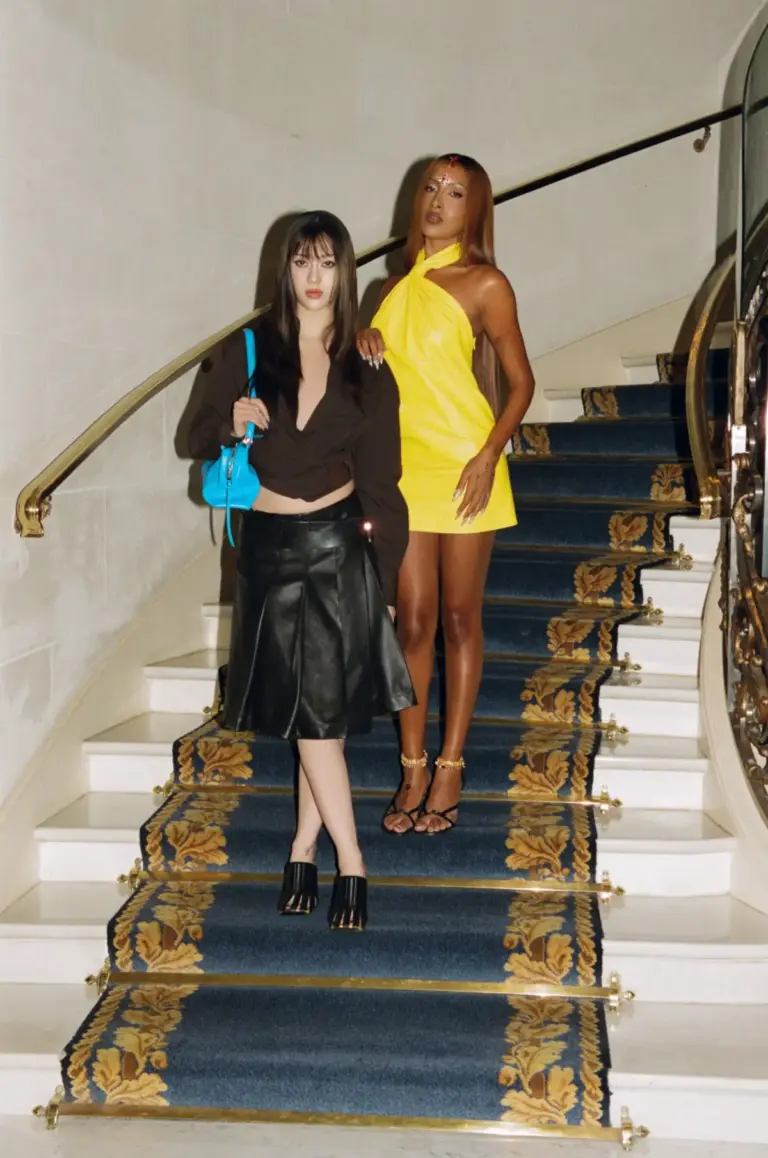
The front row read like an A-list festival lineup. Myha’la, Audrey Nuna, and Manu Ríos turned heads with boundary-pushing styling, while pop sensation Kim Petras and global icon Tems brought undeniable star quality to the venue. They were joined by a dynamic cross-section of cultural figures, including Cruz Beckham, Rachel Chinouriri, Laura Harrier, Ruby Lyn, Izzi Allain, Sierra Rena, Jackson White, Grace Van Patten, Rose Gray, Kai Schreiber, and Madeline Argy.
The H&M presentation successfully demonstrated how high-street entities can leverage immersive production value and cultural capital to rival traditional luxury houses during fashion month.
Day Three: The Return of McQueen and Tailored Elegance
The midpoint of London Fashion Week delivered the most anticipated emotional and aesthetic high of the season: Alexander McQueen’s homecoming evening show on September 20. Under the creative direction of Seán McGirr, the house stepped back into its historical London roots, and the fashion community responded by turning out in droves.
The venue was an absolute sea of talent, cementing the label’s enduring cultural relevance. The guest list resembled a roll call of modern British cool: Lila Moss, Georgia May Jagger, Celeste, Alexa Chung, Emma Corrin, Rhian Teasdale, Lava La Rue, Amy Taylor, Sophie Thatcher, Marisa Abela, Lola Tung, Kelly Lee Owens, Florence Welch, and Ellie Bamber filled the benches, all bearing witness to McGirr’s evolution of the McQueen lexicon.
Earlier in the day, craftsmanship took center stage elsewhere on the calendar. Erdem welcomed Marisa Abela—showcasing her status as a fixture of the week—while Mulberry collaborated with Christopher Kane, enlisting legendary British model Edie Campbell to anchor the narrative of timeless, subversive British design.
Day Four: Burberry’s Grand Family Affair
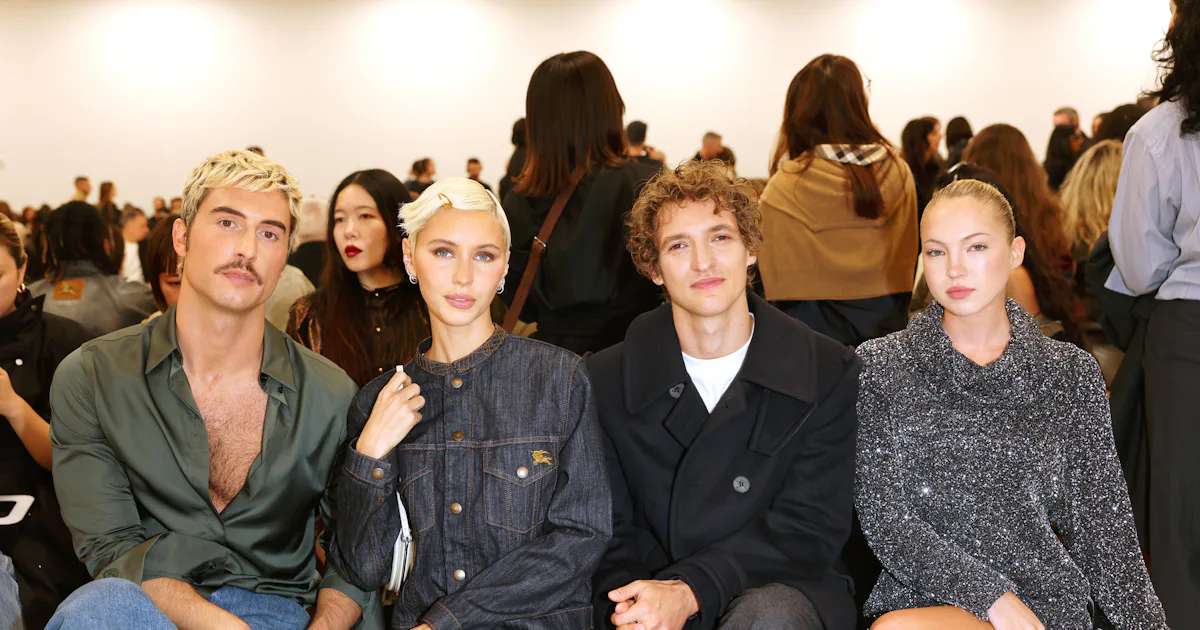
London Fashion Week Spring/Summer 2027 culminated in what can only be described as a royal celebration of British style at Burberry. Staged as a true family affair, the presentation encapsulated the intersection of heritage, modern celebrity, and generational transition within the fashion industry.
The front row and guest list were packed with familiar faces and brand ambassadors. Benito Skinner brought his signature wit and style, while Rosie Huntington-Whiteley exuded classic British elegance. They were joined by Nico Parker, Lila Moss, Iris Law, Tems, Kieron Moore, Romeo Beckham, Sienna Spiro, Ruby Lyn, Nara Smith, Jodie Turner-Smith, British rap icon Skepta, and Gabbriette. The convergence of music, film, and modeling royalty underscored Burberry’s unique positioning as the ultimate cultural umbrella for contemporary British identity.
Supporting Context & Metrics: The Business and Cultural Impact
While the flashbulbs and celebrity sightings dominate headlines, London Fashion Week continues to serve as a vital economic engine for the United Kingdom’s creative industries. According to data from the British Fashion Council (BFC), London Fashion Week contributes hundreds of millions of pounds to the UK economy annually, supporting tens of thousands of jobs across manufacturing, public relations, hospitality, and retail sectors.
| Category | Key Highlights / Entities | Cultural Impact / Reach |
|---|---|---|
| Legacy Heavyweights | Burberry, Alexander McQueen, Erdem, Simone Rocha | Anchor global media attention; drive multi-million-pound brand value through high-profile campaigns and star-studded front rows. |
| High-Street Innovation | H&M | Proves the viability of immersive, experiential runway presentations for mass-market brands, capturing younger, digital-first demographics. |
| Emerging Vanguard | R&M Leathers, A-Letter, Geordie Campbell, Aaron Esh | Represent the future of British design; inject raw, experimental creativity and sustainable production methods into the schedule. |
| Front-Row Powerhouses | Lila Moss, Iris Law, Tems, Skepta, Alexa Chung, Marisa Abela | Bridge the gap between fashion, music, and cinema; generate millions of social media impressions and high engagement metrics. |
The Spring/Summer 2027 season also highlighted a strategic shift toward experiential marketing. Brands are no longer relying solely on static presentations; instead, they are investing heavily in immersive theatricality—best exemplified by H&M’s sprawling production and McQueen’s atmospheric evening homecoming—to capture the fractured attention spans of digital consumers.
Official Statements and Industry Commentary
Reflecting on the success and emotional resonance of the season, industry leaders and designers emphasized the importance of community and resilience within the British fashion ecosystem.
Seán McGirr, Creative Director of Alexander McQueen, noted the significance of bringing the house back to London:
"London has a pulse, an untamed energy that fundamentally shapes the DNA of Alexander McQueen. Bringing our evening show back to our roots wasn’t just a logistical choice; it was an emotional homecoming. This collection honors the rebellious spirit of our heritage while speaking directly to the modern cultural landscape."
A senior spokesperson for the British Fashion Council addressed the duality of the Spring/Summer 2027 schedule:
"This season has demonstrated the extraordinary breadth of the UK fashion industry. From the monumental global reach of legacy brands like Burberry and McQueen to the brilliant, disruptive ideas of our emerging designers like Geordie Campbell and R&M Leathers, London remains the undisputed incubator for global creative talent."
Industry analysts covering the financial implications of the week pointed out the measurable correlation between high-impact celebrity attendance and immediate e-commerce traffic surges. Brands that integrated cross-disciplinary talent—such as musicians, actors, and digital creators—saw exponential spikes in digital earned media value (EMV) within hours of their presentations.
Future Outlook: What’s Next for British Fashion?
As the fashion caravan packs its bags and heads across the Channel for Milan and Paris, the ripples of London Fashion Week Spring/Summer 2027 will undoubtedly be felt for months to come. Several key trends and trajectories have emerged to define the road ahead:
- The Institutional Revival: With Alexander McQueen successfully reclaiming its London narrative under Seán McGirr, and Burberry continuing to lean into its community-driven heritage, legacy houses are proving that honoring historical roots while embracing modern inclusivity is the ultimate formula for longevity.
- The Rise of the Independent Vanguard: Emerging talents such as R&M Leathers, A-Letter, and Geordie Campbell have proven that despite economic headwinds, independent design in London remains fiercely innovative. Industry investors and buying syndicates are expected to closely monitor these names for commercial partnerships in the upcoming buying seasons.
- Experiential Retail Integration: The massive success of H&M’s immersive runway format signals a permanent evolution in how high-street and commercial brands engage with fashion month. Expect to see more hybrid consumer-facing activations in future seasons as brands look to democratize the traditionally exclusive runway experience.
- Cross-Pollination of Industries: The seamless blending of music (Tems, Skepta, Rachel Chinouriri), cinema (Marisa Abela, Hunter Doohan, Sophie Thatcher), and fashion demonstrated this week is no longer a marketing afterthought—it is the core engine of modern style culture.
Ultimately, London has once again affirmed its status as the world’s most daring style laboratory. By honoring its past while boldly championing the new, the English capital has set an exceptionally high bar for the remainder of the Spring/Summer 2027 fashion month circuit.