Executive Overview
In the modern retail landscape, the physical storefront has undergone a radical transformation. No longer merely a permanent fixture designed for steady, long-term inventory turnover, the brick-and-mortar space has been weaponized as an instrument of urgency. Today, internet-native “it-girl” brands—ranging from the sun-drenched, eclectic aesthetics of Spanish label Gimaguas to the elevated basics of Tankair and the delicate intimates of CouCou—are deliberately bypassing traditional retail permanence. Instead, they are dominating cultural hubs like New York and Los Angeles with transient, highly curated pop-up shops.
This phenomenon is more than a mere marketing tactic; it is a masterclass in orchestrating a scarcity mindset. By marrying the hyper-connected architecture of social media with the age-old, tactile thrill of the physical queue, these brands have turned shopping into an endurance sport. Consumers are no longer just buying clothes—they are purchasing proof of participation. Whether waiting out LA traffic for a coveted streetwear drop or passing vapes down the line outside a SoHo boutique, a new generation of shoppers is willingly submitting to the capitalist theater of the line.
This deep dive investigates the mechanics of the pop-up economy. By analyzing the intersection of parasocial marketing, digital-first consumer psychology, and physical retail design, we explore how ephemeral storefronts have become the ultimate status symbol for Gen Z, transforming ordinary retail transactions into elite, highly documented cultural events.
Detailed Chronology: The Anatomy of a Pop-Up Summer
To understand how transient retail commands such ferocious loyalty, one must trace the physical and digital footprint of a modern pop-up campaign. The cycle is meticulously engineered, moving from digital anticipation to physical exhaustion, and finally to digital validation.
Phase 1: The Digital Tease and the "Friends & Family" Prerelease
Long before a pop-up’s doors open to the general public, the machinery of desire begins humming online. Brands utilize Instagram feeds and TikTok algorithms to drop vague, tantalizing hints about upcoming physical activations. However, the true opening salvo is exclusive: the "Friends and Family" days.
In the days leading up to the public opening, C-listers, Instagram models, and tastemakers are invited behind the velvet ropes. They browse the racks unbothered by the masses, crafting an aspirational baseline for the brand. Soon, timelines are flooded with content of figures like Kaia Gerber, Addison Rae, or Bella Hadid trying on pieces in pristine, uncrowded fitting rooms. This parasocial proximity—the implicit promise that by wearing the clothes, a consumer might inhabit the aura of these icons—lays the psychological groundwork for the public frenzy to follow.
Phase 2: The Queue as a Cultural Crucible
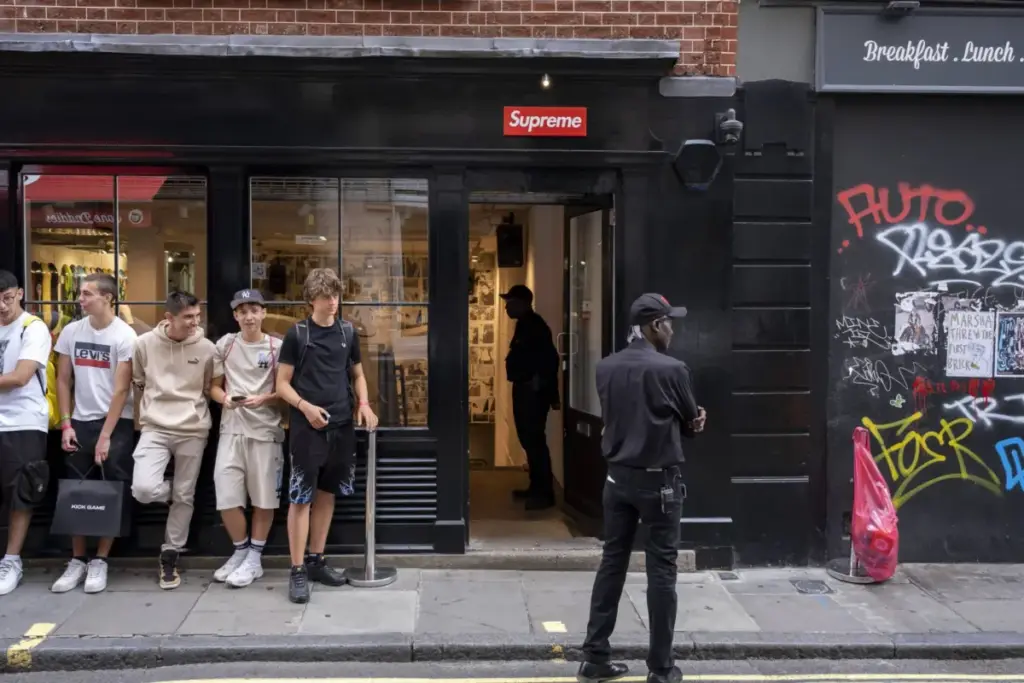
When the doors finally open to the public, the waiting room of the internet is replaced by the asphalt of the sidewalk. Dubbed by trend-watchers as #WaitingInLineSummer, the physical queue becomes a social ecosystem in its own right.
Take, for instance, the March appearance of Gimaguas in Southern California or Tankair’s one-week residency on Melrose Avenue in June. Aspiring buyers—often balancing college graduations, traffic delays, and professional schedules—arrive hours early. The line is transformed: friendships are forged over shared vapes, outfits are evaluated, and anticipation builds. Inside, the stores function less like traditional shops and more like galleries of capitalist indulgence. Garments are numbered and hung in meticulously designed, highly stylized environments. Shoppers fill out paper cards with desired colorways and sizes—reminiscent of ordering at a trendy diner—before waiting yet again for a dressing room.
Phase 3: The Haul, the Post-Game, and the Grid
The journey does not end at the register. Once a shopper secures their garments—be it a $250 Tankair halter top or a pair of Gimaguas mini shorts—the final phase of the pop-up lifecycle begins: digital documentation.
Consumers return to the comfort of their homes or immediately post from the fitting rooms, chronicling their hauls, wait times, and try-ons. This user-generated content feeds directly back into the algorithmic loop, creating a self-sustaining ecosystem of FOMO (Fear Of Missing Out). The physical pop-up thus achieves its ultimate purpose: generating enough digital shockwaves to sustain the brand’s online sales long after the physical storefront has packed up and vanished.
Supporting Context & Metrics: The Psychology of the Digital Native Consumer
To contextualize the success of ephemeral retail, one must examine the unique economic and psychological profile of Gen Z consumers, whose purchasing habits have been forged in an era of hyper-integration with social media.
The Pseudo-Mall and the Monkey-See-Monkey-Press Economy
Raised in an environment where social media functions as an online pseudo-mall, Gen Z shoppers exhibit a distinct behavioral pattern: "monkey-see-monkey-press purchase." When exposed to continuous, aesthetically curated imagery of peers, influencers, and celebrities wearing specific niche items—such as CouCou’s Rina long sleeve, famously worn by everyone from Sabrina Carpenter to Hailey Bieber—the impulse to buy at first sight skyrockets.
[Digital Exposure (TikTok/IG)]
       │
       ▼
[Parasocial Aspiration (Celebrity Endorsement)]
       │
       ▼
[Artificial Scarcity (Pop-Up / Limited Drop)]
       │
       ▼
[The Physical Queue (#WaitingInLineSummer)]
       │
       ▼
[Digital Validation (Haul Posts & Grid Curation)]
Because independent, avant-garde brands operate at higher price points and produce smaller batches than fast-fashion giants, their accessibility is inherently restricted. This limitation paradoxically elevates their appeal. The scarcity mindset is compounded by the release of exclusive, location-specific merchandise—such as t-shirts printed with pop-up dates, styled like tour merch—which serve as badges of honor proving the wearer was physically present.
The "Everyone’s an Influencer" Phenomenon
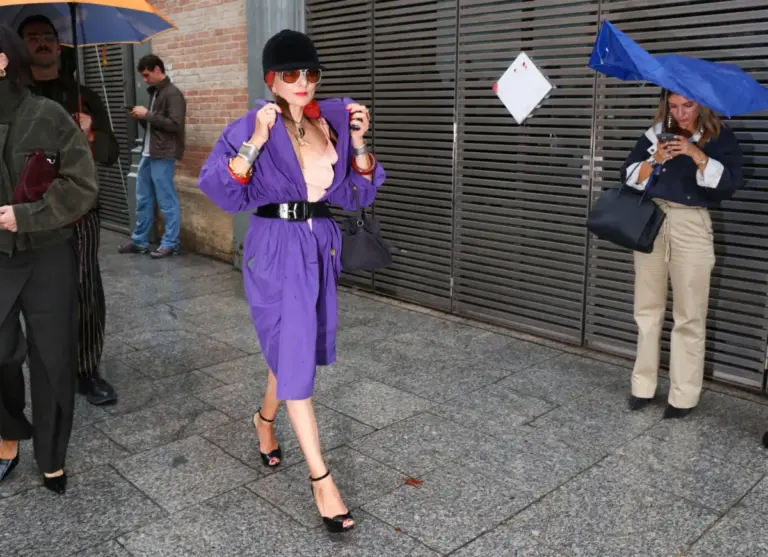
In cultural epicenters like Los Angeles and New York, the line between private individual and public-facing creator has blurred past recognition. Young consumers experience a tangible adrenaline rush from staging and posting their outfits in curated environments. The purple-carpeted fitting rooms of Tankair or the sun-drenched corners of a Gimaguas pop-up are explicitly designed to be photogenic backdrops.
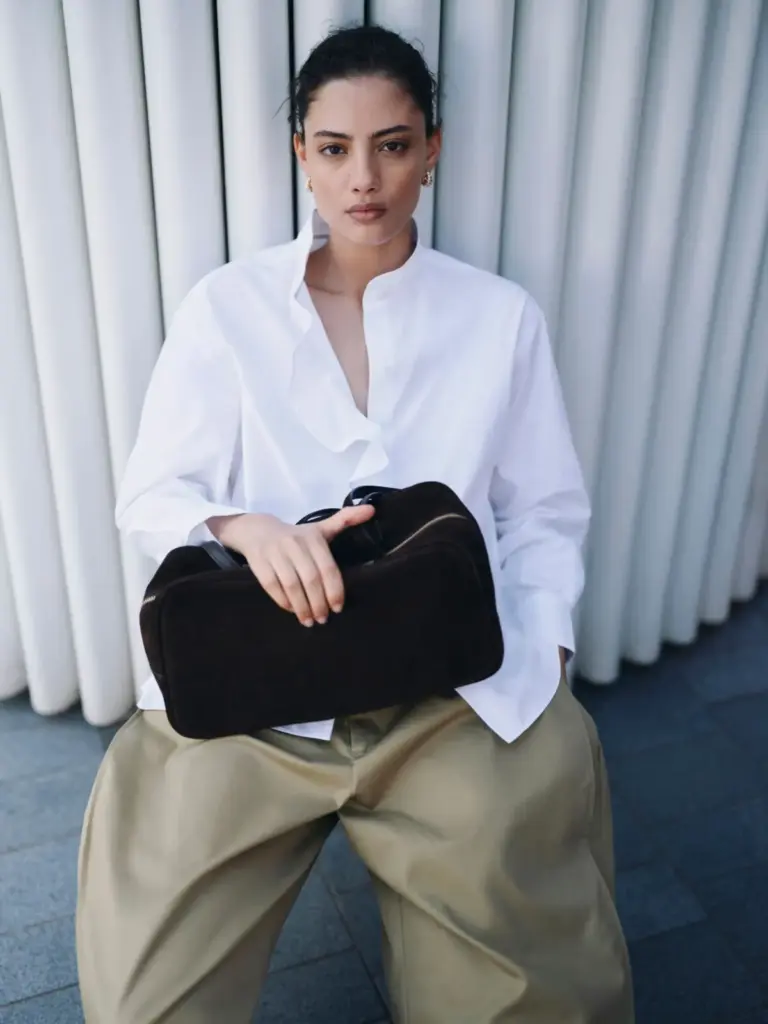
This environment fosters a culture where self-presentation is continuous. As fashion commentators and cultural critics note, the consumption of independent fashion is intimately tied to identity performance. The clothes are well-made—offering unmatched breathability, superior fit, and distinct design integrity compared to mass-market alternatives—but the cultural currency they yield is equally valuable.
Official Statements and Industry Perspectives
While corporate press releases from major fashion houses often rely on sterile language regarding "omnichannel strategies" and "experiential retail," independent designers and cultural analysts offer a far more candid perspective on the mechanics of the pop-up boom.
Fashion commentators and podcast co-hosts, such as those behind cultural critique platforms like Nymphet Alumni and the American Style Substack, have long championed the ethos of dressing with intentionality—encapsulated by phrases like "Time to put on some tank air and handle it." Industry insiders acknowledge that the modern consumer is hyper-aware of marketing tactics yet willingly participates in them because the aesthetic payoff outweighs the inconvenience.
A representative for one prominent independent label, speaking on condition of anonymity regarding retail strategy, noted:
"We aren’t just selling clothes out of a temporary space; we are building a temporary world. When you take away the permanence of a store, you remove the luxury of time. You force the customer to make a choice: be part of the moment right now, or miss out forever. That urgency is the lifeblood of modern independent retail."
Furthermore, cultural analysts emphasize that the pop-up model serves as a vital financial testing ground for direct-to-consumer (DTC) brands. Before committing millions of dollars to long-term commercial leases in high-rent districts, brands can gauge localized demand, build community rapport, and generate localized media storms with minimal overhead risk.
Future Outlook: The Evolution of Ephemeral Retail
As the retail landscape continues to adapt to the post-pandemic digital economy, what lies ahead for the pop-up phenomenon?
From Transient to Permanent: The Lifecycle of Trend Brands
While the current summer is defined by lines, heat, and fleeting storefronts, brands must eventually mature. Several labels that pioneered the pop-up wave—such as Paloma Wool—have successfully transitioned from temporary activations to permanent, brick-and-mortar flagships on both coasts. As these brands grow, the challenge will be retaining the aura of exclusivity and "cool-girl" cachet that made their initial pop-ups so magnetic.
The Boys’ Club Equivalents: Parallel Markets in Streetwear
While the feminine catalogue of pop-up culture—ranging from delicate intimates to eclectic knitwear—dominates digital discourse, a parallel universe exists within male-dominated streetwear culture. The lineage that began with Supreme box logos and limited sneaker drops has evolved into complex systems of Discord cook groups, proxy buyers, and underground warehouse sales. The psychological drivers remain identical: community, scarcity, and the pursuit of cultural clout.
Conclusion: Will the Line Ever End?
For the average consumer navigating the sweltering sidewalks of West Hollywood or SoHo, the question remains whether the exhaustion of the queue is truly worth the prize. Yet, as long as social media platforms reward hyper-curated visibility, and as long as independent designers can transform a vacant retail space into an exclusive clubhouse, the line will persist.
As Lorde once sang of the kids in line for the new Supreme, bidding adieu to the models, bottles, and clout climbing: for many modern shoppers, the line is not just a place to wait—it is where they live. Until permanent storefronts absorb the demand, expect every summer to be defined by the collective, chaotic, and utterly addictive ritual of #WaitingInLineSummer.