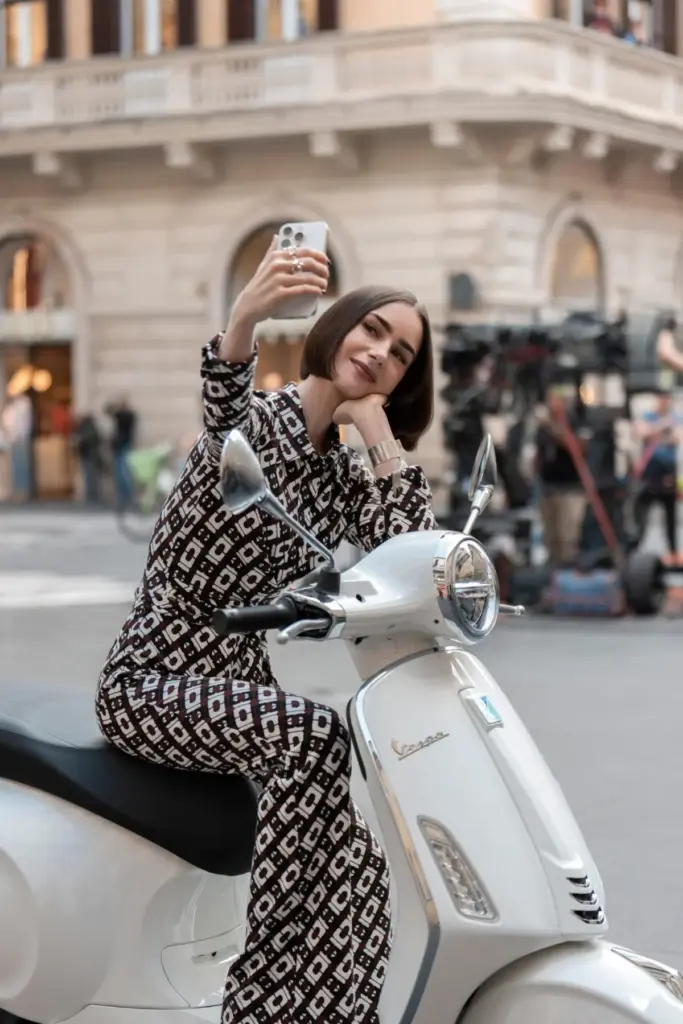
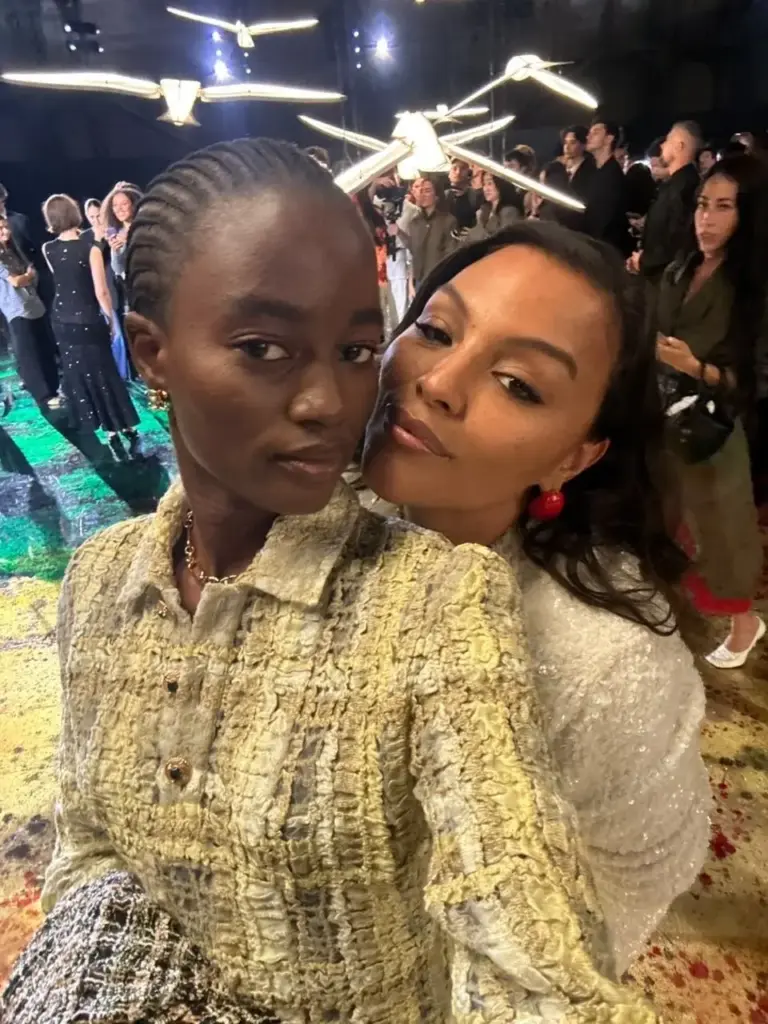
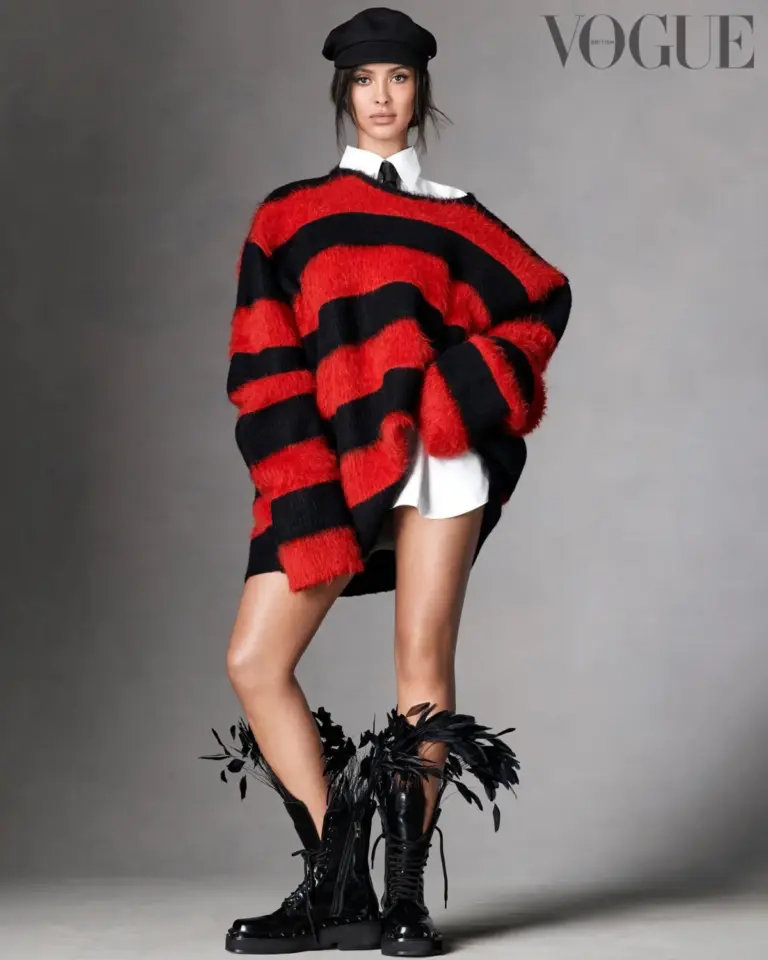
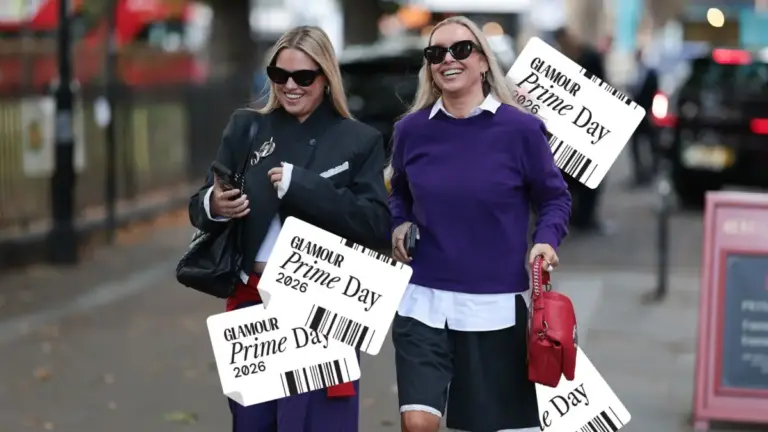
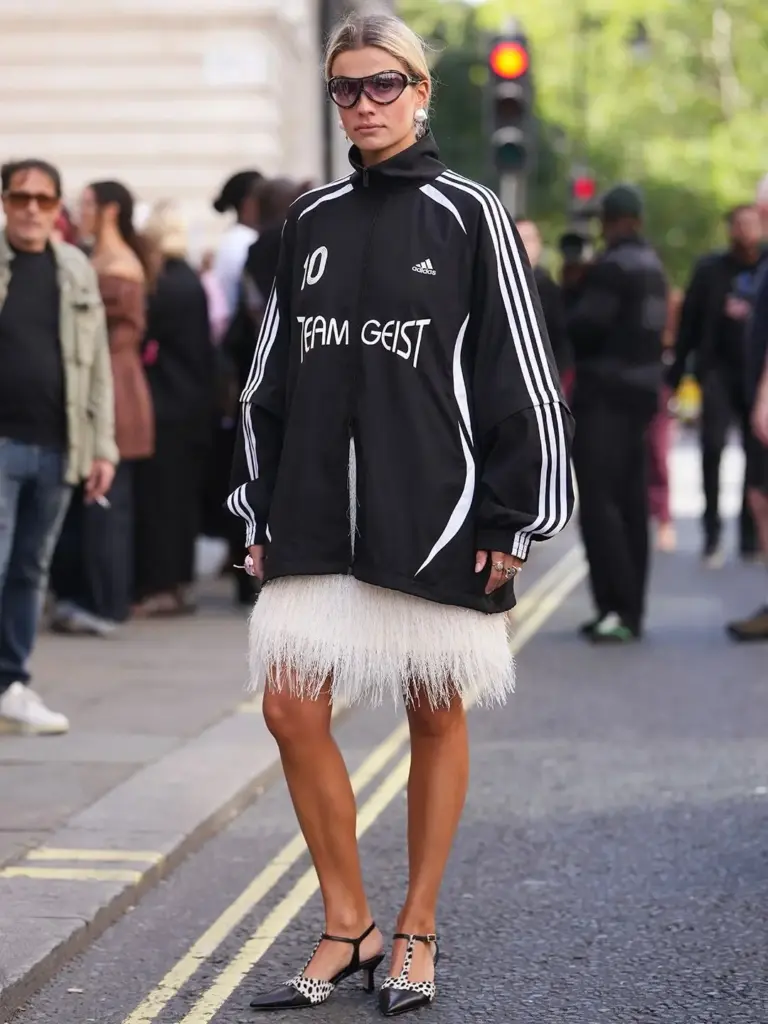
In the contemporary digital landscape, linguistic inflation has found its latest casualty. Across Instagram, TikTok, and algorithmically curated feeds worldwide, the word “chic” has achieved absolute ubiquity. Once reserved as a precise, highly selective descriptor for understated elegance, minimalist sartorial grace, or a specific brand of effortless European sophistication, the term has been dragged into the gladiator arena of modern content creation. Today, it is applied indiscriminately to high-fashion runway looks, morning cups of coffee, everyday breakfast toast, and commercial soft drink campaigns.
This linguistic saturation has sparked a predictable backlash. Self-appointed arbiters of taste and online "chic gatekeepers" have raised arms in protest, arguing that if everything is designated as chic, nothing truly is. Yet, this friction between traditional exclusivity and democratic digital culture exposes a deeper truth about the nature of language in the age of the algorithm. Far from being a mere vocabulary slip, the hyper-inflation of "chic" serves as a masterclass in how internet culture manufactures engagement, flattens nuance, and democratizes aesthetics until traditional hierarchies dissolve entirely.
Detailed Chronology: From Parisian Ennui to the "Kinda Chic" Surge
To understand how a single syllable became the battleground for modern digital taste, one must trace the rapid trajectory of its most recent weaponization: the "kinda chic" phenomenon.
The Spring Catalyst
The current wave of semantic exhaustion began quietly in April, when lifestyle and fashion creator MariaBegins posted content that subtly shifted the needle on Instagram. The phrasing—casual, self-effacing, yet inherently declarative—landed with a resonant thump across American feeds. It wasn’t long before the sentiment mutated, spreading like wildfire across competing algorithms.
Within weeks, influencers, luxury fashion houses, everyday lifestyle vloggers, and corporate social media managers were appending the modifier to virtually any aesthetic submission. One notable viral video lamented that "toast is kinda chic"—a statement so absurdly mundane yet brilliantly self-aware that it encapsulated the exact tongue-in-cheek absurdity driving the trend.
The Historical Evolution of a Transatlantic Import
Long before it became a staple of vertical video captions, "chic" enjoyed a long and winding etymological journey. Etymologists trace the word’s entry into English from the French language, where it historically denoted "artistic skill or finesse." Scholars further suggest the French borrowed the root from the German word schick, meaning skill, tact, or a neat arrangement.
As the decades progressed, the word’s application shifted. For generations of media consumers in the late 20th century, the term was popularized via television and film, often echoing from the mouths of affluent characters channeling a detached Parisian aesthetic—berets, cigarettes, and a studied, effortless ennui. For those raised outside elite coastal enclaves, it represented an unattainable, highly curated standard of cool.
As fashion cycles democratized and street style blogs gave way to Instagram feeds, the word transformed from an exclusive badge of honor into a versatile utility knife of digital validation.
Supporting Context & Metrics: The Anatomy of an Algorithmic Spike
The subjective nature of style has always defied objective measurement, but the digital footprint of linguistic trends tells an unmistakable story.
Data-Driven Ubiquity
According to recent metrics from Google Trends, the phrase "kinda chic" registered as a breakout search term, spiking by an astonishing 2,700% over a single month-long period. This explosive growth is a direct testament to how thoroughly timelines were inundated with variants of the phrase.
Metric Category
Observation / Data Point
Cultural Implication
Search Engine Velocity
2,700% spike in "kinda chic" queries (Google Trends)
Sudden, aggressive cross-over from micro-trend to mainstream lexicon.
Corporate Co-optation
Brands like Diet Coke launching "kinda chic" alignment posts
Complete absorption of organic internet slang into institutional marketing frameworks.
Content Demographics
Universal adoption across high fashion, lifestyle, and mundane domestic vlogs
Total collapse of traditional sartorial boundaries; democratization of taste.
The Mechanics of the "For You Page"
Why do creators—and increasingly, multinational corporations—insist on utilizing terms until they lose all semantic value? The answer lies within the architecture of the modern recommendation engine.
To land on the coveted "For You Page" (FYP) or the explore grid, content must signal immediate cultural fluency. Presenting oneself as a self-styled tastemaker with the built-in cachet to label an object, setting, or outfit "chic" acts as an algorithmic beacon. It signals to viewers that the content possesses aesthetic merit, sparking the exact engagement loops required to push posts past the platform’s saturation barrier. When a global beverage titan like Diet Coke deploys "kinda chic" branding alongside independent lifestyle creators, it confirms that linguistic flattening is no accident—it is an optimized strategy for digital survival.
Official Perspectives: Gatekeepers vs. The Democratized Masses
As the term faces unprecedented dilution, a cultural war has erupted between traditionalists who advocate for linguistic restraint and digital-native creators who view such purism as elitist posturing.
The Case for Preservation
Traditional fashion purists and self-appointed online gatekeepers argue that language loses its utility when boundaries are erased. Their argument hinges on an ancient adage: If everything is chic, nothing can be chic.
From this viewpoint, reserving the word for moments of undeniable, elevated sartorial execution maintains a standard of excellence. Proponents of this school feel that applying the descriptor to a piece of toast, a mundane subway commute, or an uncurated living room strips the fashion industry of its vocabulary of distinction.
The Populist Counter-Argument
Conversely, modern digital commentators argue that this desire for linguistic gatekeeping is deeply out of touch with contemporary media consumption. In an era where platforms like LiketoKnowIt, Amazon Storefronts, and endless daily hauls dictate how millions interact with style, high-society definitions of elegance are fundamentally incompatible with reality.
As style editors and cultural critics point out, nobody possesses the authoritative mandate to police the lexicon. There is no supreme oversight committee—no emergency hotline to high-fashion icons like Zendaya, Law Roach, or Rihanna—empowered to issue permits for aesthetic language.
"You are not more chic for not using chic, or for only tossing it out only when you deem it truly accurate. The self-elected harbingers of taste can look down on its oversaturation by normal people, but in this day and age, we’re going to have to accept that chic is just another overwaxed internet term."
Future Outlook: Surviving the Post-Meaning Digital Era
As we look toward the future of digital culture and trend forecasting, the fate of "chic" offers a fascinating case study in linguistic evolution.
The Inevitability of Semantic Cycling
Linguists and cultural analysts note that words subjected to intense digital acceleration inevitably follow a predictable lifecycle:
Adoption: A niche term is utilized by tastemakers or micro-influencers.
Acceleration: Algorithms amplify the term, driving exponential search volume and cross-platform imitation.
Saturation: Brands, corporate entities, and the general public adopt the phrase, stripping it of its original exclusivity.
Backlash & Exhaustion: Purists lament its overuse, leading to irony, parody, and the eventual search for a fresh linguistic placeholder.
While "chic" currently finds itself trapped squarely in stage three and four, its complete semantic collapse does not signal the end of style communication. Rather, it points toward a permanent restructuring of how aesthetics are valued online.
Embracing the Flat Landscape
Ultimately, the modern internet has proven that exclusivity cannot survive in an ecosystem driven by hyper-connectivity. When every individual with a smartphone and an outfit mirror can declare themselves and their surroundings worthy of praise, traditional hierarchies crumble.
We are left with a decentralized landscape where style is no longer bestowed from the top down by Parisian ateliers or magazine editors, but generated laterally by the collective consciousness of millions scrolling through their feeds. Whether one chooses to participate in the linguistic saturation or stand apart in protest, the reality remains unchanged: chic is everywhere, everyone is participating, and the algorithm rolls steadily onward. And honestly? That’s… kinda chic.