Executive Overview
For millions of individuals living with chronic dermatological conditions, the promise of relief often comes tucked inside a small, unassuming tube of cream. Topical corticosteroids (TCS) have served as the cornerstone of modern dermatology for over half a century, frequently prescribed as a first-line defense against inflammatory skin diseases like atopic dermatitis, eczema, and psoriasis. Yet, beneath the widespread clinical reliance on these medications lies a growing, controversial medical crisis: topical steroid withdrawal (TSW).
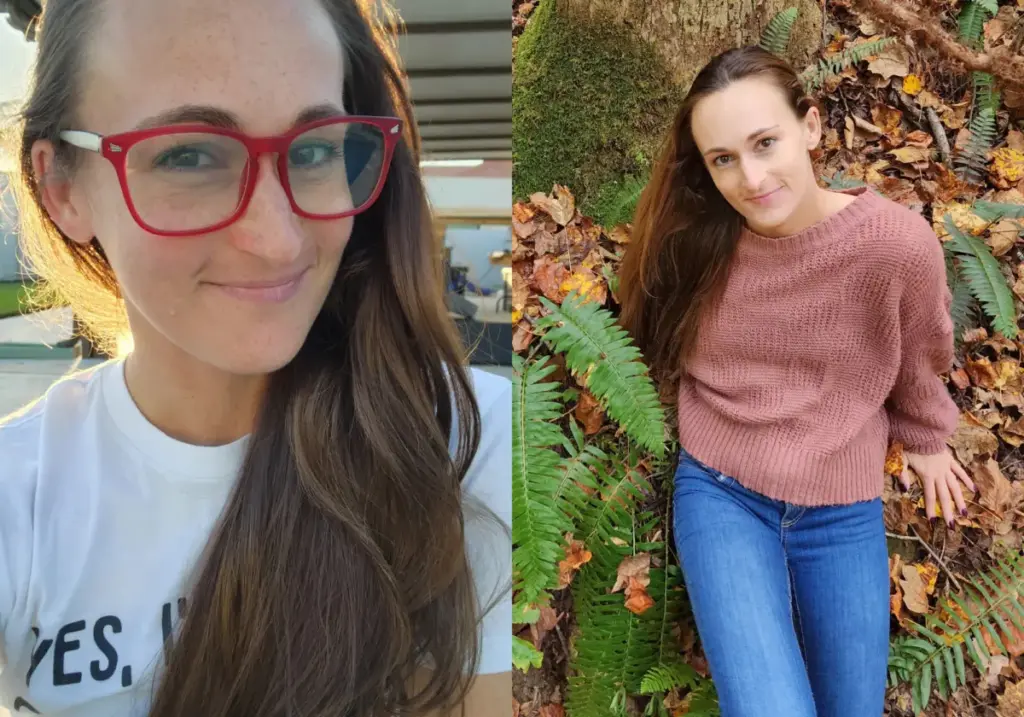
Award-winning filmmaker, writer, and patient advocate Briana Banos knows this hidden crisis intimately. Having managed mild childhood eczema, Banos’s life changed irrevocably not from the disease itself, but from the conventional treatment prescribed to manage it. After years of relying on topical steroids, she plunged into a severe, agonizing withdrawal syndrome that stripped away her ability to hide her condition, fundamentally altering her physical health, self-image, and life’s trajectory.
Today, Banos stands at the forefront of a global movement demanding a fundamental reassessment of how physicians prescribe and manage corticosteroids. Her journey transformed her from a solitary patient suffering in silence into a vocal pillar of the TSW community, a prolific documentary filmmaker, and an upcoming doctoral researcher poised to bridge the gap between patient reality and institutional medicine. Speaking from the National Corticosteroid Stewardship Summit in Washington, D.C., Banos discussed how steroid dependency must evolve from an overlooked adverse effect into a recognized public health concern. This comprehensive report explores her remarkable journey, the broader medical context of corticosteroid stewardship, the psychological toll of chronic skin disease, and the future of patient advocacy.
Detailed Chronology: From Childhood Eczema to Patient Advocacy
The Early Years: Diagnosis and Management
Briana Banos’s relationship with dermatology began in early childhood when she was diagnosed with eczema. At the time, her symptoms were relatively mild, presenting physical challenges that were manageable under normal circumstances. However, living with a chronic skin condition introduces a complex social dimension to a child’s development. Banos recalls being acutely aware of her physical appearance and the ways in which peers and the public might perceive her visible skin anomalies.
As is standard medical practice for atopic dermatitis, healthcare providers prescribed topical steroids to suppress inflammation and restore the skin barrier. For years, these medications functioned as intended, serving as a cosmetic shield that allowed Banos to conceal her condition and navigate daily life without the social stigma associated with flare-ups.
The Turning Point: The Onset of TSW
The paradigm shifted drastically when the treatments that once concealed her condition began to fail, plunging her into topical steroid withdrawal. TSW is a debilitating physiological reaction that can occur after stopping the prolonged, frequent, or inappropriate use of topical corticosteroids. Rather than a return of original eczema symptoms, TSW manifests as a distinct, intensely severe inflammatory response characterized by widespread burning, bright red skin (often referred to as "red skin syndrome"), severe pruritus, skin shedding, oozing, and temperature dysregulation.
Suddenly, the medication that was supposed to hide her condition exacerbated it to an unprecedented degree. Banos could no longer mask her symptoms. The withdrawal period forced her out into the world with skin that was raw, inflamed, and entirely unprotected from public scrutiny. Rather than succumbing to despair, Banos channeled her suffering into a catalyst for change. Refusing to sit passively, she utilized her experience as fuel to educate others, empowering patients to take greater agency in their healthcare decisions and fostering open, critical dialogues with medical practitioners. What began as a personal battle for survival quickly evolved into a dedicated career in patient advocacy.
Scaling the Impact: Filmmaking and Beyond
Recognizing the isolation experienced by others navigating TSW, Banos turned to her creative roots to give voice to the voiceless. She directed and produced two landmark documentary films—Preventable: Protecting Our Largest Organ and Still Preventable—which shed light on the physical and psychological toll of corticosteroid dependency. Transitioning from a small-scale YouTube channel to multi-platform investigative storytelling, Banos successfully brought a marginalized medical phenomenon into the mainstream healthcare conversation, paving the way for her upcoming academic and research endeavors.
Supporting Context & Metrics: The Scale of Corticosteroid Reliance
To understand the urgency of Briana Banos’s advocacy, one must examine the staggering ubiquity of topical corticosteroids in modern medicine.
The Data Behind the Prescriptions
According to recent dermatological data, topical corticosteroids are prescribed in an astounding 59 percent of atopic dermatitis office visits. For decades, these medications have been heralded as safe and effective when used correctly. However, a lack of standardized tapering protocols, coupled with the widespread prescribing of high-potency steroids for sensitive areas like the face and neck, has contributed to a rising tide of adverse events.
The National Corticosteroid Stewardship Summit
The convening of experts, researchers, and advocates at the National Corticosteroid Stewardship Summit in Washington, D.C., marks a critical turning point in how the medical community views these drugs. "Corticosteroid stewardship" mirrors the principles of antibiotic stewardship—a systematic effort to optimize how these powerful anti-inflammatory agents are prescribed and utilized.
Key issues discussed at the summit included:
- Duration of Use: Re-evaluating the necessity of continuous, long-term TCS application.
- Potency Matching: Ensuring patients are not prescribed unnecessarily high-potency steroids for mild or moderate lesions.
- Patient Education: Informing patients about the risks of tolerance, tachyphylaxis, and withdrawal syndromes before initiating treatment.
- Diagnostic Clarity: Differentiating between a true underlying disease flare and rebound inflammation driven by steroid withdrawal.
By treating corticosteroid management as a pressing public health concern, medical professionals and advocates like Banos are pushing for regulatory oversight, clinical guidelines, and educational campaigns to protect patients from iatrogenic harm.
Official Statements and Insights: Navigating Self-Image, Resilience, and Perfectionism
During her keynote and interviews at the summit, Banos offered profound insights into the psychological landscape of chronic skin conditions, challenging traditional definitions of beauty, recovery, and resilience.
Redefining Resilience
In contemporary culture, "resilience" is frequently romanticized as an innate badge of honor or a complimentary personality trait. Banos offers a more nuanced, realistic perspective on the concept:
"The term resilience is usually seen as a positive, like a compliment someone gives you. But I think people that are resilient or have had to build that resilience muscle, it’s because they’ve gone through something really difficult that they probably didn’t ask to go through. So I think going through this alone has made me a resilient person. It’s taught me that whatever challenge comes my way, I can face that and get through it."
Deconstructing the Myth of Skin Perfection
Living with a chronic dermatological history leaves permanent psychological imprints. Banos admits that she remains hyperaware of her appearance, noting that minor blemishes can still trigger transient anxiety. However, her relationship with her self-image has undergone a profound transformation. She argues that modern beauty standards bordering on unattainable perfectionism are, in a sense, a form of societal illness:
"Having perfect skin, having perfect anything is just not attainable and it’s not real. I remember working with one healthcare provider when I was on a drug and it was the best I had ever felt. And she was nitpicking this very little thing. And I found that so concerning and dangerous in a way, because I was trying to tell her how good I felt in my body, and she was still trying to tell me that it wasn’t perfect."
This encounter highlighted a dangerous disconnect within clinical settings: the prioritization of aesthetic perfection over systemic well-being and patient-reported quality of life. Banos’s journey has led her to embrace a radical acceptance of her skin’s natural fluctuations, recognizing that flare-ups are normal physiological occurrences rather than moral failures or sources of shame.
For others navigating similar battles, her advice is direct and liberating:
"For other men and women who are dealing with skin conditions, it is very easy for people to comment on them. Try not to take it too personally… Just let it wash off you. It’s not who you are, it’s a part of you, but it is not your identity."
The Therapeutic Power of Creativity
Coping with the relentless physical discomfort and emotional rumination of a skin condition requires active mental decompression. For Banos, the arts—spanning dance, documentary filmmaking, painting, and pottery—have served as an essential psychological lifeline.
Engaging in tactile, creative work pulls her out of cycles of anxiety and forces her into the present moment. Whether moving emotions fluidly through dance or channeling focus into a pottery workshop, artistic expression provides a non-verbal catharsis, proving that mental health and physical healing are deeply interconnected.
Future Outlook: Research, Academics, and the Path Ahead
As Briana Banos looks toward the horizon, her mission is expanding from grassroots advocacy and media production into rigorous academic research.
The 2027 Doctoral Journey
In 2027, Banos will embark on a PhD program utilizing observational documentary methodologies to investigate the profound psychosocial burden of topical steroid withdrawal. By combining qualitative artistic research with rigorous academic inquiry, she aims to generate empirical data that highlights the mental, emotional, and social consequences of TSW.
The ultimate goal of this academic pursuit is the creation of standardized, empathetic educational resources designed for multiple audiences:
- Patients: Providing clear, empowering guides to recognize symptoms, navigate withdrawal, and advocate for safe treatment plans.
- Healthcare Providers & Medical Students: Educating future clinicians on the realities of corticosteroid dependency, fostering better bedside manner, and encouraging cautious, informed prescribing habits.
Embracing the Imposter Phenomenon for Growth
Stepping out of the creative sphere and into the rigorous world of doctoral academia naturally breeds self-doubt. Yet, Banos views the imposter phenomenon not as a deterrent, but as an indicator of meaningful personal and professional growth:
"I always feel like an imposter any time I’m stepping out of my comfort zone. But that’s how you learn. That’s how you grow. The only way you keep going forward is to jump in, you know, do it scared, do it scared. I really, really hope that whatever happens with this PhD, that it can make a difference."
Conclusion
Briana Banos’s evolution from a young girl hiding mild eczema to a pioneering documentary filmmaker, keynote speaker, and doctoral researcher is a testament to the transformative power of patient agency. As the medical community slowly begins to reckon with the realities highlighted at the National Corticosteroid Stewardship Summit, voices like Banos’s will be vital in reshaping dermatological care. By demanding better stewardship, dismantling toxic standards of physical perfection, and validating the invisible psychological trauma of skin conditions, Banos ensures that patients walking this path will never have to suffer—or fight—alone again.