Executive Overview
Snow-capped peaks, lush emerald meadows, heavy brass cowbells chiming in the distance, and rustic wooden Alpine chalets: over the past year, hiking aesthetics have completely dominated our digital feeds. It often feels as though overnight, everyone—including your best friend’s dog—has transformed into a hardcore alpinist. Suddenly, people are conquering rugged terrains with reckless abandon, donning high-tech Gore-Tex layers, and sipping crisp herbal sodas at dizzying altitudes. But when did everyone suddenly develop the calves for this, and more importantly, why?
The resurgence of hiking is not merely a fleeting pandemic-era coping mechanism or a temporary aesthetic trend; it represents a profound socio-cultural shift. Modern society is experiencing a collective fatigue driven by hyper-connectivity, urban density, and the relentless demands of the digital economy. In response, a diverse demographic of individuals is seeking refuge in the analog wilderness. This movement transcends simple physical exercise—it is an intentional pursuit of mental clarity, sustainable exploration, and somatic grounding.
As outdoor brands, mental health professionals, and cultural analysts take note, the simple act of putting one foot in front of the other has become the ultimate lifestyle statement. This deep dive explores the mechanics of the hiking boom, its psychological and physiological impacts, and how modern initiatives—such as immersive outdoor workshops—are harnessing this momentum to foster personal growth, particularly among women.
Detailed Chronology: From Fringe Hobby to Mainstream Movement
To understand the current obsession with the great outdoors, we must trace how hiking evolved from a niche recreational activity into a dominant cultural pillar.
Phase 1: The Digital Disconnection (Pre-2020)
Long before algorithms dictated lifestyle trends, hiking was largely viewed through a traditional lens—associated with older generations, rugged outdoor traditionalists, or structured summer vacations. However, the seeds of change were already sown in the late 2010s as burnout rates among urban professionals surged. The desire to disconnect from smartphones and corporate environments began pushing younger demographics toward weekend nature escapes.
Phase 2: The Pandemic Catalyst (2020–2021)
Global lockdowns and restricted indoor spaces acted as an unprecedented catalyst for outdoor recreation. With gyms closed and social venues shuttered, local trails, forests, and state parks experienced a massive influx of visitors. For many urbanites, walking in nature became the only sanctioned escape. During this period, the barrier to entry was tested: people realized that all they needed were a pair of sturdy shoes and an open path.
Phase 3: The Aestheticization of Adventure (2022–2023)
As digital platforms like Instagram and TikTok evolved, the visual culture of hiking underwent a radical transformation. Outdoor apparel brands successfully bridged the gap between technical performance and streetwear aesthetics. Gore-Tex jackets, trail runners, and ergonomic packs became everyday fashion statements. Hiking shifted from an invisible, private struggle into a public, highly curated aesthetic of wellness and vitality.
Phase 4: The Holistic Transformation (Present Day)
Today, hiking is no longer just about snapping a photo at the summit; it is recognized as a holistic vehicle for self-actualization. The movement has matured from superficial trend-chasing into a conscious lifestyle choice. Initiatives that combine physical endurance with mental coaching—such as specialized women-centric outdoor retreats—highlight how the industry is catering to a demographic that views the trail as a classroom for life.
Supporting Context & Metrics: The Anatomy of the Hiking Boom
What drives millions of people to trade the comfort of their couches for steep inclines and variable weather? The answer lies in a unique convergence of physical accessibility, mental health benefits, and environmental consciousness.
The Low Barrier to Entry vs. High Reward
Unlike specialized sports that require expensive memberships, specialized training facilities, or complex equipment, hiking remains fundamentally democratic. At its core, it requires little more than two functional legs and a sense of curiosity. For the vast majority of trails, access is entirely free.
Furthermore, hiking offers unprecedented flexibility. Individuals who do not have the luxury of waking up to alpine cowbells every morning—à la Heidi—can easily participate through "micro-adventures" and short weekend getaways. These bite-sized expeditions allow urban dwellers to explore forgotten local corners and hidden regional landscapes in a sustainable, low-impact manner.
Historical Inspiration and Local Landscapes
The landscapes right on our doorsteps—boasting mystical rock formations, idyllic waterfalls, fairy-tale forests, and endless views over enchanted valleys—have always held profound cultural resonance. These very vistas inspired the greatest painters of the German Romantic movement, who sought to capture the sublime power of nature. Today, modern hikers are retracing those historical footsteps, finding the same sense of awe and existential grounding just hours away from major metropolitan centers.
The Social Dynamics of the Trail
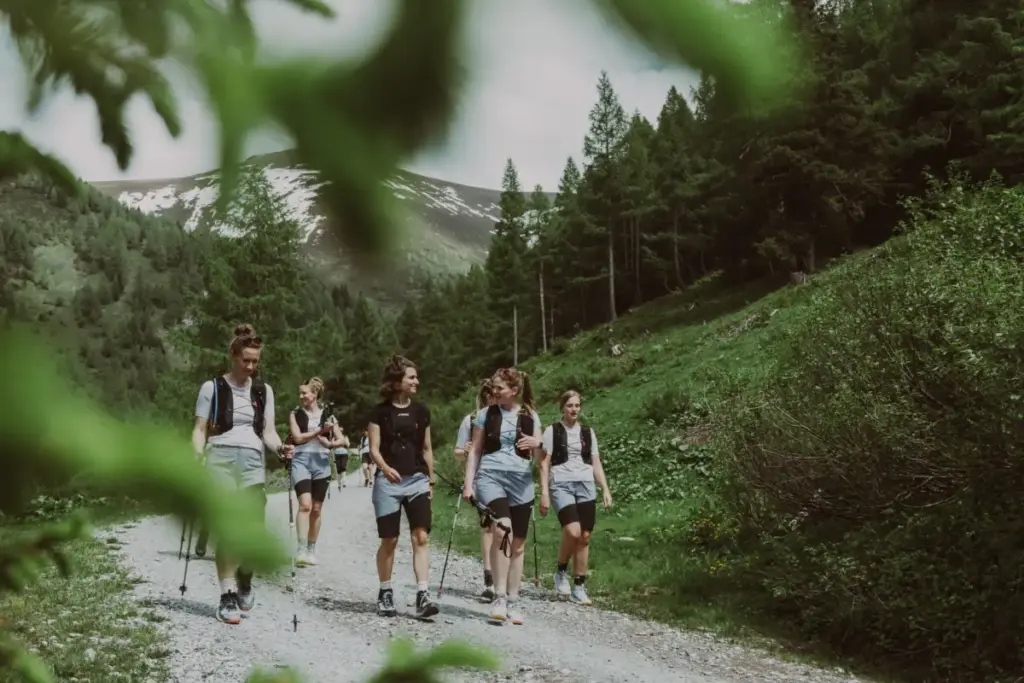
Because shared joy is double joy, the hiking trip receives its ultimate "cherry on top" when routes are conquered alongside friends or romantic partners. The conversational depth achieved during a long-distance hike is difficult to replicate in standard social settings. Free from the distractions of screens, household chores, and background noise, hikers engage in raw, unfiltered dialogues that strengthen interpersonal bonds.
Somatic and Mental Benefits
Beyond the social and visual appeal, hiking delivers immense mental health dividends. It offers an opportunity to experience our bodies and physical strength without the intimidating environment of a gym or the sterile confines of weight benches and digital tracking devices.
- Tactile Engagement: Hikers feel the raw power in their legs and the shifting terrain beneath their soles.
- Visceral Awareness: They experience the burning sensation in their lungs as the air thins at higher elevations.
- Empowerment: The realization that the human body can perform immense feats of endurance to propel us higher builds profound self-confidence.
At the summit, a unique psychological reward awaits. Gasping for breath, hikers inevitably break into wide grins as they unpack their provisions for a well-deserved meal or capture sweeping vistas with their mobile lenses. This sense of accomplishment transcends the physical; it reframes our mental resilience.
Official Statements & Industry Integration: The "Design Your Life" Phenomenon
As the cultural weight of hiking grows, forward-thinking brands are recognizing that outdoor experiences offer powerful parallels to personal and professional development. A prime example of this synergy is the initiative by global outdoor brand adidas TERREX, which actively invests in the mental and physical impacts of hiking.
Bridging Outdoor Exploration with Personal Growth
For outdoor enthusiasts eager to push their boundaries, outdoor initiatives are increasingly focusing on holistic self-discovery. A notable milestone in this movement was the ‘adidas TERREX Design your Life’ hiking days, designed exclusively for women. These immersive experiences merge professional coaching with strenuous sport hiking across some of Europe’s most breathtaking geological wonders, such as the Malerweg trail in the Elbe Sandstone Mountains.
The Philosophy of Trail Decision-Making
Hiking serves as an extraordinary metaphor for life’s challenges. On the trail, participants confront physical and mental hurdles that demand active decision-making:
- How do we push ourselves further when exhaustion sets in?
- How do we grant ourselves permission to rest when our breath gives out?
- How do we notice beauty in our surroundings and take the time to marvel at it?
- How do we cultivate self-belief step by step?
These internal thought patterns are directly transferable to everyday life, career navigation, and personal relationships. By overcoming a steep incline or navigating a tricky rock scramble, participants internalize a resilient mindset: Step by step, I actively decide how to move forward.
Future Outlook: Where Is the Hiking Trend Headed?
As we look toward the future of outdoor recreation, several key trajectories are beginning to emerge. The hiking boom shows no signs of slowing down, but its character is rapidly evolving to meet the demands of a more conscious, connected, and diverse global community.
1. Inclusivity and Empowerment
The future of the outdoor industry belongs to demographic expansion—particularly initiatives that create safe, supportive spaces for women, minority groups, and beginners to enter the wilderness. Programs that remove financial and logistical barriers by providing professional gear, expert guides, and curated mentorship will continue to democratize access to extreme environments.
2. Sustainable Tourism and Micro-Adventures
With growing awareness of climate change and ecological preservation, long-haul travel for hiking is facing increased scrutiny. The future will likely favor local micro-adventures, train-accessible trailheads, and low-impact exploration. Hikers will increasingly seek out regional natural wonders rather than booking carbon-heavy expeditions across the globe.
3. The Integration of Mental Wellness and Wilderness
The boundary between mental healthcare and outdoor recreation will continue to blur. Wilderness therapy, structured mindfulness hikes, and coaching retreats embedded in natural landscapes will become standard modalities for individuals battling burnout, digital fatigue, and modern anxiety.
Conclusion
The modern obsession with hiking is far more than a passing aesthetic trend or a social media obsession. It is a visceral corrective to the disembodying nature of contemporary life. By stepping off the pavement and onto the trail, we rediscover our physical strength, forge deeper connections with our peers, and cultivate a resilient mindset that echoes long after we have packed away our boots. Whether scaling an alpine peak or tackling a local woodland trail, the message of the modern outdoor movement remains clear: the path forward is built one intentional step at a time.