Executive Overview
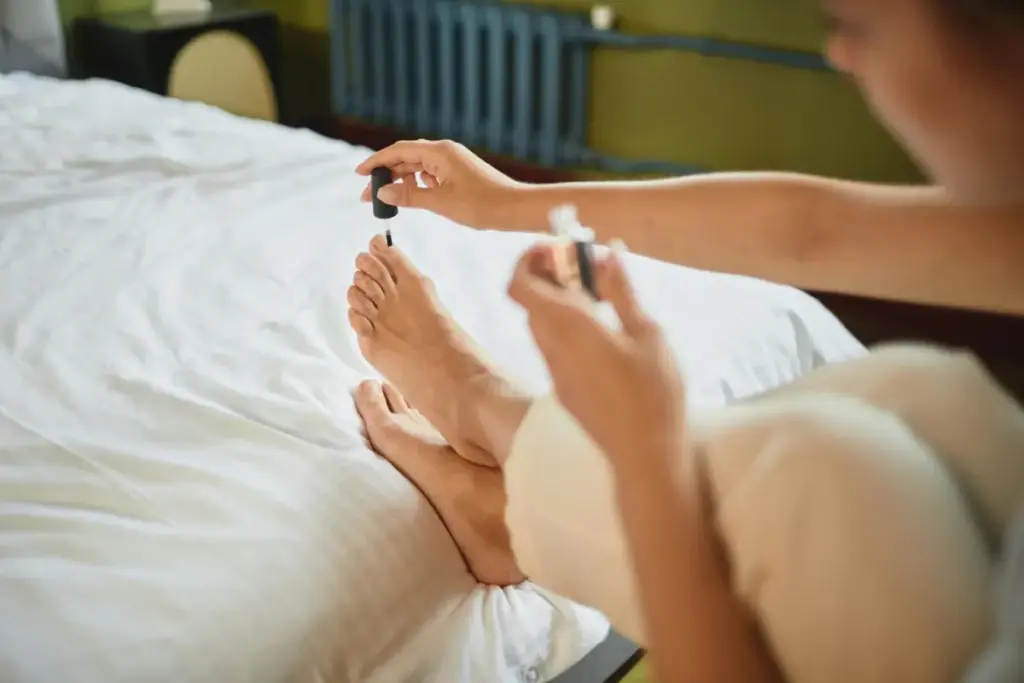
For many beauty enthusiasts, the ritual of nail care is bifurcated. While fingernails receive weekly, if not daily, attention—shaped, buffed, and coated in vibrant lacquers—toenails are often relegated to a seasonal afterthought. Hidden beneath thick woolen socks, heavy boots, and winter footwear, feet spend the colder months tucked away from public view. This out-of-sight, out-of-mind mentality leads to widespread neglect, characterized by months-old polish, unmoisturized calluses, and zero dedicated hygiene routines beyond the casual cascade of soapy water in the shower.
However, beneath the surface of this winter hibernation lies a ticking time bomb for nail health and foot hygiene. According to leading dermatologists specializing in nail disorders, our collective cold-weather foot neglect is paving the way for a surge in preventable fungal infections, painful paronychia, and structural nail damage. To uncover the truth about optimal foot care, we sat down with renowned dermatological and nail health expert Dr. Dana Stern. What we discovered challenges decades of salon norms, from the hidden dangers of traditional foot basins to the unexpected consequences of leaving a pedicure chip-free for too long.
This comprehensive report investigates the science of foot and nail health, dismantles common beauty myths, and provides an authoritative, medically backed blueprint for maintaining healthy, resilient feet all year round—starting with a radical rethink of your winter pedicure habits.
Detailed Chronology: The Evolution of Foot Neglect and the Winter Turning Point
To understand how our feet deteriorate during the colder months, one must examine the timeline of seasonal body care habits. The transition from open-toe sandal season to closed-toe winter footwear marks the official beginning of the foot neglect cycle.
Phase 1: The Autumn Retreat (October – November)
As temperatures drop, sandals are packed away into dust bags, and breathable footwear is replaced by leather boots, sneakers, and thick socks. Psychologically, individuals subconsciously sever their connection to foot maintenance. Because the feet are no longer visible to the outside world, the motivation to visit a nail salon or apply fresh polish evaporates.
During this initial phase, old summer pedicures are left to grow out or chip away naturally. Crucially, many people simply paint a fresh layer of dark autumn lacquer directly over old polish without removing it thoroughly or assessing the health of the underlying nail plate. Friction from enclosed winter footwear begins to increase, stimulating the skin on the soles and heels to produce protective layers of friction-induced calluses.
Phase 2: The Deep Freeze (December – February)
By mid-winter, the neglect is absolute. Feet are entombed in moisture-trapping environments for upward of ten to fourteen hours a day. Trapped sweat, combined with a lack of direct cleaning under the shower stream, creates an ideal microclimate for bacteria and fungi.
This is the peak window for dermatological complications. Left unchecked for months, stagnant nail polish begins to chemically interact with the keratin on the nail surface. Simultaneously, the lack of ambient moisture and the abrasive friction of winter socks cause the cuticles to dry out, fray, and form painful hangnails (known medically as agnails). In attempts to fix these minor annoyances, individuals often pull or bite at the dry skin, tearing the living tissue and creating open entry points for opportunistic pathogens.
Phase 3: The Spring Awakening and Dermatological Intervention (March)
As the threat of frost recedes, individuals typically experience a sudden panic—the realization that spring is approaching and bare feet will soon be exposed. This frantic dash to book emergency pedicures often masks months of underlying damage, such as nail discoloration, fungal infections, or severe keratin granulation. Rather than rushing blindly into a traditional salon chair, experts argue that this seasonal transition is the ideal time to reevaluate our baseline approach to foot health, shifting from aesthetic masking to clinical-grade maintenance.
Supporting Context & Metrics: The Science of Nail Physiology
To truly grasp why standard pedicure practices can sometimes do more harm than good, one must look at the unique biological properties of human toenails and the skin of the feet.
The Nail Plate as a Sponge
One of the most profound revelations from dermatological research is the porosity of the human nail. Unlike the outer layer of the skin, which acts as a relatively effective barrier against fluid absorption, the nail plate is remarkably absorbent.
"Our nails are essentially sponges," explains Dr. Dana Stern. "A nail absorbs approximately one thousand times more water than the skin does. When you submerge your feet in a warm water foot bath at a salon, the water penetrates between the microscopic cells of the nail plate, causing them to swell and expand."
When the feet are removed from the water and dried, those swollen cells gradually contract back to their original size. If the nail was coated in gel or standard nail polish prior to soaking, the rigid lacquer cannot flex at the same rate as the expanding and contracting nail cells. This structural mismatch is a primary driver behind premature chipping, cracking, and lifting of the polish, while simultaneously micro-fracturing the delicate surface of the nail itself.
The Anatomy of Winter Calluses and Urea
The skin on the sole of the foot is up to several times thicker than the skin on the rest of the body, designed by nature to absorb the immense pressure of bipedal locomotion. However, modern footwear introduces unnatural friction points.
When the skin responds to this friction by thickening into a callus, physical scraping or harsh pumice stones are often deployed. Dermatologists, however, advocate for a chemical approach. Urea—a naturally occurring component of the skin’s natural moisturizing factor (NMF)—has emerged as the gold standard for treating hyperkeratotic (thickened) foot skin.
- Mechanism of Action: Urea acts as a keratolytic agent. It dissolves the intercellular matrix of the cells within the stratum corneum (the outermost layer of the epidermis), allowing dead, hardened skin cells to slough off naturally and effortlessly.
- Concentration Guide: For standard maintenance, a 10% urea cream (such as Eucerin UreaRepair PLUS or The Inkey List 10% Urea Moisturizer) provides optimal chemical exfoliation without compromising the skin barrier, offering a far superior alternative to abrasive metal foot graters and harsh chemical peels.
Official Expert Statements & Guidelines
To establish an authoritative framework for year-round foot care, we turn directly to the clinical insights and protocols established by Dr. Dana Stern. Her guidelines dismantle several pervasive wellness myths and replace them with rigorous, medically sound recommendations.
1. The Four-Week Polish Limit
The practice of leaving winter pedicure polish on indefinitely is a major culprit in long-term nail health degradation.
"Because we don’t wear open shoes in the winter, we tend to neglect our feet during the colder months, meaning the nail polish stays on our toenails for an inordinately long time—often months," notes Dr. Stern.
Leaving polish on for longer than a month initiates a chemical process known as keratin granulation. As the surface cells of the nail age under an occlusive layer of lacquer, removing the polish eventually strips these superficial cells away, leaving behind chalky, white, dehydrated patches on the nail plate. To prevent this aesthetic and structural damage, Dr. Stern issues a strict rule: Never leave nail polish on your toenails for longer than three to four weeks. Furthermore, opting for acetone-free removers helps preserve the essential lipids within the nail plate, preventing excessive brittleness.
2. The Case for the "Dry Pedicure"
Traditional salon pedicures are romanticized for their sensory indulgence: a bubbling foot spa, warm water, and relaxing massage chairs. Dermatologically speaking, however, these setups represent significant biological risks.
- Infection Vectors: Public foot basins and whirlpool jets are notoriously difficult to sterilize completely. The complex network of internal pipes harbors biofilms—colonies of bacteria, fungi (such as Trichophyton species responsible for athlete’s foot), and mycobacteria that survive standard between-client rinses.
- The Dry Advantage: A dry pedicure eliminates the water bath entirely. Not only does this bypass the infection risks associated with stagnant plumbing, but it also prevents the nail plate from absorbing water, ensuring that subsequent polish applications adhere smoothly and last significantly longer without chipping.
3. The Shower Misconception and Paronychia Risks
A surprisingly common hygienic oversight occurs in the daily shower. Most individuals rely on gravity, allowing soapy water to run down their legs and assuming it adequately cleans their feet.
"People usually just let the shower gel run down their feet and hope it cleans between their toes and soles on its own," Dr. Stern explains. "Yet, feet need to be cleaned thoroughly because they have unique physiological properties that make them the perfect habitat for microbes and bacteria that cause foot odor."
This lack of targeted hygiene becomes particularly hazardous in the winter. Dry winter air causes the delicate skin of the proximal and lateral nail folds to split, creating hangnails (nednails). When individuals absentmindedly tear or bite these hangnails off, they create a microscopic breach in the skin barrier.
This oversight can trigger acute paronychial infections—painful, throbbing, erythematous (red), and suppurative (pus-filled) bacterial invasions that frequently require professional medical drainage and systemic antibiotic therapy. The defense against this cycle is simple yet rigorous: intentional washing between the toes, gentle cuticle maintenance, and the daily application of high-quality, organic cuticle oils.
Future Outlook: The Modern Paradigm of Preventive Foot Care
As the wellness industry shifts away from purely cosmetic treatments toward preventative, dermatologically informed self-care, the approach to foot health is undergoing a fundamental transformation. The old paradigm—treating feet as hidden appendages that only require attention when social obligations demand it—is being replaced by a holistic view that integrates foot care into everyday dermatological regimens.
Key Takeaways for a Sustainable Foot Care Routine:
- Ditch the Soak: Embrace dry pedicures at home or seek out certified dry-pedicure technicians in professional settings to eliminate infection risks and protect nail integrity.
- Clock Your Polish: Set calendar reminders to remove and refresh toenail polish every three weeks, strictly avoiding the multi-month polish trap.
- Targeted Shower Hygiene: Actively wash and scrub the soles and interdigital spaces during showers rather than relying on runoff water.
- Chemical Over Physical Exfoliation: Replace harsh metal rasps and pumice stones with 10% urea moisturizers to manage calluses safely and effectively.
- Nourish the Barrier: Treat toenail cuticles with the same reverence as fingernail cuticles by applying nourishing, organic cuticle oils daily to prevent painful hangnails and subsequent infections.
By treating foot care not as an intermittent chore, but as an essential component of overall dermatological health, individuals can ensure their feet remain resilient, infection-free, and aesthetically pristine—regardless of the season.