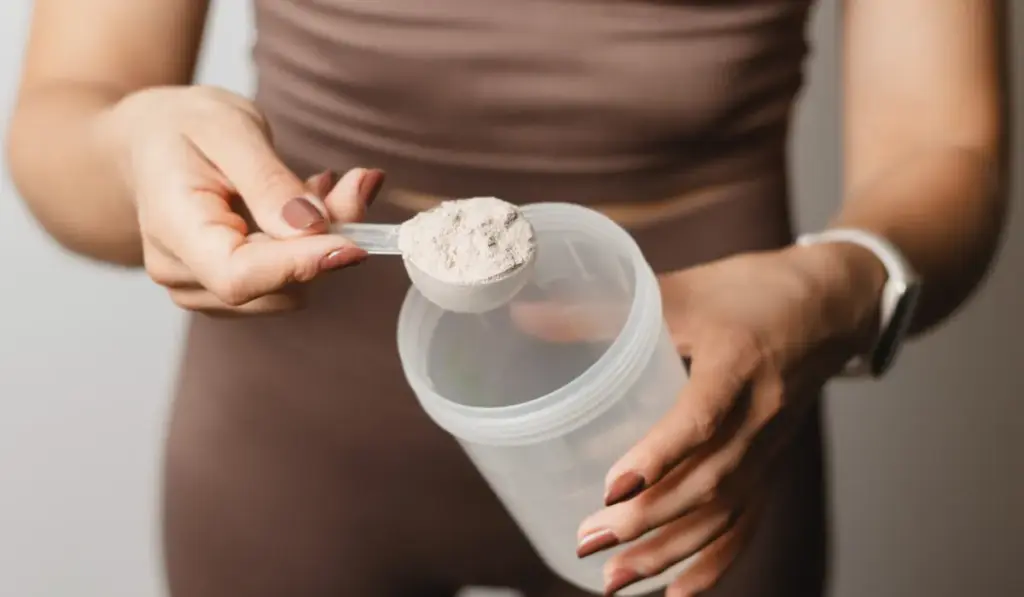
Long relegated to the locker rooms of bodybuilders and high-school athletes, creatine has quietly undergone one of the most significant image makeovers in modern wellness. No longer pigeonholed as a supplement solely for bulking up or packing on muscle in young men, creatine is now experiencing a cultural and scientific renaissance. Today, it is celebrated as a women’s health darling, heavily discussed by nutritionists, endorsed by longevity experts, and increasingly added to the daily routines of women navigating their 30s, 40s, 50s, and beyond.
The promise is alluring: support for muscle preservation, enhanced bone strength, improved metabolic health, and even mitigation of the dreaded midlife brain fog. Yet, beneath the viral social media attention and sleek marketing campaigns lies a compound that boasts decades of rigorous scientific study.
Should every woman in midlife rush to add a scoop of creatine to her morning smoothie? To answer this, we turn to the science, breaking down what creatine actually does, how it interacts with the female body during perimenopause and menopause, whether exercise is strictly required to see its benefits, and how to select the right product in a saturated market.
Executive Overview
Creatine is an organic compound naturally synthesized by the human body—primarily in the liver and kidneys—from amino acids (arginine, glycine, and methionine), and is also ingested through dietary sources like red meat and seafood. Once inside the body, approximately 95% of it is stored in skeletal muscle, where it acts as an immediate energy reserve during short, high-intensity bouts of physical exertion.
While its efficacy in enhancing athletic performance and muscle hypertrophy is undisputed, recent shifts in nutritional science have cast a spotlight on its broader systemic applications. As women enter perimenopause and menopause, shifting hormonal profiles—specifically declining estrogen levels—accelerate the loss of muscle mass (sarcopenia), diminish bone mineral density, and impact cognitive processing speeds.
Experts note that creatine offers a multipronged defense against these physiological shifts. When combined with resistance training, it acts as a powerful catalyst for preserving lean tissue. Emerging research also suggests it may support cognitive function under conditions of metabolic stress, such as sleep deprivation and mental fatigue. Consequently, health professionals are re-evaluating creatine not as an athletic niche product, but as a foundational supplement for healthy aging across the lifespan.
Detailed Chronology: From Gym Bro Staple to Longevity Science
To understand how creatine arrived at its current status as a midlife wellness staple, it is helpful to trace its scientific and cultural evolution over the past century.
Discovery and Early Physiology (1832–1920s)
Creatine was first discovered in 1832 by the French chemist Michel Eugène Chevreul, who isolated it from a basic component of meat broth (naming it after kreas, the Greek word for flesh). By the late 19th and early 20th centuries, scientists had established that consuming creatine significantly increased its concentration within the muscular tissues of animals, laying the groundwork for understanding human energy metabolism.
The Athletic Era and Mainstream Introduction (1970s–1990s)
For decades, research remained confined to academic physiology laboratories. However, following the 1992 Olympic Games in Barcelona—where several elite athletes openly credited their performances to creatine supplementation—the compound exploded into the commercial mainstream. During this period, it became heavily commercialized, marketed primarily to young male bodybuilders and strength athletes focused on rapid muscle volumization and explosive power.
The Scientific Deep Dive and Safety Validation (2000s–2010s)
As the supplement industry boomed, the scientific community subjected creatine to unprecedented scrutiny. Hundreds of clinical trials evaluated its safety, long-term side effect profile, and impact on various physiological systems. Researchers confirmed that creatine monohydrate was not only remarkably safe for long-term consumption, but also possessed therapeutic potential extending far beyond simple muscle building, including applications in neurology, rehabilitation, and metabolic health.
The Midlife and Women’s Health Revolution (2020s–Present)
In recent years, the conversation around aging, hormone health, and preventative medicine has shifted dramatically. With a growing cultural emphasis on healthspan—not just lifespan—researchers began investigating how supplements traditionally used by athletes could benefit aging populations, particularly women undergoing the physiological transitions of perimenopause and menopause. This intersection of longevity science, social media education, and women-led health advocacy has propelled creatine out of the gym bag and onto the vanity counter.
Supporting Context & Metrics: What the Science Says
To evaluate whether creatine belongs in a daily routine, it is essential to look at the clinical metrics and physiological mechanisms governing its use.
Mechanisms of Action
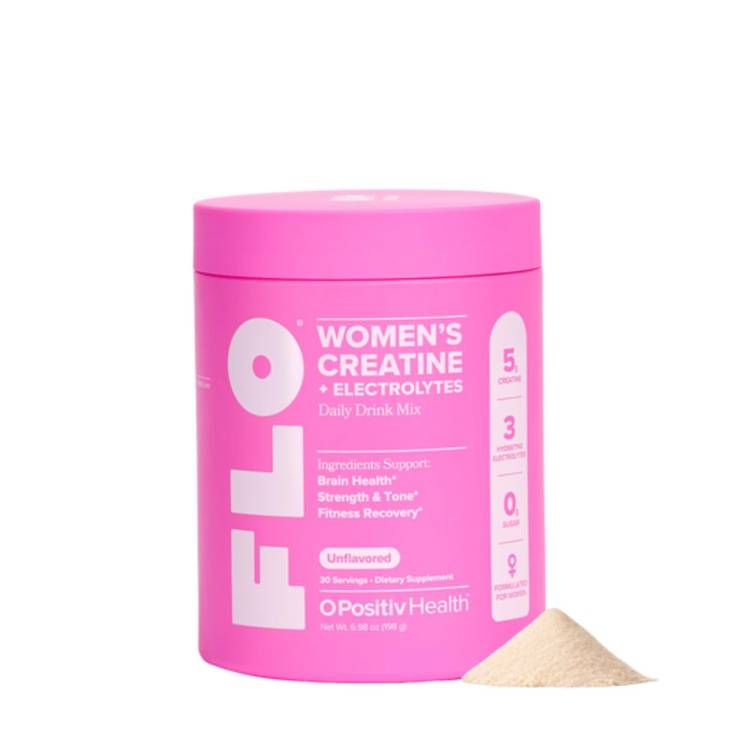
At a cellular level, creatine functions by replenishing adenosine triphosphate (ATP), the primary energy currency of the cells. During high-energy demands, ATP loses a phosphate group to become adenosine diphosphate (ADP), releasing energy. Creatine stored in the muscles as phosphocreatine rapidly donates its phosphate group back to ADP, regenerating ATP in a fraction of a second. This allows the body to sustain high-intensity efforts for slightly longer periods, delay muscular fatigue, and stimulate cellular signaling pathways responsible for muscle repair and growth.
Muscle Mass and Bone Health Metrics
Clinical data overwhelmingly supports creatine’s role in body composition. According to exercise science professor Dr. Scott Forbes, PhD, "The strongest research is for creatine to support strength training, including gains in muscle mass, strength, and improved functionality."
This is particularly critical for women in their 40s and 50s. During the menopausal transition, women can lose up to 10% of their muscle mass within the first few years, alongside a sharp decline in bone mineral density. Studies have shown that when postmenopausal women combine creatine supplementation with structured resistance training, they experience statistically significant improvements in lean tissue mass, functional strength, and overall bone health compared to training alone.
Brain Health and Cognitive Performance
While muscle remains the primary site of creatine storage, approximately 5% is stored in the brain, where it plays a critical role in cellular energy homeostasis. Because the brain consumes an immense amount of energy relative to its size, researchers have hypothesized that supplementing with creatine can support cognitive performance, particularly when the brain is subjected to stressors like sleep deprivation, chronic stress, or mental exhaustion. While researchers note that cognition is still an emerging area of research rather than a fully established therapeutic indication, early clinical trials show promising indicators for working memory and processing speed under fatigued conditions.
Official Expert Insights
Navigating the noise of the modern supplement market requires guidance from qualified professionals. Two leading experts weigh in on the practical realities of incorporating creatine into a daily regimen.
Dr. Scott Forbes, PhD: Exercise Science Perspective
Dr. Forbes emphasizes that creatine’s safety and efficacy are supported by an exceptionally robust body of literature. "Creatine is an effective supplement across the lifespan in both men and women," he states.
Addressing the physiological shifts of midlife, Dr. Forbes notes: "There are numerous hormonal and physiological changes that occur during perimenopause and menopause which could benefit from creatine, particularly to help maintain muscle mass and strength."
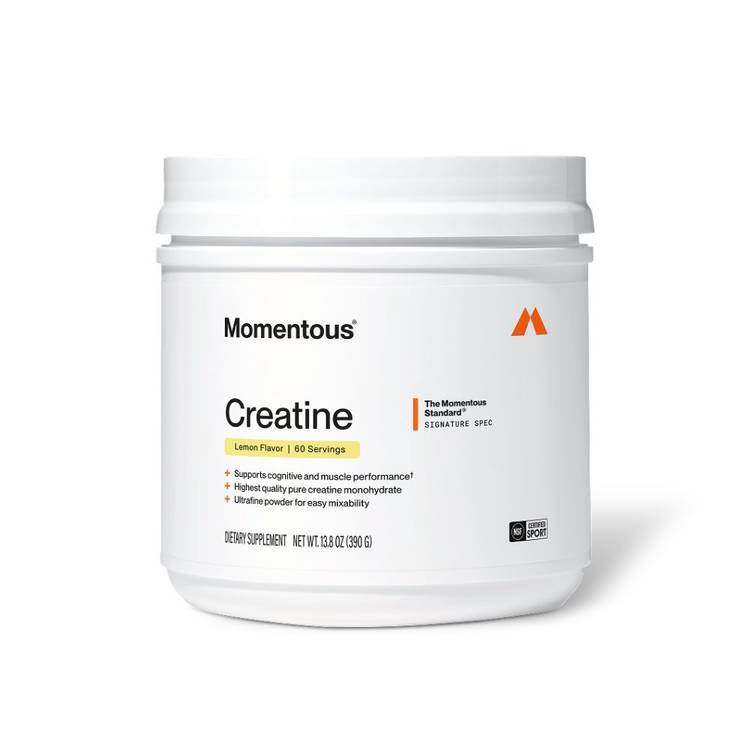
Regarding administration and efficacy, Dr. Forbes highlights that while muscle benefits generally require a pairing with physical exercise, potential cognitive benefits may manifest independently of workouts. He recommends an individualized dosage strategy—approximately 0.1 grams per kilogram of body weight per day—and advises consumers to look for third-party quality assurance certifications, such as NSF International, to ensure product purity.
Jennifer Hanway, Holistic Nutritionist Perspective
Holistic nutritionist Jennifer Hanway emphasizes the importance of managing expectations and integrating creatine into a comprehensive wellness plan.
"The most consistent and reproducible benefits are improvements in strength, power, training capacity, and lean mass, particularly when creatine is combined with resistance training," Hanway explains.
Addressing the nuance of whether exercise is strictly mandatory, Hanway points to recent clinical data involving middle-aged adults who experienced improvements in lean tissue mass and muscular endurance without a structured exercise program. However, she issues a necessary caveat: "If muscle preservation and body composition are the goal, creatine should be viewed as an adjunct to resistance training, adequate protein, and overall nutrition, not a replacement for them."
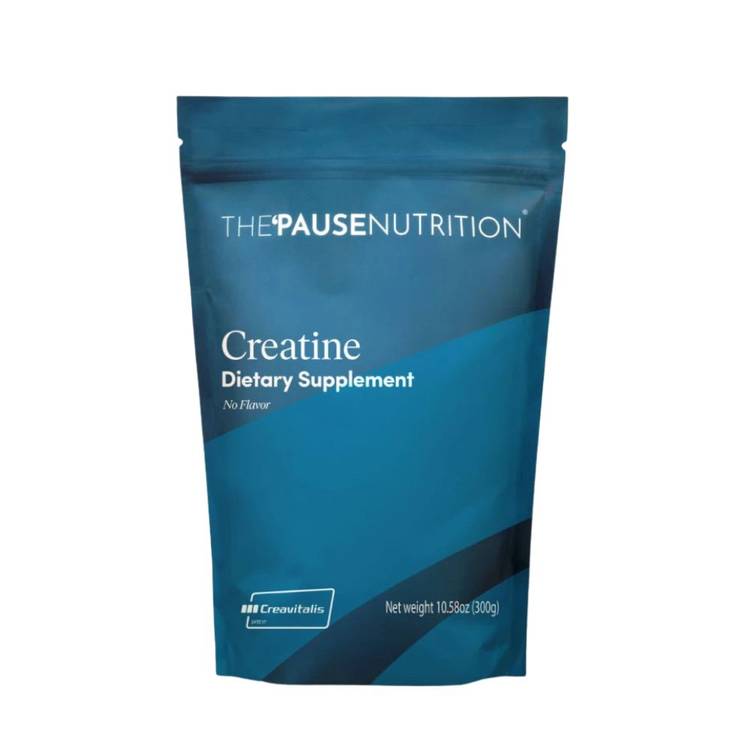
When asked about product selection, Hanway cuts through the marketing hype: "Plain creatine monohydrate is the standard choice. It is the most extensively studied form, generally inexpensive, and alternative forms have not demonstrated sufficiently superior outcomes to justify paying substantially more."
Future Outlook: Where Research and the Market Are Heading
As the demographic profile of the creatine consumer continues to diversify, the future of the supplement industry is poised for significant transformation.
Expanding Clinical Research on Women
Historically, the vast majority of sports nutrition and exercise science research was conducted on young male cohorts. In recent years, however, there has been a conscious, deliberate push by clinical researchers to conduct randomized controlled trials specifically targeting women across all life stages—including perimenopause, postmenopause, and pregnancy (under medical supervision). Future studies will likely provide more granular data on how hormonal fluctuations impact creatine metabolism, absorption, and efficacy in female physiology.
Formulation Innovation and Delivery Systems
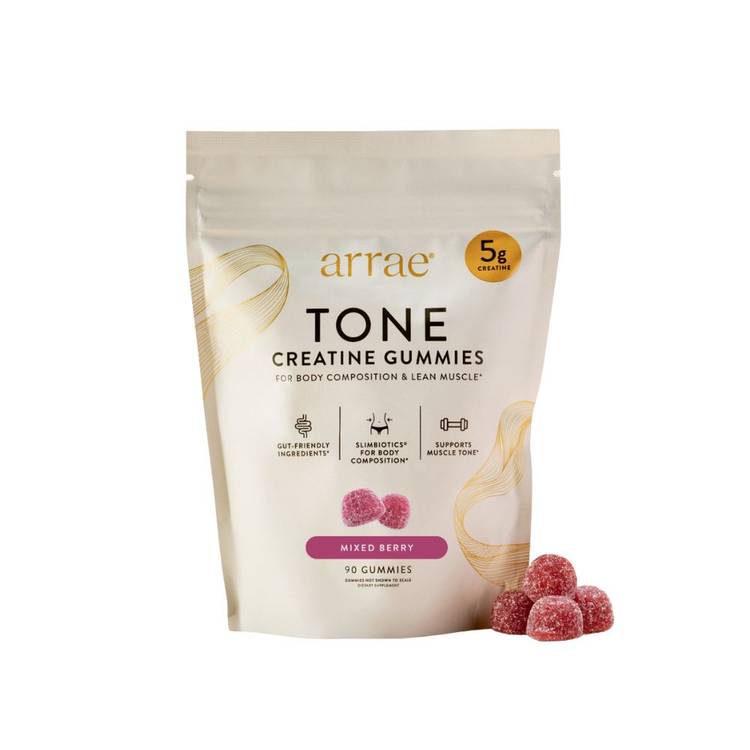
The commercial market is rapidly adapting to the preferences of a broader consumer base. While traditional fitness enthusiasts have long been comfortable mixing unflavored powders into water, modern consumers often seek convenience and palatability. This has given rise to innovative delivery systems, including:
- Gummies: Offering a portable, pre-measured alternative for individuals who dislike powders.
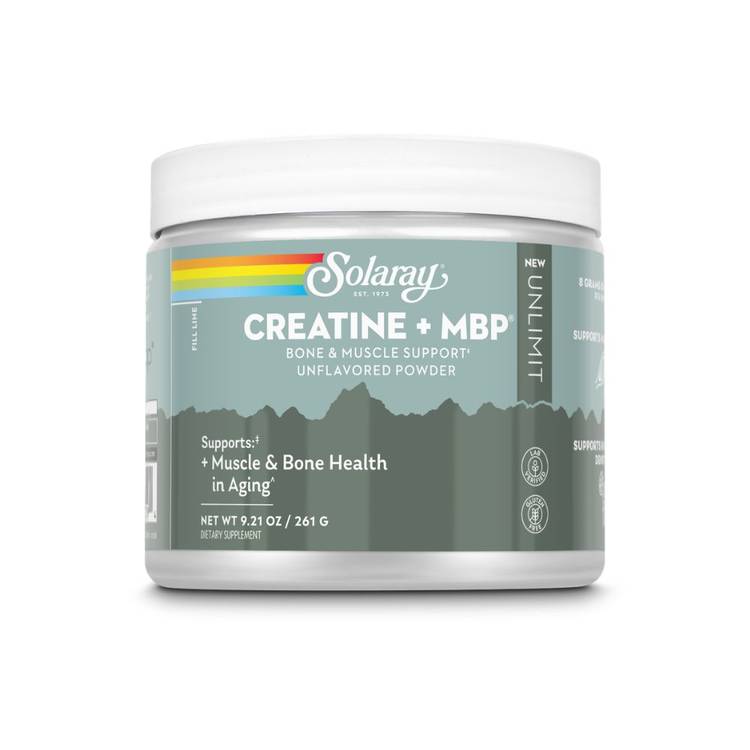
- Electrolyte-Infused Blends: Combining creatine with key minerals like magnesium, potassium, and sodium to support simultaneous hydration.
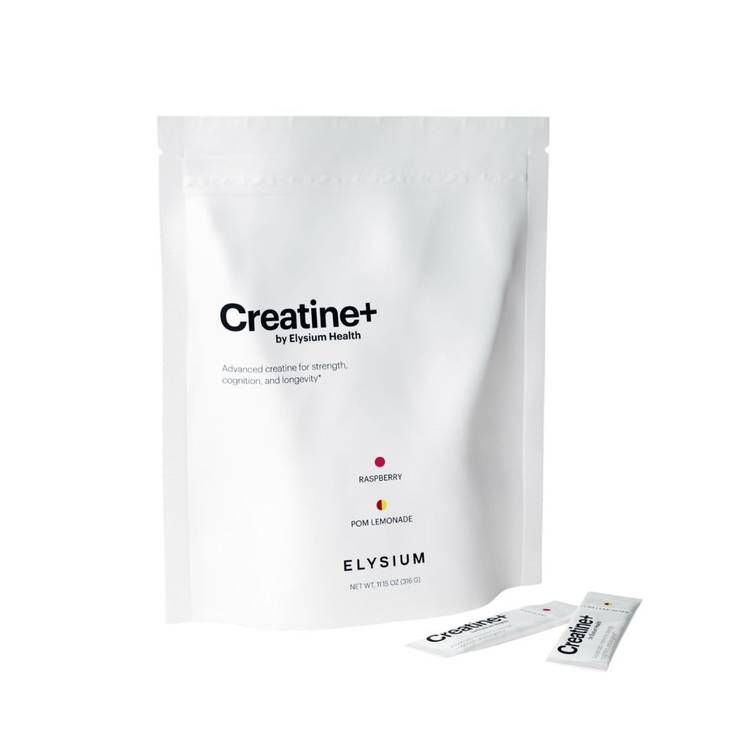
- Single-Serve Sachets: Designed for travel and adherence, making it easier to maintain a daily habit without messy scoops and tubs.
Quality Control and Standardization
As regulatory scrutiny increases and consumer awareness grows, the demand for rigorous third-party testing is becoming the industry baseline. Consumers are increasingly bypassing brands that make unsubstantiated health claims, opting instead for transparent companies that provide readily accessible Certificates of Analysis (COAs) and independent certifications verifying the absence of heavy metals, microplastics, and banned substances.
Conclusion: Is Creatine Right for You?
Creatine has justifiably transitioned from a niche bodybuilding supplement to a celebrated pillar of preventative midlife health. Backed by decades of rigorous safety data and a growing body of research supporting its utility for women in their 30s, 40s, and 50s, it offers tangible benefits for muscle preservation, strength, functional longevity, and potentially cognitive resilience.
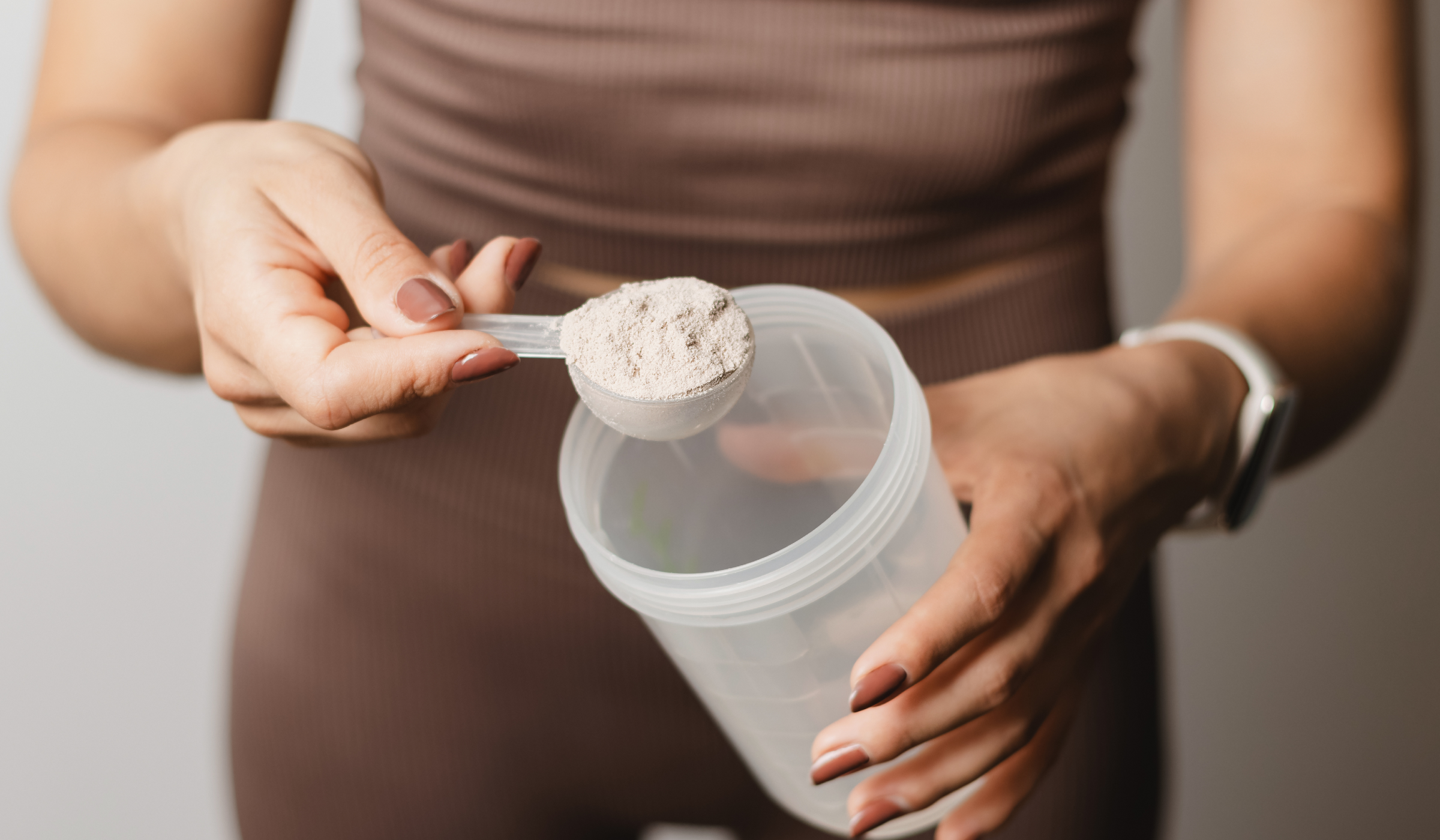
For those considering adding it to their routine, the formula for success is straightforward: opt for affordable, extensively studied plain creatine monohydrate, ensure the product is third-party tested for purity, combine it ideally with consistent resistance training and adequate dietary protein, and give your body several weeks to build up cellular saturation. As always, individuals with pre-existing renal conditions or those who are pregnant should consult a healthcare professional before initiating any new supplement regimen.
Ultimately, creatine is not a magic bullet, but when combined with a proactive lifestyle, it stands out as one of the most thoroughly validated, accessible tools available to support vibrant health across the lifespan.