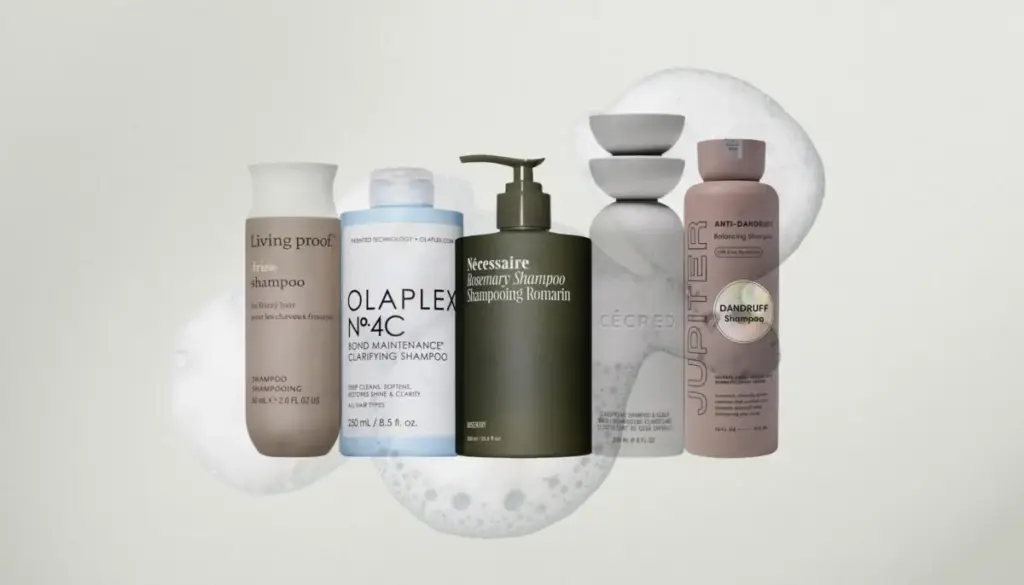
Executive Overview
It is one of the most common and confounding beauty dilemmas: you notice a flurry of white flakes dusting the shoulders of your dark sweater, accompanied by a persistent, maddening itch. The instinctive reaction for most consumers is to reach for the nearest bottle of anti-dandruff shampoo, scrub vigorously, and hope for the best. Yet, according to leading dermatologists, this reflex action is wrong more often than not. Treating a genuinely dehydrated scalp with a heavy-duty, active-ingredient-laden dandruff formula can strip away the skin’s remaining natural lipids, exacerbating irritation, worsening flaking, and triggering a vicious cycle of chronic discomfort.
Navigating scalp health requires looking past the superficial symptoms to address the root biological cause. The scalp is an extension of the facial epidermis—complex, delicate, and highly reactive to environmental shifts, internal stressors, hormonal fluctuations, and product buildup. While a dry scalp and dandruff present with virtually identical symptoms (flakes, tightness, and pruritus), their underlying physiologies are entirely distinct. A dry scalp is fundamentally a moisture deficit problem, driven by a compromised skin barrier and insufficient lipid production. Dandruff, conversely, is typically an inflammatory response linked to an overgrowth of Malassezia yeast, often thriving on an oilier, sebum-rich terrain.
To clear up the widespread confusion surrounding scalp care, leading beauty editors, trichologists, and board-certified dermatologists have pooled their clinical insights and testing methodologies. By examining the precise mechanics of scalp hydration, decoding complex ingredient labels, and establishing a tailored washing and rehydration regimen, consumers can finally restore equilibrium to their roots. This comprehensive report explores the diagnostic nuances of scalp care, expert recommendations for product selection, and a rigorous, science-backed approach to transforming your hair-wash routine.
Detailed Chronology: The Evolution of Scalp Care and Diagnostic Understanding
The Misunderstood Epidemic of Scalp Irritation
For decades, the commercial hair care industry perpetuated a simplistic binary: flakes equaled dandruff, and dandruff required strong, medicinal sulfur- or zinc-based shampoos. This broad-brush approach dominated pharmacy aisles throughout the late 20th century. Consumers were rarely educated on the nuanced architecture of the scalp skin barrier. If a product burned, it was paradoxically assumed to be "working" to eradicate the problem.
By the early 2000s, advances in dermatological science began shifting the paradigm. Researchers mapping the skin microbiome discovered that the scalp hosts a diverse ecosystem of fungi and bacteria. Crucially, they identified that Malassezia—a genus of fungi naturally residing on human skin—feeds on sebum. When sebum production spikes or the immune response reacts adversely to the metabolic byproducts of this yeast, seborrheic dermatitis develops, leading to inflammation and accelerated cell turnover.
The Barrier Function Revolution
Simultaneously, dermatological research zeroed in on the skin barrier (the stratum corneum). Scientists recognized that the scalp, much like the face, suffers immensely from environmental aggressors, harsh sulfates (such as sodium lauryl sulfate), low humidity, and frequent thermal styling. The concept of "cosmetic dryness" emerged: flaking caused not by microbial imbalance, but by transepidermal water loss (TEWL) and a depletion of intercellular lipids like ceramides and fatty acids.
This historical evolution has led to today’s sophisticated landscape. Modern scalp care no longer relies on a one-size-fits-all remedy. Instead, the beauty and medical communities now champion targeted diagnostics—distinguishing between barrier disruption, inflammatory skin conditions (like eczema and psoriasis), and true fungal overgrowth before a single drop of shampoo is applied.
Supporting Context & Metrics: The Anatomy of Scalp Conditions
To effectively treat scalp anomalies, one must understand the stark biological contrasts separating the most common culprits of irritation.
+---------------------------+-----------------------------------+-----------------------------------+
| Feature                   | Dry Scalp                         | Dandruff (Seborrheic Dermatitis)  |
+---------------------------+-----------------------------------+-----------------------------------+
| Primary Root Cause        | Moisture deficit, compromised     | Inflammatory response to          |
|                           | skin barrier, environmental       | Malassezia yeast overgrowth,      |
|                           | dehydration.                      | excess sebum production.          |
+---------------------------+-----------------------------------+-----------------------------------+
| Flake Characteristics     | Small, fine, white, dry flakes    | Larger, oilier, yellowish or      |
|                           | that easily shed.                 | white flakes that cling to hair.  |
+---------------------------+-----------------------------------+-----------------------------------+
| Scalp Skin Condition      | Tight, sensitive, under-produced  | Often oily, red, inflamed, or     |
|                           | sebum levels.                     | scaly patches.                    |
+---------------------------+-----------------------------------+-----------------------------------+
| Ideal Active Ingredients  | Humectants (glycerin, hyaluronic  | Antifungals / Keratolytics        |
|                           | acid, panthenol) and ceramides.   | (ketoconazole, zinc pyrithione,   |
|                           |                                   | selenium sulfide, salicylic acid) |
+---------------------------+-----------------------------------+-----------------------------------+
The Sebum Paradox
One of the most pervasive misconceptions in personal care is that dandruff is exclusively a symptom of severe dryness. As dermatological data confirms, the exact opposite is frequently true. "One of the biggest misconceptions about dandruff is that it only occurs on a scalp that is too dry," notes Dr. Ava Shamban, a board-certified dermatologist based in Los Angeles. "In fact, very often, dandruff occurs in an oilier scalp."
Dr. Shamban emphasizes a critical point for public awareness: "None of this is about poor hygiene." Individuals who wash their hair daily can still experience seborrheic dermatitis because the condition is driven by microbial interaction with natural lipids and immune system reactivity, not an accumulation of dirt.
Recognizing Underlying Dermatological Diseases
When evaluating flakes, consumers must also consider systemic skin conditions that manifest along the hairline and scalp. Eczema (atopic dermatitis), scalp psoriasis, and contact dermatitis can mimic the symptoms of both dry scalp and dandruff.
- Scalp Psoriasis: Characterized by thick, silvery-white scales sitting atop sharply demarcated, erythematous (red) plaques. It often extends beyond the hairline onto the forehead, neck, or behind the ears.
- Contact Dermatitis: An allergic or irritant reaction triggered by ingredients in hair dyes, styling products, or even shampoos (common culprits include fragrances, preservatives, and botanical extracts like tea tree or peppermint oil).
- Eczema: Causes intense pruritus, dry patches, and potential cracking or weeping if secondary infections occur due to aggressive scratching.
Because these conditions involve underlying immune and inflammatory pathways, over-the-counter moisturizing swaps or standard anti-dandruff washes will generally fail to resolve them, necessitating professional dermatological care and prescription interventions.
Official Expert Statements & Dermatological Insights
To establish an authoritative framework for scalp health, leading medical professionals share clinical guidance on identification, formulation science, and daily maintenance routines.
Identifying the True Source of Symptoms
"The right formula depends on what’s actually causing your symptoms," explains Dr. Shamban. "A dehydrated scalp tends to respond well to humectants, emollients, and barrier-supporting ingredients, while flakes caused by seborrheic dermatitis usually need a medicated anti-dandruff active instead. The goal is to calm the scalp and restore hydration without creating buildup or further irritation."
Dr. Iris Rubin, a board-certified dermatologist in Bethesda, Maryland, echoes this sentiment regarding targeted interventions. "For dryness and flaking caused by seborrheic dermatitis, dandruff shampoos, which include ingredients such as ketoconazole, selenium sulfide, salicylic acid, or zinc pyrithione, can be a big help," Dr. Rubin explains. However, she reinforces the necessity of professional evaluation when diagnostic ambiguity arises.
Tailoring the Prescription
Dr. Shamban cautions against treating every flaky presentation with the same broad brush. "We should not treat every flake as dandruff. A dermatologist may recommend a gentle moisturizing formula for simple dryness, an antifungal shampoo for seborrheic dermatitis, or fragrance avoidance when contact dermatitis is suspected."
Furthermore, patients must monitor for red-flag symptoms. "Persistent redness, thick scaling, hair loss, or symptoms that do not improve with over-the-counter care should be examined," Dr. Shamban advises.
Crafting the Washing Routine
How you wash is just as important as what you wash with. Over-cleansing remains a primary driver of barrier disruption.
"Most people do well using a hydrating or gentle dry-scalp shampoo two to three times per week, depending on how often they wash their hair and how dry their scalp feels," Dr. Shamban explains. "Overwashing can strip away natural oils and make dryness worse, so it’s best to give your scalp a day or two between washes when possible."
Technique matters significantly during the cleansing phase. Dermatologists advise massaging the shampoo into the scalp using the pads of the fingers rather than digging in with the fingernails, which can micro-tear the delicate skin barrier and introduce bacterial pathogens. Rinse thoroughly to ensure no surfactant residue remains behind to cause subsequent contact irritation.
Rehydration and Environmental Adjustments
Beyond the shower, targeted leave-on treatments can accelerate healing. Experts suggest incorporating a lightweight leave-in serum formulated with glycerin, hyaluronic acid, or panthenol. For individuals with coarser or thicker hair types, a lightweight scalp oil can physically seal in moisture and reduce transepidermal water loss. However, those with fine or easily weighed-down hair must exercise caution with heavy oil treatments.
Intermittent use of a low-concentration chemical exfoliant (such as a gentle alpha-hydroxy acid like lactic acid, or a beta-hydroxy acid like salicylic acid) can assist in gently dissolving stubborn dead skin cells, allowing subsequent moisturizing serums to penetrate more effectively. Aggressive mechanical scrubbing should be strictly avoided. Additionally, integrating a humidifier into your living or working space can counteract the moisture-sapping effects of indoor heating and dry winter weather.
Ingredients to Avoid
When the scalp barrier is compromised, certain popular cosmetic ingredients can transform from benign to highly irritating. Dermatologists advise exercising caution or abstaining entirely from:
- Very Hot Water: Strips natural sebum and dilates capillaries, worsening inflammation.
- Aggressive Clarifiers and Strong Sulfates: Strip the lipid barrier, leaving skin raw and vulnerable.
- Synthetic Fragrances and Dyes: Among the most common triggers for allergic contact dermatitis.
- Heavy Alcohols and Certain Essential Oils: While tea tree, rosemary, and peppermint oils are frequently marketed as natural remedies for scalp issues, natural does not automatically equate to non-irritating. For sensitized skin, potent essential oils can provoke severe contact dermatitis.
- Layering Multiple Medicated Products: Combining potent actives (e.g., salicylic acid with multiple antifungals) without professional supervision can over-exfoliate and severely inflame the scalp.
Future Outlook: The Next Generation of Scalp Science
As the beauty industry shifts from general hair aesthetics toward "skinification of the hair," the future of scalp care points toward hyper-personalization, microbiome balancing, and advanced dermatological testing.
Microbiome Mapping and Postbiotics
Just as facial skincare has embraced prebiotics, probiotics, and postbiotics to balance the cutaneous microbiome, future scalp treatments are moving toward targeted microbial modulation. Rather than relying on harsh antifungal agents that eradicate all scalp flora indiscriminately, upcoming formulations aim to selectively suppress pathogenic Malassezia strains while nurturing beneficial commensal microbes. This delicate biological fine-tuning promises to maintain long-term scalp homeostasis without disrupting the acid mantle.
Custom Diagnostics and Salon-Medical Partnerships
The coming years will likely see an expansion of diagnostic tools available in both dermatology clinics and high-end salons. High-magnification scalp dermoscopy, moisture-meter assessments, and sebum-output testing will allow professionals to pinpoint the exact ratio of oil-to-hydration deficiency a consumer is experiencing. Armed with precise data, consumers will bypass trial-and-error purchasing, investing instead in customized regimens featuring exact concentrations of humectants, ceramides, or targeted therapeutics.
Sustainable and Sensitive-Skin Formulations
As consumer awareness regarding contact dermatitis and environmental sensitivities grows, clean-formulation science is advancing. Formulators are bypassing traditional formaldehyde-releasing preservatives, synthetic colorants, and heavy masking fragrances in favor of hypoallergenic, biodegradable, and dermatologically tested surfactant matrices.
Ultimately, achieving a healthy, flake-free scalp is not about aggressive eradication or quick-fix masking agents. It is a deliberate, science-based practice of barrier repair, microbiome respect, and customized care. By understanding whether your scalp is crying out for moisture or fighting off an inflammatory imbalance, you can transform your routine from a source of frustration into a restorative ritual of genuine health and wellness.