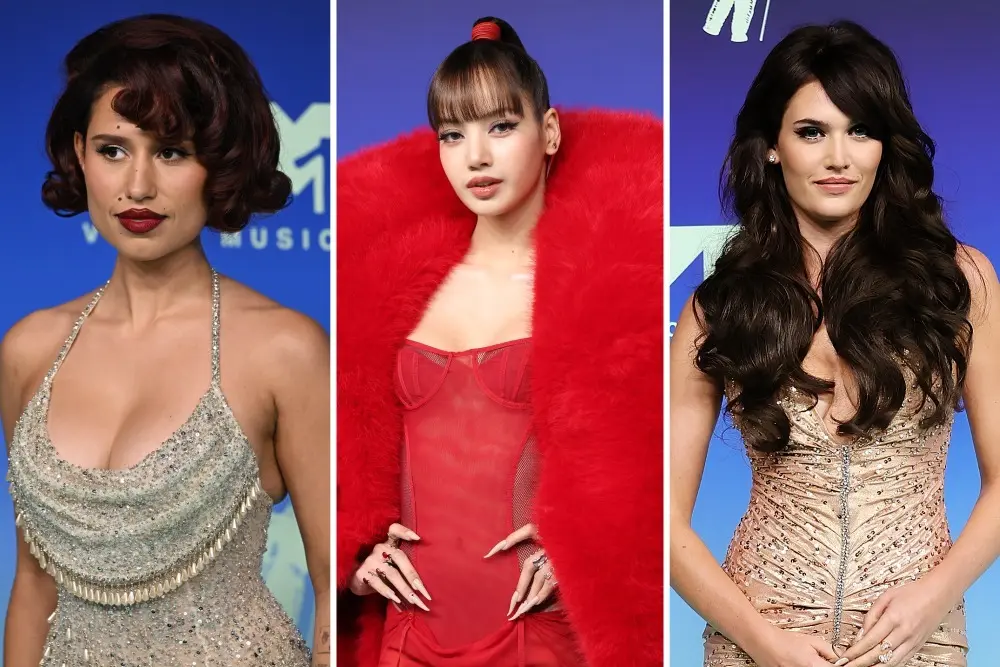
The entertainment capital of the world has reclaimed its crown. On Sunday, September 27, 2026, the MTV Video Music Awards officially stormed back into Los Angeles for the first time in nearly a decade, broadcasting live from the Peacock Theater at 7:30 p.m. ET / 4:30 p.m. PT.
Marking a triumphant homecoming to the city that birthed the modern music video industry—having last hosted the ceremony in 2017—the 2026 VMAs positioned themselves not merely as an awards show, but as a monumental cultural reset. Stepping up to helm this high-stakes evening was entertainment icon Snoop Dogg, whose West Coast pedigree and effortless charisma set a buoyant, celebratory tone for an industry eager to showcase its post-pandemic, highly innovative creative peak.
From the moment the first limousine door opened on the star-studded red carpet, it was evident that the 2026 iteration would shatter expectations. The evening boasted a meticulously curated collision of living legends and boundary-pushing newcomers. Madonna, the undisputed queen of MTV history, returned to the VMAs stage for her first performance at the network’s flagship event in over two decades. Meanwhile, modern monolith Taylor Swift dominated the evening’s narrative arc by not only debuting her cinematic new music video for "Patient Zero"—starring Hollywood heavyweights Dakota Johnson and Colin Farrell—but also accepting the inaugural Artist-Director Award.
Yet, beyond individual accolades, the 2026 VMAs functioned as an exhaustive masterclass in musical curation. The night honored enduring legacies through heartfelt, star-studded tributes to country matriarch Dolly Parton and pop pioneer George Michael, while simultaneously cementing the future by bestowing the prestigious Video Vanguard Award upon alternative rock architects Nirvana, exactly 34 years after their explosive, generation-defining 1992 debut.
With a densely packed performance lineup featuring global sensations like LISA, RAYE, Shaboozey, Gunna, Kacey Musgraves, and a wave of electrifying VMA debutantes, the 2026 ceremony proved that the music video format remains as vital, lucrative, and artistically daring as ever.
Detailed Chronology: A Night of Historic Moments
The rhythm of the 2026 VMAs was dictated by a relentless series of high-impact moments, carefully sequenced to keep both the live audience at the Peacock Theater and millions of global streaming viewers transfixed.
The Red Carpet Prelude and Opening Act
As daylight faded over downtown Los Angeles, the red carpet transformed into a high-fashion runway where music’s elite previewed the night’s theatricality. Host Snoop Dogg opened the broadcast with a masterclass in West Coast stagecraft, immediately establishing a celebratory atmosphere that bridged hip-hop royalty with contemporary pop culture.
The early momentum of the show belonged to its breakout performers. British sensation RAYE, making her long-awaited VMAs debut, utilized the stage to command attention alongside fellow newcomer Sienna Spiro. The synergy of the evening quickly escalated when genre-defying artist Shaboozey took the stage. Fresh off his solo performance of "Cowgirl," Shaboozey was joined by rap heavyweight Gunna for the first-ever broadcast performance of their chart-climbing collaboration, "High Noon." The seamless fusion of country-infused lyricism and trap production encapsulated the fluid genre boundaries defining the mid-2020s musical landscape.
Cultural Tributes and Artistic Milestones
The evening pivoted from high-energy debuts to profound institutional reverence with a pair of meticulously crafted musical tributes. Five years after her last appearance on the VMA stage, Kacey Musgraves—who earned a Best Country nomination this year for her introspective track "Dry Spell"—stepped forward to lead a breathtaking tribute to Dolly Parton. Musgraves’ crystalline vocals offered a heartfelt homage to the country music titan, celebrating a career of perpetual reinvention.
Moments later, the mood shifted to soulful reflection as RAYE returned to the stage, this time flanked by Sombr and Teddy Swims, to deliver a soaring tribute to George Michael. The multi-generational collaboration underscored Michael’s enduring influence on vocal production and artistic vulnerability, drawing visible emotion from the star-studded audience.
The Vanguard Recognition
History reverberated through the Peacock Theater when Nirvana was announced as the recipient of the 2026 Video Vanguard Award. Thirty-four years after the band’s chaotic, rule-breaking performance at the 1992 VMAs—a night etched into music television folklore—the honor served as a poignant reminder of alternative rock’s seismic impact on visual media. The tribute bridged the gap between 1990s counterculture and today’s digital-first alternative landscape, validating the band’s lingering imprint on visual storytelling.
The Grand Finales: LISA, Madonna, and Taylor Swift
As the broadcast pushed toward its climax, international pop power took center stage. K-pop phenomenon and global style icon LISA delivered a dazzling, high-octane television debut of her new single, "SaWaDiKa," showcasing precise choreography and production value that pushed the boundaries of live televised performance. Shortly thereafter, experimental electronic forces GENER8ION and Yung Lean captivated the auditorium with the high-concept live premiere of "STORM II."
Yet, the final hours belonged unmistakably to two women who have defined different eras of MTV history: Madonna and Taylor Swift.
Making her triumphant return to the VMA stage for the first time in over twenty years, Madonna delivered a masterclass in theatrical performance art, reminding the industry of the blueprint she established for visual provocation and stage dominance.
Directly following this legendary turn, the anticipation reached a fever pitch for the world premiere of Taylor Swift’s "Patient Zero" music video. Directed by Swift herself, the cinematic piece—bolstered by starring turns from acclaimed actors Dakota Johnson and Colin Farrell—solidified Swift’s transition from pop megastar to visionary auteur. The moment was immediately punctuated by MTV honoring Swift with the inaugural Artist-Director Award, recognizing her meticulous control over her visual canon and cementing her status as the definitive creative force of her generation.
Supporting Context & Metrics: The Business and Reach of the 2026 VMAs
To understand the weight of the 2026 MTV Video Music Awards is to understand the shifting economics of modern music consumption and television broadcasting. The decision to bring the VMAs back to Los Angeles for the first time since 2017 was not merely logistical; it was a calculated strategic pivot designed to harness the local infrastructure of Hollywood’s film and television production ecosystem.
Metric / Dimension
2026 VMA Context & Details
Host
Snoop Dogg (West Coast hip-hop icon)
Venue
Peacock Theater, Los Angeles, California
Broadcast Date & Time
Sunday, September 27, 2026, at 7:30 p.m. ET / 4:30 p.m. PT
Key Video Premieres
Taylor Swift ("Patient Zero"), LISA ("SaWaDiKa"), GENER8ION & Yung Lean ("STORM II")
Major Award Recipients
Nirvana (Video Vanguard Award), Taylor Swift (Inaugural Artist-Director Award)
Dolly Parton (led by Kacey Musgraves), George Michael (led by RAYE, Sombr, Teddy Swims)
The Streaming Evolution
While historical VMA metrics were historically tethered to traditional Nielsen cable ratings, the 2026 ceremony reflected the hyper-fragmented, digital-first reality of modern media consumption. Produced in an era where a music video’s success is measured simultaneously by YouTube view velocity, TikTok sound integrations, and real-time X (formerly Twitter) trending volume, the Peacock Theater broadcast was engineered to function seamlessly as both a live television event and a viral social media catalyst.
The premiere of Taylor Swift’s "Patient Zero," for instance, was supported by simultaneous cross-platform drops, driving millions of concurrent streams within minutes of the broadcast airing. This hybrid distribution model ensures that marquee events like the VMAs maintain cultural relevance among Gen Z and Gen Alpha audiences who consume linear television primarily through digital streaming extensions and curated highlight reels.
The Economic Impact on Los Angeles
Returning the VMAs to Los Angeles infused millions of dollars into the local entertainment, hospitality, and service economies. As the city continues to navigate post-pandemic economic adjustments within its core entertainment sectors, hosting a globally broadcast live event of this magnitude serves as a vital economic stimulus. From local soundstages and union stagehands to hospitality venues hosting corporate brand activations and after-parties, the 2026 ceremony underscored Los Angeles’s irreplaceable status as the live entertainment capital of the world.
Official Statements and Industry Reactions
The scale of the 2026 VMAs prompted immediate commentary from industry executives, participating artists, and cultural analysts, highlighting the profound shifts occurring within the music video medium.
Bruce Gillmer, President of Music, Music Talent, Programming and Events for Paramount Global and Chief Content Officer of Music for Paramount+, emphasized the intentionality behind the evening’s talent roster and location choice:
"Bringing the VMAs back to Los Angeles after nearly a decade required us to curate a lineup that honors the historic lineage of this award show while aggressively pushing the boundaries of what a live television music experience can be. From welcoming back icons like Madonna and celebrating Nirvana’s enduring legacy with the Video Vanguard Award, to witnessing Taylor Swift redefine the role of the modern artist-director, tonight proved that the music video remains the ultimate canvas for creative expression."
Reflecting on her return to the VMA stage after a twenty-year hiatus, sources close to Madonna’s creative camp noted the artist’s desire to reclaim the live television space she fundamentally helped shape throughout the 1980s and 1990s. Her performance was widely discussed behind the scenes as a masterclass in challenging ageism within the pop landscape, proving that true generational talent retains its cultural command indefinitely.
Taylor Swift’s reception of the inaugural Artist-Director Award also elicited widespread industry praise. Directors, cinematographers, and studio executives commended MTV for establishing a specific accolade recognizing the auteur theory of music video production. By shifting the critical lens from mere commercial success to technical and narrative direction—particularly in a project as dense and cinematic as "Patient Zero"—the VMAs signaled a maturation of the medium, acknowledging that top-tier pop stars are increasingly functioning as full-scale cinematic filmmakers.
Future Outlook: What the 2026 VMAs Mean for the Future of Pop Culture
As the lights dim at the Peacock Theater and the sets are dismantled, the 2026 MTV Video Music Awards leave behind a clear blueprint for the future of the entertainment industry. The ceremony successfully navigated the delicate tightrope between nostalgic reverence and radical forward-looking innovation.
The Rise of the Auteur Musician
Taylor Swift’s recognition as the inaugural Artist-Director Award recipient marks a permanent shift in how pop superstardom is evaluated. No longer is it sufficient for an artist to merely perform a track; modern audiences and industry gatekeepers demand world-building, narrative continuity, and directorial ownership. Expect future award cycles to increasingly reward artists who cross the threshold from performers into visual architects, utilizing music videos as narrative prequels, artistic manifestos, and cinematic calling cards.
Genre Fluidity as the New Normal
The collaborative performances seen throughout the night—most notably Shaboozey and Gunna bridging country and hip-hop, alongside international crossovers like LISA—demonstrate that traditional genre silos are effectively obsolete. The 2026 VMAs codified a musical ecosystem where stylistic hybridization is not a novelty, but the baseline expectation of contemporary hitmaking. Future iterations of the show will likely lean even further into global, borderless programming, reflecting an increasingly interconnected consumer base.
The Permanent Resurgence of Live Event Spectacle
Finally, the triumphant return to Los Angeles revitalized the VMAs’ identity as a physical, red-carpet-to-stage spectacle. In an era dominated by isolated, algorithmically fed digital content, the 2026 ceremony proved that communal, high-stakes live television still holds a unique, irreplaceable power to unite global audiences in real time. As MTV looks toward its next chapter, the 2026 VMAs will be remembered as the night the network reaffirmed its foundational ethos: when music, visual art, and live television collide, cultural history is made.