Executive Overview
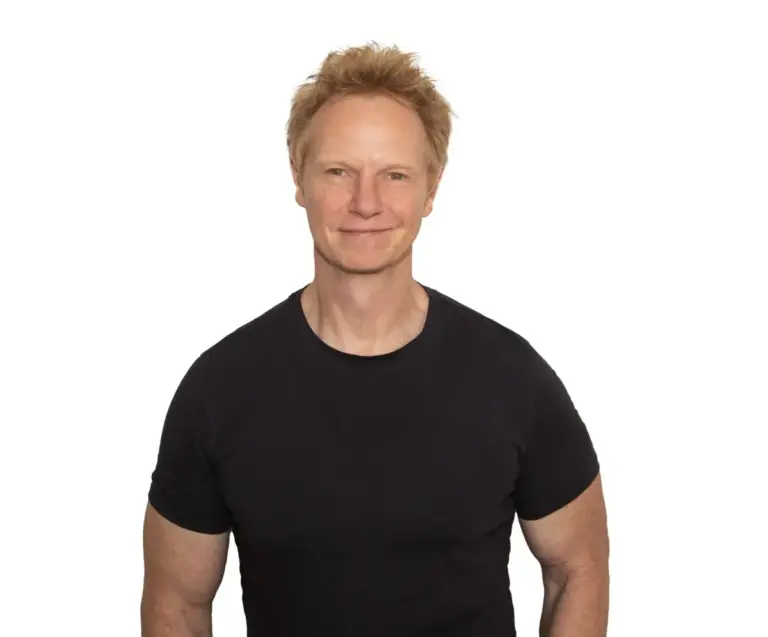
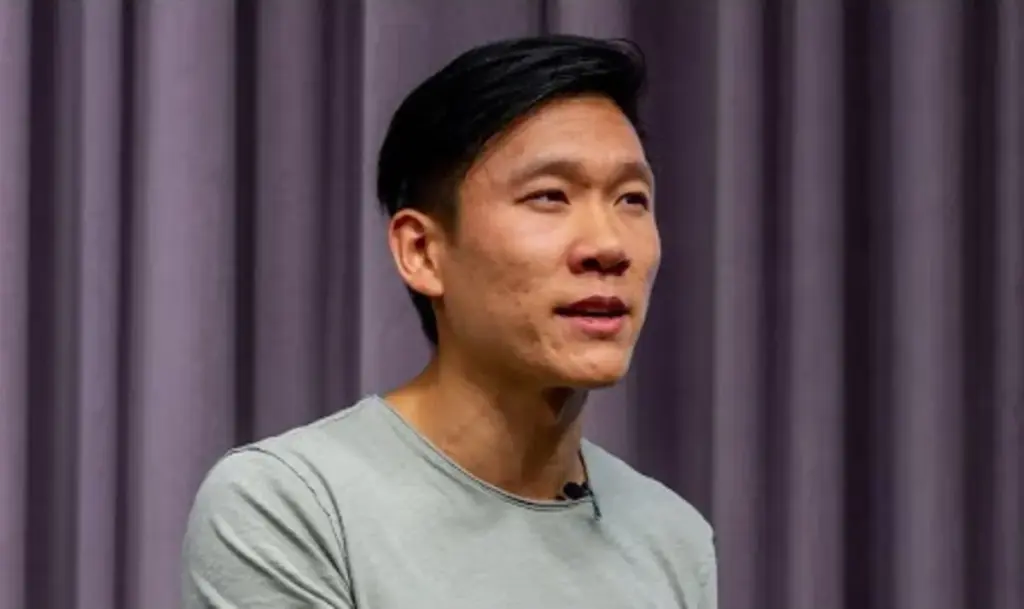
In a strategic pivot that signals a major expansion into the digital media ecosystem, artificial intelligence titan OpenAI has officially hired Patreon co-founder and tech veteran Sam Yam to spearhead its newly formed Creator Product division. Yam, who spent more than thirteen years helping build Patreon into a cornerstone of independent creator monetization alongside Jack Conte, transitions to Sam Altman’s AI juggernaut alongside two key lieutenants: former Patreon SVP of Product Drew Rowny and former engineering head Shannon Ma.
The high-profile recruitment comes at a critical juncture for OpenAI. While the company remains a household name and the undisputed pioneer of the generative AI boom, it faces mounting commercial pressures. Recent market intelligence reports indicate that ChatGPT is gradually ceding ground in terms of overall U.S. consumer usage to increasingly aggressive competitors like Google Gemini. Simultaneously, OpenAI’s ambitions to establish a foothold in Hollywood have hit significant roadblocks—ranging from fierce intellectual property backlash and artist lawsuits to the quiet shelving of its high-profile video generation model, Sora.
Faced with friction in traditional entertainment corridors, OpenAI is turning its attention directly to the digital creator economy. By empowering independent digital creators, influencers, and online publishers to leverage advanced AI tooling, OpenAI hopes to drive user acquisition, boost engagement, and secure vital "answer engine optimization" (AEO)—a crucial marketing frontier where AI platforms compete for consumer mindshare through trusted influencer ecosystems.
With Yam and his team now officially on board, the industry won’t have to wait long to see what they are building. Yam has already signaled that OpenAI’s inaugural slate of creator-focused tools and ecosystem strategies will be previewed at the company’s upcoming annual DevDay event, scheduled for September 29. This comprehensive report explores the strategic implications of Yam’s appointment, the hurdles facing OpenAI, and what this high-stakes crossover between Silicon Valley and the creator economy means for the future of digital media.
Detailed Chronology: From Patreon’s Inception to OpenAI’s Strategic Pivot
To understand the weight of Sam Yam’s transition to OpenAI, one must look back at his foundational role in shaping the modern creator economy. More than a decade ago, Yam and musician-entrepreneur Jack Conte identified a fundamental flaw in the digital content landscape: while creators could amass millions of views and massive follower counts on platforms like YouTube and SoundCloud, ad-supported revenue models left them financially vulnerable, subject to the erratic whims of opaque algorithms and shifting monetization policies.
In response, the duo launched Patreon in 2013, pioneering a membership-based platform that allowed fans to support their favorite creators through direct, recurring monthly contributions. Over the next thirteen years, Yam served as Patreon’s Chief Technology Officer and a primary architectural mind behind its scaling, monetization tools, and creator payout systems. Under his technical leadership, the platform distributed hundreds of millions of dollars to independent artists, podcasters, writers, and video producers, cementing its status as an essential pillar of digital livelihood.
However, the tech landscape shifted dramatically in the early 2020s with the sudden explosion of generative artificial intelligence. While tools like ChatGPT and large language models captured the world’s imagination, they also ignited a firestorm of controversy within the artistic and creative communities. Many creators viewed generative AI not as a collaborative tool, but as an existential threat—accusing tech companies of training proprietary models on copyrighted works without consent, compensation, or attribution.
Recognizing that artificial intelligence could not scale sustainably without the goodwill and integration of the people who actually capture human attention, OpenAI leadership began searching for a visionary capable of bridging the chasm between Silicon Valley engineers and the digital creator class. Enter Sam Yam.
Yam’s departure from Patreon marks the end of an era for the crowdfunding giant, but it also signals a profound evolution in his own career. By accepting the offer to lead OpenAI’s brand-new Creator Product division, Yam is tasked with doing for AI what he once did for creator crowdfunding: building a robust, accessible ecosystem where creators can seamlessly integrate cutting-edge technology into their workflows while extracting tangible economic and operational value from it.
Supporting Context & Metrics: Navigating a Challenging Competitive Landscape
Yam’s arrival at OpenAI occurs against a backdrop of intensifying competition and strategic recalibration. Far from operating in a vacuum, OpenAI is currently navigating several interrelated headwinds that make the creator economy pivot not just desirable, but arguably essential for long-term market dominance.
1. Market Share and Usage Shifts
According to recent telemetry and market intelligence data from Comscore’s Q2 2026 AI Intelligence Report, ChatGPT continues to face fierce pressure from rival conversational engines. While OpenAI was the undisputed early mover, competitors like Google Gemini and Anthropic’s Claude have steadily eaten into its overall U.S. market share and daily active usage metrics. As the novelty of general-purpose chatbots matures into utility-driven consumer habits, tech platforms are actively seeking specialized ecosystems to lock in user loyalty.
2. The Hollywood Impasse and the Fall of Sora
OpenAI’s initial playbook for mainstream cultural integration heavily targeted legacy entertainment institutions. The company spent significant capital positioning itself as a trusted studio partner, holding high-level discussions with Hollywood executives to integrate generative models into traditional film and television production pipelines.
However, those ambitions hit a brick wall. Intense backlash from actors, writers, and visual artists culminated in major copyright lawsuits targeting generative AI developers. The tension reached a boiling point with the controversial training data controversies surrounding models like Sora, OpenAI’s flagship generative video model. Facing mounting legal pressure, cultural alienation from Hollywood guilds, and technical hurdles, OpenAI ultimately decided to sunset the public rollout of Sora, forcing a strategic pivot away from legacy media conglomerates and toward nimble, independent digital creators.
3. The Battle for Answer Engine Optimization (AEO)
In the modern digital economy, visibility is no longer just about traditional search engine optimization (SEO); it is increasingly dictated by "answer engine optimization" (AEO)—the art and science of ensuring a brand or product is recommended organically by conversational AI assistants.
Major tech players are rapidly realizing that influencer and creator marketing is the most effective lever for AEO. By embedding their ecosystems within creator communities, platforms can secure organic advocacy and high-value integrations. This dynamic was underscored recently when Google Gemini entered into a landmark, multi-year sponsorship and integration agreement with global YouTube megastar MrBeast. To compete with Google’s aggressive push into creator-led distribution, OpenAI realized it needed its own heavy-hitting strategy.
4. Early Inroads and the TBPN Acquisition
OpenAI’s courtship of the media and creator space did not begin with Yam’s hiring. Earlier this year, the company made headlines by acquiring TBPN—often colloquially described as the "Silicon Valley SportsCenter." This strategic acquisition provided OpenAI with a built-in media mouthpiece and broadcasting apparatus, allowing the company to speak directly to tech-savvy audiences, developers, and digital entrepreneurs on its own terms.
Key Players Moving to OpenAI
Building an enterprise-grade creator ecosystem requires deep operational experience, and Yam is not making the transition to OpenAI alone. He is bringing along two of his most trusted product and engineering leaders from Patreon:
- Drew Rowny (SVP of Product): A seasoned product executive with deep roots in Silicon Valley—including significant experience at Google—Rowny served as Patreon’s Senior Vice President of Product. Known for scaling creator-facing tools and driving user adoption, Rowny will play a critical role in shaping the user experience of OpenAI’s upcoming creator tools.
- Shannon Ma (Head of Engineering): A veteran engineering leader with a pedigree that includes tenure at Facebook (Meta), Ma served as Patreon’s head of engineering. Her technical expertise in managing high-throughput, secure infrastructure will be vital as OpenAI attempts to build scalable tools capable of handling the massive data and traffic demands of the global creator community.
Together, this trio represents decades of institutional knowledge regarding how digital creators work, earn, and build communities online.
Future Outlook: What to Expect on September 29
Because Yam, Rowny, and Ma have only just stepped foot inside OpenAI’s headquarters, concrete details regarding their exact product roadmap remain closely guarded secrets. However, industry insiders and digital media analysts won’t have to speculate for long.
In a public statement shared via social media platform X (formerly Twitter), Sam Yam indicated that the first wave of OpenAI’s creator-focused products and strategic initiatives will be teased and showcased at the company’s flagship annual developer conference, OpenAI DevDay, scheduled for September 29.
For digital creators, influencers, podcasters, and developers who have watched the generative AI revolution unfold with a mixture of awe and skepticism, DevDay will serve as a definitive litmus test. Will OpenAI’s new Creator Product division offer genuine economic opportunities, streamlined AI-powered workflows, and fair partnership models—or will it simply deepen the digital divide between tech conglomerates and independent artists?
As September 29 approaches, all eyes are on Sam Yam and his team. If anyone possesses the specialized background required to reconcile the ambitions of Silicon Valley with the practical realities of the digital creator economy, it is the man who spent over a decade building the financial plumbing for the internet’s independent talent.