Executive Overview
For decades, cultural messaging around fitness for women has been heavily dominated by the Church of Cardio. Running shoes, step counts, aerobic dance classes, and long stretches on the elliptical trainer were long held up as the gold standards for health, weight management, and longevity. While cardiovascular exercise remains a crucial pillar of overall well-being, a seismic cultural and physiological shift is underway. Strength training—once largely relegated to the margins of women’s wellness or misunderstood as a pursuit exclusively for bodybuilding—is finally getting the prominence it deserves.
At the forefront of this movement is Margarita Severnaia, an ACE-certified personal trainer with San Diego Health and Fitness. According to Severnaia, lifting weights is not merely an aesthetic choice for women navigating midlife; it is a vital, non-negotiable investment in long-term health, physical independence, and disease prevention.
As women enter their 50s and progress through the menopausal transition, physiological changes accelerate the natural decline of muscle mass and bone mineral density. Without intentional intervention, these shifts elevate the risk of sarcopenia, osteoporosis, balance issues, and devastating falls later in life. Yet, a vast demographic of women reaching this milestone grew up entirely unprepared for the weight room, lacking the foundational knowledge required to transition safely into resistance training.
This comprehensive guide explores the physiological imperatives of strength training in midlife, breaks down a beginner-friendly, five-move routine curated by Severnaia, outlines how to select the right weights, and details the essential gear required to lift safely and effectively.
Detailed Chronology: The Evolution of Midlife Women’s Fitness
The Cardio Era and Its Limitations
To understand why strength training is experiencing such a vital renaissance among women in their 50s, we must examine how fitness paradigms have shifted over the last forty years. In the late 20th century, the fitness industry marketed cardio as the primary mechanism for weight control and heart health. Women were encouraged to log miles on treadmills or spend hours on stationary bikes, often at the expense of developing skeletal muscle.
While cardiovascular conditioning strengthens the heart and improves metabolic efficiency, it does little to prevent the age-related degradation of muscle tissue and bone density. By focusing exclusively on calorie-burning endurance activities, generations of women bypassed the mechanical loading necessary to stimulate bone formation and preserve lean muscle mass.
The Menopausal Turning Point
The arrival of perimenopause and menopause introduces a cascade of hormonal shifts—most notably the sharp decline in estrogen production. Estrogen plays a protective role in maintaining bone mineral density and regulating inflammatory responses. When estrogen levels plummet, bone resorption begins to outpace bone formation, accelerating the onset of osteopenia and osteoporosis. Concurrently, women experience a gradual decline in muscle mass and strength, a process known as dynapenia, which can rapidly snowball into sarcopenia if left unchecked.
Recognizing these vulnerabilities, modern fitness science has rewritten the prescription for midlife women. Resistance training has emerged as the premier therapeutic countermeasure. By applying targeted mechanical tension to the skeletal and muscular systems, women can not only halt these degenerative trends but actively rebuild bone density and muscle tissue well into their later decades.
Supporting Context & Metrics: The Science of Strength
Why Resistance Training is Medicine
The physiological benefits of strength training extend far beyond sculpted arms or toned legs. When a muscle contracts against a heavy load (resistance), it places mechanical stress on the bone to which it is attached. This stress signals osteoblasts—the cells responsible for bone formation—to lay down new bone tissue, thereby increasing bone mineral density.
Furthermore, resistance training offers profound metabolic advantages. Muscle tissue is metabolically active; maintaining it helps regulate blood glucose levels, improves insulin sensitivity, and wards off visceral fat accumulation, which is common during and after menopause.
+-----------------------------------------------------------------+
|               BENEFITS OF STRENGTH TRAINING IN MIDLIFE          |
+-----------------------------------------------------------------+
| • Rebuilds & Preserves Lean Muscle Mass (Combating Sarcopenia)  |
| • Enhances Bone Mineral Density (Combating Osteoporosis)        |
| • Improves Joint Stability, Mobility, & Balance                 |
| • Protects Against Falls, Fractures, & Loss of Independence     |
| • Regulates Blood Sugar & Enhances Metabolic Health             |
+-----------------------------------------------------------------+
Navigating the Learning Curve
For many women in their 50s stepping onto the gym floor for the first time, the environment can feel intimidating. The sheer variety of barbells, cable machines, and dumbbells can create a barrier to entry. However, Severnaia emphasizes that the initial phase of strength training should be entirely divorced from the intimidation of heavy lifting or training to utter exhaustion.
"The first few weeks should focus on learning the exercises, improving coordination, and developing confidence rather than training to exhaustion," Severnaia advises. "Learn the main movement patterns, then gradually introduce resistance."
To build sustainable habits, Severnaia recommends committing to two or three full-body strength sessions per week, ensuring adequate rest and recovery time between workouts. "Consistency matters far more than making the first workouts difficult. The objective is to build a routine she can continue for years."
Official Expert Guidance: The Five-Move Beginner Workout
If you are new to lifting weights in your 50s, diving into complex compound lifts without supervision can lead to frustration or injury. Severnaia has designed a straightforward, highly effective five-move workout tailored specifically for women beginning their strength journey.
Beginners should start conservatively, performing one set of eight repetitions for each exercise, and gradually build up to two or three sets of eight to 12 repetitions, resting 30 to 90 seconds between sets.
1. Chair Squat
- Sets: 1 | Reps: 8 | Rest: 30–90 seconds
- Progression: Once the movement is controlled, progress to a goblet squat by holding a light dumbbell vertically in front of the chest.
- Form Tips: "Avoid dropping onto the chair or bench. Avoid your knees collapsing inward, lifting your heels, or forcing more depth than your hips and ankles can comfortably control," warns Severnaia. "The goal is not to squat as deeply as possible on day one. It is to own the range of motion you currently have, and then gradually improve it."
2. Dumbbell Romanian Deadlift (RDL)
- Sets: 1 | Reps: 8 | Rest: 30–90 seconds
- Purpose: Learning to hinge at the hips is one of the most critical foundational skills a beginner can develop. It teaches the body how to load the posterior chain (glutes, hamstrings, and lower back) without simply bending through the spine.
- Form Tips: "Be careful not to turn the movement into a squat or round the back," Severnaia cautions. "Letting the dumbbells drift too far away from the body or finishing by leaning backward and overextending the lower back are also common mistakes."
3. Supported One-Arm Dumbbell Row
- Sets: 1 | Reps: 8 per side | Rest: 30–90 seconds
- Purpose: For beginners, Severnaia advocates for a supported variation (such as resting one knee and hand on a bench). This allows the practitioner to learn proper pulling mechanics and shoulder-blade control without requiring the nervous system to stabilize the entire body simultaneously.
- Form Tips: Avoid shrugging the working shoulder, rotating the entire torso to heave the weight upward, using momentum, or selecting a dumbbell that is too heavy to control through a full range of motion.
4. Incline Push-Up
- Sets: 1 | Reps: 8 | Rest: 30–90 seconds
- Purpose: Pushing movements build upper body strength, targeting the chest, shoulders, and triceps. Starting on an elevated surface (like a sturdy countertop, Smith machine bar, or incline bench) makes the exercise accessible. "I usually teach a new client an incline push-up before putting her straight onto the floor," says Severnaia. "It’s easy to adjust the difficulty simply by changing the height of the support."
- Form Tips: Keep the core braced to prevent the hips or lower back from sagging. Avoid shrugging the shoulders toward the ears, letting the head drop forward, or progressing to a lower surface before you can execute the current variation with total control.
5. Farmer’s Carry
- Sets: 1 | Time: 30 seconds | Rest: 30–90 seconds
- Purpose: "Carries are extremely practical because they combine grip strength, trunk control, posture, and walking," Severnaia explains. Beginners should start by holding a light dumbbell in each hand, walking slowly with an upright, controlled posture.
- Advanced Variation: Once stable, progress to a suitcase carry, holding a weight on only one side. The weight attempts to pull the body sideways, forcing the core and trunk to resist lateral movement. This is an exceptional, functional way to train core stability dynamically.
- Form Tips: Avoid leaning away from or toward the weight, shortening your strides excessively, shrugging the loaded shoulder, or choosing a weight that alters your natural walking gait.
What Weight Should I Start With?
Determining the appropriate starting resistance is one of the most common hurdles for beginners. Choosing a weight that is too light yields little physiological adaptation, while starting too heavy compromises form and invites injury.
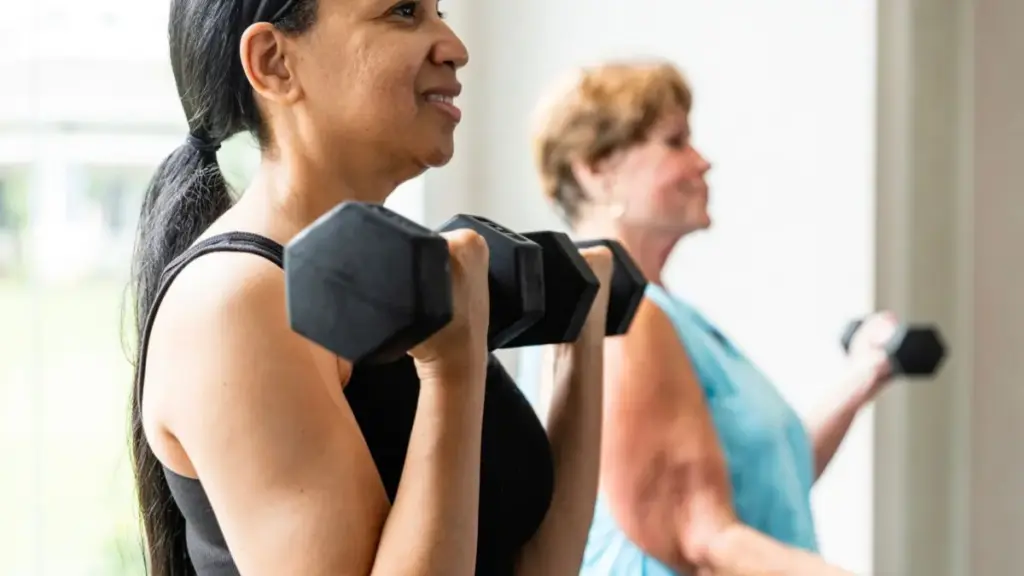
According to Severnaia, the ideal starting weight allows you to complete approximately eight to 12 controlled repetitions with pristine form, while leaving you feeling as though you could have performed another two or three high-quality reps if forced to.
"If your technique starts changing after six or seven repetitions, the weight is probably too heavy. If you can perform 12 to 15 repetitions very easily with no meaningful effort, the resistance can gradually increase." — Margarita Severnaia
For home workouts, adjustable dumbbells offer unmatched versatility and value. Alternatively, acquiring fixed pairs of dumbbells weighing 5, 10, and 15 pounds provides an ideal starter range. Keep in mind that the lower body (quadriceps, glutes, and hamstrings) can naturally tolerate significantly heavier loads than the smaller muscle groups utilized in upper-body exercises.
Severnaia offers one final, paramount piece of advice regarding progression: Do not rush to increase the weight. Patience pays dividends in strength training. Master the movement pattern and ensure your form is reliable and repeatable before advancing to a heavier load.
What Should I Wear for Strength Training?
Fortunately, entering the world of strength training does not require purchasing an entirely new, exorbitant wardrobe. Comfort, freedom of movement, appropriate structural support, and footwear suited specifically to resistance work are the primary considerations.
Clothing and Support
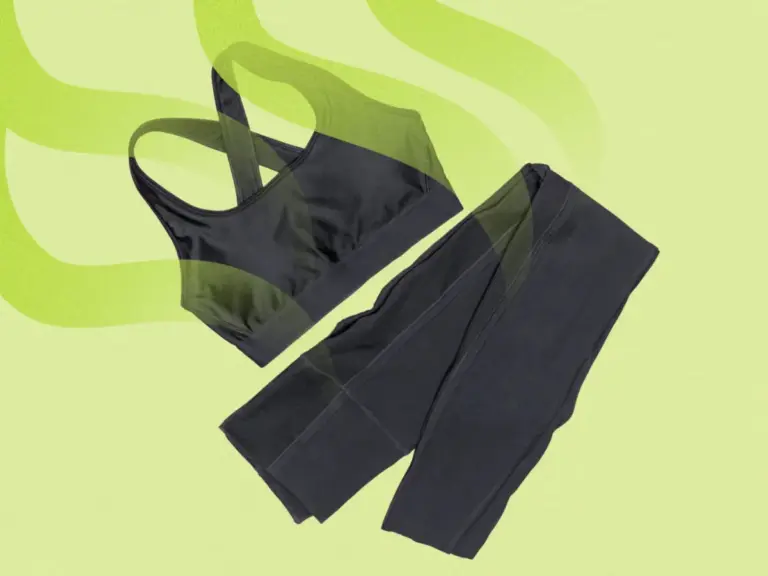
For general workout apparel, Severnaia recommends reliable, high-performance brands such as Athleta, Vuori, Alo Yoga, Nike, and Under Armour. When selecting leggings and training tops, prioritize items that allow your hips and knees to move unrestricted through a full range of motion. Avoid tops that are excessively loose, as baggy fabric can catch on dumbbells or gym equipment.
For sports bras, brands like Athleta, Brooks, Nike, and Under Armour offer robust options with varying levels of support. The golden rule: a sports bra should feel secure and supportive without restricting your normal breathing patterns.
The Footwear Distinction
One of the most valuable insights Severnaia shares involves footwear selection. Many individuals make the mistake of wearing heavily cushioned running shoes into the weight room.
"A highly cushioned running shoe is not the best option for strength training. During squats, deadlifts, and loaded carries, I prefer a shoe with a stable, relatively firm base rather than a very soft, compressible sole."
A squishy, highly compressible running sole introduces instability when trying to drive force into the floor during a squat or deadlift. For dedicated strength training, stable cross-training shoes such as the Nike Metcon, Reebok Nano, or Under Armour TriBase provide a flat, firm, and secure platform. Meanwhile, cushioned models from Brooks, Hoka, and On remain exceptional choices for walking and aerobic conditioning.
Future Outlook: The New Standard of Aging Gracefully
As the cultural narrative surrounding midlife health continues to evolve, the stigma of the gym weights room is rapidly dissolving. Women in their 50s are increasingly rejecting outdated notions of aging that prescribe passive decline, frailty, and a sedentary lifestyle.
By embracing progressive resistance training, this generation is redefining what it means to grow older. Through structured movement patterns, mindful weight selection, and a commitment to consistency, women are discovering that strength training is much more than a fitness trend—it is a reclamation of autonomy, vitality, and physical power that pays dividends for decades to come.