Executive Overview
In the modern landscape of wellness culture, activewear has transcended the gym. It is now a legitimate, everyday wardrobe staple. From running errands to meeting friends for coffee or working from home, athleisure dominates closets worldwide. Naturally, this lifestyle shift has introduced a modern laundry dilemma: Is it truly necessary to toss high-performance leggings, shirts, and sports bras into the wash after every single use, or can we safely stretch out our laundry cycles using a bit of "girl math" and discretion?
While the instinct to save water, energy, and time by reusing mildly worn workout clothes is understandable—especially after a brief 15-minute indoor cycle or a casual neighborhood walk—dermatologists are raising a cautious yellow flag. The debate isn’t just about lingering odors; it is a matter of skin integrity. When sweat, natural skin oils, and microscopic bacteria interface with modern synthetic fabrics, a microscopic ecosystem is born. Left unchecked, this environment can trigger everything from stubborn body acne to severe skin irritation and localized folliculitis.
This comprehensive report investigates the dermatological science behind activewear hygiene. Drawing on expert insights from board-certified dermatologists, we explore how different workout intensities impact skin health, why synthetic fabrics behave differently than natural fibers, and the practical guardrails you can follow to balance sustainability, laundry fatigue, and clear skin.
Detailed Chronology: The Evolution of Athleisure and the Rise of the Post-Workout Skin Crisis
To understand why our modern laundry habits are colliding with dermatological health, it helps to examine how our relationship with workout clothing has evolved over the past two decades.
Phase 1: The Cotton Era (Pre-2000s)
Historically, athletic apparel was dominated by natural fibers like 100% cotton or heavy wool blends. While cotton absorbed sweat readily, it lacked moisture-wicking properties. Athletes would finish a workout soaked through, heavy, and chilled. However, from a microbiological standpoint, cotton was relatively forgiving. Natural fibers breathe easily, allowing trapped moisture to evaporate more rapidly, which historically reduced the breeding ground for anaerobic bacteria compared to today’s technical textiles.
Phase 2: The Synthetic Revolution and Athleisure Boom (2000s–2010s)
The introduction of high-performance technical fabrics—primarily polyester, nylon, and elastane blends—revolutionized athletic performance. These materials were engineered to pull moisture away from the skin, drying rapidly and keeping athletes comfortable during endurance events. Concurrently, the fashion industry birthed "athleisure." Activewear became socially acceptable everyday attire. People began wearing form-fitting, synthetic leggings and tops for hours beyond their actual workout windows—transitioning seamlessly from spin class to brunch, grocery shopping, and office desks.
Phase 3: The Modern Skin Health Reckoning (Present Day)
As remote work blurred the lines between professional and personal life, and activewear became a 24/7 uniform, dermatologists began noting a distinct uptick in adult body acne, back breakouts (often dubbed "bacne"), and chest folliculitis. Clinics observed an influx of patients who exercised frequently, maintained immaculate facial skincare routines, yet suffered from persistent body blemishes. The common denominator? Prolonged contact with sweat-trapped synthetic activewear, frequently worn for multiple sessions without intervening washes.
Supporting Context & Metrics: The Science of Sweat, Fabrics, and Bacteria
To evaluate whether your post-workout rewear habit is safe, we must look at the biochemical interaction between human skin and textile engineering.
The Anatomy of Sweat and Body Odor
On its own, human sweat is largely odorless and chemically harmless. Produced primarily by eccrine and apocrine sweat glands, perspiration consists of water, salt, trace minerals, and organic compounds.
The trouble begins when sweat meets the skin’s natural microbiome—specifically, resident bacteria such as Corynebacteria and Staphylococcus epidermidis. These microbes feast on the lipids and proteins found in apocrine sweat. As they metabolize these compounds, they release volatile organic compounds (VOCs) that generate pungent body odors.
When you wear activewear, these bacterial byproducts, along with dead skin cells and sebum, are absorbed directly into the weave of the fabric.
Why Fabric Composition Matters
Not all activewear is created equal when it comes to microbial colonization.
- Synthetics (Polyester, Nylon, Spandex): These petroleum-based fibers are hydrophobic, meaning they repel water. Instead of absorbing moisture into the core of the fiber, they push it to the surface via capillary action (wicking). However, they also create a tight, occlusive barrier against the skin and tend to trap organic oils and lipids deep within the microscopic crevices of the synthetic weave. Studies on textile microbiology show that polyester, in particular, provides a hospitable breeding ground for odor-causing bacteria like Micrococcus and Corynebacterium, which cling tenaciously to synthetic polymers even after standard washing cycles.
- Natural Fibers (Cotton, Bamboo, Merino Wool): Cotton is hydrophilic (water-loving). It absorbs moisture rather than repelling it, which can leave you feeling soggy during a heavy workout, but it is far more breathable. Merino wool possesses natural antimicrobial properties due to its complex chemical structure, resisting odor accumulation far better than synthetic counterparts. Unfortunately, pure cotton or wool activewear remains relatively rare due to durability and stretch requirements in modern athletic design.
The Intensity Spectrum: High-Risk vs. Low-Risk Workouts
Dermatologists emphasize that the decision to wash or rewear activewear must be dictated by the physiological intensity of the exercise session.
- High-Intensity & High-Sweat Sessions (Mandatory Wash): Activities such as hot yoga, long-distance running, high-intensity interval training (HIIT), and indoor cycling generate profuse, sustained sweating. The sheer volume of fluid absorbed by the garments, combined with friction against the skin, creates an ideal storm for bacterial proliferation. Rewearing these items without laundering is a near-guarantee for skin irritation and breakouts.
- Low-Intensity & Low-Sweat Sessions (Discretionary Reuse): Practices like restorative yoga, gentle Pilates, core stretching, or a leisurely "hot girl walk" on a cool autumn day produce minimal sweat. In these scenarios, if the garments feel dry, smell neutral, and were worn for only a short duration, dermatologists acknowledge that a cautious rewear is acceptable for certain outer layers.
Official Statements and Expert Insights
To gain a clinical perspective on activewear hygiene, we turn to leading dermatological authorities who treat skin-barrier issues daily.
"The longer bacteria stays in contact with your skin, the higher the chance it can become harmful," explains Dr. Brianna Olamiju, MD, FAAD, a board-certified dermatologist based in New York. "Usually, it manifests as acne. I see a lot of patients who have breakouts on their chest or back—often individuals who work out frequently, go straight to brunch afterward, or aren’t able to change and wash immediately."
Addressing the common misconception that hanging a pair of sweaty leggings overnight magically sanitizes them, Dr. Olamiju offers a stark warning:
"Even if you remove your activewear and rewear it the next day, bacteria doesn’t just disappear. Some of the bacteria from the prior workout still lingers. It’s probably going to smell, but more importantly, it can still cause acne, contact dermatitis, or localized skin irritation."
Dr. Olamiju also highlights a critical distinction regarding specific wardrobe items:
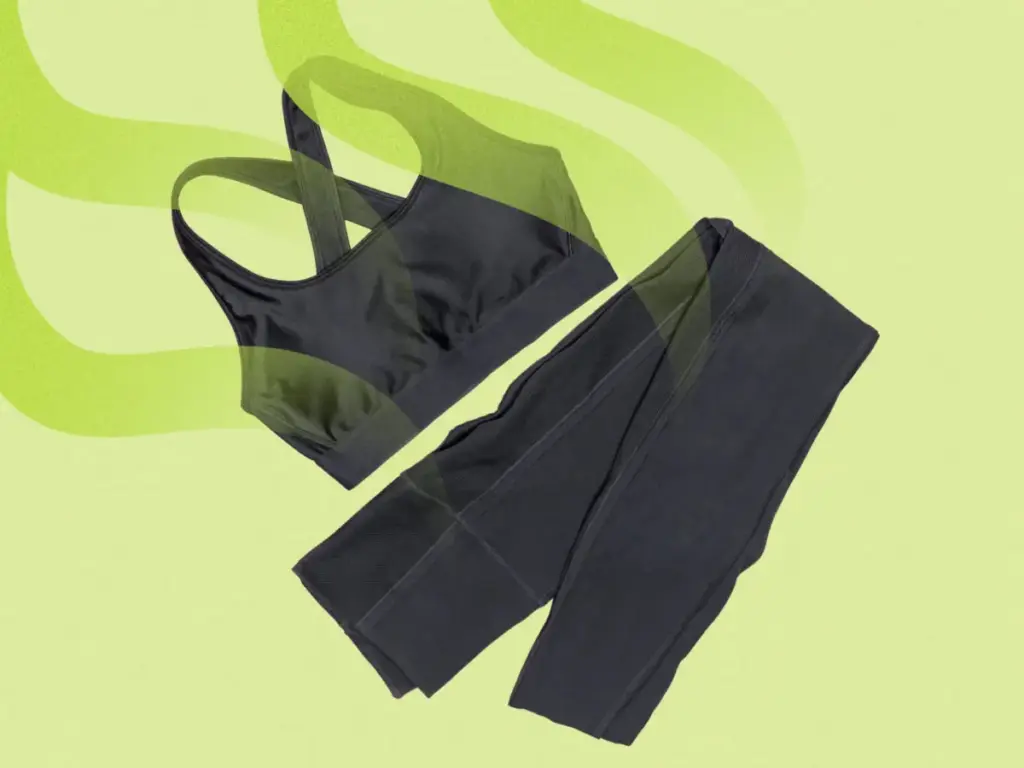
"For women, changing your sports bra is absolutely essential. You might occasionally get away with wearing a loose outer shirt again, but the sports bra and underwear are the pieces that experience the highest friction, direct sweat absorption, and skin contact. Those are non-negotiable; they must be washed after every single use."
Future Outlook: Sustainable Laundering and Skin-Friendly Innovations
As consumers become increasingly conscious of both ecological sustainability and personal health, the intersection of textile technology and dermatological care is shifting rapidly. The future of activewear promises solutions that alleviate the friction between frequent laundering and skin protection.
1. Antimicrobial Textile Treatments
Textile engineers are heavily investing in advanced, skin-safe antimicrobial treatments embedded directly into yarn fibers. Technologies utilizing silver ions, copper threads, and botanical extracts (such as eucalyptus or chitosan) are designed to inhibit bacterial colonization at the microscopic level. These innovations aim to keep garments fresher for longer, reducing both odor development and the frequency of required washes—thereby extending the lifespan of delicate activewear garments while protecting the skin barrier.
2. Smart Laundry Care and Eco-Detergents
The traditional heavy-duty cycle with hot water and harsh chemical detergents is notorious for degrading synthetic elastic fibers (such as elastane and spandex) and shedding microplastics into our waterways. The future of activewear maintenance points toward specialized cold-water athletic wash formulations, enzymatic detergents that specifically target protein and lipid residues without destroying fabric integrity, and microfiber-catching laundry bags or external filtration systems.
3. Shift Toward Sustainable Natural-Synthetic Blends
Fabric mills are aggressively researching bio-synthetic blends—combining recycled polyester with organic, breathable natural fibers or modal derived from sustainably harvested beech trees. These hybrid textiles aim to deliver the stretch and durability required for high-performance athletics while maximizing breathability and minimizing bacterial retention.
Practical Guidelines: How to Safely Practice "Activewear Reuse"
If you are determined to stretch your activewear rotation to conserve water and reduce laundry loads without sacrificing your skin health, dermatologists recommend adhering to a strict set of best practices:
- Target Outer Layers Only: Reserve any reuse strictly for outer layers (such as hoodies, joggers, or loose-fitting outer t-shirts) that experienced minimal direct skin contact and virtually no sweat.
- Strictly Wash Undergarments and Base Layers: Sports bras, compression shorts, underwear, and form-fitting tops must always be laundered after a single wear. These items trap sweat against high-friction zones prone to chafing and folliculitis.
- Proper Post-Workout Airing: Never wad up damp activewear and toss it into the bottom of a laundry hamper or gym bag, where trapped moisture breeds mold and bacteria. If you intend to air a garment out for a potential rewear, hang it up immediately in a well-ventilated space to dry completely.
- Assess the Sniff and Touch Test: If a garment fails the olfactory test—even faintly—or feels stiff and starchy from dried salt crystals, do not rewear it. Toss it straight into the laundry basket.
- Prioritize Showering Immediately: If you cannot change out of your activewear immediately following a workout, at least use antibacterial cleansing wipes on your chest, back, and torso to disrupt bacterial growth before it can clog your pores.
Ultimately, while "girl math" and laundry shortcuts have their place in simplifying our hectic weekly routines, your skin barrier should never be compromised for the sake of convenience. When in doubt, err on the side of freshness—your skin will thank you.