Executive Overview
As the autumn chill sweeps across global style capitals, the footwear landscape undergoes its annual transformation. Stored away are the diaphanous sandals and breezy slides that defined the sun-drenched months of summer, replaced by the structured, closed-toe silhouettes that dictate cold-weather wardrobes. Yet, while perennial favorites—such as robust knee-high boots, preppy penny loafers, and delicate ballet flats—continue to command prime retail space, a compelling contender has surged through the ranks to capture the imagination of fashion editors, street-style stars, and discerning consumers alike: the classic derby shoe.
Occupying a sophisticated stylistic middle ground between the austere formality of traditional oxfords and the casual slip-on ease of classic loafers, the derby has experienced a remarkable contemporary renaissance. Driven by high-fashion endorsements from visionary houses like Ferragamo, Jacquemus, and JW Anderson, and cemented by off-duty celebrity sightings featuring style icons like Emma Corrin, the derby shoe has evolved from its mid-century origins into a modern sartorial staple.
This in-depth report investigates the multifaceted resurgence of the derby shoe. We examine its historical lineage, trace the runway-to-street trajectory that fueled its recent momentum, explore how it aligns with contemporary consumer demands for ergonomic comfort and minimalist versatility, and analyze its positioning within the broader macroeconomic and stylistic shifts shaping the 2026 footwear market.
Detailed Chronology: From Mid-Century Icons to Runway Revival
To understand the current dominance of the derby shoe, one must look backward to trace its evolution through the annals of twentieth-century style. Historically characterized by its open-lacing system—where the shoelace eyelet tabs are stitched on top of the vamp (in contrast to the closed lacing of an oxford)—the derby was originally engineered for utility and comfort. Its flexible construction and accommodating fit quickly transcended its utilitarian roots, finding a devoted following in the worlds of mid-century high fashion and performing arts.
The Mid-Century Golden Era
In the mid-20th century, cultural titans cemented the derby’s status as a symbol of effortless, nonchalant elegance. Figures such as legendary French singer-songwriter Serge Gainsbourg and silver-screen dance icon Fred Astaire routinely favored the silhouette. Astaire’s relentless demand for footwear that could seamlessly transition from rigorous dance rehearsals to high-society galas made the flexible, flat-soled derby an indispensable component of his wardrobe. Similarly, Gainsbourg paired battered derbies with tailored suits and unbuttoned shirts, establishing a blueprint for high-low bohemian dressing that resonates with designers today.
Furthermore, the inherent flexibility of the derby’s flat construction made it a perennial favorite within professional dance communities. Performers required a shoe that offered structural integrity combined with the suppleness to mimic the foot’s natural articulation—a functional benefit that modern consumers are rediscovering today.
The Springboard: Spring/Summer Runways
The modern chapter of the derby’s resurgence began in earnest during the spring collections. Forward-thinking design houses recognized a collective fatigue surrounding hyper-structured, rigid footwear and sought alternatives that offered both architectural interest and ease of wear.
Ferragamo introduced streamlined, ultra-polished iterations that played with proportions, while Jacquemus and JW Anderson incorporated derbies into eclectic, contemporary ready-to-wear presentations. These collections demonstrated that the derby could be simultaneously classic and avant-garde, injecting fresh energy into a silhouette that had occasionally been pigeonholed as strictly menswear-inspired or academic.
The Summer Hiatus and Autumn Comeback
As temperatures peaked over the summer months, the momentum surrounding closed-toe footwear experienced a predictable pause, yielding entirely to open-air sandals and mesh flats. However, industry analysts noted that unlike fleeting micro-trends, the groundwork laid by spring’s designer endorsements had created a latent demand.
As autumn arrived, bringing with it the necessity for enclosed, weather-appropriate footwear, the derby made an immediate, high-impact return. Positioned at the intersection of heritage craftsmanship and modern ergonomic design, the shoe capitalized on the seasonal shift to establish itself as the definitive transitional footwear of the season.
Supporting Context & Metrics: The Ergonomic Shift and Minimalist Alignment
The contemporary revival of the derby shoe is not merely a nostalgic exercise in vintage revivalism; it is deeply rooted in shifting consumer values regarding comfort, functionality, and minimalism.
The Rise of Ergonomic Minimalism
In recent years, the fashion industry has witnessed a paradigm shift away from punishing, high-impact footwear toward designs that prioritize physical well-being without sacrificing aesthetic value. This is vividly illustrated by the explosive popularity of "barefoot" flats and glove-like footwear that mimic the foot’s natural anatomy.

Derby shoes align perfectly with this wellness-oriented trend. Crafted from soft, pliable leathers and suede materials, modern derbies are engineered to follow the foot’s natural movement during walking. Unlike stiff, break-in-heavy oxfords or unyielding boots, a well-constructed derby offers a glove-like embrace. The thin, flexible flat soles provide ground-connection and shock absorption, making them a practical choice for urban dwellers who log thousands of steps a day navigating city streets.
Versatility as a Market Driver
Retail analytics indicate that consumers are increasingly seeking wardrobe investments that offer maximum versatility across multiple settings. The derby shoe excels in this arena. Occupying the sweet spot between formal and casual, it bridges the gap between professional obligations and weekend leisure:
- The Weekday Professional: Paired with tailored wool trousers, crisp button-downs, and structured trench coats, black or dark brown leather derbies project an air of quiet luxury and intellectual sophistication in corporate environments.
- The Weekend Explorer: Styled down with relaxed denim, oversized blazers, or chunky knitwear, the open-laced silhouette adopts an effortless, laid-back aesthetic suitable for gallery visits, weekend brunches, or long walks through urban parks.
Color Palettes and Materiality
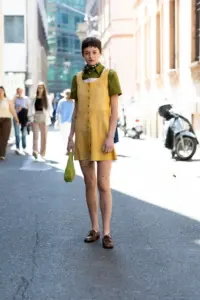
While traditional black and high-contrast white continue to dominate market share—appealing to the purveyors of pure minimalism—designers have expanded the chromatic horizon for autumn. Rich iterations in deep dark brown, oxblood, and bold statement red are capturing the attention of trendsetters. These autumnal hues allow wearers to curate cohesive, preppy-inspired collegiate looks or anchor monochrome minimalist outfits with a subtle pop of textural warmth.
Official Statements & Industry Perspectives
Industry leaders, designers, and cultural commentators have increasingly vocalized their appreciation for the derby’s unique positioning in the modern wardrobe.
While specific design houses have kept their upcoming capsule strategies under wraps, leading footwear buyers from major department stores have noted a definitive pivot in consumer purchasing behavior. According to senior accessories buyers in major fashion hubs, shoppers are actively moving away from overly ornate or disposable footwear trends in favor of heritage silhouettes updated with modern comfort technologies.
"The modern consumer is no longer willing to compromise physical comfort for the sake of a sharp silhouette," notes a prominent European footwear historian and trend forecaster. "The derby shoe represents the ultimate compromise. It carries the weight of sartorial history—echoing the effortless cool of Gainsbourg—while incorporating the soft, flexible construction demanded by today’s hyper-mobile lifestyle."
This sentiment is further echoed by celebrity styling choices that frequently make headlines. The influence of high-profile figures integrating derbies into travel and everyday attire cannot be overstated. When actors and style arbiters like Emma Corrin are photographed navigating bustling international airports—such as Corrin’s transit look en route to the 2026 Venice Film Festival—wearing meticulously styled derbies paired with relaxed outerwear, the message to the consumer is clear: this is the footwear of choice for the modern intellectual wanderer.
Future Outlook: The Longevity of a Classic Silhouette
As the fashion industry looks beyond the current autumn/winter season and anticipates the cycles of the coming year, analysts are evaluating whether the derby shoe is a fleeting seasonal fixation or a long-term fixture in the contemporary wardrobe.
All indicators suggest the latter. Unlike hyper-specific trend pieces that burn brightly and fade rapidly into obsolescence, the derby is anchored in utility, comfort, and timeless design. Its DNA is built on versatility—qualities that become increasingly valuable to consumers navigating unpredictable economic and climatic landscapes.
Integration into Trans-Seasonal Dressing
Looking forward, designers are already experimenting with transitional materials for upcoming resort and spring presentations. Expect to see unlined suede derbies, perforated leather variations, and hybrid sole constructions that push the boundaries of weightlessness. This adaptability ensures that the silhouette will not be confined to cold-weather months, but will instead maintain a continuous presence across multiple seasons.
The Sustainable Appeal of Heritage Footwear
Furthermore, the current consumer obsession with "buy better, buy less" plays directly into the hands of traditional footwear craftsmanship. Because a quality leather derby can be resoled, conditioned, and cherished for decades, it represents a sustainable alternative to trend-driven synthetic footwear. As sustainability metrics become a primary consideration for shoppers, durable leather goods that improve with age will continue to outpace disposable alternatives.
In conclusion, the derby shoe has successfully shaken off any lingering perceptions of stiffness or academic formality. Through a masterclass in modern reinvention—balancing the heritage of mid-century style icons with the ergonomic demands of twenty-first-century life—it has emerged as the definitive footwear essential of the season. Whether worn to the office, on a transatlantic flight, or through the cobblestone streets of a metropolitan weekend, the derby shoe proves that true style is found where timeless elegance meets uncompromising comfort.