Executive Overview
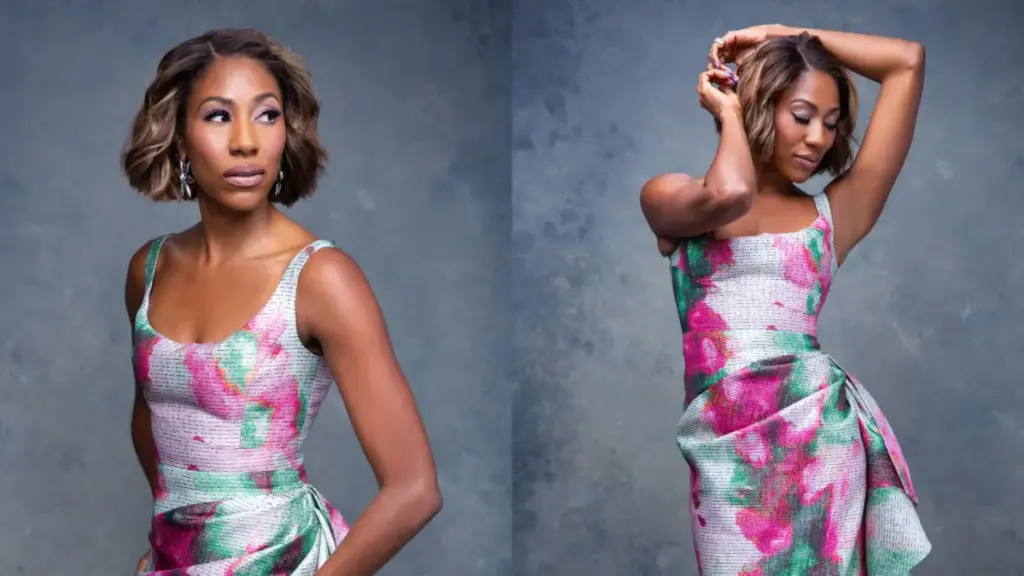
In the fast-paced, high-stakes landscape of modern prestige television, few creators carry the sheer weight of production quite like Diarra Kilpatrick. As the creative force, writer, executive producer, and magnetic lead star of Paramount+’s critically acclaimed mystery-comedy Diarra From Detroit, Kilpatrick operates in a rare echelon of multi-hyphenate talent. While Season 2 has pushed narrative boundaries, heightened the emotional stakes, and injected a searing, fiery energy into the show’s Detroit backdrop, Kilpatrick has simultaneously had to navigate the grueling physical and mental demands of driving a television production forward.
This deep-dive profile explores the intersection of Kilpatrick’s rigorous creative regimen and her personal philosophy on self-care, beauty, and on-screen character development. Balancing the exhaustive demands of showrunning with the rigorous exposure of being the face in front of the camera requires a delicate alchemy of discipline, targeted beauty rituals, and mentorship from industry legends like Phylicia Rashad. As Kilpatrick reveals, the journey of bringing Diarra From Detroit to life is as much about physical endurance and emotional resilience as it is about sharp comedic timing and intricate plotting.
Detailed Chronology: From Concept to Production and the Evolution of Season 2
The Genesis of a Multi-Hyphenate Visionary
The path to Diarra From Detroit becoming a cornerstone of Paramount+’s comedy-mystery slate was forged through years of creative cultivation. When Kilpatrick first conceptualized the series, she envisioned a project that would shatter traditional genre boundaries—blending the dark, atmospheric tension of classic film noir with the biting, colloquial humor intrinsic to her hometown of Detroit.
Unlike creators who hand off their scripts to an external showrunner, Kilpatrick chose to retain absolute creative control. This decision meant she was not only breaking story in the writers’ room but also blocking scenes, managing budgets, and stepping directly onto the soundstage as the titular protagonist. The chronology of producing a television season of this caliber demands an intense, year-round cycle. Pre-production requires months of aesthetic alignment with costume designers, directors, and heads of department. Production phases bring 14-to-16-hour days characterized by constant context-switching. Finally, post-production bridges the gap into release, where the relentless cycle of press and promotional obligations begins anew.
The Shift to Summer: Engineering Season 2’s Visual Identity
When Season 2 greenlit production, Kilpatrick and her creative team faced an immediate artistic mandate: the energy had to shift. While Season 1 dealt with the initial shockwaves of the narrative’s central mystery and personal uprooting, Season 2 required an atmospheric evolution.
Set deliberately against the backdrop of a sweltering Detroit summer, the season’s tone immediately influenced every facet of on-screen styling. Kilpatrick recognized that summer is inherently visceral—defined by heat, sweat, and fiery encounters. To translate this to the screen, she collaborated closely with her makeup department to ensure the entire cast maintained a dewy, luminous finish, allowing audiences to literally perceive the summer humidity radiating off the characters’ skin.
Concurrently, Kilpatrick’s character arc dictated a profound visual metamorphosis. Emerging from the literal and emotional chill of winter—and the lingering heaviness of her character’s divorce—Diarra’s physical styling was engineered to reflect personal liberation. The hair and makeup teams introduced warmer tones, sun-kissed highlights, and vibrant hues to visually capture a newly awakened chapter in the character’s life. This meticulous attention to detail proves that for Kilpatrick, wardrobe, hair, and makeup are not mere surface-level adornments; they are narrative extensions of character growth.
Supporting Context & Metrics: The Anatomy of a Creator’s Beauty and Wellness Protocol
Maintaining equilibrium across grueling production cycles demands an unyielding commitment to personal wellness. For Kilpatrick, the boundary between professional endurance and personal self-care is razor-thin. Below is a detailed breakdown of the rituals, products, and temporal investments that sustain her through a demanding production schedule.
The Nightly Decompression Protocol
When clocking 70-plus-hour workweeks divided between the writers’ room and the director’s monitor, traditional sleep hygiene often collapses. Kilpatrick, however, enforces strict non-negotiable boundaries to protect her physical recovery:
- Epsom Salt Hydrotherapy: Kilpatrick identifies nightly baths infused with Epsom salts as her primary physiological reset button. Describing it colloquially as her "Zoloft," the magnesium-rich soak alleviates muscle tension accumulated from long hours on set and prepares the nervous system for restorative sleep.
- The Zero-Compromise Skincare Rule: Regardless of the hour or the exhaustion level, Kilpatrick maintains a strict policy against sleeping in makeup. Skin cleansing and targeted hydration are executed nightly without exception.
- Cognitive Offloading via Meditation: To quiet a mind racing with script revisions, budget approvals, and blocking notes, Kilpatrick dedicates at least 15 minutes every night to guided or silent meditation before drifting off.
Targeted Skincare Arsenal and Preparation
Balancing combination skin while under the dehydrating conditions of studio lighting and long-haul flights requires an intentional product lineup:
- Hydration Anchors: To combat skin dehydration, Kilpatrick relies heavily on daily cucumber sheet masks applied prior to morning makeup application.
- Essential Essences: The Kombucha Essence from Dr. Ceuracle ($25) serves as a daily staple for restoring skin barrier health and imparting a healthy, camera-ready bounce.
- Strategic Fitness Investment: Recognizing that in-season workouts are often casualties of time constraints, Kilpatrick employs a pre-production loading strategy. She maximizes high-intensity physical conditioning before principal photography begins, trusting her cellular memory to sustain her physical resilience once the cameras roll.
Official Insights & Mentorship: Wisdom from Phylicia Rashad
Working alongside entertainment royalty introduces unique opportunities for professional and personal growth. For Kilpatrick, sharing space on set with the legendary Phylicia Rashad offered an unexpected masterclass in ageless beauty and skin maintenance.
In an on-set conversation regarding Rashad’s famously flawless, buttery complexion, Kilpatrick sought out the icon’s foundational skincare secrets. Rashad’s recommendation was both traditional and potent: applying castor oil directly to the skin.
However, translating iconic beauty advice across different skin types requires customization. Because Kilpatrick contends with combination skin that is prone to congestion when exposed to heavy occlusives all over the face, she playfully noted the impossibility of adopting the routine carte blanche. Adapting the advice with professional pragmatism, Rashad suggested applying the castor oil to the neck instead—a localized hydration hack that Kilpatrick has integrated into her evolving wellness curriculum. This exchange highlights the collaborative, multigenerational mentorship network that quietly sustains women of color navigating the rigorous demands of the television industry.
Future Outlook: The Intersection of Showrunner Mode and Actor Mode
As Diarra From Detroit continues to captivate audiences and solidify its standing as a crown jewel in Paramount+’s comedy-mystery portfolio, Kilpatrick’s dual trajectory points toward an expanding empire of creator-led content.
The division of labor between "showrunner mode" and "actor mode" has fundamentally reshaped Kilpatrick’s relationship with her personal aesthetic. While stepping in front of the camera demands adherence to strict continuity and a camera-ready finish, operating behind the scenes as a showrunner grants her a newfound sense of sartorial liberation. Whether she is commanding a writers’ room in tailored trousers and a bold, authoritative lipstick shade or slipping into pumps to anchor her presence with an edgy, commanding posture, Kilpatrick uses fashion and beauty as functional tools of leadership.
Looking forward, the success of Diarra From Detroit signals a broader industry shift toward authentic, singular creator voices who refuse to compartmentalize their identities. By anchoring her ambitious professional trajectory in uncompromising self-care rituals, rigorous physical discipline, and deep-seated artistic intentionality, Diarra Kilpatrick is not simply executing a successful sophomore television season—she is establishing a sustainable blueprint for modern multi-hyphenate stardom.