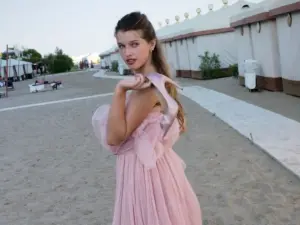

Anna Sui’s enduring legacy in New York fashion reads as a masterclass in independent vision, cultural synthesis, and downtown authenticity. Rising from the raw, kinetic energy of the late-20th-century underground art and music scenes—where she forged formative bonds with image-makers like Steven Meisel and cemented her cultural footprint when Madonna famously wore her designs to a Jean Paul Gaultier show—Sui has spent decades defying the capricious cycles of the luxury market. Rather than chasing fleeting commercial trends, she has continuously refined a distinct, highly recognizable aesthetic universe that marries rock-and-roll grit with whimsical, historical romance.
Ahead of the runway debut of her highly anticipated Wonderment collection, PAPER secured an exclusive, behind-the-scenes preview inside Sui’s New York studio, photographed by Saint Vazquez. This latest offering looks back to move forward, blending a meticulously curated analog research process with cutting-edge textile innovation. Anchored by unexpected historical references, tactile richness, and an intentional rejection of homogenized digital styling, the collection proves that true style is profoundly cyclical, yet entirely timeless. From reviving a legendary 1990s Swarovski-embellished piece once worn by Kate Moss to introducing new techniques in iridescence and mother-of-pearl embellishments, Wonderment captures the zeitgeist of modern dressing: effortless, deeply textured, and effortlessly cool.
Detailed Chronology
The Genesis of Wonderment: From a 1970s Vogue Page to the Studio
The creative lifecycle of an Anna Sui collection always begins with deep, immersive research, often sparked by a moment of serendipitous discovery. For Wonderment, the journey commenced not with a mood board of contemporary street style, but with an archival leafing through a 1970s edition of Vogue.
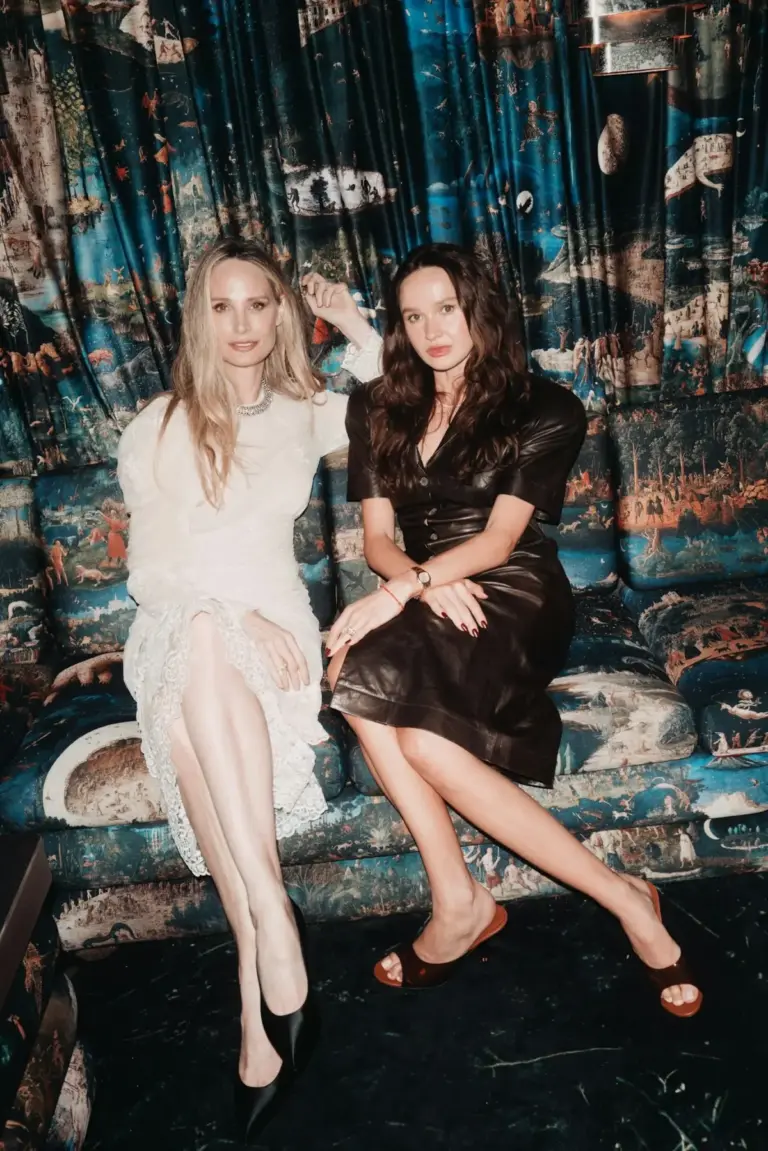
Initially searching for a specific hairstyle reference discussed with legendary hair stylist Ara Gallant, Sui’s eye caught an editorial featuring socialite Justine Cushing at her home in Newport, Rhode Island. Intrigued by the enigmatic paintings visible in the background, Sui dug deeper across subsequent pages until she uncovered a series of fairytale-inspired murals covering the domestic walls. These works were traced back to Cushing’s uncle, Howard Gardiner Cushing—an American artist painting during the eras of James McNeill Whistler and John Singer Sargent whose works had recently been celebrated in a major Newport retrospective.
"I was actually looking through an old ’70s Vogue for a hairstyle that Ara Gallant and I had been talking about… I saw this image of Justine Cushing in Newport, and I remember thinking, What the hell is on her walls? You couldn’t really see the paintings clearly. I kept flipping through the issue and eventually found more photographs of her house. It seemed fairly conservative, but then she had all these incredible fairytale paintings covering the walls."
This visual rabbit hole immediately dictated the emotional and aesthetic trajectory of the collection. It also reinforced Sui’s critique of contemporary visual consumption. In an era dominated by relentless digital feeds and algorithmic scrolling, Sui champions the slow, deliberate hunt for inspiration that leaves a lasting psychological imprint.
Translating Art into Apparel: Color, Mother-of-Pearl, and the Analog Revival
Once the fairytale motif was established, it systematically dictated the collection’s color narrative and material composition. Inspired by the luminescent qualities found in the artwork and a stunning lacquer piece with mother-of-pearl inlay housed at Paris’s Musée des Arts Décoratifs, Sui and her team focused heavily on iridescence.
Collaborating with longtime partner Karen Erickson of Showroom Seven, the studio developed an array of statement jewelry, headpieces, and custom hardware utilizing abalone and mother-of-pearl. This pearlescent sheen extended directly into the apparel, giving birth to what the studio calls "Moonlight Roses"—a hybrid textile combining printing, embroidery, and sequencing to catch the light dynamically.
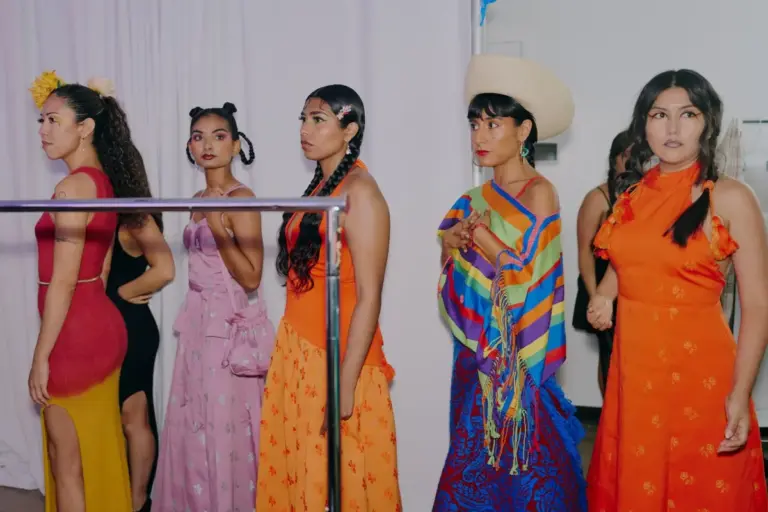
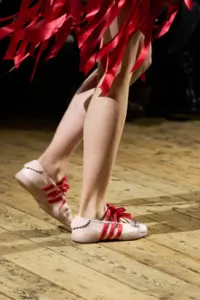
Footwear similarly received an artisanal, romantic overhaul. Partnering once more with footwear visionary John Fluevog, Sui conceptualized boudoir-inspired slippers constructed from vintage upholstery and pillow fabrics, accented by intricate, hand-crafted old-fashioned rosettes. The color story—anchored by orchid, denim blue, rich browns, crisp whites, and deep blacks—creates a unified palette that translates historical archival research into a thoroughly modern wardrobe.
Supporting Context & Metrics
The Mechanics of Modern Craftsmanship
While Wonderment looks back to analog traditions and historical fine art, its production leverages contemporary textile engineering. In previous decades, achieving multi-dimensional fabric surfaces required painstaking layers of post-production hand embroidery. For this collection, technological advancements allowed digital printing and multi-media embroidery to be synthesized directly into the fabric’s development phase.
The resulting garment roster features an unprecedented density of texture:
- Textiles & Techniques: Crinkle chiffon trimmed with rock-crystal, shimmering stretch denim, crochet knits, hand-dyed ribbons, and point d’esprit lace.
- Surface Embellishments: Rose-quartz paillettes, iridescent cabochon stones on denim, and specialized "Fairytale Embroidery."
- The Archive Revival: A direct nod to the 1990s golden era of supermodels, featuring a collaborative recreation with Swarovski of the iconic black dress covered in star-shaped stone embellishments originally worn by Kate Moss.
- Accessory Ecosystem: Custom-made floral scrunchies featuring tulips and calla lilies, Art Nouveau-inspired rhinestone and pearl eyewear, and hand-knit bags.
Styling Philosophy: Witchy, 70s, and Grunge
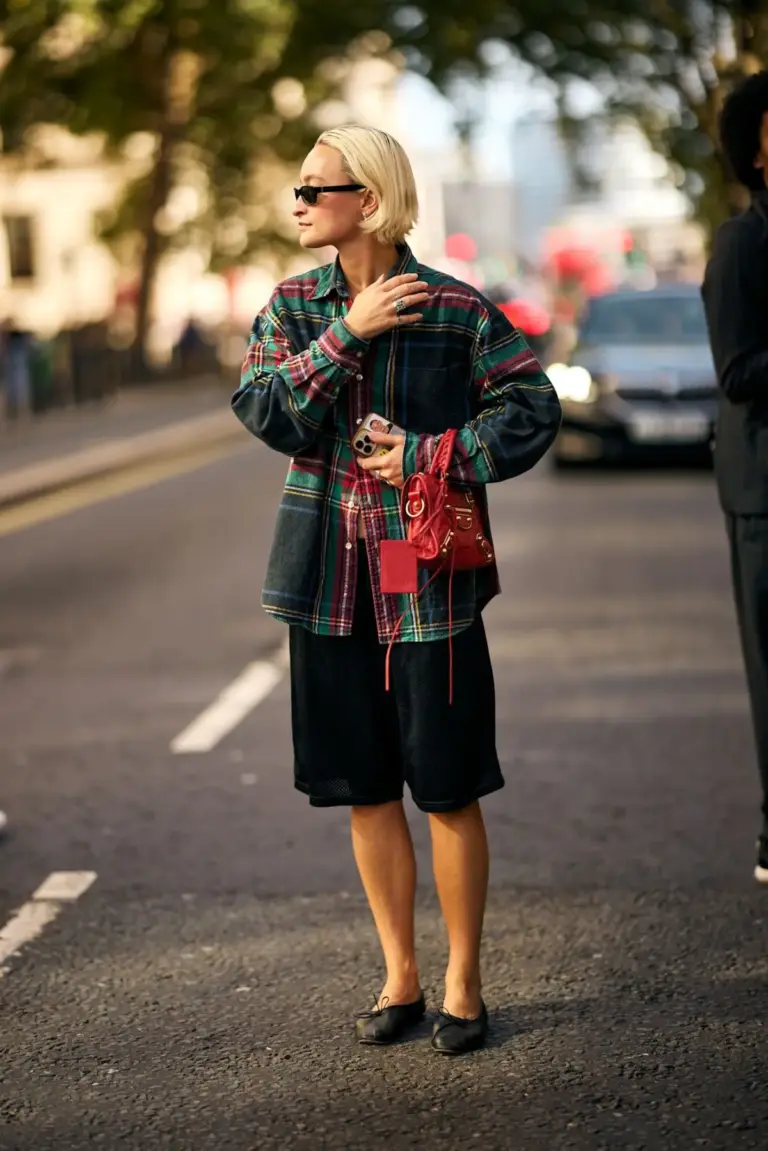
Stylistically, Wonderment thrives on intentional juxtaposition. Rather than presenting pristine, monolithic looks, Sui embraces a casual, lived-in energy. A structured satin-striped dress might be paired with a plaid shirt tied casually around the waist and layered over a sheer lace T-shirt. Lattice embroidery is superimposed onto fluorescent lingerie so that neon brights peek provocatively through sheer overlays.
It is an aesthetic framework that feels simultaneously witchy, bohemian, and resolutely grunge, yet elevated by floaty silhouettes and luminous fabrics. The Anna Sui protagonist of Wonderment is impeccably dressed yet unbothered—embodying an effortless fusion of high-craft romance and underground nonchalance.
Official Statements
Reflecting on the industry’s evolution, the interplay between vintage curation and modern design, and her ongoing global footprint, Anna Sui shared candid insights during her studio walkthrough with PAPER:
- On the Power of Discovery: "I love finding something you’ve never seen before or even heard about—something that takes you down this rabbit hole of discovery, research and inspiration… I hope younger generations can find that feeling again because it’s so important to have inspiration and dreams—to have that moment when something changes you and brings you somewhere else."
- On the Desire for the Analog: "People are getting tired of everything being digital. There’s something about going back to making things manually, being creative in a different way and actually letting the inspiration go through you instead of just consuming it."
- On Commercial Relevance and Personal Desire: "I think this is how people want to dress right now. It’s how people are dressing and how they’re buying vintage to create these kinds of looks. It’s what I’m wanting too. You could probably create this entire look using vintage clothes, but here we get to develop our own color combinations so everything works together and feels connected."
Future Outlook
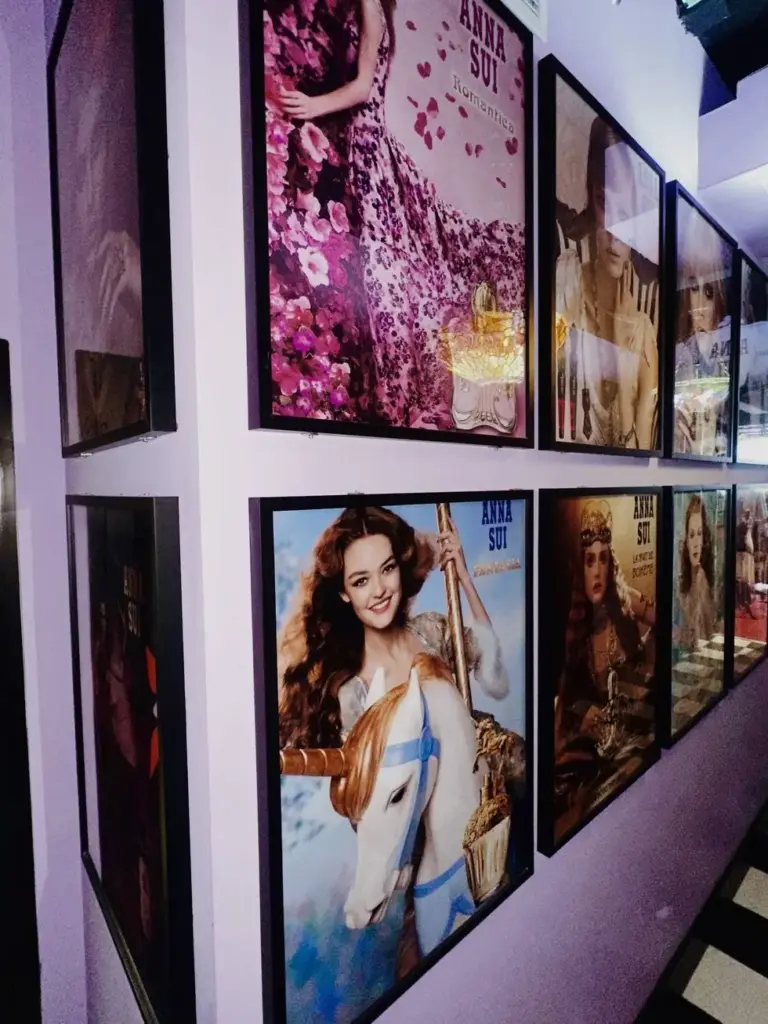
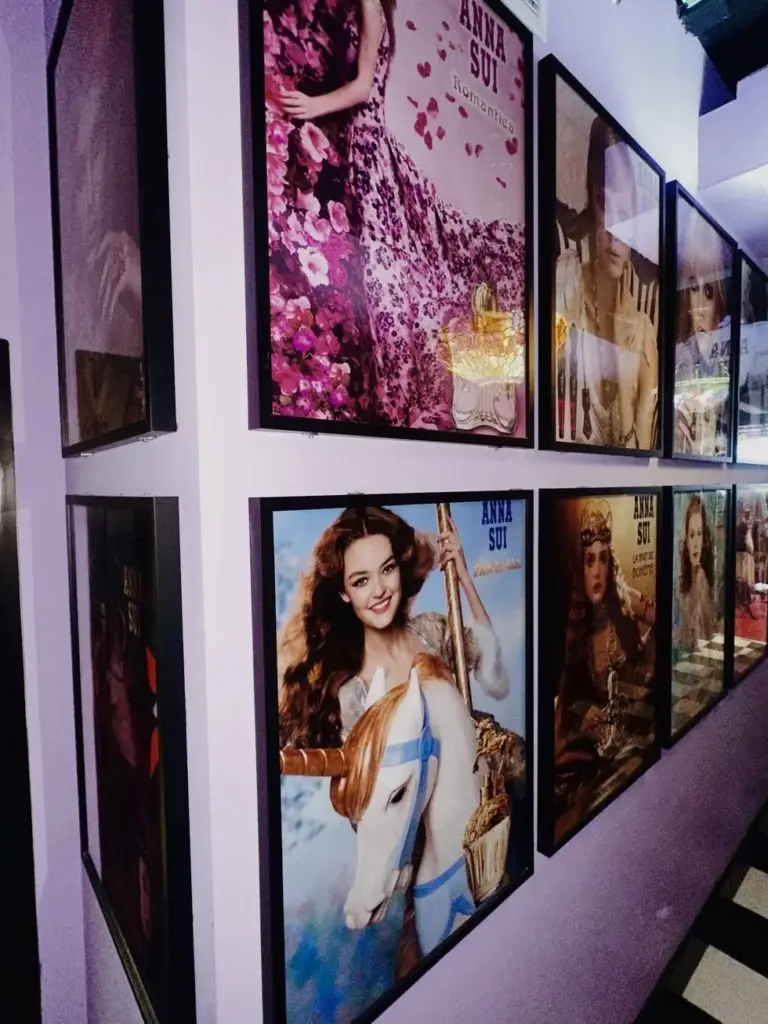
As Anna Sui prepares to unveil Wonderment to the global fashion community, her momentum extends far beyond the runway. The designer’s cultural impact is set to be celebrated in her home state with the upcoming regional opening of her comprehensive museum retrospective, The World of Anna Sui, which debuts at Cranbrook in Michigan on October 17.
Having previously traveled through major cultural capitals including London, Tokyo, Shanghai, and various US cities, the exhibition’s homecoming marks a full-circle moment for a designer whose roots in the American midwest laid the psychological groundwork for a legendary career in New York City.
By bridging her foundational downtown ethos with fresh explorations of Art Nouveau fairytales, archival revivals, and sustainable analog craftsmanship, Sui continues to dictate the terms of her own longevity. Wonderment is not merely a seasonal collection; it is a vital reminder of why Anna Sui remains an irreplaceable pillar of independent American design—proving that when curiosity guides creation, fashion transcends trend cycles to become pure magic.