Executive Overview
For millions of health-conscious consumers, the daily supplement routine is an act of unwavering faith. From multivitamins and targeted botanical extracts to advanced marine collagens and specialized antioxidants, swallowing a handful of pills has become a foundational pillar of modern self-care. Yet, this multi-billion-dollar habit rests on a conspicuous blind spot: the inability to objectively verify whether these regimens are actually working. Beyond annual blood panels or vague subjective feelings of vitality, consumers have historically had no accessible, real-time mechanism to measure the biological efficacy of their wellness investments.
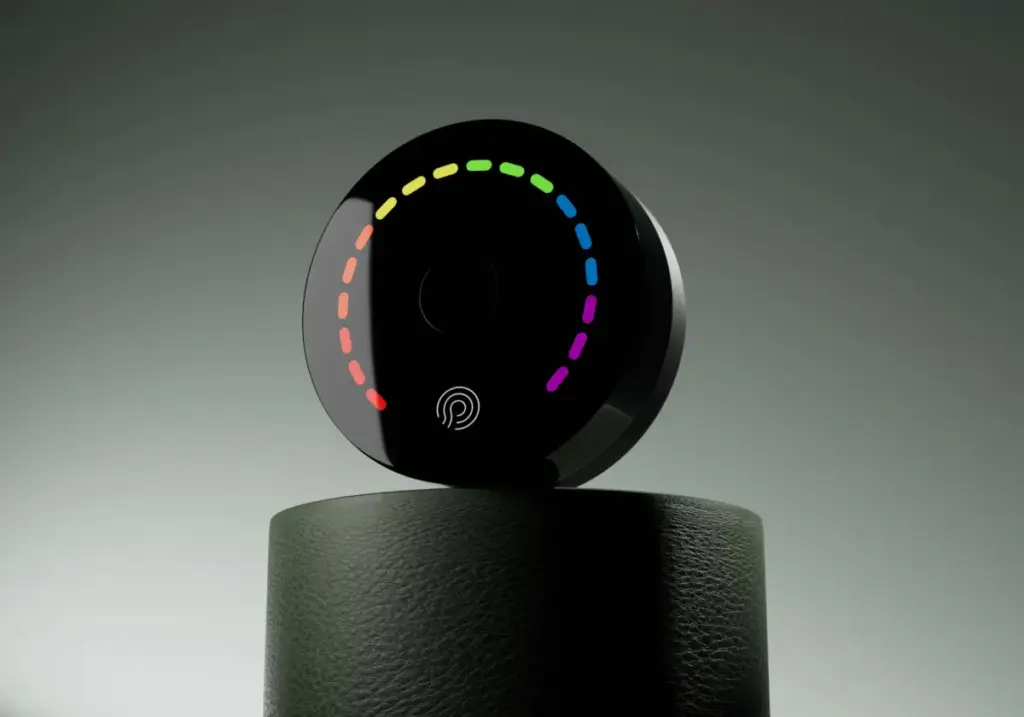
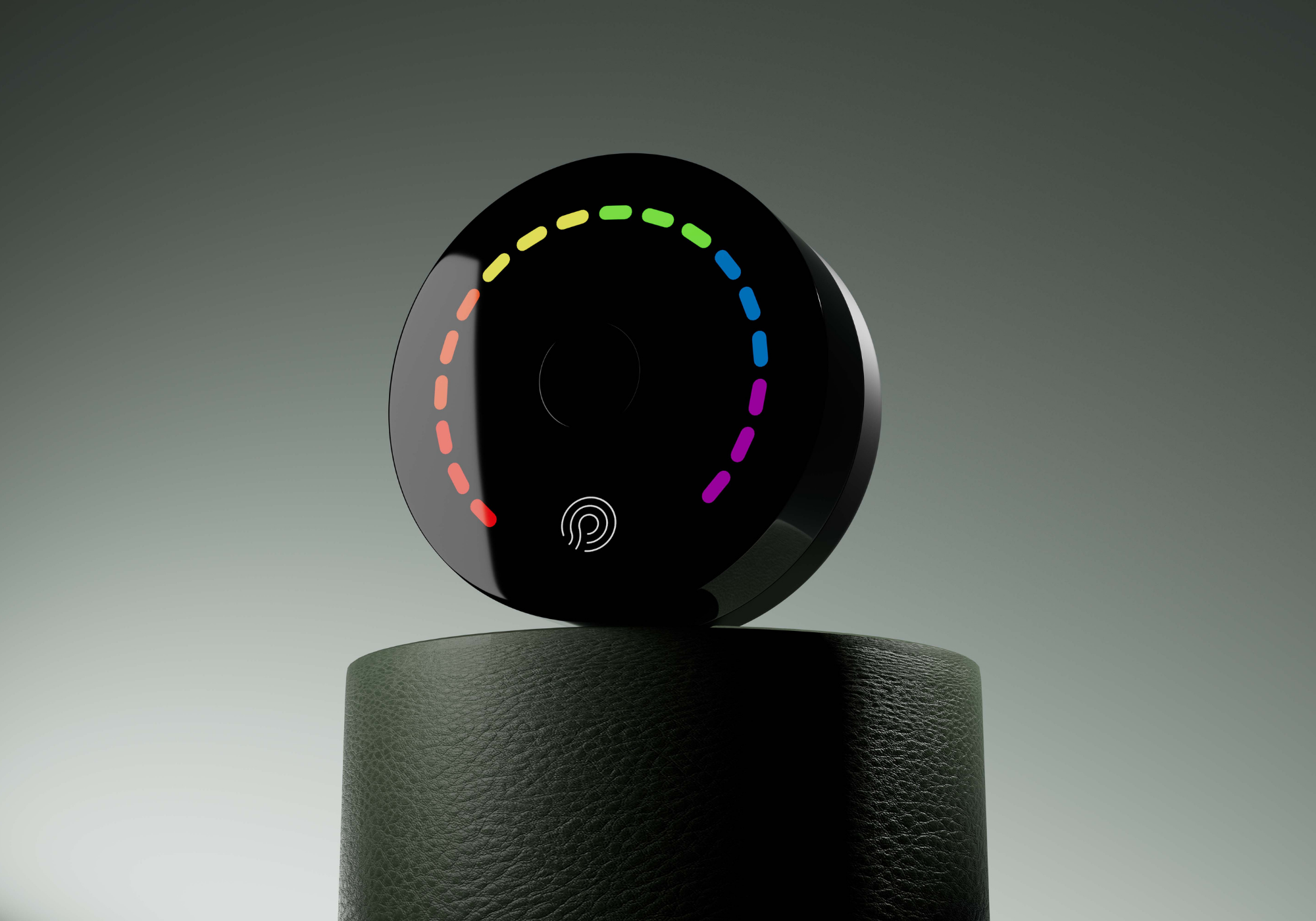
Enter the Prysm iO, a $375 consumer-facing wellness device developed by Rhyz and launched by Nu Skin that promises to bridge this critical gap. Functioning as a minimalist, handheld disc, the device utilizes advanced optical technology to measure skin carotenoid antioxidants via a simple, 15-second fingertip scan. By transforming invisible biochemical metrics into an actionable, color-coded "Prysm Score," the device introduces a new paradigm of quantified nutrition.
This comprehensive review explores the engineering, scientific validation, dermatological implications, and consumer application of the Prysm iO, evaluating whether it truly represents one of the most significant wellness tech launches of the year.
Detailed Chronology: From Lab-Grade Diagnostics to the Living Room
To understand the innovation behind the Prysm iO, it is necessary to examine the historical trajectory of antioxidant measurement in clinical and aesthetic medicine.
The Evolution of Skin Carotenoid Detection
For decades, quantifying antioxidant levels—specifically carotenoids, which serve as primary biomarkers for overall antioxidant defense and systemic health—was strictly the domain of institutional research laboratories. Techniques such as High-Performance Liquid Chromatography (HPLC) and Resonance Raman Spectroscopy required bulky, prohibitively expensive machinery, specialized operators, and clinical environments. These tests were generally reserved for academic studies investigating the links between diet, oxidative stress, and chronic disease.
Over the past decade, wellness innovators recognized that translating these complex diagnostics into consumer-accessible formats could revolutionize preventative health. Early iterations of skin scanners began appearing in specialized clinical settings and direct-to-consumer brand ecosystems, but they were often limited by size, high costs, and a lack of seamless digital integration.
The Birth of Prysm iO
The development of the Prysm iO represents the culmination of years of research and engineering by Rhyz and Nu Skin to miniaturize lab-grade spectroscopic technology. By stripping away extraneous hardware and focusing on a sleek, minimalist disc interface, the companies sought to create a device that could sit comfortably on a bathroom vanity alongside skincare serums and supplement organizers.
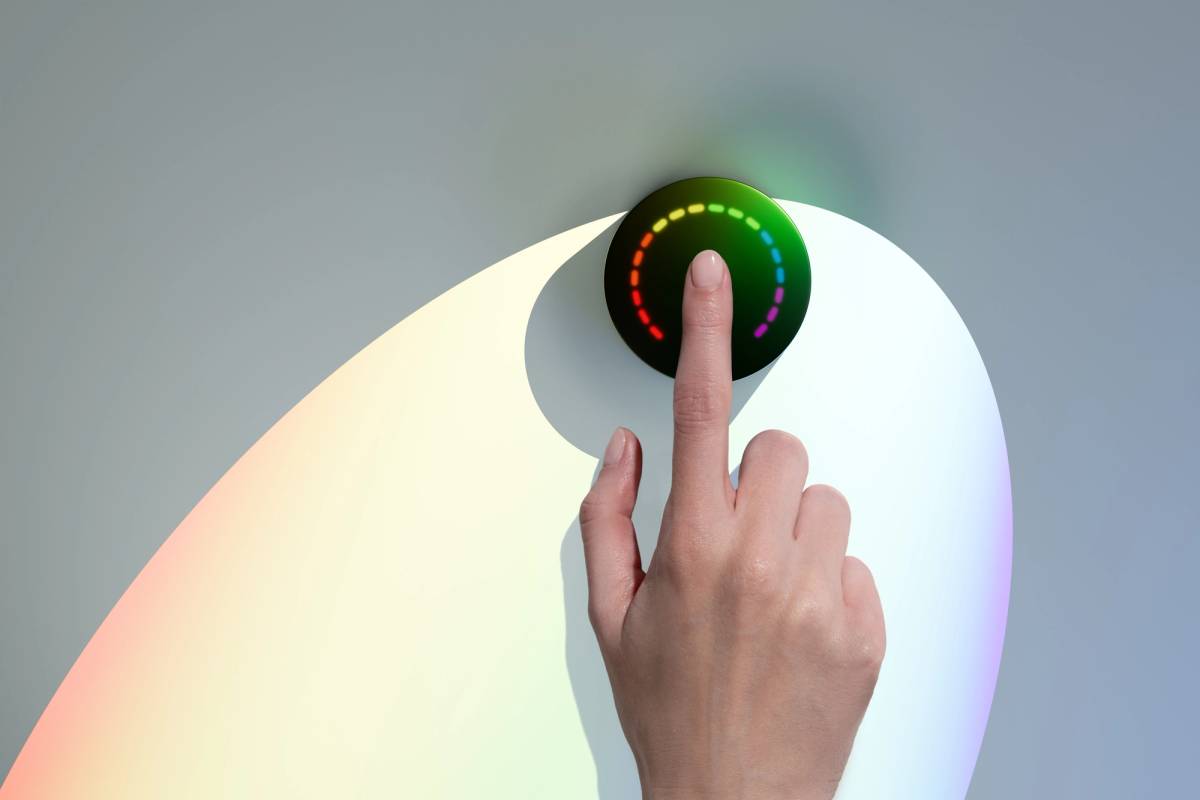
Upon unboxing, the user experience is designed for frictionless onboarding. The device pairs with a dedicated companion app via Bluetooth. A user simply rests their fingertip over the optical lens, where an array of LED lights performs a rapid, non-invasive scan. Within 15 seconds, the device completes over 100,000 individual light measurements, processes the data through artificial intelligence algorithms, and delivers an immediate score directly to the user’s smartphone.
Supporting Context & Metrics: The Science of Spectral Rai and Carotenoid Tracking
At the core of the Prysm iO’s functionality is a proprietary, patent-pending technology known as Spectral Rai.
How Spectral Rai Works
Spectral Rai relies on optical non-invasive detection methods to evaluate the concentration of carotenoids in the skin. Carotenoids are organic pigments found abundantly in colorful fruits and vegetables (such as carrots, tomatoes, spinach, and bell peppers) that accumulate in human tissue and act as potent antioxidants, neutralizing free radicals and mitigating oxidative stress. Because the body cannot synthesize carotenoids independently, skin levels directly reflect dietary intake, lifestyle habits, and supplement absorption.
When a fingertip is placed on the Prysm iO lens, the device emits specific wavelengths of light. As the light interacts with the tissue, the carotenoids absorb specific light signatures. The device’s internal sensors capture these optical interactions, gathering more than 100,000 data points per scan. Artificial intelligence models then synthesize this vast data stream into a single, intuitive metric: the Prysm Score.
Clinical Validation and Independent Studies
A wellness device is only as reliable as the science underpinning its measurements. To validate the accuracy and clinical relevance of the Prysm iO, Nu Skin subjected the technology to rigorous testing across multiple international research facilities.
- Dermatological Correlation: Prominent researchers, including High Point, North Carolina-based dermatologist Zoe Draelos, MD, have conducted independent evaluations of the technology. Dr. Draelos’s lab studies compared Prysm iO readings directly against participants’ blood carotenoid levels. The findings revealed a strong, consistent, and statistically significant correlation between the skin scores generated by the device and circulating blood biomarkers, confirming that a fingertip scan serves as a reliable proxy for internal antioxidant status.
- Placebo-Controlled Trials: Nu Skin’s own internal clinical data further substantiates the device’s sensitivity to lifestyle and dietary interventions. In a 12-week placebo-controlled trial utilizing an earlier iteration of the measurement technology, participants who introduced a standardized multivitamin regimen experienced an average increase in their scores of 46 percent.
- Supplement Certification: To close the loop between measurement and intervention, Nu Skin has established clinical verification protocols for specific proprietary formulations—such as LifePak and Beauty Focus Collagen+—demonstrating that targeted supplementation measurably moves the needle on the user’s score over time.
Official Statements & Expert Perspectives
The launch of the Prysm iO has sparked significant dialogue among dermatologists, nutritionists, and wellness technology experts regarding the intersection of personal accountability and biometric tracking.
Dr. Zoe Draelos, highlighting the clinical utility of non-invasive biomarker tracking, notes that bridging the gap between patient compliance and objective data has long been one of healthcare’s greatest hurdles. "For years, clinicians have urged patients to eat a rainbow of vegetables and take targeted supplements, but compliance was largely based on the honor system," notes a synthesis of clinical observations surrounding skin-based diagnostics. "Having a tool that can objectively reflect dietary and supplemental impact in real time fundamentally changes how individuals interact with their own preventative health strategies."
Industry analysts have similarly praised the device for shifting the wellness narrative away from marketing claims and toward empirical validation. In a market saturated with unverified supplements and miraculous anti-aging promises, the ability to audit one’s own cellular defense mechanisms introduces a welcome standard of empirical transparency.
Future Outlook: The Implications of Quantified Nutrition
As wearable technology and at-home diagnostics continue to converge, devices like the Prysm iO point toward a broader evolution in consumer wellness: the era of hyper-personalized nutrition.
Moving Beyond General Recommendations
Historically, nutritional guidelines have relied on broad population averages—such as the Recommended Dietary Allowance (RDA)—which fail to account for individual metabolic differences, gut absorption efficiency, lifestyle stressors, and environmental exposures. Two people can consume identical diets and take the exact same vitamins, yet experience vastly different internal absorption rates due to genetics, digestion, and daily habits.
By providing continuous feedback loops, tools like the Prysm iO empower consumers to transition from generalized wellness guidelines to bespoke, data-driven routines. If a user’s score stagnates despite a high-end supplement regimen, the companion app’s algorithmic insights prompt actionable adjustments—whether that involves increasing dietary intake of antioxidant-rich whole foods, optimizing sleep hygiene, managing chronic stress, or switching to clinically validated supplement formulations.
The Road Ahead for At-Home Diagnostics
Looking forward, the success of the Prysm iO is likely to accelerate competition within the at-home biometric space. As consumers grow increasingly comfortable monitoring parameters like sleep architecture, heart rate variability, blood glucose, and now skin carotenoids, the demand for holistic, integrated health dashboards will only intensify.
However, developers face ongoing challenges, including managing consumer expectations regarding biological timelines. As the data shows, systemic antioxidant changes do not happen overnight; meaningful shifts require weeks of consistent behavioral and nutritional commitment. Educating consumers to use these devices as long-term trend trackers rather than immediate scorecards will be critical to their sustained adoption.
The Bottom Line
For the dedicated wellness enthusiast whose supplement regimen is as non-negotiable as morning coffee, the Prysm iO offers a sophisticated solution to a timeless dilemma. By distilling complex optical spectroscopy and artificial intelligence into a sleek, 15-second fingertip scan, Nu Skin has transformed an abstract routine into a measurable science.
At $375, the device represents a substantial investment—one aimed squarely at the subset of consumers who demand verifiable data from their self-care routines. Yet, for those tired of taking their daily vitamins on blind faith, the Prysm iO provides a long-overdue answer to the ultimate question: Is any of this actually working? Now, the answer is truly at your fingertips.