Executive Overview
There was a time when traversing the globe called for uncompromising formality—an era defined by pillbox hats, immaculate tweed coats, and pristine leather luggage, albeit tragically accompanied by cigarette smoke-filled cabins that remind us to take our wins where we can. Today, the reality of dressing for a modern flight, whether embarking on a quick regional hop or enduring a grueling fifteen-hour intercontinental voyage, has too often devolved into an exercise in uninspiring utilitarianism.
We have entered an era where comfort is frequently conflated with negligence, leaving travelers stranded in a purgatory of worn-out sweatpants and ill-considered athleisure. However, a cultural pivot is underway. As discerning travelers curate their vacation wardrobes, a parallel shift is redefining the journey itself. Picking out an ensemble designed to make you feel fundamentally put-together transforms long travel days from a logistical chore into an anticipated ritual. By pairing intelligent tailoring with the right luxury knitwear, modern jet-setters are proving that comfort and high style are no longer mutually exclusive.
This comprehensive report examines the structural evolution of travel fashion, offering an authoritative breakdown of seasonal essentials, logistical wardrobe planning, and seven distinct styling methodologies tailored to every conceivable itinerary.
Detailed Chronology: From Golden Age Formalism to Modern Athleisure
To understand where modern travel style stands today, one must trace the trajectory of how humanity has presented itself in transit over the past century.
The Mid-Century Golden Age (1950s–1960s)
In the infancy of commercial commercial flight, aviation was an exclusive, high-status luxury. Airlines treated passengers as esteemed guests, and passengers reciprocated by donning their finest Sunday best. Men wore tailored suits and fedoras; women wore structured dresses, gloves, and heels. The airport was not merely a transit hub, but a social theater. While undeniably glamorous, this era was plagued by infrastructural inefficiencies, mechanical unreliability, and environmental hazards like onboard smoking.
The Democratization and Casualization (1970s–1990s)
As commercial air travel democratized and ticket prices dropped, the stringent dress codes of the Golden Age evaporated. Comfort slowly usurped style. The introduction of synthetic fabrics, denim acceptance, and the rise of mass-market tourism shifted the aesthetic focus from architectural tailoring to ease of movement. By the late 1990s, tracksuits and oversized denim had become acceptable transit uniforms.
The Athleisure Hegemony (2000s–Present)
The turn of the millennium, accelerated by the rise of digital nomadism, smartphone culture, and post-pandemic lifestyle realignments, cemented athleisure as the default global uniform. Yoga pants, hoodies, and slip-on sneakers colonized airport terminals worldwide. Yet, as the pendulum swings back toward intentional living and quiet luxury, travelers are rejecting the sloppiness of pure loungewear in favor of elevated essentials—garments that offer the tactile comfort of pajamas with the architectural integrity of real ready-to-wear.
Supporting Context & Metrics: The Anatomy of a Travel Capsule Wardrobe
Building a successful travel wardrobe requires balancing three critical variables: space optimization, climatic adaptability, and multi-functionality.
The Carry-On Philosophy
With checked baggage fees rising and lost luggage rates remaining a persistent headache for frequent flyers, the compact carry-on has become the ultimate status symbol of the efficient traveler. Opting exclusively for a roller like the Carl Friedrik The Carry-On suitcase ($695) demands a rigorous capsule approach. Every piece must pull double duty:
- Wide-Leg Pants: A pair of fluid trousers, such as the Leset Kyoto cotton wide-leg pants ($280) or Almina Concept wool pull-on pants ($189), serves as a comfortable, breathable base for a long flight while easily transitioning to an outdoor apéritif when paired with a refined tank top or crisp tee.
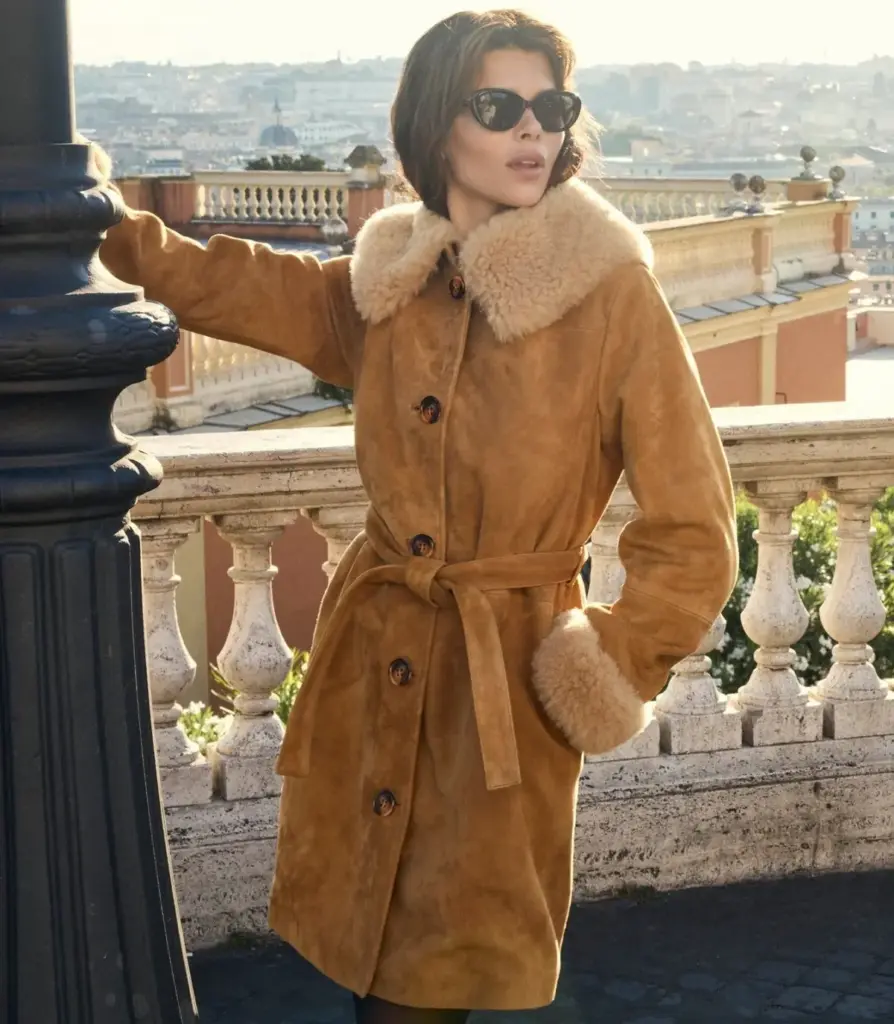
- Bulky Outerwear Strategy: To preserve precious internal suitcase real estate, travelers should always wear their heaviest pieces—such as a transitional trench coat or a fall-ready suede jacket like the D’en Yenza coat ($1,298)—directly onto the aircraft.
Footwear in Transit
The modern travel shoe must bridge two conflicting demands: it must be easily removable for rigorous airport security checkpoints, yet supportive enough for walking miles through cobblestone railway stations or terminal concourses upon arrival. Premium iterations—such as the Dries Van Noten leather-trimmed suede sneakers ($630) or the impeccably crafted Prada Shuffle antiqued leather loafers ($1,170)—provide the structural support of walking shoes with the polished aesthetic of designer footwear.
Seven Essential Travel Outfits for Every Itinerary
Whether you are navigating a bustling European capital, embarking on a rugged wilderness retreat, or surviving a multi-leg red-eye, specialized itineraries demand specialized wardrobes.
1. The City Slicker
- Best For: A week exploring a glittering, high-energy metropolis.
- Key Strategy: Rely on a pared-back uniform of black basics that seamlessly integrate into a travel capsule wardrobe. Rely on public transit-friendly rolling luggage and wear your primary outerwear to combat shifting terminal temperatures.
- Key Pieces: Carl Friedrik Carry-On, White and Warren cashmere travel wrap scarf ($385).
2. The Autumn Layers
- Best For: Scenic train rides and crisp weather getaways.
- Key Strategy: Lean directly into seasonal palettes and tactile fabrics. Leather boots, rich suede textures, and deep jewel tones set an immediate tone of sophistication, ensuring you are ready to explore the moment you drop your bags at the hotel.
- Key Pieces: D’en Yenza suede coat, structured leather accessories.
3. The Better-Than-PJs Look
- Best For: Bleary-eyed, early-morning check-ins and red-eye flights.
- Key Strategy: Eliminate decision fatigue by investing in high-end matching co-ords. Soft pointelle knits offer unmatched breathability and softness, banishing the synthetic stiffness of cheap loungewear.
- Key Pieces: Cou Cou Intimates pointelle baby tee ($58) and matching pointelle pants ($118), Miu Miu tortoiseshell optical glasses ($515) to shield tired eyes, and Dries Van Noten suede sneakers.
4. The Athleisure Set
- Best For: Pure, unadulterated comfort on long-haul flights.
- Key Strategy: Elevate standard athletic wear with substantial fabric weights and oversized silhouettes that don’t cling. Finish the look with a luxury sleep mask to block out harsh cabin illumination.
- Key Pieces: Nike oversized medium-weight crew-neck sweatshirt ($75), matching Nike oversized cuffed pants ($75).
5. The Road Tripper
- Best For: Hours spent behind the wheel on scenic national highways.
- Key Strategy: Prioritize non-restrictive waistbands paired with ultra-luxe natural fibers like wool and cashmere. Large totes keep your road trip essentials organized and accessible within arm’s reach.
- Key Pieces: Almina Concept wool wide-leg pull-on pants ($189), Kallmeyer Cottage canvas and leather tote bag ($695), Johnstons of Elgin ribbed cashmere-blend socks ($110).
6. The Layover-to-Lunch
- Best For: Itineraries that transition instantly from the tarmac to a sunny outdoor patio.
- Key Strategy: Choose breathable, lightweight staples that handle hours of sitting without wrinkling, paired with versatile footwear that requires zero break-in period.
- Key Pieces: Gap oversized crop T-shirt ($50), Leset Kyoto wide-leg pants ($280), slip-on loafers.
7. The Weekend Hiker
- Best For: Wilderness excursions, national park explorations, and cabin getaways.
- Key Strategy: Blend high-performance technical gear with classic Americana styling. Water-resistant outer layers protect against unpredictable alpine weather.
- Key Pieces: Burberry Newcott hooded jacket ($1,495), Beyond Yoga Space Dye high-waist midi leggings ($108), Polo Ralph Lauren chino sport cap ($55), Everlane ReNew transit backpack ($118).
Future Outlook: The Evolution of Intelligent Travel Style
As the global travel sector continues its robust post-pandemic expansion, the intersection of fashion and functionality will undoubtedly deepen. Industry analysts predict several key shifts in how we dress for transit over the coming decade:
- Smart Textiles and Thermal Regulation: The integration of phase-change materials and adaptive natural fibers (such as advanced cashmere blends and merino wool technologies) will allow travel garments to actively regulate body temperature against erratic cabin climates.
- The Death of Disposable Fast Fashion in Transit: Consumers are increasingly moving away from cheap, synthetic travel sets that pill and degrade after a single washing, favoring durable, investment-grade pieces designed to last hundreds of thousands of frequent-flyer miles.
- Seamless Multi-Use Design: Brands will increasingly engineer garments specifically for the modern mobile professional—clothing that functions seamlessly as ergonomic loungewear in-flight, activewear on a morning walk, and formal evening attire upon arrival.
Ultimately, dressing well for travel is no longer about adhering to rigid, outdated social constructs. Instead, it is an act of self-care and intentionality—a way to reclaim your dignity in transit and arrive at your destination looking, and more importantly feeling, like your absolute best self.