Executive Overview
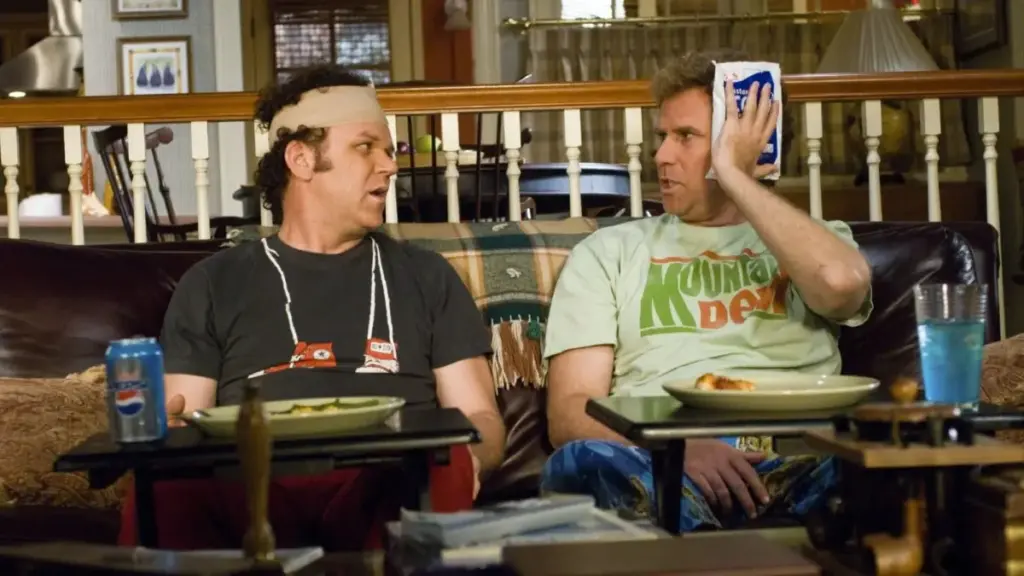
Few cinematic moments possess the immediate cultural staying power of the infamous drum-set sequence from the 2008 cult-classic comedy Step Brothers. Directed by Adam McKay and starring the powerhouse comedic duo Will Ferrell and John C. Reilly, the film chronicles the absurd, arrested-development lives of Brennan Huff and Dale Doback. Among a torrent of quotable lines, juvenile rivalries, and escalating domestic warfare, one specific image remains indelibly burned into the collective consciousness of modern comedy fans: Will Ferrell straddling a drum set, shouting out a tribute to Led Zeppelin drummer John Bonham, and deliberately pressing his bare testicles across the batter heads of Reilly’s percussion kit.
While casual viewers might write off the gag as standard-issue, low-brow cinematic shock humor, the reality behind the scenes of this memorable scene reveals an astonishing level of artistic investment, budgetary allocation, and prop-department craftsmanship. Far from being a quick, improvised sight gag utilizing low-grade theatrical latex or digital visual effects, the prop used in the scene was a meticulously engineered, hyper-realistic prosthetic scrotum that cost an astonishing $10,000 to produce in 2008—an investment that equates to more than $16,000 in today’s economy when adjusted for inflation.
This comprehensive investigative feature explores the genesis, execution, and surprising legacy of Hollywood’s most expensive practical-joke prop. Through retrospective accounts from property masters, promotional interviews, and public statements made by the film’s star, we examine how a single, five-second cinematic beat birthed a legendary conversation piece that now sits proudly in a domestic trophy case, serving as a bizarre testament to the lengths modern comedy will go to secure a laugh.
Detailed Chronology: From Script to Screen
To understand the weight—both literal and figurative—of the Step Brothers drum set sequence, one must trace the trajectory of the production during the spring and summer of 2008. Columbia Pictures and Sony Pictures Releasing were deep into the principal photography of a film designed to capitalize on the proven box-office chemistry of Ferrell and Reilly, who had previously achieved massive success together in McKay’s 2006 stock-car racing satire, Talladega Nights: The Ballad of Ricky Bobby.
The Conception of the Gag
The dynamic between Brennan and Dale is defined by a volatile mix of immediate sibling rivalry and escalating petty grievances. The musical sequence arrives during a pivotal phase of the film where the two middle-aged stepbrothers transition from mortal enemies to bonded partners in crime and creativity. Dale’s drum kit—a prized possession that he guards fiercely—becomes the battleground for their domestic dominance.
In the script, the scene called for Ferrell’s character to violate the sanctity of Dale’s musical equipment in the most visceral, disruptive way possible. However, contemporary comedy filmmaking in the late 2000s operated under strict network and studio guidelines regarding nudity, rating parameters (the film secured a hard-R rating), and actor comfort. Rather than opting for digital augmentation in post-production—which, at the time, lacked the seamless realism required for such a close-up, visceral comedic beat—the production team turned to practical special effects and prop fabrication.
The Fabrication Process
The task of creating a hyper-realistic, camera-ready prosthetic fell to the film’s specialized prop and special-effects departments, led by property master Scott Maginnis and elite Hollywood creature and makeup effects artisans. Because the camera would capture the prop in close-up, high-definition detail—smearing directly across the reflective Mylar surface of a drum head—standard party-store novelties or rudimentary silicone pouches were entirely out of the question.
The resulting prosthetic required medical-grade silicone, hand-punched hair details (if applicable), custom skin-tone layering, and specialized weighting to ensure that it moved, compressed, and reacted realistically under studio lighting and physical pressure. The final bill for the development, sculpting, casting, and finishing of the prop totaled $10,000—a remarkably high figure for a single, disposable comedic prop, reflecting the rigorous standards of high-end Hollywood production design.
Principal Photography and Execution
On the day of the shoot, the atmosphere on set was reportedly a mix of professional concentration and uproarious laughter. Ferrell, known for his commitment to unhinged physical comedy, fully embraced the absurdity of the moment. The line delivery—channeling the legendary Led Zeppelin powerhouse John Bonham performing the iconic drum solo "Moby Dick"—juxtaposed high-rock mythology with absolute suburban degradation.
According to crew members, multiple takes were captured to ensure the optimal visual impact, testing both the durability of the $10,000 prosthetic and the comic timing of the actors. The seamless integration of the practical effect sold the gag completely, ensuring its immediate transition from a day on set to an enduring cinematic touchstone.
Supporting Context & Metrics: The Financial and Cultural Impact
To fully appreciate the absurdity of a $10,000 prosthetic scrotum, it is helpful to place the figure within the broader economic and logistical framework of Hollywood prop departments and independent film budgeting.
Budgetary Allocation in Studio Comedies
In 2008, mid-budget studio comedies like Step Brothers typically operated on budgets ranging from $50 million to $65 million. While massive special-effects blockbusters routinely allocate millions of dollars to animatronics, CGI, and hyper-detailed creature design, standard comedies rarely dedicate five-figure sums to individual, single-use anatomical props.
- Initial Cost: $10,000 (USD, 2008)
- Adjusted for Inflation (2024 equivalent): Approximately $16,000+
- Screen Time: Approximately 5 to 7 seconds
- Cost-Per-Second Metric: Roughly $1,428 to $2,000 per second of usable screen time
This expenditure places the prop in an elite, albeit bizarre, category of cinematic memorabilia. To put the cost in perspective, $10,000 in 2008 could easily purchase a reliable used car, fund an entire micro-budget independent short film, or cover the baseline equipment rentals for several days of a standard commercial shoot. Yet, the production deemed the investment necessary to achieve the specific visual realism required by director Adam McKay.
The Anatomy of a Keepsake: Ownership and Curation
Long after the cameras stopped rolling and the film completed its theatrical run, the fate of the $10,000 prop remained a humorous footnote among the crew. However, as property master Scott Maginnis revealed during a retrospective oral history published by The Ringer in 2018, Ferrell had no intention of leaving the studio warehouse to absorb the artifact into standard archival storage.
As production wrapped, Ferrell approached Maginnis with a simple, direct request: could he take the custom-made testicles home?
Maginnis’s response was immediate and pragmatic. Recognizing the unique nature of the request—and perhaps eager to avoid the awkward logistical challenge of cataloging and storing a high-end prosthetic scrotum—the property master readily agreed. As Maginnis recalled: "I’m like, ‘Yeah, I’m not gonna say no. I’m not gonna even ask why.’"
Official Statements and Retrospective Revelations
Over the years, the cast and crew of Step Brothers have frequently reflected on the making of the film, with the legendary prop serving as a recurring anecdote in media appearances, Reddit Q&As, and television interviews.
Will Ferrell’s 2014 Reddit AMA
During a comprehensive Reddit AMA (Ask Me Anything) hosted by Will Ferrell in February 2014 to promote his various projects, fans seized the opportunity to inquire about the logistics of the drum-set scene. True to his comedic persona, Ferrell offered a characteristically absurd explanation regarding the origin of the prop’s design:
"However, Oscar-winning actor Daniel Day-Lewis allowed his balls to be examined for the prosthetic balls to be made," Ferrell joked to the online community, leaning into the reputation of the famously intense method actor for radical physical preparation.
While the claim was transparently satirical, it underscored the mythos that had already begun to surround the prop within popular culture.
The Ringer Oral History (2018)
In July 2018, The Ringer published an exhaustive, definitive oral history of Step Brothers, bringing together McKay, Ferrell, Reilly, and key behind-the-scenes personnel to dissect the film’s ten-year legacy. It was within this feature that the true financial cost of the prosthetic—alongside the confirmation of its current residence—was brought to light.
Ferrell openly acknowledged that the prop did not remain in a studio vault. Instead, it was transitioned into domestic curation. When asked about what happened to the artifact, Ferrell dryly noted that the prosthetic is securely preserved and that he will "often bring those out at dinner parties that we host."
Late-Night Television and Media Appearances (2023)
The legacy of the prop reached a new peak in August 2023, when Will Ferrell appeared as a guest on The Dan Patrick Show. In a segment that quickly went viral across YouTube and social media platforms, Ferrell brought the infamous artifact out of retirement, proudly displaying the physical piece of cinematic history to the host and viewing audience.
The appearance solidified the prop’s status not merely as a throwaway joke from a mid-2000s comedy, but as a cherished piece of tangible pop-culture history, complete with its own provenance and narrative arc.
Future Outlook: The Enduring Legacy of Practical Comedy
As the entertainment industry increasingly leans toward digital effects, computer-generated imagery, and sanitized content optimized for international streaming markets, the raw, tactile absurdity of films like Step Brothers stands out with increasing clarity.
The $10,000 prosthetic scrotum serves as an emblem of a specific era of American comedy—one defined by uncompromised silliness, massive budget backing for R-rated studio comedies, and the willingness of elite cinematic artisans to pour meticulous craftsmanship into juvenile jokes.
Looking forward, as pop-culture memorabilia markets continue to expand—with fans and collectors eagerly paying top dollar for screen-worn costumes, hero props, and behind-the-scenes artifacts from beloved films—one can only wonder if Ferrell’s prized domestic display piece will one day find its way to a major auction house. Until that day arrives, the $10,000 prosthetic remains safely encased in its trophy room, waiting for the next dinner party where an unsuspecting guest might learn the true, exorbitant cost of cinematic comedy.